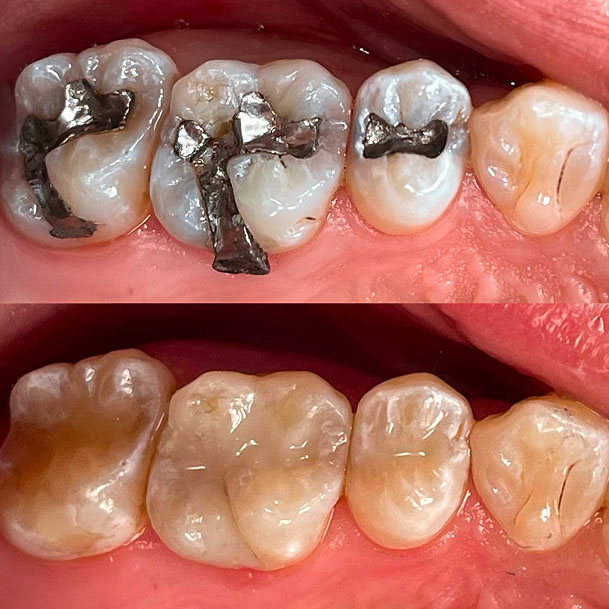

Did you know that nearly 3.7 billion people worldwide are affected by oral health problems? Tooth decay and gum disease sit at the top of that list. Beyond how they change your smile, they can cause serious pain and infections that reach the rest of your body.
Most of it is preventable with simple daily habits. Below are nine oral hygiene routine tips you can start tonight, the order to follow them, the warning signs that your current habits are falling short, and what waiting too long actually costs.
Your Daily Routine, In Order
| Step | Morning | Evening |
|---|---|---|
| 1 | Brush two minutes with fluoride toothpaste | Floss between every tooth |
| 2 | Clean your tongue | Brush two minutes with fluoride toothpaste |
| 3 | Rinse with water after breakfast | Clean your tongue |
| 4 | — | Finish with mouthwash |
Two minutes of brushing, twice a day, is the anchor. Everything else supports it. Give fluoride toothpaste a few minutes to work before you rinse with mouthwash, so you are not washing it straight back off your enamel.
1. Brush Twice a Day, and Brush Properly
Brushing removes food debris and plaque before they harden. It also keeps gum tissue healthy. Do it in the morning to clear bacteria that built up overnight, and again at night to clear away the day’s meals and drinks.
Technique matters as much as timing:
- Use a fluoride toothpaste. Fluoride strengthens the hard outer surface of each tooth and helps prevent decay.
- Pick a soft-bristled brush. Medium and hard bristles can wear enamel and irritate gum tissue.
- Angle the bristles at about 45 degrees toward the gumline, so they clean where the gum meets the tooth.
- Use small, circular motions instead of hard back-and-forth scrubbing.
- Cover every surface, including the backs and the chewing edges.
Brush for a full two minutes each time. Play one song or use the timer on your phone. Replace your brush once the bristles start to splay, usually every three to four months. Skip brushing long enough, and plaque left behind hardens into something a toothbrush can no longer reach; that is roughly what happens when you stop brushing altogether.
2. Floss Every Day
Brushing alone cannot reach the tight contact points between teeth, where food debris and plaque collect. Floss is the tool built for those spots.
Here is how to do it properly:
- Use a piece of floss about 18 inches long and wrap the ends around your middle fingers.
- Guide it gently down between two teeth using your thumbs and index fingers. Do not snap it into place.
- Curve it into a C shape around one side, then run it up and down about 8 to 10 times.
- Repeat on the neighboring surface, then move on using a clean section.
If arthritis or limited dexterity makes string floss hard to manage, a floss holder, a floss threader, or a small interdental brush will do the job. Water flossers clear larger debris well, though they do not lift sticky biofilm off tooth surfaces, so use one alongside floss rather than in place of it.
Bleeding at the start is common and usually points to inflamed gum tissue. It normally settles within a week or two of daily flossing; if it does not, book a checkup.
3. Add Mouthwash as a Final Rinse
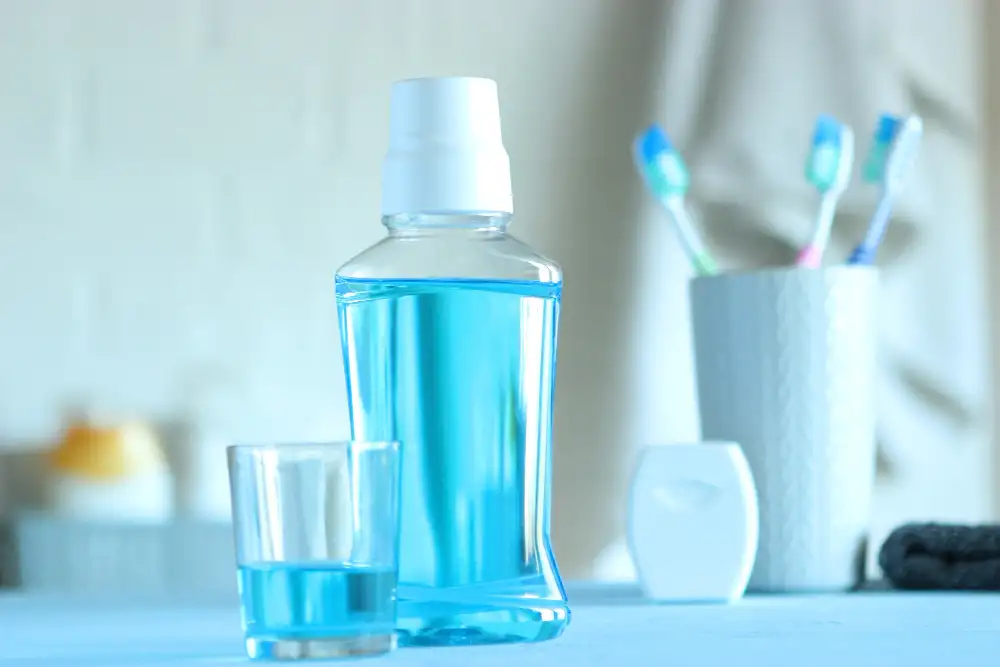
Mouthwash rounds out your daily oral care routine. It does not replace brushing or flossing. It works as a final rinse that lifts anything left behind.
Some formulas contain antibacterial agents, while others contain fluoride to strengthen enamel. Pick the one that suits your needs. If your mouth runs dry, choose an alcohol-free version, since alcohol makes dryness worse.
Look for the ADA Seal of Acceptance on the label. Products carrying that seal have been reviewed against the claims printed on the package.
Swish for thirty seconds once you have finished brushing and flossing. Let it reach your cheeks and the floor of your mouth.
4. Clean Your Tongue Daily
Do not skip your tongue. It contains many bacteria, and if you look in the mirror, you will see tiny grooves across its surface. Those grooves trap food particles that cause bad breath. A tongue scraper works well here. Scrape gently from the back forward to lift the buildup. If you do not have one, the back of your brush will do. This step takes a few seconds and makes a noticeable difference to the routine order outlined above.
5. Eat With Your Enamel in Mind
What you eat changes what happens in your mouth. Too many acidic or sugary foods feed harmful bacteria and weaken enamel. Sugary drinks do the same, and sipping them slowly through the day is worse than finishing one quickly.
Nutrient-rich foods work the other way, keeping the structures around your gums strong.
Here are simple food categories worth building meals around:
| Food Type | Examples |
|---|---|
| Calcium-rich foods | Milk, cheese, yogurt, kefir |
| Crunchy vegetables | Carrots, celery, cucumbers, bell peppers, broccoli |
| Lean proteins | Chicken, fish, eggs, tofu |
6. Chew Sugar-Free Gum After Meals
Chewing sugar-free gum after eating complements your routine. According to the American Dental Association (ADA), twenty minutes of chewing after a meal stimulates saliva, which does real work in keeping your mouth healthy.
Your mouth turns more acidic after eating. Saliva neutralizes those acids and carries minerals that support enamel. Choose gum sweetened with xylitol, which does not feed harmful bacteria. You do not need to chew for long; a few minutes after eating is enough to make a difference.
7. Stay Hydrated and Rinse Often
A dry mouth raises your risk of decay, because saliva is what keeps acids in check. Sip water throughout the day and drink fluoridated tap water where you can, since fluoride continues to work on your enamel between brushes.
Some medications cause dryness as a side effect. If yours does, mention it at your next visit and ask your doctor whether an alternative exists.
After meals or snacks, rinse with water. Swish it around to clear particles from between each tooth. The habit leaves your mouth feeling cleaner and freshens your breath.
8. Skip Tobacco and Go Easy on Alcohol
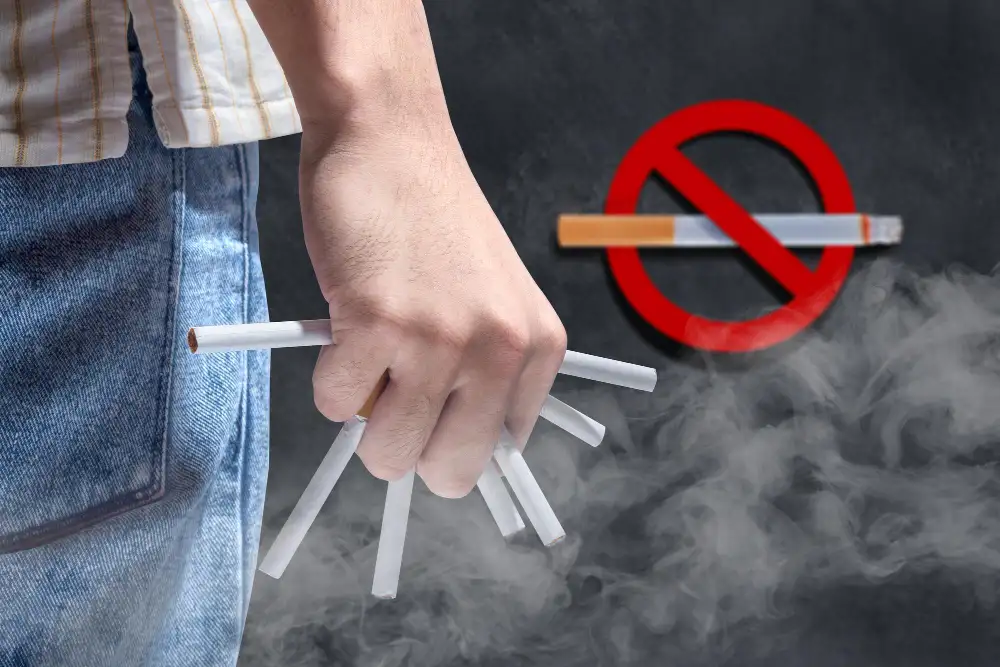
Tobacco harms your mouth in several ways. It dries out soft tissue, raises the risk of gum disease, and is a leading cause of mouth and throat cancer. If you smoke or have smoked, ask your dentist about oral cancer screening at your next visit. Choosing a tobacco-free life improves your health over time.
Quitting is hard, but small steps add up. Clear cigarettes and other products out of the house. Keep celery or nuts within reach. Short walks and other distractions can stand in for old habits.
Heavy drinking raises cancer risk in the same region, so moderation helps here too. Quitting lowers your risk of gum disease and oral cancer with every year you stay off it.
9. Book Regular Checkups
Even a strong home routine can’t do everything. Professional visits catch problems early, remove hardened tartar no toothbrush can shift (usually with an ultrasonic scaler), and give you advice tailored to your mouth.
How often depends on you. Federal health guidance puts the floor at one visit a year. Many people do well on two, and anyone managing gum disease often needs a follow-up cleaning every three to four months, because bacteria rebuild faster in some mouths than others.
The table below breaks down how preventive visits compare with the cost of treating a problem once it has advanced.
| Stage | What it involves | Out-of-pocket cost |
|---|---|---|
| Prevention | Exam and cleaning | $250 |
| Early decay | One-surface filling | $300 |
| Larger decay | Three-surface filling | $400 |
| Gum disease | Deep cleaning, including follow-up | $1,400 |
| Nerve involvement | Root canal | $1,400 to $1,800 |
| Structural damage | Crown | $1,950 |
Prices apply to patients paying out of pocket. Many PPO plans cover part or all of a preventive visit; ask our team to check your specific coverage.
Find a practice you trust, like Smile Lab. The team here works with patients in a supportive setting, and a routine teeth cleaning in Union Square is a chance to talk through ways to improve your dental habits and any concerns you have so your gums and smile stay healthy long-term.
Signs Your Routine Is Not Working
Some warning signs tell you the habits at home are no longer keeping up. Watch for:
- Gums that bleed regularly when you brush or floss
- Bad breath that sticks around after brushing
- Gums pulling back from the tooth surface
- Teeth that feel loose or have shifted
- Mouth sores that do not clear within two weeks
- Ongoing pain or swelling along the jaw
Any of these is worth a call. Bleeding and receding gums in particular often point to gum disease. Caught early, better brushing and flossing at home can turn it around. If tartar has already built up below the gumline, a deep cleaning is usually the next step.
Adjusting Your Routine for Your Situation
The same nine habits apply to almost everyone, but a few situations call for extra attention:
- Pregnancy: hormonal shifts make gums more likely to swell and bleed. Book a checkup before you deliver, and if you are vomiting, rinse with a teaspoon of baking soda in water rather than brushing straight away, so you are not scrubbing stomach acid across your enamel.
- Diabetes: gum disease and blood sugar feed each other. More frequent cleanings often help both.
- Dry mouth from medication: extra water, sugar-free gum, and an alcohol-free rinse all help.
- Dentures: clean them daily and leave them out overnight, where possible, to reduce the risk of fungal infection. If a denture feels loose, rubs a sore spot, or does not sit the way it used to, it may need a repair rather than a replacement.
- Aligners or braces: Food traps more easily, so add one of the cleaning tools made for braces and rinse after every meal.
Common Questions
- Should I floss before or after brushing? Floss first, then brush. Loosening debris before the brush passes over lets fluoride reach further between each tooth.
- How long before I see a difference? Breath usually improves within days once tongue cleaning becomes routine. Bleeding gums improve on the same timeline described above. Staining and tartar buildup need a professional visit to clear.
- Is an electric brush better than a manual one? Both work if your technique is sound. Electric models help most people who scrub too hard or struggle to time two full minutes, since they pace it for you.
- Do I really need mouthwash? It is optional. Brushing and flossing do the heavy lifting. A fluoride rinse is a useful addition if you are prone to decay or you have a dry mouth.
Conclusion
A routine you keep beats a perfect one you don’t. Brushing twice with fluoride toothpaste, flossing once, cleaning your tongue, eating well, and booking a professional cleaning on schedule will carry most people a long way.
If you want to know how to improve oral hygiene in a way that fits your own mouth and history, Smile Lab is here to help. With the expert dentists by your side, the path gets simpler and a good deal more effective.