Most patients take 2-3 days off work or school. Desk-based work often resumes on day 3 or 4, while heavy lifting, sports, and intense workouts should wait until at least day 7 to 10.
As the anesthesia wears off during the first few hours, you may feel numbness in the lip, chin, or tongue, mild dizziness, or slight nausea. These effects fade the same day. Avoid driving, hot drinks, and chewy foods until sensation returns fully.
Non-surgical wisdom tooth extraction recovery, a simple pull of a fully erupted tooth, is often shorter, with less swelling and a return to normal activity in 2 to 3 days. Surgical removal of an impacted or partially erupted tooth involves incisions and sometimes bone removal, so expect a longer window of soreness and stricter aftercare.
To speed up wisdom teeth recovery, stay consistent. Protect the clot, keep your mouth clean, rest, and do not rush back into strenuous activity too soon.
1. Control Bleeding with Gauze
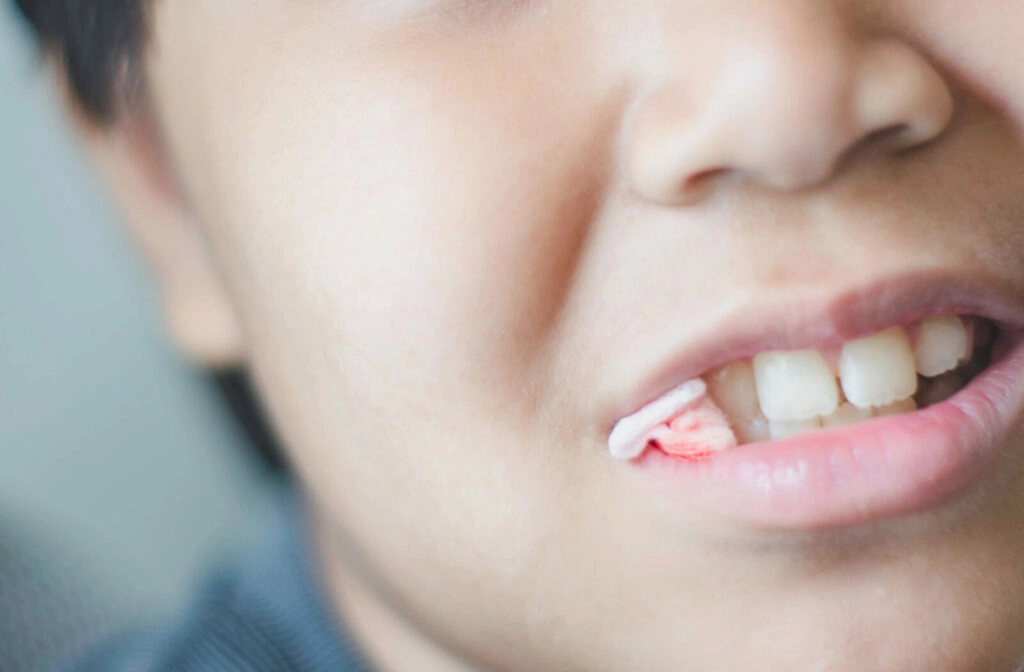
Some bleeding is normal during the first few hours after surgery. Bite gently on the gauze your dentist gives you and hold steady pressure for 30 to 45 minutes. This pressure helps a blood clot form in the socket, protecting the bone and supporting healing.
If bleeding continues, place a damp tea bag over the area and bite down gently. Tea contains tannins, which may help with clotting. Call your provider if heavy bleeding does not slow, especially if you are changing gauze often or swallowing blood.
2. Apply Cold Compresses
Swelling is common after wisdom tooth removal. It usually builds during the first two days before it starts to improve.
Use an ice pack or cold compress on the outside of your cheek for 20 minutes at a time, with breaks between each session. Cold therapy helps limit inflammation and can ease jaw soreness. Do not place ice directly on your skin; wrap it in a clean towel first.

3. Rest and Elevate Your Head
Your body heals better when you slow down. Rest as much as possible during the first 24 to 48 hours. Avoid running, lifting, intense workouts, or bending over, since these can raise blood pressure at the surgical site and trigger bleeding or swelling.
When you sleep, prop your head up on two pillows for the first three to five nights. Try to sleep on your back rather than the side of the extraction, since lying on the affected side can worsen cheek swelling.
If your procedure involved sedation dentistry, follow your provider’s instructions about driving, work, school, and adult supervision after the appointment.
4. Stick to Soft and Easy-to-Eat Foods
One of the best wisdom teeth recovery tips is to choose foods that do not scrape or irritate the extraction sites. Good options include yogurt, spooned smoothies, oatmeal, mashed potatoes, scrambled eggs, cottage cheese, applesauce, avocado, and blended soups.
Avoid crunchy, hard, spicy, acidic, or hot foods during the first week. Chips, nuts, popcorn, seeds, and crusty bread can disturb the healing area. A dedicated guide to foods to avoid after extraction covers what to skip and why.
For day 1, keep meals soft, cool, and simple. If you are wondering what to eat after wisdom teeth removal on day 1, choose foods that require little or no chewing.
5. Stay Hydrated Without Using Straws
Water supports recovery, but the way you drink matters. Skip straws for at least one week, or for as long as your dentist recommends. The suction can dislodge the clot and raise your risk of dry socket.
Take slow sips from a glass or bottle instead. Avoid carbonated drinks during early healing if they sting or make you uncomfortable.
6. Rinse with Saltwater After 24 Hours
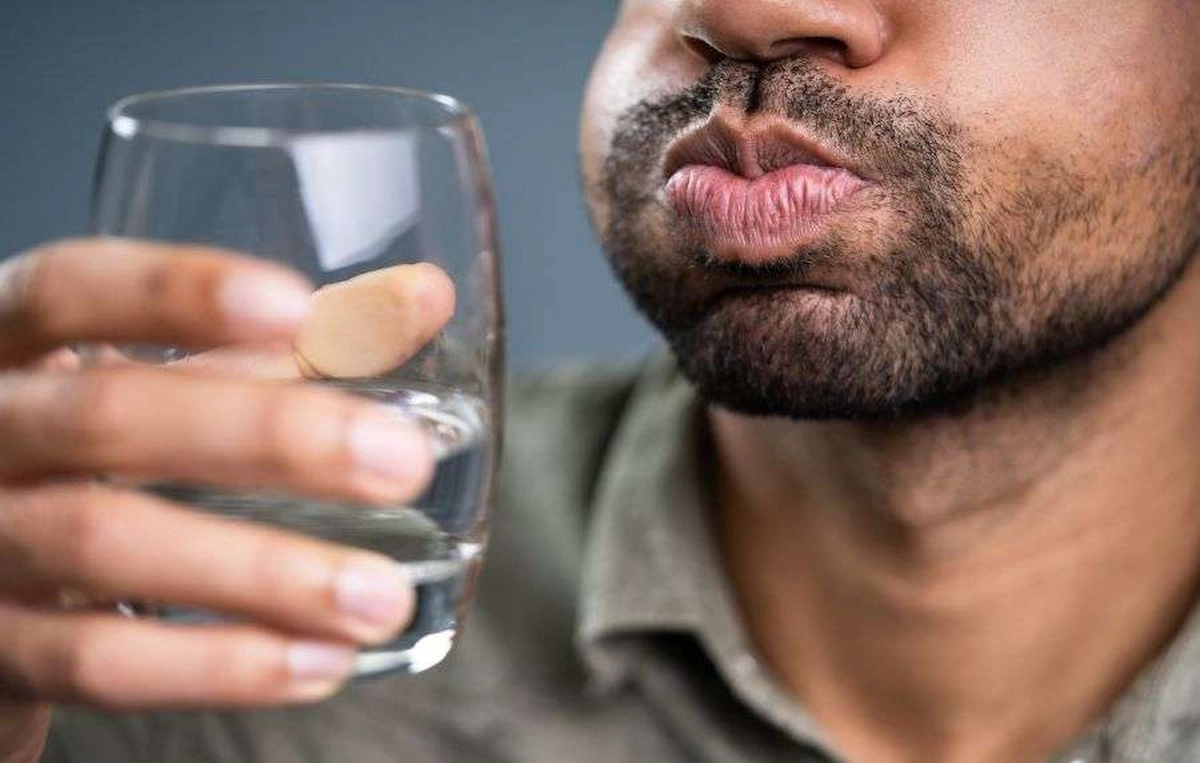
After the first day, gentle warm saltwater rinses can help keep the area clean. Mix half a teaspoon of salt into a cup of warm water. Let the rinse move around your mouth gently, then allow it to fall out into the sink.
Do not swish hard or spit forcefully; too much pressure can loosen the clot. This is a simple way to support healing if you are trying to learn how to heal quickly after a wisdom tooth extraction.
7. Avoid Brushing or Rinsing Aggressively
You still need to keep your mouth clean, but be gentle near the surgical sites. For the first couple of days, avoid brushing directly over the extraction area. Brush the rest of your mouth carefully with a soft toothbrush.
Do not use strong mouthwash unless your dentist tells you to. Some rinses can irritate sensitive tissue. Gentle cleaning reduces bacteria without disrupting the early healing process.
8. Take Pain Relievers as Directed
Some soreness is expected after wisdom tooth removal. You do not need to wait until the pain becomes intense before taking medication. Use the pain relievers your dentist recommends. Many people can use over-the-counter ibuprofen or acetaminophen, but always follow your provider’s instructions.
Skip aspirin unless your dentist specifically clears it, since aspirin thins the blood and can delay clot formation or restart bleeding. If you take prescription blood thinners, tell your dentist before surgery so a safe plan is in place.
Taking medication on schedule keeps discomfort easier to manage. Do not mix pain medication with alcohol. If you were prescribed antibiotics, finish the full course exactly as directed.
9. Boost Healing with Protein and Key Nutrients
Your diet affects how quickly your body repairs tissue.
If you are wondering how to help your wisdom teeth heal faster, start with enough protein, fluids, and soft, nutrient-rich foods. Protein helps tissue repair, while vitamin C and zinc support normal healing. Source Source
Good choices include scrambled eggs, Greek yogurt, protein shakes, fruit smoothies, mashed avocado, cottage cheese, applesauce, and blended vegetable soups.
What helps wisdom teeth heal faster isn’t a single food. It is steady nutrition, clot protection, hydration, and rest working together.
10. Keep the Surgical Site Clean as You Heal
Oral bacteria can slow recovery if food and plaque collect near the socket.
After the first day, use gentle saltwater rinses after meals to loosen small food particles without aggressive swishing.
If your dentist recommends an antimicrobial rinse, use it exactly as directed. You can also ask an experienced dentist whether a prescription rinse fits your case.
Do not dig into the socket with a toothpick, finger, cotton swab, or water flosser unless your provider gives you specific instructions.
11. Avoid Smoking and Alcohol Completely
Smoking reduces blood flow and disrupts clot stability. It also creates suction in the mouth, which raises the risk of dry socket.
Skip smoking, vaping, and nicotine products during early recovery. Ask your dentist how long to wait based on your procedure.
Alcohol can irritate healing tissue and may interact with pain relievers or antibiotics.
For best results, avoid alcohol for at least a week after surgery, or longer if your dentist recommends it.
12. Do Not Poke or Touch the Surgical Site
It may be tempting to check the area with your tongue or fingers, but avoid it.
Touching the socket can introduce bacteria, irritate the gum tissue, and delay healing.
If something feels sharp, loose, painful, or unusual, call your dentist instead of trying to fix it yourself.
13. Switch to Warm Compresses After 48 Hours
Cold therapy helps most during the first two days. After that, warmth may feel better for jaw stiffness.
Use a warm towel or heating pad on the outside of your cheek. Keep it warm, not hot.
Warm compresses can relax the jaw muscles and improve comfort as swelling starts to go down.
Do not use heat if it increases swelling, throbbing, or discomfort.
14. Chew Away From the Surgery Site
Chewing on the opposite side can reduce pressure on the healing area.
Take small bites and eat slowly. Reintroduce firmer foods only when chewing feels comfortable, and your dentist says it is safe.
If you had extractions on both sides, stay with soft foods longer. This protects both surgical sites and makes eating easier.
This simple tooth extraction recovery tip can prevent irritation during the first week.
15. Keep Up With Follow-Up Appointments
Do not skip follow-up visits if your dentist schedules them.
Your provider can check whether the area is healing as expected and look for signs of infection, dry socket, or other issues.
This visit also gives you a chance to ask when you can return to normal foods, workouts, brushing, and oral hygiene tools.
Most oral surgeons use dissolvable stitches that soften and fall out on their own within 7 to 10 days. Do not pull loose stitches yourself; if one dangles or catches, mention it at your follow-up visit.
Personalized guidance matters because simple extractions, impacted extractions, stitches, and sedation cases can all heal at different speeds.
How Do You Get Food Out of a Wisdom Tooth Hole?
Food particles trapped in the socket are common during the first two weeks, and they can feel uncomfortable even though they usually rinse out on their own.
The safest way to clear food from a wisdom tooth hole is a gentle warm saltwater rinse after each meal, starting 24 hours after surgery. Let the water move slowly in your mouth and let it fall out of your lips; do not spit forcefully.
If your dentist has given you a curved-tip irrigation syringe, use it only after the first week and only on low pressure, aiming across the socket instead of directly into it. Never poke the socket with a toothpick, floss pick, cotton swab, or fingernail, since these can dislodge the clot and cause dry socket.
What If One Side Is Healing Faster Than the Other?
Wisdom teeth healing faster on one side than the other is common. One socket may have been deeper, more irritated, or harder to remove.
Mild differences in soreness, swelling, or tenderness are normal during the first week.
Call your dentist if one side gets worse instead of better, has a bad taste, drains pus, causes fever, or develops severe throbbing pain, since these can overlap with signs of an early wisdom tooth infection.
Do Top Wisdom Teeth Heal Faster Than Bottom Ones?
Yes, in most cases. Upper wisdom tooth sockets tend to heal faster because the upper jawbone is less dense and gravity helps drainage. Lower wisdom teeth sit in denser bone, are more often impacted, and are closer to a major nerve, so soreness and swelling on the bottom usually last longer.
Uneven healing between the top and bottom, or between the left and right sides, should improve over time. A sudden jump in pain past day 3 may need professional care.
What Causes Dry Socket and How Do You Lower the Risk?
Dry socket happens when the protective blood clot becomes dislodged or fails to form, leaving the bone exposed. Cleveland Clinic describes it as exposed bone in the socket that can cause significant, radiating pain. Source
What causes dry socket most often: using straws, smoking or vaping, forceful spitting, aggressive rinsing, poor oral hygiene, and birth control pills with estrogen. Source
To lower your risk, follow your dentist’s instructions for cleaning, food choices, and medication. Avoid any kind of suction for at least a week.
Call your provider if pain worsens after initially improving, especially if it spreads toward your ear or comes with a bad taste in the mouth.
When Should You Call Your Dentist?
Some discomfort is normal, but certain symptoms need attention.
Call your dentist if you have heavy bleeding that does not slow, fever, chills, pus, worsening swelling, trouble swallowing, a rash, or severe pain that does not improve. MedlinePlus lists dry socket and infection as possible complications after tooth extraction. Source
If symptoms feel urgent, emergency dental care may be needed.
You should also call if you cannot keep fluids down, if your bite feels off, or if you are unsure whether your symptoms are normal.
Catching a complication early is usually a quick fix; waiting can mean a longer recovery.
Conclusion
The best way to recover from wisdom teeth removal fast is to protect the blood clot, rest, control swelling, eat soft foods, stay hydrated, and keep the surgical area clean.
Do not rush the healing process. Most people feel better within a few days, but full recovery takes longer.
Follow your dentist’s instructions, take recovery one day at a time, and call your provider if symptoms worsen rather than improve.