Reviewed by Dr. Waise Ebrahimi, DDS — Founder of Smile Lab Dentistry, Graduate of UCSF School of Dentistry
How long it takes to remineralize teeth more noticeably depends on the extent of mineral loss and daily exposure to fluoride, saliva, acids, and sugars. Early enamel damage may require weeks to months of consistent remineralization before meaningful strengthening occurs, while decay that has reached the dentin cannot be reversed through remineralization alone.
Key Takeaways
- The time it takes to remineralize teeth depends on how much damage has already occurred. Minor surface wear can improve within days to a few weeks; moderate damage, like white spots, typically takes three to four months; and severe damage or active cavities cannot self-repair at all.
- Fluoride and nano-hydroxyapatite (nHAp) are both clinically supported options for remineralization. Fluoride forms a harder, more acid-resistant surface, while nHAp deposits directly onto enamel prisms and is the recommended fluoride-free alternative.
- Remineralization only works on early-stage lesions. Once a cavity has formed or the enamel is fully worn through, professional treatment, such as a filling or crown, is required — home care cannot reverse that level of damage.
- Consistency matters more than any single product. Twice-daily brushing, limiting acidic foods and drinks, staying hydrated, and maintaining regular dental cleanings all determine whether your enamel ends each day with a net mineral gain or loss.
- Whitening is most effective after enamel health is restored. Applying whitening treatments to actively eroding enamel reduces their effectiveness and can increase sensitivity, so addressing demineralization first gives better results.
How Long to remineralize teeth: Timeline at a Glance
| Damage Level | Timeline | What You’ll See | Next Steps |
|---|---|---|---|
| Minor (early surface wear, slight sensitivity) | Days to 2 weeks | Reduced sensitivity; enamel feels slightly smoother | Continue twice-daily fluoride or nHAp brushing; maintain routine |
| Moderate (white spots, dull patches, mild erosion) | 3–4 months | Chalky spots fade; enamel regains shine; sensitivity decreases noticeably | Stick with your remineralization routine; professional cleaning helps; consider fluoride mouthwash for faster results |
| Severe (visible cavities, deep erosion into dentin, widespread pitting) | Cannot self-repair | No home-care reversal possible | Schedule a dentist appointment for filling, crown, or bonding; professional treatment is required |
Key Point: Consistency matters more than speed. Twice-daily brushing with fluoride or nano-hydroxyapatite, limiting acidic foods, and staying hydrated determine whether your enamel gains or loses minerals each day. Most people see meaningful improvements in sensitivity within 2–4 weeks, but visible changes to white spots take the full 3–4 months.
What is Tooth Remineralization?
Remineralization is your body’s natural process of rebuilding tooth enamel by redepositing lost minerals back onto the enamel surface after acid attacks. It’s your teeth’s built-in repair system.”
What Does Remineralizing Teeth Mean?
Remineralization is your body’s natural way of rebuilding enamel. Your saliva carries calcium and phosphate ions back to the enamel surface, gradually restoring the mineral content that acids strip away throughout the day.
Fluoride from toothpaste and mouthwash accelerates this by forming a harder, more acid-resistant compound called fluorapatite at the surface. Nano hydroxyapatite (nHAp) works differently: it deposits directly onto the enamel prisms, mimicking the tooth’s own mineral structure.
The cycle of mineral loss and mineral gain is constant. What matters is whether you end the day with a net gain or a net loss.
Nano Hydroxyapatite Toothpaste for Remineralization
Nano hydroxyapatite (nHAp) toothpaste is a clinically proven, fluoride-free alternative for remineralizing teeth. Unlike fluoride, which works by forming a harder acid-resistant compound on the enamel surface, nano hydroxyapatite deposits directly into microscopic defects and onto enamel prisms, physically filling in the exact structural damage caused by acid attacks and demineralization.
How Nano Hydroxyapatite Works
Hydroxyapatite is the mineral that makes up 96% of your tooth enamel. When you use nano hydroxyapatite toothpaste, particles penetrate into weakened enamel and integrate seamlessly into the existing crystal structure. Because nHAp mimics your tooth's own mineral composition, your saliva can easily transport it deeper into the enamel layers. This makes it particularly effective for remineralizing early lesions and white spots—the same damage that fluoride addresses, but through a structurally identical mechanism.
Clinical Evidence for Nano Hydroxyapatite
A randomized controlled trial published in PubMed found that nano hydroxyapatite performed comparably to fluoride in cavity prevention in children. In multiple studies, nHAp users reported reduced sensitivity within 2–4 weeks and visible improvements to white spots within 3–4 months—the same timeline as fluoride. The biocompatibility is excellent; because it's the same mineral already present in your teeth, there is no toxicity concern even with long-term use.
Who Should Use Nano Hydroxyapatite Toothpaste
Nano hydroxyapatite is the ideal choice if you:
- Prefer to avoid fluoride for personal or health reasons
- Have young children and want a fluoride-free option
- Are sensitive to conventional toothpaste ingredients
- Want a naturally derived remineralizing agent
- Are looking for an evidence-based alternative backed by clinical trials
How to Remineralize Teeth Naturally with Hydroxyapatite
Use nano hydroxyapatite toothpaste the same way you would fluoride: brush twice daily for two minutes with a soft-bristle toothbrush. Look for products that list hydroxyapatite or nano-hydroxyapatite in the first five ingredients, and confirm at least 10% concentration for optimal remineralization. Pair it with the other habits that support remineralization, limiting acidic foods, staying hydrated, and flossing daily, for the best results. Consistency matters more than product choice; twice-daily brushing with nHAp combined with a mineral-rich diet and reduced acid exposure is the most effective natural approach.
Can Nano Hydroxyapatite Reverse Early Tooth Decay and Cavities?
Yes, nano hydroxyapatite can reverse early-stage tooth decay and demineralization before a cavity forms. White spots, sensitivity, and rough enamel edges are all reversible with consistent nHAp use over 2-4 months. The key is early intervention: once enamel shows signs of weakness, remineralization becomes possible. However, once decay progresses into a cavity (a visible hole or dark spot), nano hydroxyapatite cannot reverse cavities, professional filling or crown is the only solution. The window for reversal is early detection; catching demineralization at the white spot stage means you can still remineralize naturally at home, but true cavities require professional treatment.
Nano Hydroxyapatite vs. Fluoride: Timeline Expectations
Both agents work on the same timeline: minor sensitivity improvements within 2–4 weeks, visible changes to white spots within 3–4 months. Neither can reverse established cavities; both only work on early-stage lesions and surface demineralization. If you’re concerned about which is right for you, the next section breaks down the full comparison.
Difference Between Remineralization vs. Demineralization
These two processes are always running in opposite directions. Here is how they compare:
| Aspect | Demineralization | Remineralization |
|---|---|---|
| Definition | Loss of calcium and phosphate from enamel | Redeposit of lost minerals back into enamel structure |
| Cause | Acid from plaque bacteria, sugar, and acidic food or drink | Saliva, fluoride, hydroxyapatite toothpaste, and a mineral-rich diet |
| Effect on teeth | White spots, roughness, enamel softening, and eventual cavities | Strengthened enamel; reversal of early decay before a cavity forms |
| Clinical limit | Once a cavity forms, professional treatment is required | Only effective before enamel is fully lost or a cavity develops |
What Our Patients Say

11/02/2015


11/02/2015
11/02/2015
Improve your smile today
Signs Your Teeth Need Remineralization
Catching enamel erosion early is the only way to reverse it without dental work. Common signs include:
- Sensitivity to hot, cold, or sweet foods: The dentin underneath the enamel becomes exposed as enamel thins. That sharp sensation when you sip something cold is your enamel telling you it needs support. For a closer look at what’s behind tooth pain and sensitivity, it helps to understand the potential causes before assuming it’s purely enamel-related.
- Dull or yellowing appearance: As enamel wears, the yellowish dentin beneath becomes more visible. If the discoloration bothers you, know that professional teeth whitening works most effectively once your enamel is healthy and no longer actively eroding.
- White or chalky spots: These are early lesions where mineral loss has made the enamel porous. They are a reversible sign when caught at this stage.
- Rough or jagged edges: Especially on front teeth, where enamel is naturally thinner.
- Recurring cavities: If you’re developing new decay despite brushing regularly, weakened enamel is likely the reason.
One or more of these signs means you should start a remineralization routine now, before the window for at-home repair closes.
How to Remineralize Teeth: A Step-by-Step Routine
To remineralize your teeth naturally, here is a step-by-step routine for your dental care. Let’s review how to remineralize teeth naturally.
1. Pick the Right Toothpaste
Use fluoride toothpaste with at least 1,000 ppm of fluoride. This strengthens enamel by forming fluorapatite, which resists acid better than the natural mineral.
If you prefer a fluoride-free option, hydroxyapatite toothpaste (particularly nano hydroxyapatite) is a well-studied alternative. It fills in microscopic surface defects and has shown comparable cavity-prevention results in multiple clinical trials.
2. Brush and Floss the Right Way
Brush twice a day for two minutes with a soft-bristle toothbrush, a core part of any oral hygiene routine. Floss daily to clear the spaces between teeth where a toothbrush cannot reach. Aggressive brushing with a hard brush can accelerate enamel erosion rather than prevent it.
Skipping brushing entirely creates a very different set of problems. If you’re curious about what happens when you don’t brush your teeth, the short answer is that acid-producing bacteria take over quickly.
3. Rinse or Chew Sugar-Free Gum
A fluoride mouthwash extends the time fluoride ions have contact with your enamel beyond the brushing window. Sugar-free gum with xylitol stimulates saliva production, which raises oral pH and delivers calcium and phosphate. Xylitol also inhibits the bacteria that produce enamel-eroding acids.
4. Eat Foods That Help Your Teeth
A diet high in calcium, phosphate, and vitamin D gives your body the raw materials it needs for remineralization. Good sources include dairy products, leafy greens, nuts, eggs, and fatty fish like salmon or sardines.
Limit sugary and acidic snacks, since sugar and cavities are closely linked. When you do have acidic drinks like soda, citrus juice, or coffee, rinse with water immediately after rather than brushing right away. Brushing within 30 minutes of an acid exposure can spread the softened minerals further.
5. Drink Plenty of Water and Limit Acidic Drinks
Hydration keeps saliva flowing. Dry mouth from dehydration, medications, or certain health conditions leaves your enamel without its natural mineral delivery system. If dry mouth is a recurring problem, saliva substitutes or a conversation with your doctor about medication adjustments can help.
6. Get Professional Help If Needed
If you are at high risk for decay, your dentist may recommend in-office fluoride varnish, prescription-strength toothpaste, or custom mineral trays. These deliver higher mineral concentrations than over-the-counter products and work faster.
A professional teeth cleaning removes hardened plaque that blocks remineralizing agents from reaching the enamel surface. For patients with heavier tartar buildup, a deep cleaning may be recommended to bring the bacterial environment under control before remineralization can take effect.
7. Try Healthy Habits That Support Oral Health
Oil pulling with coconut or sesame oil, eating probiotic-rich foods like yogurt or kefir, and addressing dry mouth directly can all create a better oral environment for enamel repair.
Teeth Remineralization Before and After: Visual Progress
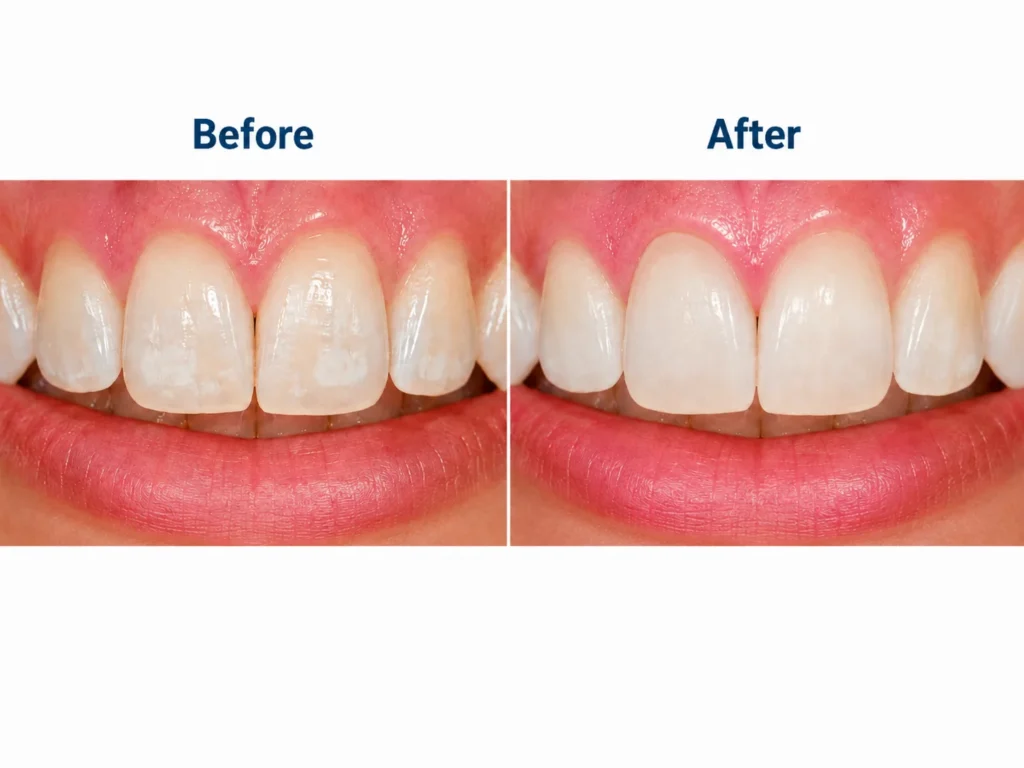
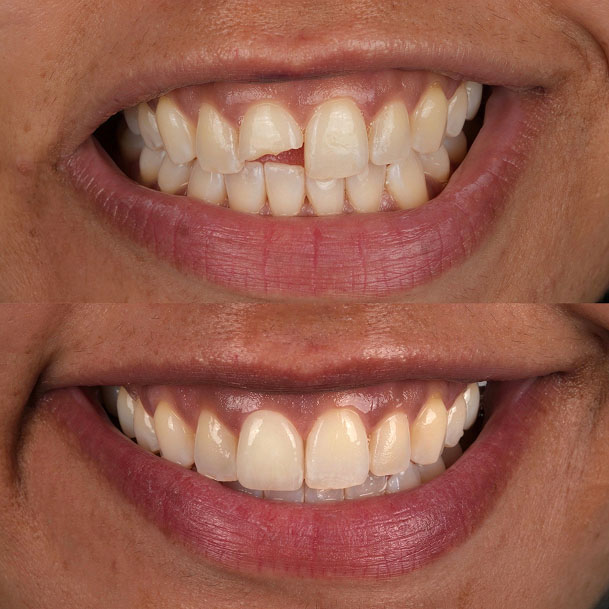
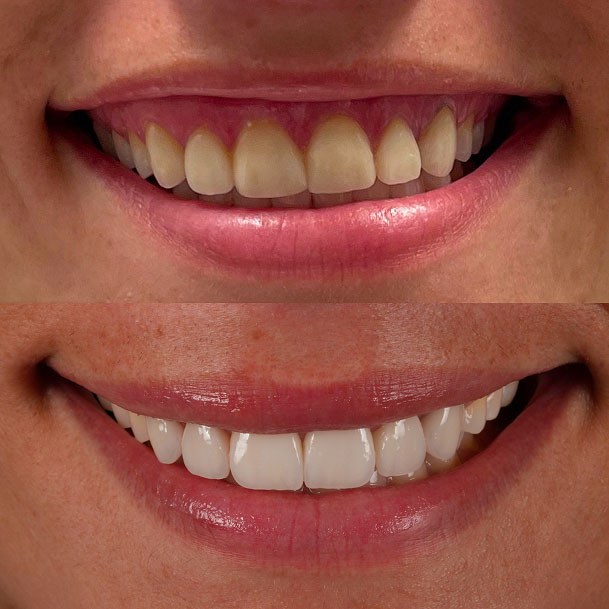
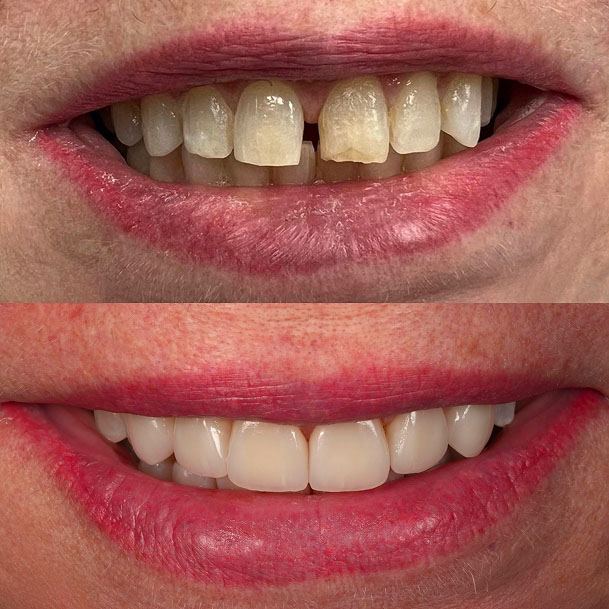
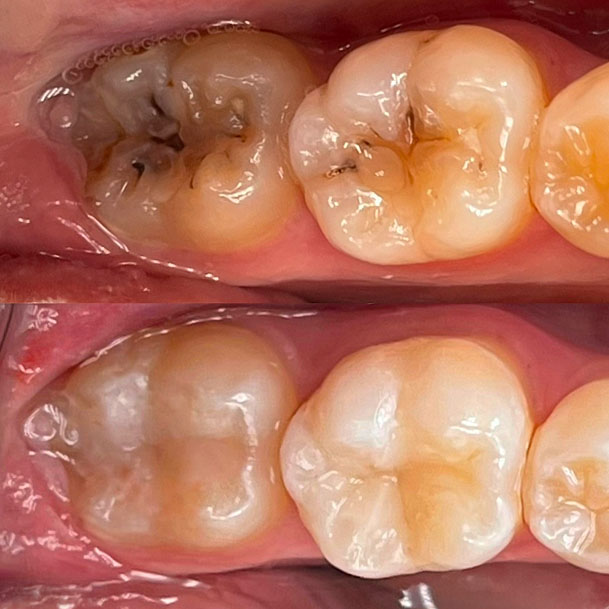
Ilustrative remineralization results: White spot lesions fade as mineral density returns to enamel after consistent fluoride or nHAp use.
How Long Does Remineralization Take?
After understanding how to naturally remineralize teeth, let’s explore how long it takes for remineralization to occur. The time it takes to repair your enamel depends on how much damage there is and how well you stick to your dental care routine.
- If the damage is minor, such as early surface wear, you may see small improvements in just a few days or weeks, especially if you use fluoride or nano-hydroxyapatite (nHAp). Most people notice clearer signs of healing within two months.
- For moderate cases, like white spots on your teeth, it can take about three to four months for the enamel to rebuild enough to see real changes.
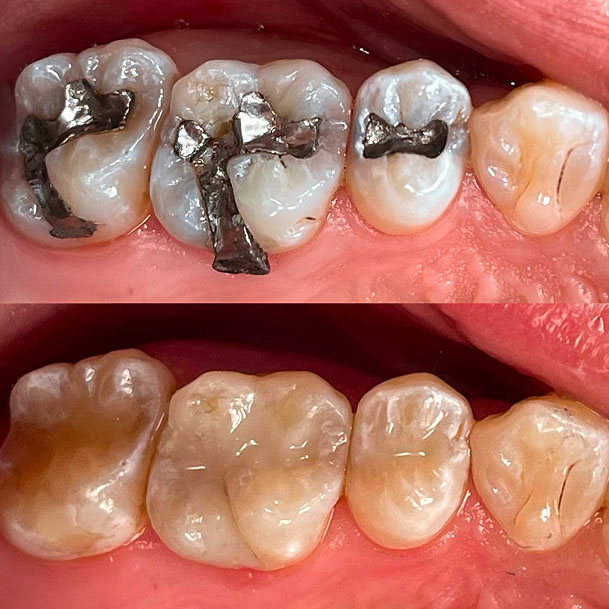
- But if the enamel is badly damaged or a cavity has already formed, your teeth cannot heal on their own anymore. In that case, you will need help from a dentist. Treatments like cavity fillings, crowns, or other dental work are the only way to fix the damage.
Signs of Tooth Remineralization: How to Know It's Working
Progress is gradual, but there are clear signs that the process is working:
- You stop flinching at cold drinks or sweet foods
- Chalky patches look smaller or less opaque than before
- Your enamel feels smoother to the tongue
- Fewer new cavities at your next checkup
Most people notice improvements in sensitivity first, within two to four weeks of starting a consistent routine. Visible changes to white spots take longer, typically two to four months, depending on severity.
As remineralization progresses, you may notice:
- Decreased sensitivity to hot, cold, or sweet stimuli
- Whitening or fading of chalky white spots
- Smoother, stronger-feeling enamel
- Fewer visible signs of erosion or translucency
How Long Does It Take to Rebuild Enamel?
Enamel cannot truly rebuild itself, once lost, it’s permanently gone. However, you can remineralize weakened enamel in 2–4 months with consistent fluoride or nano-hydroxyapatite use, or restore damaged teeth professionally through bonding, veneers, or crowns. If home remineralization isn’t producing results, professional reconstruction is the only effective option.
Fluoride vs. Hydroxyapatite: Which Is Right for You?
Both are proven remineralizing agents. Here is how they compare:
Fluoride is the most extensively researched option. It integrates with enamel to form fluorapatite, which is harder and more acid-resistant than the natural mineral.
It is safe for daily use in adults at standard toothpaste concentrations. Excessive fluoride in young children (during tooth development) can cause fluorosis, so pediatric products use lower concentrations.

Nano Hydroxyapatite (nHAp): Nano hydroxyapatite toothpaste works by depositing hydroxyapatite particles directly onto enamel and within dentinal tubules.
It is biocompatible, fluoride-free, and has shown strong results in multiple randomized trials, including a randomized controlled trial that found nHAp performed comparably to fluoride in preventing cavities in children. It is the best fluoride-free option for adults seeking an evidence-based alternative.
Which should you choose? If fluoride is not a concern for you, either works. If you have young children or prefer to avoid fluoride for any reason, nano-hydroxyapatite toothpaste is the clinically supported choice.
Call now to Schedule Your Appointment
At Smile Lab, you will receive experienced & professional dental implant services in a supportive
and high-tech environment, ensuring you get the best care possible.
The Bottom Line
Remineralization is your body’s natural way of fixing and strengthening tooth enamel. It helps stop the early signs of tooth decay before they turn into bigger problems.
You can support this process by brushing with fluoride or hydroxyapatite toothpaste and keeping your teeth clean every day. You also need to eat foods that are good for enamel, and avoid habits that can cause damage.
If the damage is minor or moderate, daily care can often reverse it. But if the decay is more serious, you will need help from a dentist.
If you're looking for expert dental care professionals, consider scheduling an appointment with our skilled team at Smile Lab Dentistry. Our experts have years of experience in understanding, consulting and treating a wide range of dental issues.