Oral cancer is one of the most preventable cancers, but only if it is detected early. According to the Oral Cancer Foundation, the 5-year survival rate is 83% when oral cancer is detected early. However, if diagnosed late, the survival rate drops to 35%.
Routine oral cancer screenings are crucial for detecting early signs before they expand and become dangerous. While the idea of oral cancer can be daunting, regular screenings make it possible to identify cancer at early stages and make it more treatable.
In this guide, we will discuss everything you need to know about how often you should get screened and what the screening process involves. Let’s get started!
How long do dental crowns last?
Improve your Smile
What is Oral Cancer Screening?
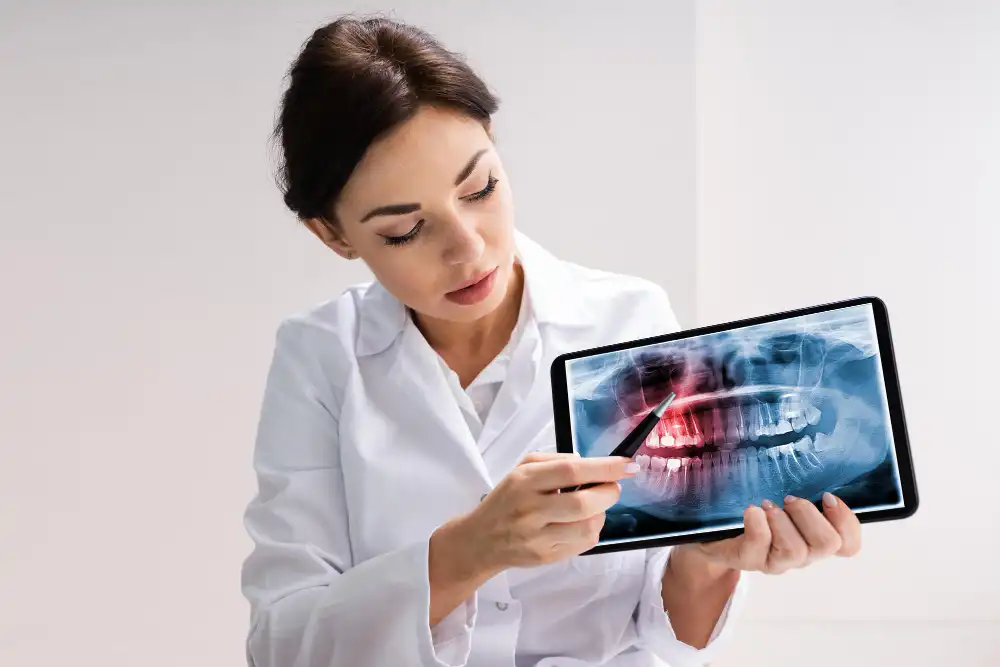
Oral cancer screening is the process of examining the mouth, lips, tongue, gums, and throat for any signs of cancer or precancerous conditions. During a screening test for oral cancer, your dentist will examine your mouth for any changes that could indicate cancer. This may include checking for unusual lumps, white or red patches, persistent sores, or other concerning symptoms.
What Our Patients Say
EXCELLENT Based on 2276 reviews
 Posted on Google
 Jou Min Chen (Jumin)I've been taking all my treatments over here for over a year now and so far I'm pretty satisfiedPosted on Google
 nikhil keswaneyDr basseri was amazing he took into account my fiances anxitey i to account and performed the filling even after hours he definitely earned 2 permenant patients.Posted on Google
 AkusaBeautiful experience! For my first dental visit- I had a smooth experience. Everyone was super nice. From the dentist, to the receptionist… all of the above.My teeth feels amazing. Super patient and explains everything clearly. I recommend, and I will definitely be back!Posted on Google
 Brynden FosterThis team is so helpful and kind! I always feel like a VIP coming for my cleaning and I couldn’t recommend them more.Posted on Google
 bhanu dattastaff was very helpful and they explained the procedure and payment options in a friendly wayPosted on Google
 Robina ShieldsMy experience with Smile Lab Dentistry Union Square "Wonderful", right down to the teeth cleaning.. that will make a person smile.Posted on Google
 Peter ChauLove coming here as a patient. Everyone here is super nice and thorough. I had my wisdom teeth done here which was an excellent experience. I now commute all the way to the city just to get my regular check ups here because it’s worth the trip. Also, I never had a hygienist floss my teeth before this place
Improve your smile today
The 8-Step Oral Cancer Screening Process
The following outlines the 8 step oral cancer screening process:
1. Patient History Review
First, your healthcare provider will discuss your medical history and lifestyle habits (such as smoking or alcohol use) and address any symptoms or concerns.
2. Visual Examination
Next, they will visually check your lips, gums, cheeks, tongue, and the roof of your mouth for abnormal growths, discoloration, or sores.
3. Palpation
Then, your provider will gently feel inside your mouth and neck, checking for lumps, bumps, or tender spots in soft tissues and lymph nodes.
4. Tongue Inspection
They will closely examine the top and underside of your tongue for unusual patches, lesions, or sores.
5. Floor of Mouth Check
After inspecting the tongue, your provider will carefully check the floor of your mouth and the area under your tongue for swelling or abnormalities.
6. Gums and Cheeks Inspection
They will also examine your gums for redness, swelling, or unusual tissue changes, as well as inspect the inside of your cheeks and the roof of your mouth.
7. Identification of White or Red Patches
Next, they will specifically look for white or red patches (leukoplakia or erythroplakia), which may indicate a risk of oral cancer.
8. Referral for Further Testing
Finally, if any suspicious areas or abnormalities are found, your provider may recommend additional tests, such as a biopsy, to determine if cancerous cells are present.
Gum Graft Recovery: How Long Does It Take?
The typical recovery timeline for gum grafting surgery involves 1-2 weeks for initial healing. Full recovery takes around 4-6 weeks. The exact timeline depends on how your body heals. You must follow the doctor's instructions to speed up the recovery process. Moreover, it is suggested that you avoid sticky, hard food and smoking, as these can damage your gums again by stimulating bacterial infection.
How Often Should You Get Oral Cancer Screening?
The frequency of oral screening for mouth cancer can vary based on several factors, such as your age, lifestyle, and medical history. Typically, dentists conduct these screenings during your regular checkups every six months.
However, individuals who are considered high-risk may require screenings more often, depending on their unique circumstances and the dentist’s advice.
For those at low risk, screenings are usually scheduled every six months to a year. However, if you fall into the high-risk category, your dentist may recommend more frequent screenings.
Therefore, it is important to talk with your dentist about your risk factors so they can help determine the best screening schedule for you.
Signs You May Need an Oral Cancer Screening
If you notice any of these signs, it is essential to schedule an oral cancer dentist screening as soon as possible.
- Persistent mouth sores that do not heal
- Difficulty swallowing or chewing
- Unexplained pain in the mouth or throat
- White or red patches in the mouth
- Swelling or lumps in the neck or mouth
- A change in your voice or difficulty moving your jaw
Who Should Get Regular Oral Cancer Screenings?
Some individuals need to prioritize regular oral cancer screenings because they face higher risk factors. These include:
- Smokers:
Smoking is one of the leading causes of oral cancer. If you smoke, it’s important to have screenings more often. - Heavy Drinkers:
Consuming alcohol, especially when paired with smoking, significantly raises the risk of developing oral cancer. - People with a Family History of Cancer:
A family history of oral cancer can increase your chances of developing it. For these individuals, regular screenings are especially important.
Smile Lab: Your Trustable Partner for All Dental Problems
At Smile Lab, we prioritize your oral health with comprehensive oral cancer screenings. Our experienced team of dentists uses advanced tools like oral cancer light screening to detect early signs of oral cancer. According to the oral cancer screening ADA code, these screenings adhere to specific standards to ensure accuracy and thoroughness.
Furthermore, we utilize advanced technologies, such as 3D scanners, to capture detailed images of your oral structures, ensuring precise diagnostics and effective treatments.
As a trusted provider, Smile Lab delivers professional care for all your dental needs. From routine screenings to specialized treatments, our team is dedicated to offering precise and effective services. Book your oral cancer dentist screening today and take the first step in protecting your oral health.

Call now to Schedule Your Appointment
At Smile Lab, you will receive experienced & professional dental implant services in a supportive
and high-tech environment, ensuring you get the best care possible.
Or
Complete The Form Below
Recap
Oral cancer screenings play a critical role in the early detection of mouth cancer, which can significantly improve treatment outcomes. Regular screenings can help detect signs of oral cancer before they become serious. This early detection makes it easier to manage and treat the disease. At Smile Lab, our expert team ensures thorough screenings to identify potential issues before they worsen. With advanced tools and years of experience, we are committed to offering the highest standard of care.