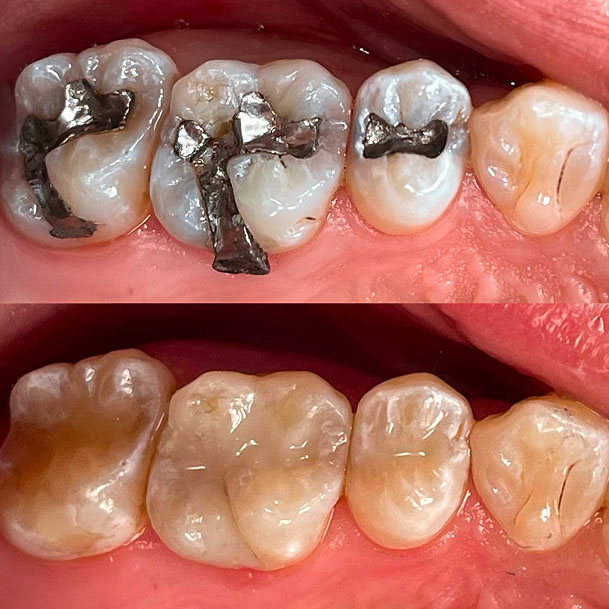
Over time, bacterial acids erode enamel, and persistent gum inflammation can progress from gingivitis to periodontitis, eventually loosening teeth or contributing to tooth loss. Brushing twice a day with fluoride toothpaste and cleaning between your teeth daily disrupts plaque before these problems take hold.
Poor oral health is also linked to several systemic health conditions, though those connections are more complex than saying not brushing directly causes those diseases. In this article, you will learn the effects of not brushing your teeth day by day, what happens when you stop brushing your teeth over the long term, and how to prevent lasting complications with simple daily habits.
Dental Health Problems Caused By Skipping Brushing
The effects of not brushing your teeth show up quickly, and most trace back to the same culprit: plaque. What happens when you don’t clean your teeth is a chain of predictable problems.
- – **Plaque Buildup:** Plaque is a sticky film of bacteria that coats your teeth. It forms within hours of eating and must be brushed away before it hardens.
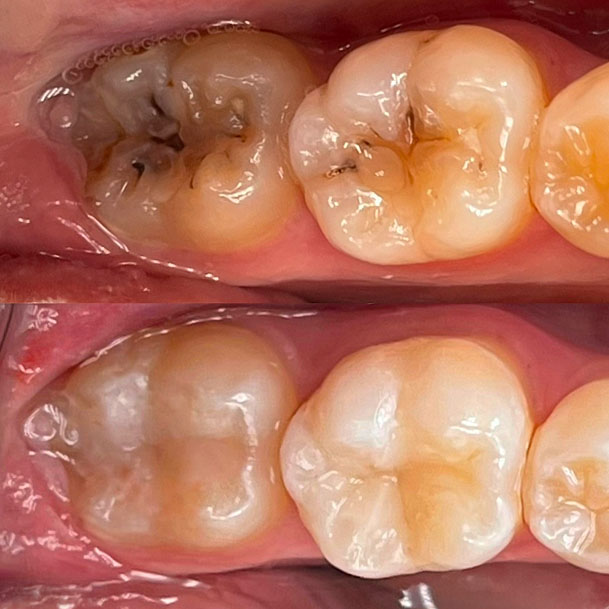
- Cavities: According to the CDC, around 90% of adults aged 20 and older have had at least one cavity. Plaque produces acids that erode enamel and form holes that often need a cavity filling to repair.
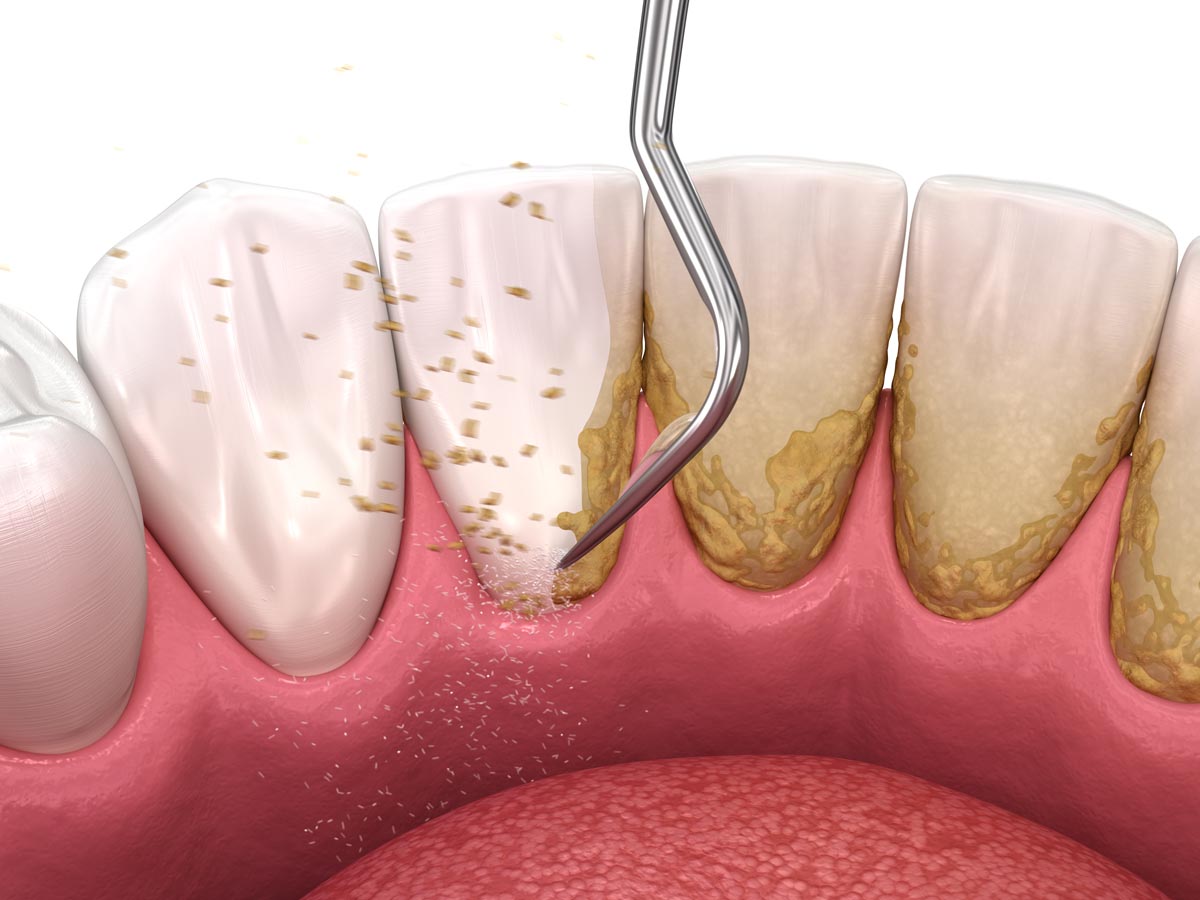
- Periodontitis: If gingivitis, an early form of gum disease, goes untreated, it can advance to periodontitis. At this stage, infection reaches the bone that supports your teeth, often resulting in tooth loss.
- Tooth Decay and Tooth Loss: Ongoing neglect weakens the tooth surface and leads to decay, which can eventually cause teeth to fall out.
- Weakened Enamel: Skipping brushing strips away the enamel’s protection, leaving your teeth sensitive to hot and cold.
What Happens Day by Day If You Don't Brush Your Teeth
Skipping your toothbrush might seem harmless at first. Plaque, though, starts building the moment you stop. Here is what really happens inside your mouth over time, broken down stage by stage.
1. First Three Days
How long can you go without brushing your teeth before damage sets in, and can you go a day without brushing without lasting harm? Missing a single brushing rarely causes lasting damage, but plaque starts calcifying within 24 to 48 hours.
According to Shafer’s Textbook of Oral Pathology, dentin can begin to decalcify in as little as two days. That is roughly how long without brushing teeth before cavity risk becomes measurable, though a visible cavity usually takes several months to develop, and sometimes longer depending on diet, saliva, and how consistently plaque is removed. You may notice a fuzzy feeling on the surface of your teeth, an off-taste, or bad breath, and your gums might look slightly red or irritated.
This early stage of enamel breakdown is not permanent yet. Catch it now, and remineralization can often restore what’s been lost before a cavity forms.
2. One Week
So what happens if you don’t brush your teeth for a week? Plaque becomes visible along the gumline, and you may start bleeding while eating or brushing.
Those are signs of early gingivitis. Breath smells worse, sensitivity climbs, and cavities begin forming as acid wears down the enamel.
3. One Month to One Year
What happens if you don’t brush your teeth for a month? Gum inflammation can worsen and lead to receding gums. Your teeth start to feel loose and unstable.
Bacterial infection can push into deeper gum pockets. You may need a deep cleaning or even minor surgery, and the risk of early periodontal disease rises quickly.
4. Long-Term Neglect (Years)
What happens if you don’t brush your teeth for a year, two years, or longer? Neglect on this scale leads to advanced periodontal disease, which loosens teeth and can cause them to fall out. The long-term effects of not brushing your teeth for years reach well beyond your mouth.
The CDC has linked periodontal disease to chronic conditions such as heart disease, diabetes, and respiratory illness. Some research also connects poor oral hygiene to pregnancy complications such as preterm birth, according to the Talking to Pregnant Women about Oral Health guide.
Other studies point to a link between gum disease and erectile dysfunction, likely tied to the same vascular inflammation. The evidence on both fronts is still developing, but the pattern keeps pointing in the same direction.
What Our Patients Say

11/02/2015


11/02/2015
11/02/2015
I never thought I’d actually look forward to a dentist appointment, but this practice has completely changed the game. From the moment you walk in, the modern decor and calming ambiance make it feel more like a high-end boutique or a spa than a dentist’s office.
Can Your Teeth Actually Fall Out From Not Brushing?
If you don’t brush your teeth, will they fall out? Yes, given enough time. Teeth do not fall out from a handful of missed brushings, but chronic neglect is one of the leading causes of adult tooth loss in the United States, alongside untreated cavities and smoking.
How long does it take for your teeth to fall out from not brushing? A rough progression looks like this: gingivitis can appear within weeks, early periodontitis within a few months to a year, and enough bone loss to loosen teeth typically takes several years of untreated infection. Someone with additional risk factors, such as smoking, uncontrolled diabetes, or a family history of gum disease, can reach tooth loss much faster.
Teeth do not simply fall out on their own. Bacterial infection destroys the ligaments and bone that anchor each tooth to the jaw, and once enough support is gone, the tooth becomes mobile and either falls out or has to be extracted. Catching gum disease at the gingivitis stage is the most reliable way to keep your natural teeth for life.
Dental Plaque Can Be Harmful to Your Heart
Plaque can be hard on your heart. The bacteria in it may slip into your bloodstream and cause inflammation, which contributes to atherosclerosis, a leading risk factor for heart disease.
A large study in the European Journal of Preventive Cardiology found that people who brushed their teeth at least three times a day had a lower risk of atrial fibrillation and heart failure. A steady cleaning routine helps reduce that risk.
For a closer look at how oral bacteria affect cardiovascular health, see our guide on the dental-heart connection.

Health Risks Beyond Your Mouth
Can you get sick from not brushing your teeth? The link is closer than most people realize. Your mouth is home to hundreds of bacterial species, and when you stop brushing, some can travel through the bloodstream and reach other organs.
Poor oral hygiene can raise your risk of:
- Heart problems such as irregular heartbeat or heart failure
- Lung infections, especially in older adults
- Difficulty controlling blood sugar, which can point toward type 2 diabetes
- Effects on memory and thinking; a research review in Current Neurology and Neuroscience Reports noted that inflammatory dental conditions such as periodontitis may contribute to the same inflammation seen in dementia, although a direct causal link has not been proven.
What Bad Teeth From Not Brushing Actually Look Like
You can usually spot the damage long before it hurts. Unbrushed teeth follow a fairly predictable pattern: they lose their shine first, then take on a dull, yellow-to-brown cast, especially near the gumline where plaque gathers.
As buildup hardens into tartar, you may see a crusty ridge along the base of each tooth that a brush can no longer remove. Gums often turn puffy or dark red and pull back from the enamel.
Bad teeth from not brushing can also show chalky white patches, an early sign of enamel breaking down, along with visible chips or small cavities. If any of this looks familiar, it is worth being seen before the damage moves below the surface.
Signs That Your Teeth Are Not Getting Proper Care
Early warning signs are easy to brush off. The trouble usually starts with:
- Gums that bleed when you brush or floss
- Bad breath that will not go away
- Yellow or brown buildup near the gums
- Teeth that feel sensitive or loose
These can point to gingivitis or the early stages of periodontitis. Seeing your dentist regularly helps catch and treat problems before they turn serious.
What Happens to Your Teeth If You Don’t Brush with Braces?
Braces mean you have to be extra careful with your routine. The brackets and wires create small spaces that trap food and allow plaque to build up quickly.
Miss those spots, and you can end up with white spots, staining around the brackets, and cavities.
Poor oral hygiene with braces can also prolong your treatment. Gum infections can affect how teeth move and may prompt your orthodontist to pause or adjust the treatment plan.
To stay on track, use an orthodontic brush with soft bristles. Floss threaders or orthodontic floss make it easier to reach between teeth and around the wires.
Tips to Get Back on Track with Oral Hygiene
If you’ve been inconsistent, here’s how to get back on track with your oral hygiene routine. These steps are recommended by the American Dental Association (ADA) and the CDC:
- Brush twice a day for two minutes with a fluoride toothpaste.
- Floss once daily to clear plaque between teeth.
- See your dentist every six months for cleanings and exams.
- Switch to an electric toothbrush with a timer for a more thorough clean.
- Use a fluoride mouthwash if you are prone to cavities.
- Eat a balanced diet with fresh fruits and vegetables, and cut back on sugar.
- Drink fluoridated tap water when it is available; the CDC estimates community water fluoridation can reduce tooth decay in children by roughly 25 percent over a lifetime.
- Avoid smoking and smokeless tobacco. Both raise the risk of gum disease, tooth loss, and oral cancer, according to the CDC.
- Ask your dentist about dental sealants for cavity-prone back teeth. The CDC reports sealants can prevent about 80 percent of cavities in molars for two years after application, with meaningful protection lasting several years.

Your Mouth Plays a Vital Role in Your Overall Health
Skip brushing, and you put both your teeth and the rest of your body at risk. The fallout reaches from gum disease and bad breath to heart trouble and possible effects on cognition.
Oral hygiene is a small daily habit with an outsized long-term payoff. Brush and floss on a schedule, eat well, and keep up with your dentist. Catching gum disease early is far easier and less expensive than treating it later.
Book your next teeth cleaning at Smile Lab to get the care you need.

Call now to Schedule Your Appointment
At Smile Lab, you will receive comfort focused professional dental care in a supportive
and high-tech environment, ensuring you get the best care possible.