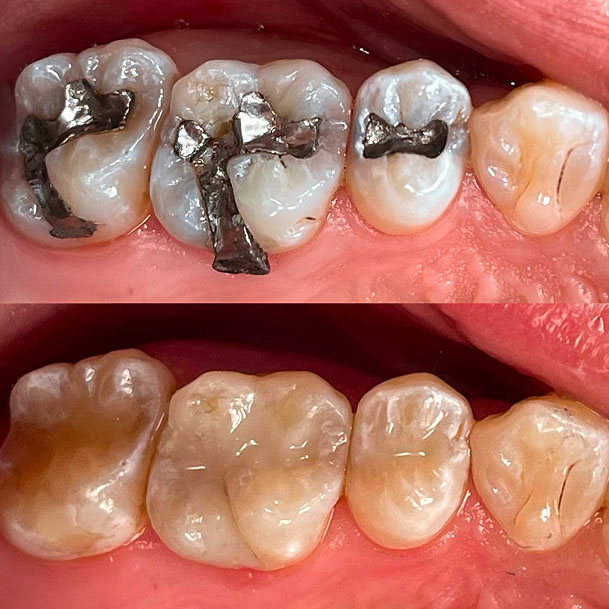

Severe tooth pain, uncontrolled bleeding, facial or jaw trauma, swelling, fever, pus, or a knocked-out tooth can all point to a true urgent dental problem. The most important dental emergency signs are symptoms that affect your ability to eat, sleep, speak, open your mouth, or function normally.
These situations may require immediate attention to relieve pain, control bleeding, prevent the spread of infection, or help save a tooth.
Broken facial bones, trouble breathing, trouble swallowing, or swelling near the eye need urgent medical care, not just a dental visit. For tooth pain, dental injuries, swelling, lost restorations, or suspected infection, Smile Lab in Union Square can evaluate the problem and help you understand the safest next step. Below, you’ll find 12 symptoms you should not ignore and what each one may mean.
Top Picks
- Most urgent sign: A knocked-out adult tooth needs prompt care because the timing can affect whether a dentist can save the tooth.
- The most concerning sign of infection: Facial swelling with fever, pus, or a bad taste may indicate infection.
- Most commonly ignored warning sign: Severe tooth pain that interrupts sleep, eating, or work should be checked.
- Most important first step: If bleeding doesn’t stop, use clean gauze and apply pressure while you contact a dentist.
- When to get medical help: Trouble breathing, trouble swallowing, major facial swelling, or swelling near the eye may need urgent medical care.
How to Tell the Signs of a Dental Emergency
A real urgent dental issue usually involves severe pain, swelling, active bleeding, infection, trauma, or a tooth that has been knocked loose or out. If the problem affects eating, sleeping, speaking, opening your mouth, or getting through your day, call a dentist quickly.
Some dental problems seem small at first, but waiting carries real risks once infection is involved. Pain, swelling, pus, fever, or a bad taste can indicate an infection and should be evaluated to protect your oral health.
12 Dental Emergency Signs and Symptoms
1. Severe Tooth Pain
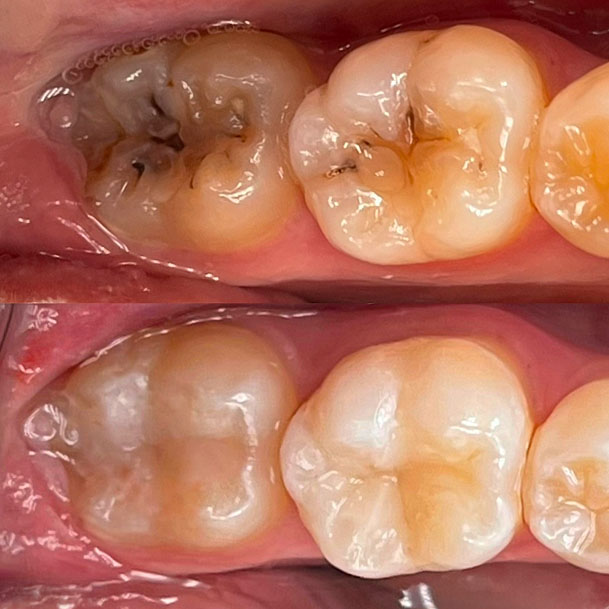
Severe tooth pain that keeps you awake or prevents you from eating may be due to deep decay, nerve irritation, or infection, and knowing how to get fast relief from tooth pain can help while you arrange care.
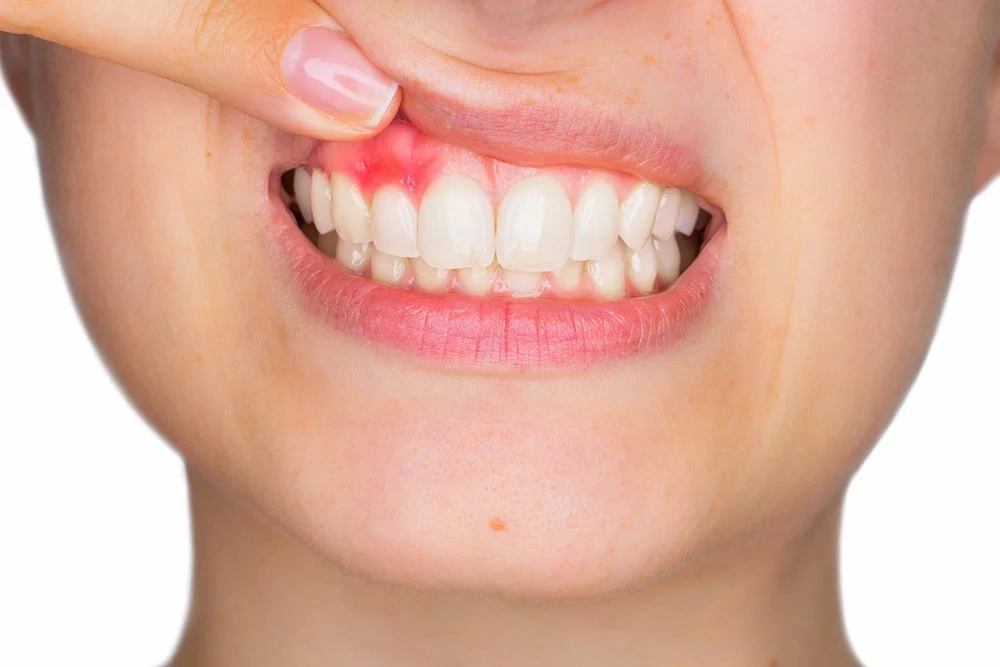
2. Facial or Gum Swelling
Swelling in the gums, cheek, jaw, or face can point to infection or inflammation, especially if you notice a swollen gum around one tooth. Call for care if it spreads or comes with a fever.
3. A Knocked-Out Tooth
A knocked-out adult tooth needs fast action. Hold it by the crown, avoid touching the root, and keep it moist until care.
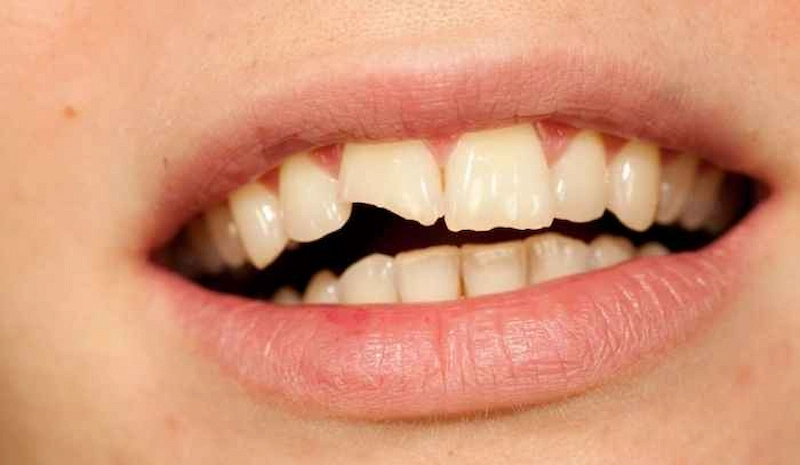
4. A Broken or Cracked Tooth
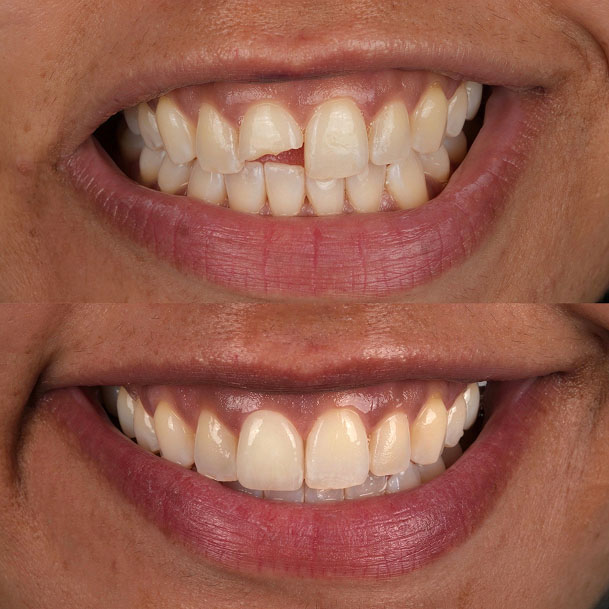
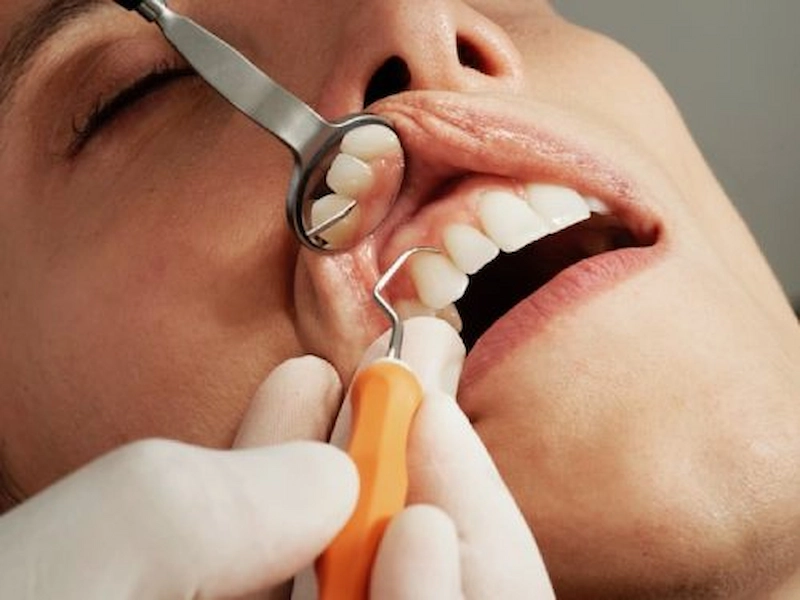
A broken or cracked tooth can expose sensitive inner layers. Even mild pain can worsen if the crack spreads.
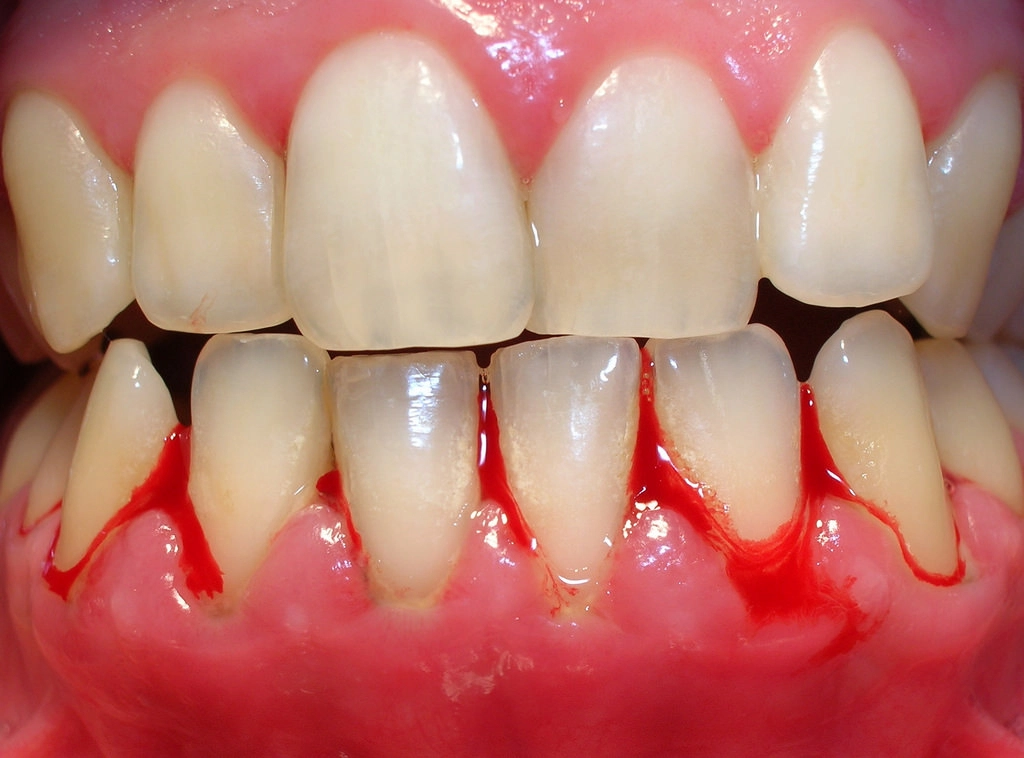
5. Uncontrolled Bleeding
Bleeding after dental injuries, gum trauma, or an extraction needs attention when it does not slow down.
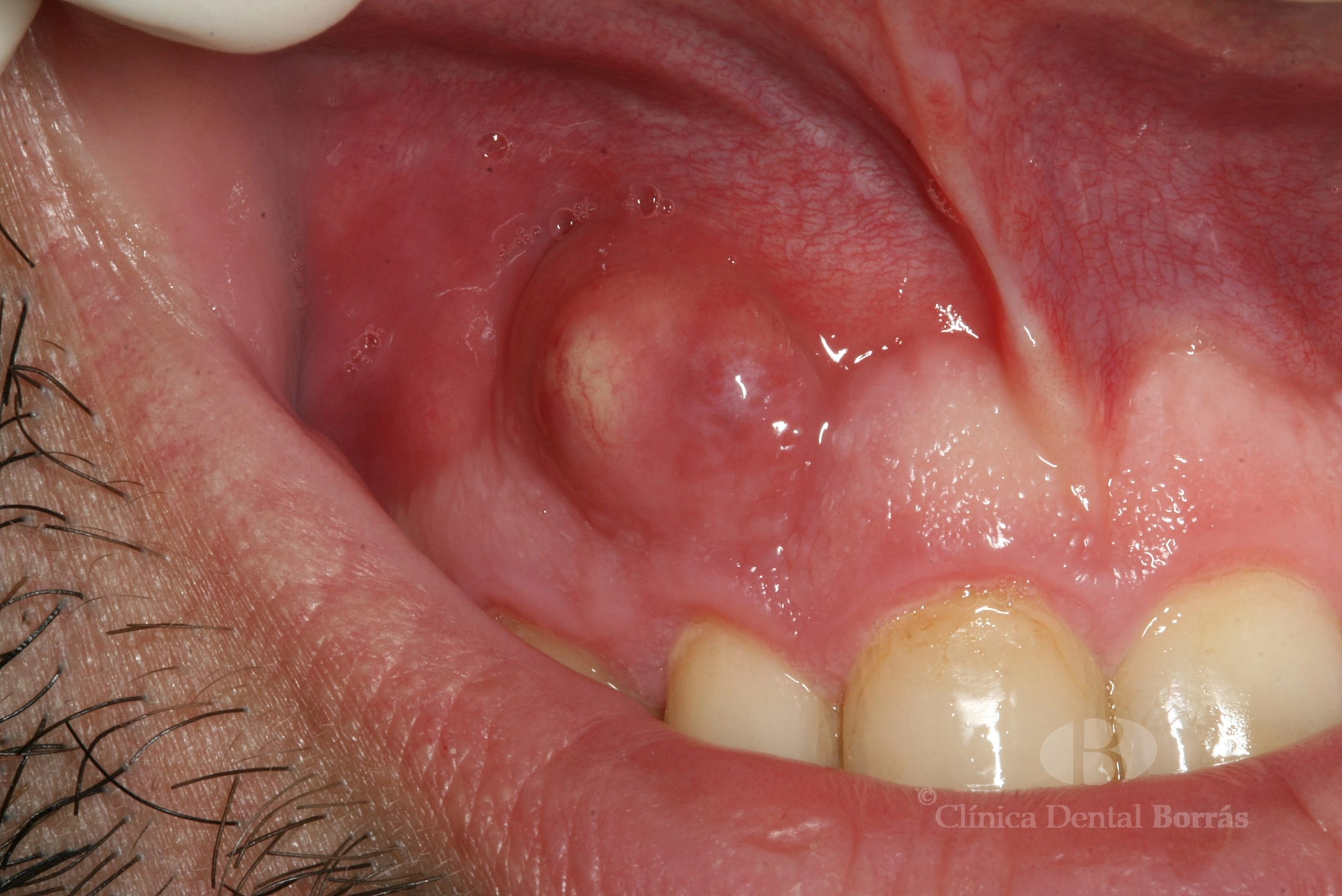
6. Signs of a Dental Abscess
An abscess may cause throbbing pain, swelling, pus, fever, or a bad taste. This type of infection can spread, and in severe cases where a tooth cannot be saved, an emergency tooth extraction may be needed.
7. Loose Adult Tooth
An adult tooth should not feel loose. Trauma, bite damage, bone loss, or gum disease may be involved.
8. Lost Filling or Crown
A lost filling or crown can expose the tooth and trigger pain, sensitivity, or further damage.
9. Jaw Pain or Injury
Jaw pain after a fall, accident, or sports injury may affect the joint, teeth, or bone.
10. Fever With Dental Pain
Fever with tooth or gum pain may mean your body is fighting an infection, especially if swelling is present.
11. Pain When Biting
Pain when biting can point to a cracked tooth, an inflamed nerve, a high filling, or an infection near the root, and each of these causes of bite pain is treated differently.
12. Trouble Opening Your Mouth
Trouble opening your mouth may result from swelling, infection, a jaw injury, or a muscle strain.
When to Go for Emergency Dental Care
You should seek emergency dental care when pain is severe, swelling spreads, bleeding continues, a tooth is knocked out, or trauma changes your bite. Fast care can reduce pain and help prevent the issue from becoming harder to treat.
Same-Day Dental Care
Same-day care may help when symptoms are sudden, painful, or disruptive. At Smile Lab in Union Square, Dr. Waise Ebrahimi evaluates urgent concerns using a conservative approach that, when possible, preserves natural tooth structure.
Weekend Dental Emergencies
If symptoms happen on a weekend, do not wait just because your schedule is busy. Call an emergency dentist in Manhattan, explain your symptoms clearly, and ask whether you should be seen the same day.
When to Seek Medical Help
Go to urgent care or the ER if you have trouble breathing or swallowing, severe facial swelling, high fever, or swelling near the eye.
What to Do Before Care
Keep the area clean and avoid chewing on the painful side. You can rinse your mouth with warm water to clear debris, use clean gauze to apply pressure for several minutes to control bleeding, and apply a cold compress to the outside of your cheek to reduce swelling.
For a knocked-out adult tooth, keep it moist and bring it with you. Do not scrub the root. If you are unsure what to do, our guide to the first steps in a dental emergency walks through each situation, and you can call for guidance before the appointment.
How Smile Lab Can Help
When something feels wrong, you deserve clear answers without judgment. Smile Lab uses a thorough exam and low-radiation digital imaging, when needed, to determine the cause of pain, swelling, or dental injuries.
Dr. Waise Ebrahimi, DDS, trained at UCSF and focuses on preventative, conservative dentistry that protects long-term function. If you are unsure whether your symptoms need attention, Schedule Your Visit and get guidance that fits your situation.