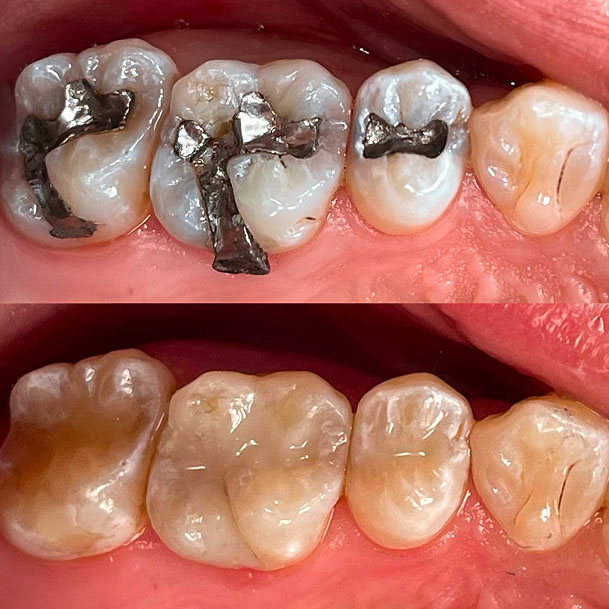
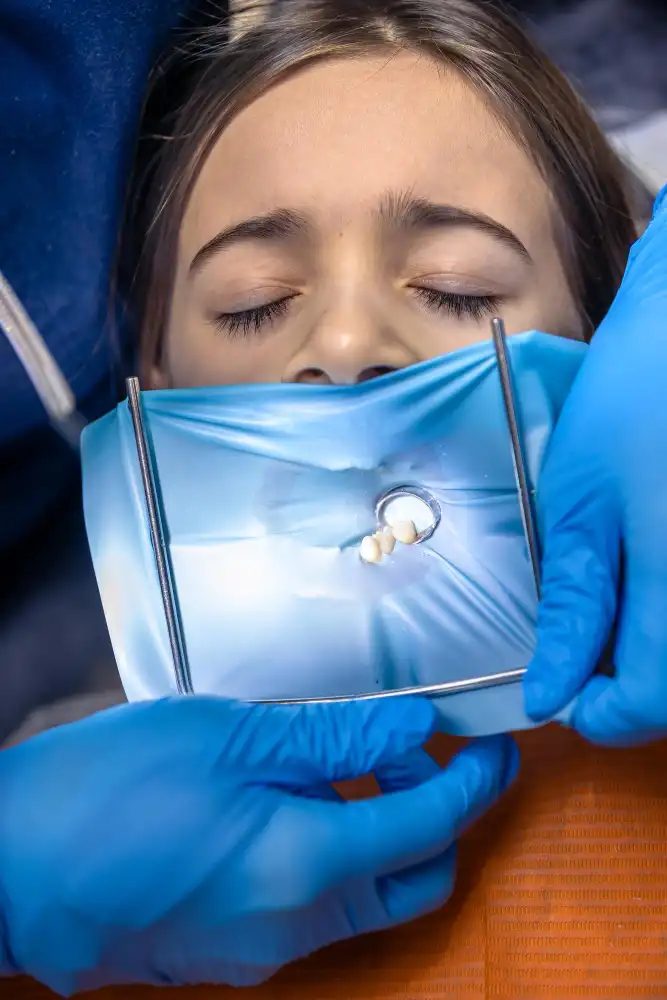
Other common signs that my dentures need repair include broken or missing teeth, loose clasps, clicking, jaw discomfort, persistent bad breath, or a sudden change in fit.
Even if a denture is dropped without visible damage, a dentist should check it, because small fractures or shape changes may not be obvious. A loose fit can also develop as the gums and jawbone change over time, which may mean the denture needs relining rather than simple repair. If your dentures cause bleeding, ongoing sores, pain, or difficulty eating, book a dental evaluation instead of trying to fix them at home.
Dentures restore your smile and support everyday comfort, but they do not stay perfect forever. Physical damage, such as cracks, chips, or a broken clasp, is just as common as a fit problem. Catching either one early keeps a small issue from turning into gum irritation or a bigger oral health concern. If you are not sure when or how to repair denture damage, this guide walks you through every warning sign and what to do about it.
Why Timely Denture Repair Matters
A damaged plate does more than affect your appearance. It can also work against your oral health.
When a set no longer fits properly, it can rub against your gums and cause sores or infections. According to the American Dental Association, poorly fitting dentures can cause a range of problems, including sores and infections, and the signs of poor denture fit tend to get worse the longer they are ignored.
The most common side effect of dentures that have drifted out of alignment is constant irritation, followed by trouble chewing, which can affect your nutrition. Addressing denture problems early protects your health and prevents future complications.
What Our Patients Say
EXCELLENT Based on 2276 reviews
 Posted on Google
 Jou Min Chen (Jumin)I've been taking all my treatments over here for over a year now and so far I'm pretty satisfiedPosted on Google
 nikhil keswaneyDr basseri was amazing he took into account my fiances anxitey i to account and performed the filling even after hours he definitely earned 2 permenant patients.Posted on Google
 AkusaBeautiful experience! For my first dental visit- I had a smooth experience. Everyone was super nice. From the dentist, to the receptionist… all of the above.My teeth feels amazing. Super patient and explains everything clearly. I recommend, and I will definitely be back!Posted on Google
 Brynden FosterThis team is so helpful and kind! I always feel like a VIP coming for my cleaning and I couldn’t recommend them more.Posted on Google
 bhanu dattastaff was very helpful and they explained the procedure and payment options in a friendly wayPosted on Google
 Robina ShieldsMy experience with Smile Lab Dentistry Union Square "Wonderful", right down to the teeth cleaning.. that will make a person smile.Posted on Google
 Peter ChauLove coming here as a patient. Everyone here is super nice and thorough. I had my wisdom teeth done here which was an excellent experience. I now commute all the way to the city just to get my regular check ups here because it’s worth the trip. Also, I never had a hygienist floss my teeth before this place
Improve your smile today
Top Signs You May Need to Repair Dentures
Some of these signs point to a fit problem, others to physical damage, and a few can mean either one. The denture alignment signs below cover both, so you can work out which one you are dealing with before you call.
1. Your Dentures Feel Loose or Slippery
A plate that slides while you talk or eat has usually lost its seal. Your ridge changes as bone and gum tissue shrink, which affects how securely everything sits.
A loose fit can also make a set look crooked or off-center. Crooked dentures usually need a simple relining or adjustment. Ignoring it can cause sore spots and even throw off your jaw alignment.
2. You See Visible Cracks or Chips
Cracks and chips often come from a drop or from biting into hard food. Even a hairline crack can grow over time and weaken the whole structure.
Fix broken dentures as soon as possible. Delaying repair can turn a small crack into a full fracture that costs more and takes longer to fix.
3. Pieces Are Missing or Broken Off
When a false tooth or a clasp breaks off, it changes how well the appliance fits and works. Denture teeth carry your entire bite, so losing one pushes extra pressure onto the rest of the arch.
Avoid patching it yourself with glue or other tools, since that can cause more damage or hurt your mouth. The safest route is a professional repair, which keeps the piece secure and comfortable.
4. Your Mouth Feels Sore or Uncomfortable
A settled set should never cause pain. If you feel pressure, sore spots, or constant irritation, the fit has likely changed. This often happens after weight loss or changes in gum tissue.
Wondering how to tell if your dentures are too big? Bulky, ill-fitting plates slip, pinch, and leave pressure marks along the gum line. A lower denture rubbing the bottom inside gum tissue is a frequent complaint, since the lower arch has far less surface area to grip.
A good set should never cause pain. If you feel pressure, sore spots, or constant irritation, the fit has likely changed. This happens often after weight loss or shifts in the gum tissue.
Wondering how to tell if your dentures are too big? Bulky, ill-fitting plates slip, pinch, and leave pressure marks along the gum line. Ignoring that can lead to inflammation or open sores.
5. Your New Set Still Hurts After the First Few Weeks
My new dentures are killing me is one of the most common things patients say in the first month, and some of that discomfort is expected. The American Dental Association notes that a new set may feel awkward for a few weeks, and that minor irritation or soreness is not unusual while your cheek and tongue muscles learn to hold everything in place.
So do dentures ever feel normal? For most people, yes. The ADA’s own guidance is that it takes a few weeks for your cheek and tongue muscles to adjust. Pain that keeps getting worse instead of easing, rather than gradually settling, points to a fit problem rather than a normal break-in period.
6. You Notice Difficulty Chewing or Speaking
A misaligned set can make chewing or speaking harder than it should be. Damaged or poorly fitting plates interfere with your bite mechanics and your speech.
Sometimes structural damage or base warping is to blame, which calls for a quick evaluation and false teeth repair to restore normal function.
7. Your Dentures Look Stained, Warped, or Worn Out
Do dentures wear down? Yes. Acrylic teeth flatten after years of chewing, and once the biting surfaces lose their shape, your jaw works harder to break down food.
Discoloration, surface wear, or visible bending may indicate the appliance has reached the end of its useful life. These signs suggest the material is absorbing bacteria, losing its shape, or simply aging. A professional cleaning and assessment shows whether a repair or a replacement makes more sense.
8. Bad Odors, Taste, or Red Patches That Will Not Go Away
Persistent bad breath or a foul taste can indicate bacterial buildup in tiny cracks or porous spots in the material.
Red, swollen tissue underneath the plate may be denture stomatitis, a yeast infection tied to poorly fitted appliances and to wearing a set around the clock. StatPearls puts its incidence at up to 65 percent of denture wearers, making it one of the most overlooked reasons to check fit.
If a thorough cleaning does not help, those odors may signal a deeper structural issue or material breakdown.
9. You Reach for Adhesive More Than Once a Day
Adhesive is meant to add confidence to a plate that already fits, not to prop up one that does not. The American Dental Association is direct: adhesives are not a remedy for an ill-fitting denture, and needing them more than once daily is a red flag that the appliance should be relined or replaced.
Leaning on adhesive also hides the underlying problem while your gums keep absorbing the pressure.
10. Your Face Looks Different
A set that no longer fits can change how your face looks. Sunken cheeks, a shortened lower face, or a bite that sits differently than it used to are all signs the appliance has lost its proper support.
A well-fitted plate holds up your facial structure. When the fit drifts, that support slips too, which is a clear cue for a realignment.
11. You Feel Jaw or Facial Pain
Every time you eat or talk, your jaw and facial muscles work with the appliance, and a poor fit forces them to work harder.
That extra strain leads to muscle soreness and aching. A realignment restores the normal spread of pressure across your jaw and eases the pain.
What Causes Denture Damage?
So what causes dentures to break? Most damage traces back to a handful of everyday habits, and knowing them helps you head off problems before they start.
Accidental Drops
Dropping a plate is the most common cause of sudden cracks or breakage. Fill the sink with water or lay a folded towel down before you handle your set over a hard surface.
Harsh Cleaning Methods
Strong products like bleach or boiling water weaken the material over time. Hot water is the bigger offender, since heat softens acrylic just enough to change its shape permanently, and a warped base will never seat correctly again. Building denture care into a gentle oral hygiene routine protects both your natural teeth and your denture material.
Soaking and Storage Mistakes
Most sets need to stay moist overnight, so soaking in cool water or a denture cleanser is standard care. What happens if you leave your dentures in water for more than 12 hours? Plain water alone will not hurt them over a long soak, but water left standing for days grows bacteria, and metal clasps on a partial can corrode under constant immersion.
Change the solution daily, rinse before you put the set back in, and never soak in hot water or anything containing bleach.
Changes in Your Mouth
Natural shifts in jaw structure or gum recession slowly change how well everything fits. If you still have some natural teeth, regular teeth-cleaning appointments help your dentist catch these shifts early, often before you notice a change in fit.
Wear and Tear Over Time
Daily use and aging, especially after five to seven years, wear the material down. Chewing forces grind the biting surfaces flat long before the pink base looks worn, so a set can feel wrong while still looking fine.
Leaving Them Out Too Long
And what happens if you don’t wear your dentures at all? Long gaps without them let your gums and ridge settle and change shape, so the set can feel tight or loose when you put it back in and may need an adjustment.
What to Do If You Notice Damage: Do Not DIY!
Reaching for a drugstore denture repair kit to fix cracked dentures at home is tempting, but it usually creates bigger problems. Many store-bought adhesives and patch kits are not safe for your mouth. They can warp the material or make a proper repair harder later.
Filing or sanding is just as risky. Can dentures be sharpened or reshaped at home when the biting edges go flat? No. Reshaping worn teeth is a lab procedure that must keep your bite balanced across both arches, and filing one spot throws the rest out of line.
The better option is to let a professional handle it. They have the right tools and materials to fix the appliance safely and correctly.
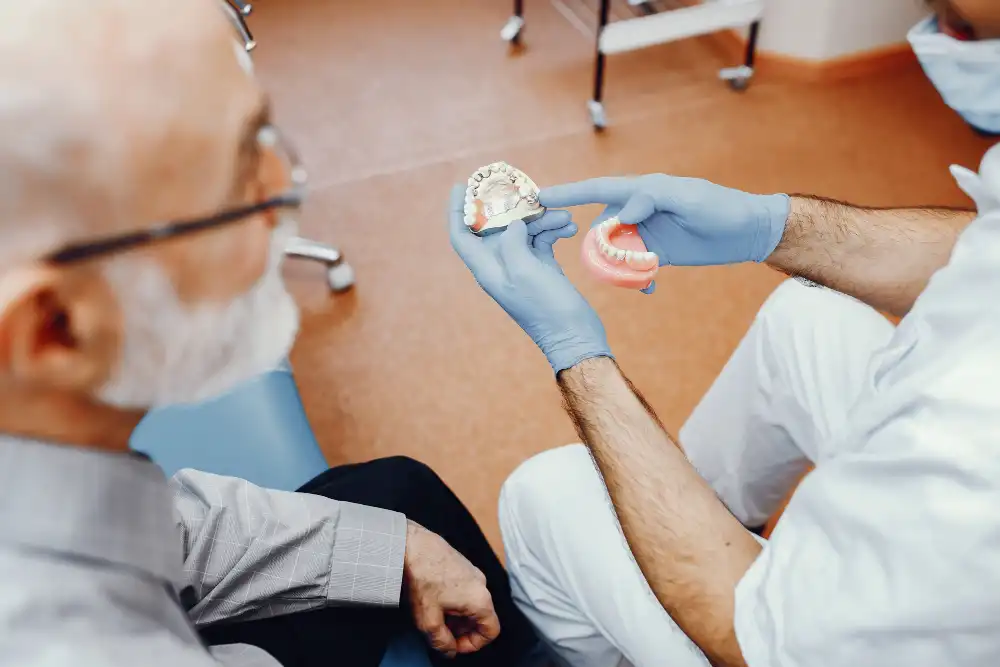
How a Dentist Restores the Fit
Not every fit problem means starting over, and the cost varies by route, so it’s worth weighing against typical dental costs in NYC before you commit. Depending on the condition of your set, a professional usually recommends one of three routes. Here is how they compare.
| Option | Best for | What it involves | Typical cost |
|---|---|---|---|
| Reline | A loose fit from gum or ridge shrinkage, when the appliance itself is still sound | New base material added so the plate hugs your gums again; often done in one visit | Lower cost fix |
| Repair | Cracks, chips, or a broken clasp or false tooth | Professional bonding or replacement of the damaged part | Varies with the damage |
| Replacement | Repeated breaks, heavy wear, or a fit that adjustments no longer correct | A new custom set built to your current mouth | Partial $2,500–$3,000; full or immediate $2,800–$3,100. Final cost depends on the scope of the case. |
Soft, Hard, and Temporary Relines
Relining reshapes the underside of the plate so it seats against your gums again. The teeth and the visible pink surface stay exactly as they are; only the tissue side gets new material. Which type you get depends on the state of your gums.
Many issues get corrected with a reline or repair, but some sets are past saving. If bone loss is significant, implant-supported dentures are worth discussing as a more stable long-term option. Signs a new one may be necessary include:
- Multiple cracks or repeated breakages
- Constant discomfort despite adjustments
- Noticeable shrinkage or deformation
| Reline type | Material | Best for | Visits |
|---|---|---|---|
| Soft | Pliable, cushioned liner | Sensitive gums, flat ridges, anyone who has struggled to settle into a set | Usually one |
| Hard | Same acrylic as the denture base | Healthy gum tissue and a longer-lasting result | Often more than one, lab work involved |
| Temporary | Tissue conditioner | Calming inflamed tissue or holding a fit while you wait for a permanent fix | One, repeated as needed |
Soft relines don’t need lab time, which is why they’re the faster fix when your gums are the sensitive part of the problem rather than the base. Hard relines take longer because the material has to be processed off-site, but the trade-off is a reline that holds its shape for years instead of months.
Temporary or conditioning relines are a short-term fix. Your dentist uses one to calm inflamed tissue or to hold a fit steady while you wait for a permanent solution, rather than committing to a soft or hard reline before your mouth has settled.
How Often Should Dentures Be Relined or Replaced?
Fit changes gradually, so most people don’t notice until something hurts. The ridge under a full denture keeps shrinking for years after tooth loss, which is why the fit drifts even when the appliance itself is sound.
There is no fixed calendar interval for replacing a denture. The American College of Prosthodontists publishes a position statement with specific red flags dentists use instead: chronic irritation under the base, needing adhesive more than once a day, a denture that no longer matches your remaining teeth, visible cracking or degradation, or a denture that has passed the five year mark. Any one of these is a reason to have the fit evaluated, not a signal to wait for a set number of years to pass.
An annual check is the practical answer regardless. Your dentist can spot ridge shrinkage and flattened biting surfaces long before you feel them.
When Is It Time for a Replacement?
Most fit problems can be corrected with a reline or repair, but some sets are genuinely past saving, and patients weighing that route often ask whether same-day dentures are a realistic option. Replacement makes more sense than another adjustment when you see:
- Multiple cracks or repeated breakages
- Constant discomfort despite adjustments
- Noticeable shrinkage or deformation of the base
- Teeth worn flat enough that your bite has collapsed
- Relines that stop holding within months
If bone loss is advanced, implant-supported dentures are worth discussing as a more stable long-term option, since they anchor to the jaw instead of resting on a ridge that keeps changing.
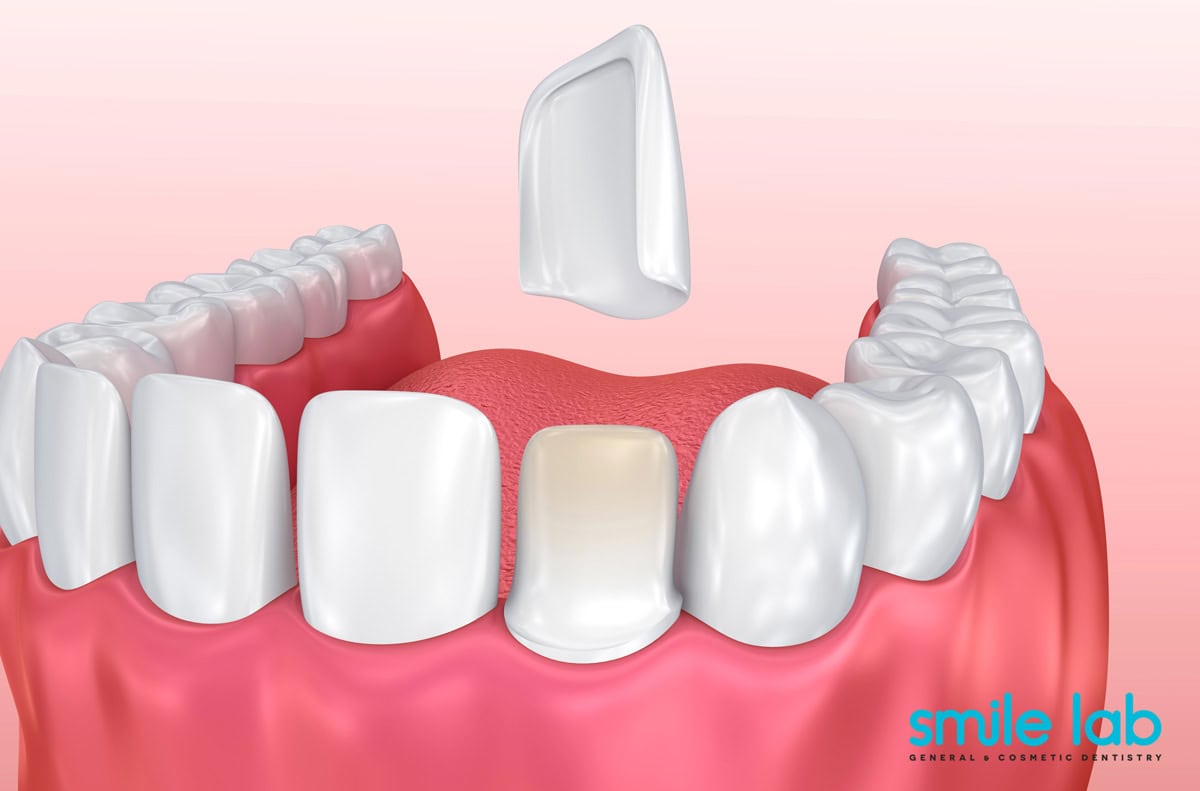
How Smile Lab in NYC Can Help You Fix Your Dentures
At Smile Lab, patients get high-quality denture care that pairs advanced technology with personal attention. The team starts with a thorough assessment to quickly pinpoint the cause of the problem.
Using modern tools like high-tech imaging and digital modeling, the team builds a solution that fits your mouth with precision and comfort.
For minor repairs, same-day service is often available, so you are not stuck waiting to get back to your routine. If a denture breaks right before an event or a meal, the same emergency dental care team can often see you the same day.
Call now to Schedule Your Appointment
At Smile Lab, you will receive experienced & professional dental implant services in a supportive
and high-tech environment, ensuring you get the best care possible.
Or
Complete The Form Below
Final Thoughts
Your dentures play a key role in your daily comfort, confidence, and health. Knowing the signs of trouble and acting early saves you from unnecessary pain and costly replacements. If your set feels loose, looks worn out, or no longer sits right, don't ignore the warning signs.