If you’re on this guide, it’s likely that you’re questioning if your gums are still healthy. Unfortunately, there’s a high chance they’re not! Nearly half of Americans over the age of 30 suffer from periodontitis according to a study done by the American Dental Association.
If you feel like you may be experiencing some similar symptoms to periodontitis, we suggest seeking professional help first and foremost.
However, if you want to be sure beforehand, this article will guide you through all the ins and outs of periodontal disease, its treatment as well as its symptoms.
What is Periodontal Disease?
Periodontal disease, also known as gingivitis or periodontitis is an incredibly painful gum condition that progressively weakens the supporting structure of your teeth.
The earlier stages of periodontal disease, commonly referred to as “gingivitis”, are barely noticeable if you’re unaware of the symptoms. However the more the disease spreads, the more painful it becomes, eventually leading to swollen, reddish and tender gums that can bleed easily.
In more extreme cases gums can start to peel off of your teeth, exposing your teeth and allowing the infection to spread. Eventually, it can lead to tooth loss or even bone damage.
Understanding warning signs of gum disease early can save you a lot of pain and frequent visits to the dentist.
Improve your Smile
How to Tell If You Have Healthy Gums
If you’re worried you may develop periodontitis, a good way to notice irregularities is to know what healthy gums look like. Healthy gums will mostly appear pale pink, firm and fit snugly around your teeth.
If you notice discoloration or bleeding when brushing your teeth, there’s a solid chance it’s a sign of early gum disease or gingivitis. You can even double-check by comparing pictures of healthy gums against diseased gums.
If you notice any bleeding, swelling or reddish color in your gums, it’s important to consult a dentist or periodontist as soon as possible.
What Our Patients Say
EXCELLENT Based on 2276 reviews
 Posted on Google
 Jou Min Chen (Jumin)I've been taking all my treatments over here for over a year now and so far I'm pretty satisfiedPosted on Google
 nikhil keswaneyDr basseri was amazing he took into account my fiances anxitey i to account and performed the filling even after hours he definitely earned 2 permenant patients.Posted on Google
 AkusaBeautiful experience! For my first dental visit- I had a smooth experience. Everyone was super nice. From the dentist, to the receptionist… all of the above.My teeth feels amazing. Super patient and explains everything clearly. I recommend, and I will definitely be back!Posted on Google
 Brynden FosterThis team is so helpful and kind! I always feel like a VIP coming for my cleaning and I couldn’t recommend them more.Posted on Google
 bhanu dattastaff was very helpful and they explained the procedure and payment options in a friendly wayPosted on Google
 Robina ShieldsMy experience with Smile Lab Dentistry Union Square "Wonderful", right down to the teeth cleaning.. that will make a person smile.Posted on Google
 Peter ChauLove coming here as a patient. Everyone here is super nice and thorough. I had my wisdom teeth done here which was an excellent experience. I now commute all the way to the city just to get my regular check ups here because it’s worth the trip. Also, I never had a hygienist floss my teeth before this place
Improve your smile today
Symptoms of Periodontal Disease
Periodontal disease is a serious gum disease that can lead to tooth decay, tooth loss and even bone damage.
Here are six signs to help you catch gum disease early and protect yourself from a lifetime of discomfort:
1. Bleeding Gums When Brushing or Flossing
One of the most common and earliest signs of periodontal disease is bleeding gums. If you’ve noticed that your gums tend to bleed while flossing, it’s likely a sign of early-stage gingivitis.
But what’s even more concerning is if your gums start to bleed while brushing, this may indicate more advanced periodontitis.
2. Red, Swollen, or Tender Gums
If the bacteria responsible for gingivitis is allowed to spread, it can cause severe inflammation in your gums.
Swollen gums usually look dark red instead of your natural pinkish colour and will be sensitive to the touch. This condition can worsen into creating deep pockets around your teeth so it’s good to catch it early.
3. Chronic Bad Breath
While occasionally having bad breath is a natural phenomenon, if you struggle with chronic bad breath that doesn’t go away with brushing or mouthwash, it could be an indicator of periodontal disease.
4. Sensitivity to Hot and Cold
Later stages of periodontal disease can cause gum erosion, thereby exposing the root of your teeth and leading to sensitivity. If you experience extreme pain and discomfort while eating hot or cold foods, it might indicate deteriorating gum health.
5. Loose Teeth in Adults
If you notice any kind of change in how your teeth fit or widening gaps between them, it can be an incredibly dangerous sign.
Loosening or shifting teeth only appear in later and more extreme cases of periodontal disease. Addressing issues like this early can help protect the structure of your teeth and prevent tooth loss.
6. Receding Gums
Another telltale sign of advanced gum disease is receding gums. If you’ve noticed that your teeth somehow look longer than before, it’s not just your imagination, your gums may be pulling back and exposing more and more of your teeth.
Improve your oral health today!
Stop waiting! Call now to schedule your Periodontal Consultation at Smile Lab
Periodontitis Treatment at Home
Treatment and prevention for any gum disease start at your home and with your dental habits. Managing plaque build and keeping up good dental hygiene can be crucial in preventing periodontal disease.
Some good habits to keep up with are:
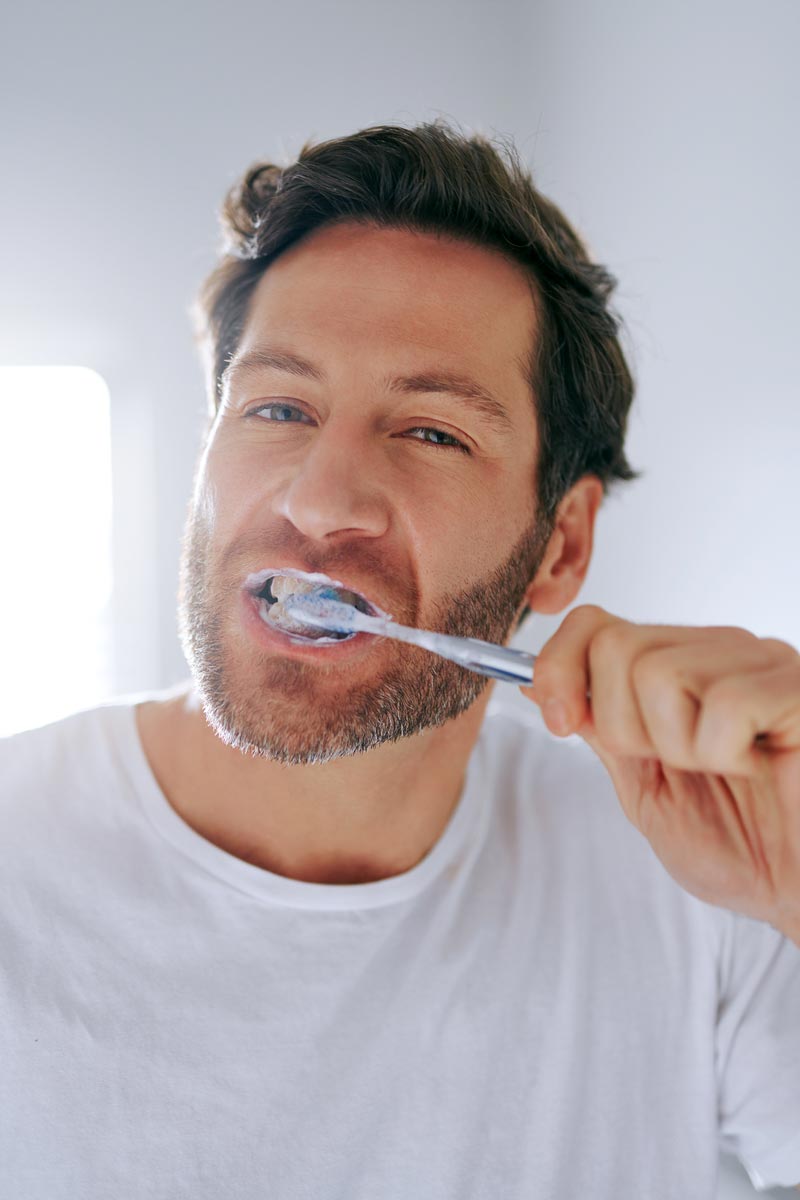
- Brushing your teeth thoroughly twice a day for at least two minutes using a soft bristle brush.
- Using fluoride toothpaste.
- Brushing every single part of your teeth and replacing your toothbrush every three to four months.
- Daily flossing— flossing can get rid of plaque buildup and food particles that are difficult to reach.
- Rinsing with antiseptic mouthwash.
- Avoiding shared toothbrushes, as bacteria can transfer between individuals.

Best Practices for Healthy Teeth and Gums
While keeping up basic dental hygiene can make a world of difference, There are some more daily practices that you can maintain to help upkeep your dental health, including:
- Quitting Smoking: Smoking can severely damage your gums, smokers are seven times more likely to develop gum disease.
- Limiting Alcohol Intake: Too much daily alcohol intake leads to dry mouth which increases bacterial growth.
- Following a Nutritious Diet: Include fruits, vegetables and lean proteins in your diet. A good diet can help boost your immune system and protect against inflammation.
- Staying Hydrated: Consuming a good amount of water can help flush out persistent bacteria and food particles.
- Managing Chronic Conditions: Chronic conditions like sugar can increase the risk of gum disease so be sure to work closely with your doctor to maintain good health.
Treatment for Periodontal Disease
If you suspect you have periodontal disease, your periodontist will assess its severity and recommend an appropriate treatment plan. Treatment options may include:
- Gum Grafts: Severe gum recession may require a gum graft to restore lost tissue and improve gum health. This procedure covers exposed roots and prevents further damage.
- Bone Grafting: In cases where periodontitis has led to bone loss, a bone graft can reinforce the jawbone and support existing teeth. This is often necessary before receiving dental implants.
- Scaling and Root Planing: Commonly known as a “deep cleaning,” this non-surgical procedure removes plaque and bacteria from below the gum line. Smoothing out rough tooth surfaces allows the gums to reattach and heal properly.


Gum Disease Prevention
With proper oral care, gingivitis can be reversed, and gum disease can be controlled before it worsens. The key to prevention includes:
- Brushing Twice Daily: Use fluoride toothpaste and a soft-bristled toothbrush. Replace your toothbrush every three months to ensure effectiveness.
- Flossing Every Day: Flossing removes debris and plaque buildup in areas your toothbrush can’t reach. It’s crucial for preventing bacterial growth between teeth.
- Using Antibacterial Mouthwash: Mouthwash can help kill bacteria and freshen your breath. Look for options that prevent plaque buildup and gingivitis.
- Managing Stress: Stress weakens your immune system, making it harder to fight infections, including gum disease.
- Avoiding Teeth Grinding and Clenching: Excess pressure on teeth can accelerate gum tissue loss. If you grind your teeth at night, a custom mouth guard may help.
Improve your smile today
Take control of your Gum Health Today!
Recognizing the symptoms of periodontal disease early can help prevent long-term complications, including tooth and bone loss. By maintaining good oral hygiene habits, seeking regular dental care, and making lifestyle adjustments, you can protect your gums and overall health.
Lastly, if you’re experiencing any symptoms of gum disease, don’t wait, schedule a consultation with a periodontist today to take control of your oral health before the condition progresses further.
Call now to Schedule Your Appointment
At Smile Lab, you will receive experienced & professional periodontal services in a supportive
and high-tech environment, ensuring you get the best care possible.