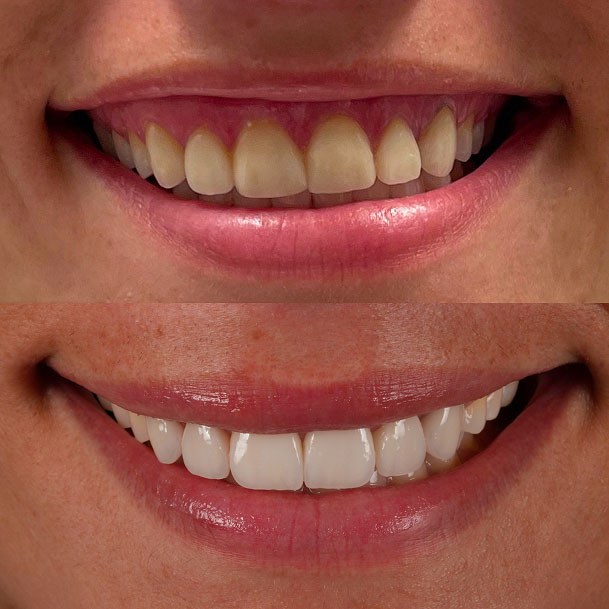
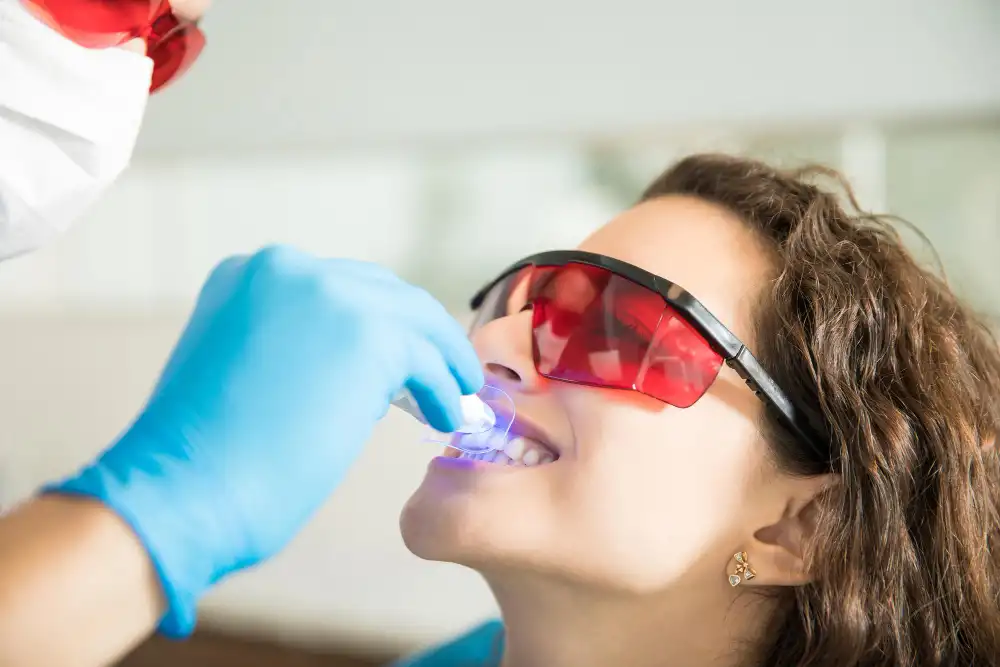
The procedure places tissue from the roof of the mouth, nearby gum tissue, donor tissue, or another grafting material over the affected area and secures it with sutures.
Most patients feel noticeably better within 1 to 2 weeks, while fuller tissue healing takes several weeks. Possible risks include bleeding, swelling, infection, graft failure, or an uneven gumline. Cost depends on the graft type, the number of teeth treated, anesthesia, location, and whether donor tissue is used.
What Is a Gum Graft?
A gum soft tissue graft, also called a gingival graft or a gum tissue graft, replaces tissue that has been lost around a tooth. A periodontist places healthy material over an exposed root and secures it in place while the area heals.
You may hear the same treatment described as gum surgery, gingival grafting, a gum transplant, or periodontal plastic surgery. Some people search for a skin graft on gums, but no skin is involved; the material is oral soft tissue or a tissue substitute made specifically for the mouth.
The material may come from the roof of the mouth, a licensed donor source, or a compatible synthetic product. The provider selects the source based on tissue thickness, treatment goals, and the size of the affected area.
This form of dental tissue grafting can add thickness, cover part or all of an exposed root, and create a stronger margin around the tooth.
It does not replace missing bone or treat an active infection on its own. Control periodontal disease and inflammation before surgery.
Types of Gum Graft Surgery
Gum grafts differ in where the tissue comes from and what the procedure is meant to achieve.
A periodontist may combine gum tissue grafting with a flap or tunnel technique to support root coverage and tissue stability.
1. Connective Tissue Graft
This common method is often used to cover exposed roots.
The surgeon creates a small opening in the palate, removes a thin layer of connective tissue from beneath the surface, and closes the donor site.
The tissue is then positioned over the recession and secured with sutures. It often provides a close color match and predictable root coverage.
2. Free Gingival Graft
This method uses a thin piece of surface tissue taken directly from the palate.
It is often selected when the main goal is to increase tissue thickness rather than completely cover an exposed root.
The donor area may feel sore during healing. A protective dressing may be placed over it for comfort.
3. Pedicle Graft
A pedicle graft uses soft tissue next to the affected site.
The surgeon partially releases a flap, moves it over the exposed root, and keeps one edge attached to preserve blood flow.
This option requires enough healthy tissue near the recession. It avoids a separate palatal donor site but is not suitable for every patient.
4. Donor or Synthetic Tissue
Donor tissue from a licensed tissue bank is called an allograft. Allograft gum surgery avoids removing tissue from the palate, which means only one surgical site needs to heal.
An artificial gum graft uses a manufactured collagen matrix rather than human tissue. Synthetic options are often considered when several areas need treatment or when a patient wants to avoid a palatal donor site.
The American Academy of Periodontology outlines the surgical procedures used to treat gum recession, including grafting with donor and substitute materials. A 2021 review in the International Dental Journal on treating gingival recession compares how technique selection affects predictability.
| Technique | Tissue source | Second surgical site | Typically chosen for | Effect on cost |
|---|---|---|---|---|
| Connective tissue graft | Beneath the surface of the palate | Yes | Root coverage with a close color match | Higher: two sites, longer chair time |
| Free gingival graft | Surface of the palate | Yes | Adding tissue thickness rather than full coverage | Moderate: two sites, shorter procedure |
| Pedicle graft | Gum tissue next to the affected tooth | No | Cases with enough healthy adjacent tissue | Lower: one site, no material fee |
| Allograft (donor tissue) | Licensed human tissue bank | No | Several teeth, or avoiding a palatal wound | Varies: no harvest, but a material fee applies |
| Artificial or synthetic graft | Manufactured collagen matrix | No | Multiple sites, or patients declining donor tissue | Varies: material fee replaces harvest time |
5. Gum Graft Front Teeth: Treatment Considerations
Treatment on front teeth often has both protective and cosmetic goals.
The periodontist considers root coverage, color, thickness, symmetry, and smile-line position.
Complete coverage is not possible in every case. The expected result depends on recession depth, remaining bone support, root shape, and previous treatment.
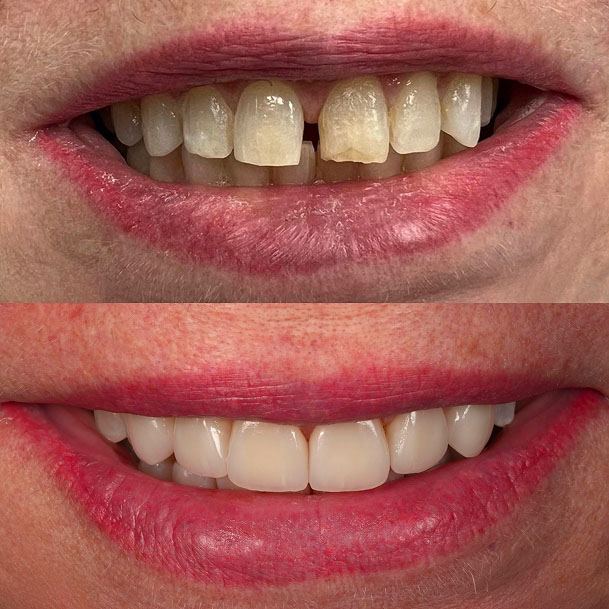
Patients weighing cosmetic options like porcelain veneers for the same teeth should coordinate timing with their periodontist, since graft healing affects the final gumline the veneer is fitted around.
6. Treating Several Teeth at Once
Several adjacent sites can sometimes be treated during one appointment.
One donor area may supply enough tissue for more than one tooth, or the provider may use donor material to avoid creating a larger palatal site.
Treating multiple areas can increase procedure time and recovery needs. The provider should explain which locations can be treated together and whether staged care would yield better results.
What Our Patients Say

11/02/2015


11/02/2015
11/02/2015
Gum Graft Recovery Timeline
Healing progresses in stages. Swelling and soreness usually improve during the first week, while the graft continues to mature after you resume normal activities.
Cleveland Clinic reports that general recovery often takes one to two weeks, though full healing may take longer.
Follow your surgeon’s instructions over general online guidance. Brushing, rinsing, diet, and medication plans may differ based on the technique used.
First 24 Hours
- Rest and keep activity light.
- Some oozing, swelling, and soreness are expected. Apply cold compresses if instructed.
- Choose cool, soft foods such as yogurt, applesauce, eggs, or lukewarm soup.
- Avoid straws, smoking, alcohol, hot foods, and anything that could pull on the surgical site.
- Do not brush or floss the treated area. Use any prescribed rinse and medication exactly as directed.
Days 2 Through 7
- Swelling may peak during the first three or four days, then improve. Bruising can occur after a larger procedure.
- Continue eating soft foods, then add pasta, fish, and cooked vegetables as comfort improves.
- Avoid crunchy, sticky, spicy, seeded, or sharp foods.
- Many people can return to desk work or school within one or two days. You may need more time after treatment of several sites or if you have a physically demanding job.
Second Week
- Tenderness and swelling should continue to decline.
- The provider may check the site, remove sutures, or leave dissolvable sutures in place.
- Do not resume normal brushing or flossing around the area until your provider clears you to do so.
- Tissue may look pale, red, uneven, or bulky during early healing. These changes do not necessarily mean the procedure has failed.
Weeks 4 Through 6
- Most patients can gradually return to their usual diet and hygiene routine after professional clearance.
- The tissue may continue to blend and mature even after the area feels comfortable.
- Avoid exercise, heavy lifting, and strenuous activity for at least the first week, or longer if the surgeon recommends it. These activities can increase bleeding and swelling.
Why Might You Need Gum Recession Surgery?
Recession exposes the root surface and may cause sensitivity to cold, heat, sweets, brushing, or touch. If you’ve noticed swelling around a single tooth, that can sometimes be an early sign that recession or gum disease has begun in a localized area.
Roots do not have the same enamel protection as the visible crowns. This makes them more vulnerable to wear, decay, and continued tissue loss.
Gingival recession surgery may be recommended to:
- Cover an exposed root
- Reduce sensitivity
- Increase thin or fragile tissue
- Limit further recession
- Improve an uneven gumline
- Protect a tooth before or after another procedure
Not every case requires surgery for gum recession. Mild, stable thinning may be monitored while correcting the underlying cause.
A clinician may first recommend gentler brushing, a nightguard, inflammation treatment, or changes to an irritating restoration.
When clenching or grinding contributes to recession, a TMJ and TMD evaluation can help identify harmful bite forces and whether an oral appliance is appropriate.
Common Causes of Recession
- Periodontitis: The Centers for Disease Control and Prevention reports that about 4 in 10 US adults age 30 or older had periodontitis during 2009 to 2014. This infection damages the structures that support the teeth and can lead to tissue and bone loss if periodontal disease goes unaddressed. A periodontitis gum graft is normally staged after the infection is stable, so patients with active disease may need periodontal treatment first.
- Aggressive brushing: Heavy pressure, abrasive toothpaste, or a firm-bristled brush can wear away the margin over time.
- Using a soft brush with light, controlled motions can help reduce further damage.
- Thin tissue or genetics: Some people naturally have thinner soft tissue or tooth positions that make recession more likely, even with good oral hygiene.
- Tobacco use: The Centers for Disease Control and Prevention reports that smokers face roughly twice the risk of gum disease as non-smokers, and that periodontal treatment tends to work less well for people who smoke. Smoking narrows blood vessels in the gums, which slows healing after surgery.
- Grinding, tooth position, or restorations: Repeated force, crowding, prominent roots, oral piercings, and poorly fitting restorations can also contribute to tissue loss.
What Are the Benefits of Gum Grafting?
Gum grafting is one of the most commonly performed periodontal procedures in the United States, according to Cleveland Clinic. Most cases are completed in a single office visit.
Replacing lost tissue does more than change the look of the gumline. The main benefits include:
- Lower decay risk. Exposed roots have no enamel, so they decay faster than crowns do.
- Less sensitivity. Covering the root reduces reaction to cold, heat, sweets, and brushing.
- Slower progression. Thicker tissue resists further recession and the bone loss that can follow.
- A more even gumline. Root coverage can correct visible length differences between teeth.
- Better long-term stability. Protecting the root helps keep the tooth in place.
Left untreated, recession can progress toward decay, advanced gum disease, tooth mobility, and eventual tooth loss. Gum reconstruction addresses the tissue loss directly rather than only managing the symptoms.

How Is Gum Grafting Done?
The gum graft procedure usually takes place in a periodontal office or general practice. Most cases use local anesthesia.
For patients with anxiety or those receiving treatment in several areas, sedation dentistry options may be available.
Before the Procedure
The provider will measure recession, assess tissue thickness, check for inflammation, and review X-rays as needed.
Plaque buildup, active infection, or uncontrolled medical conditions may need to be addressed first. This may include a deep periodontal cleaning before surgery.
You will receive instructions about medications, eating, transportation, and home care.
Do not stop blood thinners or other prescribed drugs unless both the prescribing clinician and surgeon tell you to do so.
During the Procedure
The area is numbed first.
The surgeon cleans and prepares the exposed root, creates a small pocket or flap, and obtains the selected tissue or material.
The graft is positioned over the root or thin area and secured with fine sutures. A protective dressing may be placed over the recipient or donor site.
According to Cleveland Clinic, a single-site soft tissue graft procedure often takes about an hour. Treating several areas, adding sedation, or using a more complex technique can take longer.
What Happens Right After Surgery
Gauze is usually placed over the site and can typically be removed after about 30 minutes.
A periodontal dressing may stay in place for several days. It may fall off on its own, or the provider may remove it at the follow-up visit.
If you received sedation, arrange for someone you trust to drive you home. You should not drive yourself for the rest of the day.
Most people have a check-up about one week later, then routine follow-ups until the periodontist returns care to the general dentist.
Does the Procedure Hurt?
You should not feel sharp pain during surgery because the area is numb. You may notice pressure or movement.
Tenderness, swelling, and minor bleeding are common afterward.
Discomfort may be greater when tissue is taken from the palate. Medication, cold compresses, and a soft diet usually help manage the first few days.
Risks, Complications, and Failure Signs
Complications are uncommon, but possible problems include:
- Infection
- Heavy or prolonged bleeding
- Persistent pain or swelling
- Graft movement
- Poor blood supply
- Partial root coverage
- Color or contour differences
- Numbness or altered sensation
- Partial or complete failure
Color changes alone do not confirm failure. Contact the surgeon if a large white patch detaches, the root becomes exposed again, pain worsens after improving, or you develop pus, fever above 101°F, a foul taste, or uncontrolled bleeding.
Cleveland Clinic provides further guidance on signs of graft failure and when to call a provider. Early assessment helps the surgeon determine whether the area is healing normally or needs further treatment. A failed site may need time to heal before you consider another procedure.
How Successful Is Gum Graft Surgery?
Success depends on the technique, type of recession, smoking status, plaque control, tissue thickness, and post-operative care.
Cleveland Clinic reports success rates above 90% for appropriate cases. Success does not always mean complete root coverage.
A procedure may still help by thickening the tissue, reducing sensitivity, improving stability, or limiting future recession.
Results can last for many years, but the treated area still requires protection. Aggressive brushing, untreated inflammation, tobacco use, and grinding can affect the long-term outcome. For a broader look at how periodontal disease affects tooth longevity, this guide covers what the research shows about long-term tooth health.
Success depends on the technique, type of recession, smoking status, plaque control, tissue thickness, and post-operative care.
Cleveland Clinic reports success rates above 90% for appropriate cases. Success does not always mean complete root coverage.
A procedure may still help if it thickens the tissue, reduces sensitivity, improves stability, or limits future recession.
Results can last for many years, but the treated area still requires protection. Aggressive brushing, untreated inflammation, tobacco use, and grinding can affect the long-term outcome. For a broader look at how periodontal disease affects tooth longevity, our guide covers what the research shows about keeping teeth long-term.
How Much Does Gum Grafting Cost?
US prices vary by location, technique, material, and treatment extent.
Humana’s dental cost guide lists an average of $1,225 for the first tooth plus $835 for each additional adjacent tooth.
These figures come from the American Dental Association’s{rel=”nofollow“} 2020 Survey of Dental Fees so current estimates may differ by provider and region.
Anyone comparing gum surgery for receding gums cost should ask what the quoted number includes. Your total may be higher when treatment involves sedation, donor material, imaging, or several separate surgical areas.
The estimate may include:
- Examination and imaging
- Sedation
- Surgical fees
- Donor or synthetic material
- Treatment of one or several sites
- Follow-up visits
- Care needed before surgery
Gum Graft Surgery Cost by Technique
Most published figures quote gum grafting cost per tooth, which hides the fact that the technique itself moves the price.
A connective tissue graft creates two surgical sites, which adds chair time and a second area to close. The pedicle technique moves tissue that’s already next to the tooth, so there’s no separate donor site to manage.
Allograft and synthetic materials eliminate the palatal harvest but add a material fee, so the savings aren’t automatic. Ask your provider to price the recommended technique specifically rather than quoting a general range.
| Cost driver | Why it changes the total | Direction |
|---|---|---|
| Number of teeth treated | Humana lists $1,225 for the first tooth and $835 for each additional adjacent tooth, based on ADA 2020 fee data | Increases, but not proportionally |
| Technique selected | A second surgical site adds chair time, suturing, and a wound to manage | Increases |
| Graft material | Donor or synthetic material carries a product fee that harvested tissue does not | Increases |
| Sedation | Nitrous oxide, oral sedation, and IV sedation are billed separately from the surgery | Increases |
| Preparatory treatment | Active periodontal infection usually needs scaling and root planing before grafting | Increases |
| Geographic location | Regional fee norms vary widely across US markets | Varies |
| Insurance classification | Coverage is more likely when the graft is documented as protective rather than cosmetic | Reduces out-of-pocket |
Gum Graft Cost for 2 Teeth
The cost for two teeth is not always twice the single-site fee.
Adjacent defects may be treated within one surgical field and may share a donor site. Added time, material, and suturing can still raise the total.
Ask for a written estimate listing each treated site, the selected material, sedation, and follow-up care.
This makes it easier to compare the treatment plan with your insurance benefits.
Will Insurance Cover It?
Coverage depends on the plan and why treatment is needed.
Insurance may contribute when the procedure protects exposed roots or manages periodontal damage. Treatment performed only for appearance may not be covered.
The office can submit procedure codes and records for a pre-treatment estimate.
This can clarify deductibles, annual limits, waiting periods, and your expected share, but it does not guarantee payment.
Book My Appointment: 332-237-6453
Are There Alternatives?
Surgery is the most direct way to replace lost soft tissue, but not every recession case requires it.
Other options may include:
- Monitoring a shallow, stable area
- Changing brushing technique
- Treating active periodontal disease with scaling, root planing, or LANAP laser therapy when clinically appropriate
- The pinhole surgical technique, which repositions existing tissue through a small opening without a donor site or sutures
- Using desensitizing products
- Adjusting an irritating restoration
- Wearing a nightguard
- Applying tooth-colored bonding over an exposed root
- Correcting tooth position with orthodontic care
The pinhole method suits some cases of thin, shallow recession, though it depends on having enough existing tissue to move. It is not a substitute when you need to add tissue volume.
Most of these options do not regrow lost tissue. They may reduce symptoms, address the cause, or protect the root when surgery isn’t needed or must be delayed.
Laser therapy and deep cleaning can manage periodontal infection, but they do not replace missing tissue or provide root coverage.
Tips to Prevent Future Recession
- Use a soft-bristled toothbrush and light pressure.
- Brush twice daily with a non-abrasive fluoride toothpaste.
- Clean between teeth without snapping floss into the tissue.
- Treat bleeding gums or inflammation early.
- Attend regular examinations and professional cleanings.
- Ask whether grinding, bite forces, or tooth position are contributing.
- Avoid smoking and other tobacco products.
- Follow the maintenance schedule recommended after periodontal treatment.
Choosing a Provider
A periodontist has advanced training in the soft tissue and bone that support the teeth. In the United States, that means three additional years of focused study after a four-year dental degree.
Ask which technique is recommended, where the graft material will come from, what result is realistic, and how often the provider performs that procedure.
You should receive a clear explanation of costs, recovery, risks, alternatives, and what would happen if the site does not heal as expected.
At Smile Lab, periodontal and restorative providers coordinate diagnosis, surgical planning, and follow-up care when multiple treatment types, such as dental implants, are involved.
Questions about Tooth Pain
Is Gum Graft Surgery Worth It?
It can be worthwhile when recession exposes a root, causes sensitivity, weakens the tissue margin, or is likely to progress.
The benefit depends on whether you also control the underlying cause.
How Common Is Gum Graft Surgery?
It’s routine rather than rare. Most general dentists refer patients for it regularly, and a periodontist typically performs several a month.
Can Receding Gums Grow Back Without Surgery?
Lost tissue does not usually grow back on its own. Early care can stop or slow progression, but receding gums surgery is generally required to replace missing tissue.
Can a Graft Cover the Entire Exposed Root?
Sometimes, but not always. Complete coverage is more predictable when the supporting bone and tissue between adjacent teeth remain intact, and the recession is not advanced.
Can the Procedure Be Repeated?
Yes. A second procedure may be necessary if the recession recurs or the first site does not heal as planned. The area usually needs to heal before you consider another treatment.
Long-term stability depends on correcting the cause of recession and following the maintenance plan recommended after surgery.
Sometimes, but not always. Complete coverage is more predictable when the supporting bone and tissue between adjacent teeth remain intact, and the recession is not advanced.
Call now to Schedule Your Appointment
At Smile Lab, you will receive comfort focused professional dental care in a supportive
and high-tech environment, ensuring you get the best care possible.
Or
Complete The Form Below
Form that is used on Blog Posts
References
- Cleveland Clinic. Gum Graft Surgery. my.clevelandclinic.org
- American Academy of Periodontology. Surgical Procedures. perio.org
- Imber JC, Kasaj A. Treatment of Gingival Recession: When and How? International Dental Journal, 2021. pubmed.ncbi.nlm.nih.gov
- American Dental Association. 2020 Survey of Dental Fees. ada.org
- Eke PI, et al. Periodontitis in US Adults: National Health and Nutrition Examination Survey 2009–2014. Centers for Disease Control and Prevention. stacks.cdc.gov
- Centers for Disease Control and Prevention. Smoking, Gum Disease, and Tooth Loss. cdc.gov