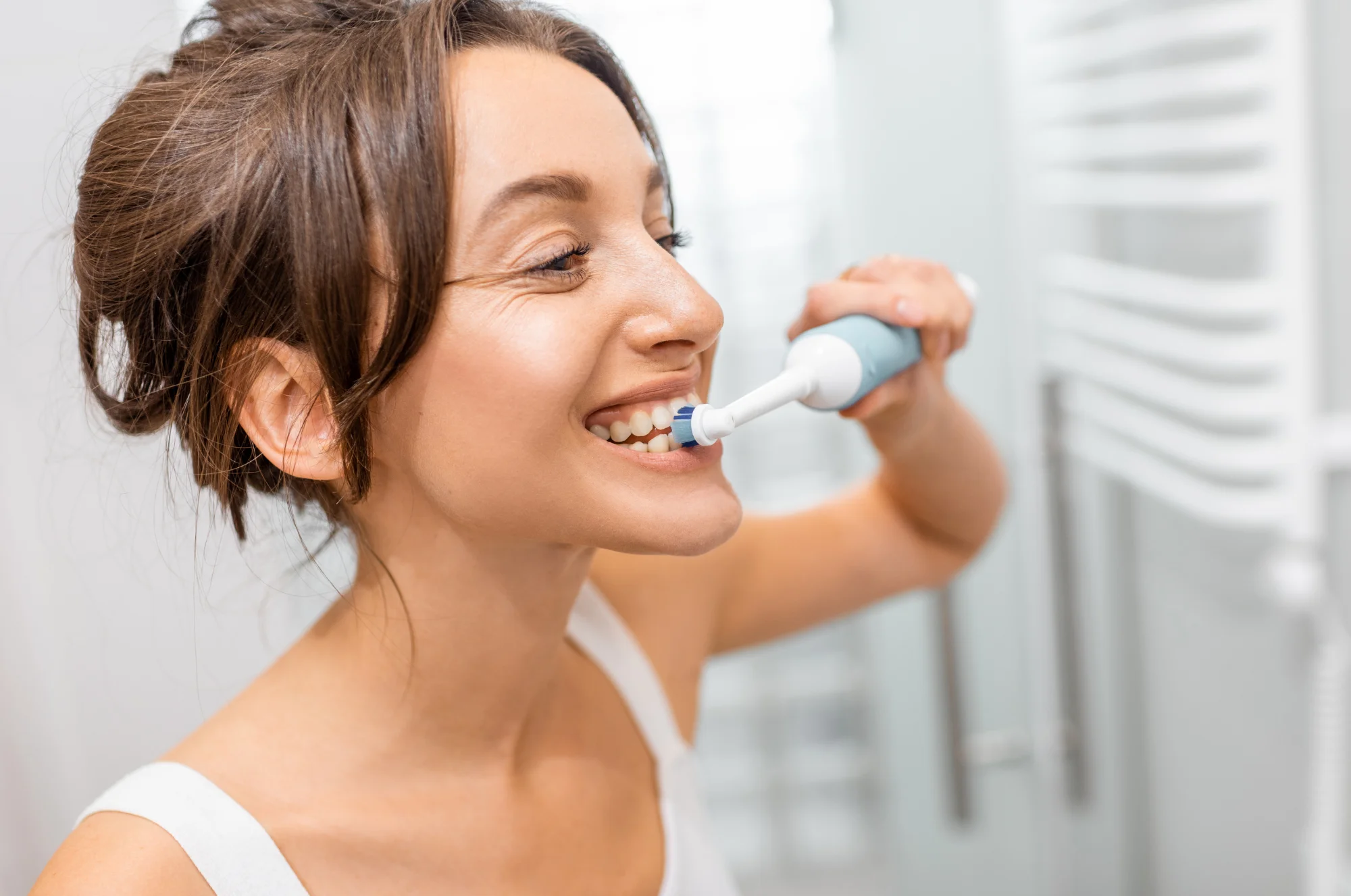
Switching to an electric toothbrush leads to measurably cleaner teeth because the brush head removes more plaque and trapped food than a manual brush can on its own. It also reaches spots a manual brush often misses, like the back molars and the tight space along the gumline, where plaque tends to build up first.
These are the core benefits of using an electric toothbrush, and they add up over time into fewer cavities, healthier gums, and better oral health overall.
Many rechargeable models also produce less plastic waste than disposable manual brushes, since you replace a small brush head instead of buying an entirely new toothbrush every few months.
Key Takeaways
- Electric toothbrushes remove more plaque than manual brushes, especially along the gumline, where gum disease typically starts.
- Daily use is safe and expected; the real risk to watch is brushing pressure, not frequency, and pressure sensors help catch this before it damages enamel or gums.
- Built-in timers help you brush the full two minutes dentists recommend, which most people underestimate when brushing manually.
- Electric toothbrushes cost more upfront and require regular head replacements, but they’re a worthwhile investment for people with limited hand mobility, braces, or a tendency to brush too hard.
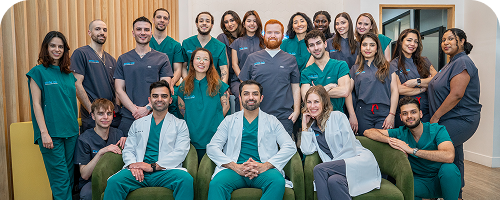
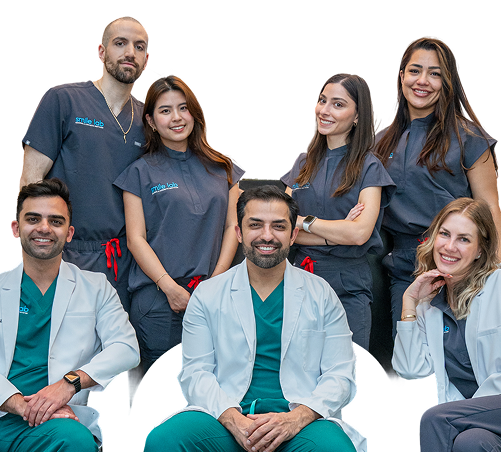
- Dr. Waise Ebrahimi at Smile Lab most often recommends electric toothbrushes to patients with persistent gumline plaque despite regular brushing.
Benefits of an Electric Toothbrush over a Manual One
The benefits of an electric toothbrush over manual use come down to one simple fact: it removes more plaque than a manual toothbrush, and it does this consistently, even when you’re not paying close attention. That’s the core reason electric toothbrushes deliver their benefits.
So why is an electric toothbrush better? Speed and consistency. The brush head produces thousands of strokes per minute, far more than your hand can manage with a manual brush.
Manual brushes move only as fast and as evenly as your wrist allows, so results vary from one brushing session to the next depending on how tired, rushed, or distracted you are.
When you look at the electric toothbrush vs manual toothbrush benefits side by side, the biggest difference shows up along the gumline, the area most people miss with manual brushing. That’s also where gum disease typically starts.
Consistent, thorough contact there does more to protect your teeth and gums long term than any single brushing session ever could, and it’s one of the simplest ways to reduce plaque before it becomes a bigger problem.
- Removes more plaque along the gumline and between teeth
- Reduces plaque buildup even with imperfect brushing technique
- Helps reach areas manual brushing often misses, like the back molars
Oscillating vs Sonic Electric Toothbrushes
Not all electric models work the same way, and the technology behind them matters more than most people realize when comparing the advantages of an electric toothbrush across brands.
Oscillating rotating brushes spin and rotate to clean your teeth, physically lifting plaque off the tooth surface as they move. This was the original electric toothbrush technology, and it’s still one of the most studied for plaque removal.
Sonic toothbrushes vibrate at high speed using sound waves instead of a rotating motion. Some sonic models sync with a phone app to track your brushing habits and flag spots you tend to skip, which can be genuinely useful if you’re trying to improve your technique over time.
Neither type is universally better than the other. The right choice usually comes down to comfort and whether you’d actually use the extra tracking features, not which one wins on paper.
Is It Safe to Use an Electric Toothbrush Daily
Yes, and it’s exactly what these brushes are designed for. Daily use isn’t a risk; it’s the expectation.
The one thing worth watching isn’t frequency; it’s pressure. Brushing too hard, with any brush, can wear down enamel and irritate your gums over time. Electric brushes have an edge here.
Many models include built-in timers and pressure sensors. They catch this habit before it becomes a long-term problem. A manual toothbrush can’t.
Disadvantages and Side Effects of Electric Toothbrushes
No toothbrush is right for everyone, and it’s worth being honest about where electric toothbrushes fall short before you invest in one.
The upfront cost is higher than a manual toothbrush, and replacement heads add a small recurring expense every few months. Charging is another minor hurdle. If you forget the charger on a trip, you’re back to brushing manually until you’re home.
Some people also find the vibration or motion strange at first, almost like a tickle. That sensation typically fades within a week or two of regular use. If your teeth or gums are sensitive, choosing a model with soft bristles and a gentle mode makes the adjustment period much easier.
Do Dentists Recommend Electric Toothbrushes
Most dental professionals recommend electric toothbrushes, especially for patients who struggle to brush well or have persistent plaque buildup.
“The patients I see most often for gumline plaque and early gum irritation usually brush with a manual toothbrush. They brush for less than a minute,” says Dr. Waise Ebrahimi at Smile Lab.
Switching to an electric toothbrush with a built-in timer is usually the one change that fixes it. It does not change anything else in their routine.
He takes a preventive, conservative approach to dental care. He focuses on protecting your natural teeth before tooth decay or gum disease starts.
For patients who still have plaque despite regular brushing, switching to an electric toothbrush is a simple, effective change.
The research supports this recommendation. Independent studies consistently show better plaque and gum health outcomes with electric models, especially among people who don’t always brush the full two minutes dentists recommend.
Who Should Use an Electric Toothbrush
Electric toothbrushes offer a noticeable advantage for almost everyone, but the difference is especially clear if you deal with any of the following:
- Limited hand mobility or arthritis, where a manual brush is harder to control
- A tendency to brush too hard without realizing it
- Braces or other orthodontic hardware that’s tricky to clean around
- Trouble sticking to the full two-minute brushing window
If your schedule feels like a typical NYC workday, you may have rushed mornings. You might brush fast before the subway.
Dinner out can run late. An electric brush with built-in timers removes the guesswork. It helps you know you brushed long enough.
How to Choose the Right Electric Toothbrush for You
Start simple: soft bristles and a brush head small enough to reach areas like your back molars comfortably.
If you know you brush too hard, prioritize a model with a pressure sensor. If timing yourself is the real issue, look for built-in timers over app features you probably won’t use. Bluetooth tracking and multiple brushing modes are nice additions, but they’re not essential if your main goal is simply a more thorough, consistent clean.
Quick Answers About Electric Toothbrushes
- Do electric toothbrushes really clean better than manual ones? Yes. Independent studies consistently show that electric models remove more plaque, particularly along the gumline, than manual brushing.
- Can I use an electric toothbrush with braces? Yes. Electric toothbrushes are safe to use with braces and can clean around brackets more thoroughly than manual brushing.
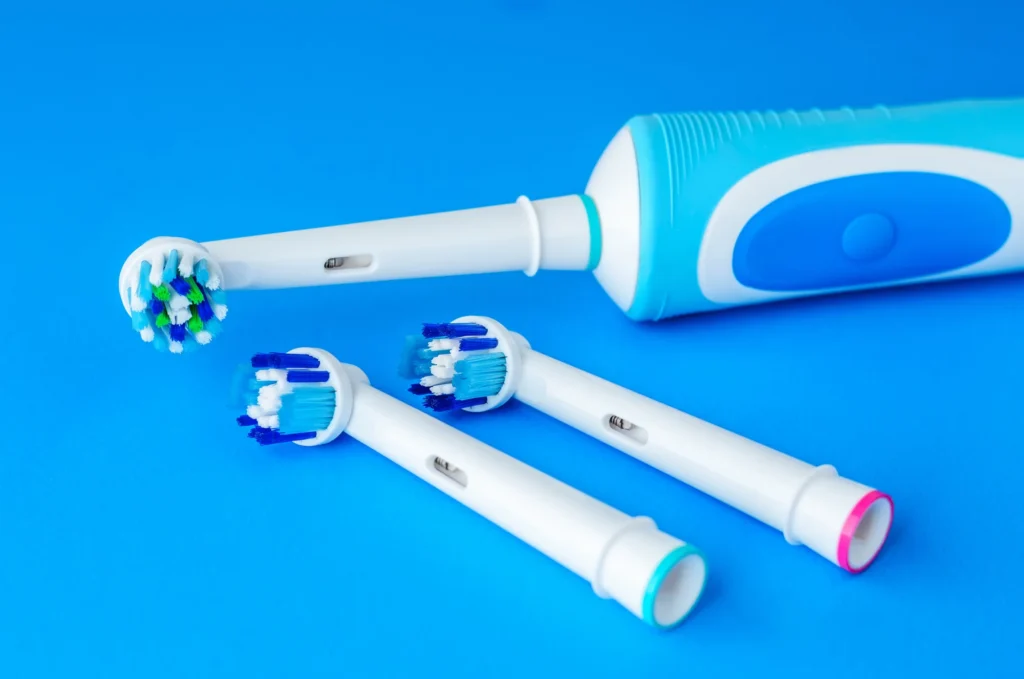
- How often should I replace the brush head? Every three to four months, or sooner if the bristles look frayed or bent.
- Is a more expensive electric toothbrush always better? Not necessarily. A soft brush head, the right size, and a working timer matter more than extra features like Bluetooth tracking.
If you’re still unsure which option best fits your oral hygiene needs, that’s normal to bring up at your next visit.
Dr. Ebrahimi and the team can take a quick look at your teeth and gums, which tells them far more than any product review will, and it’s a natural point to ask whether your current brushing habits are actually working for you.
If you’re due for a checkup or want a second opinion on your routine, you can schedule a consultation with Smile Lab, located in Union Square, Manhattan.