Dental bonding can help you eliminate broken, damaged or discolored teeth without invasive procedures. This cosmetic procedure provides an affordable, quick, and non-surgical treatment to those looking for a solution to restore their smile.
But what is the process before and after teeth bonding? What are its benefits, how much does it cost, and how can you get expert teeth bonding treatment? In this guide, we will walk you through each detail about dental bonding that will help you make an informed decision.

Infected Root Canal
What is Teeth Bonding?
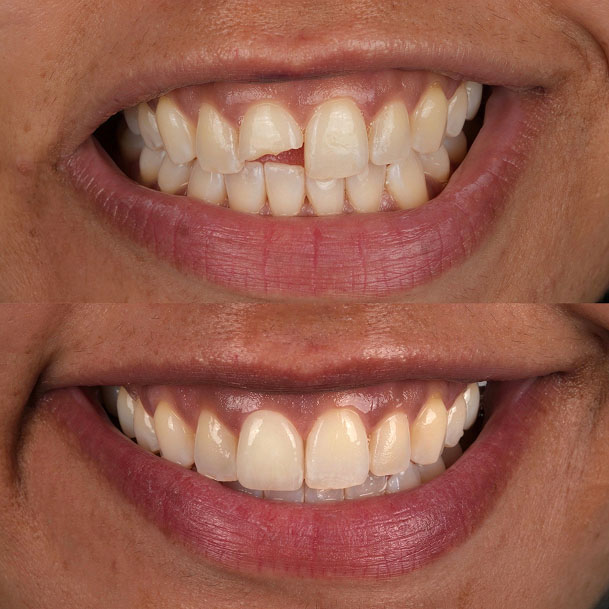
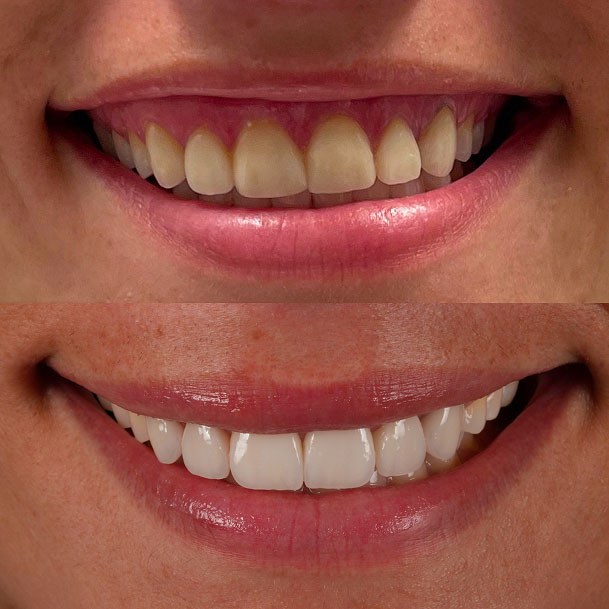
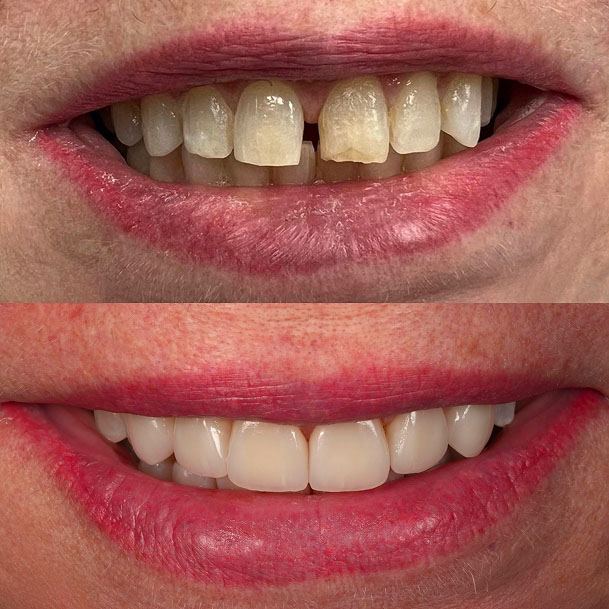
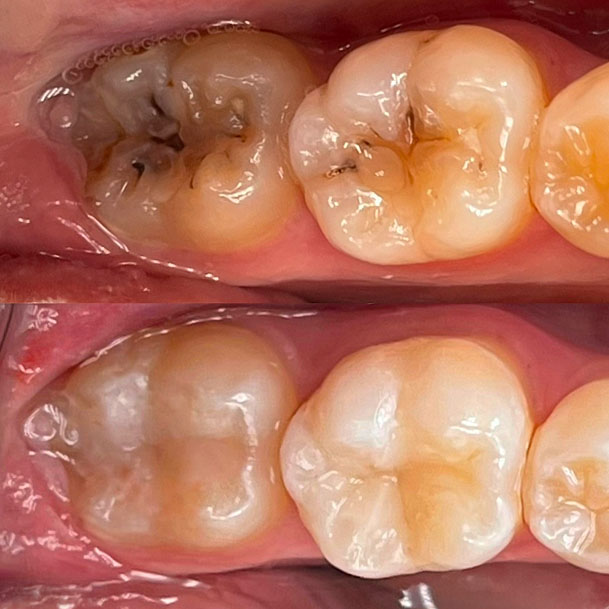
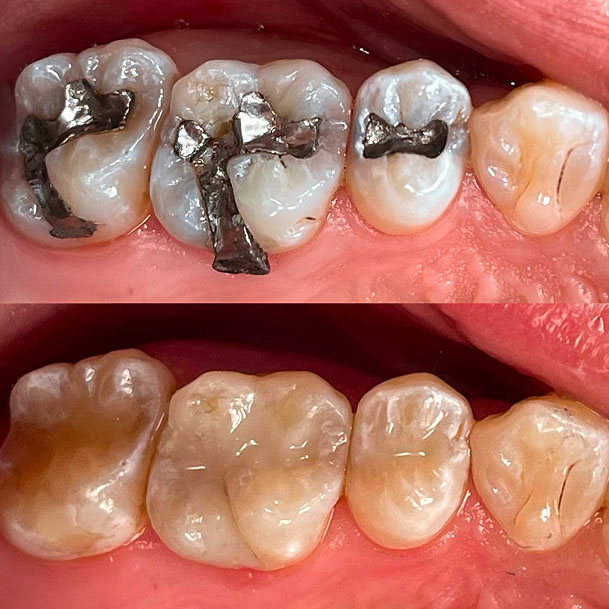
Teeth bonding is a cosmetic dentistry procedure designed to enhance the look of damaged teeth. It uses tooth-color composite resin to fill cracks and gaps and colorize yellowish teeth.
This process is affordable and quick, and can be completed in just one appointment. If done correctly, this treatment can reshape broken teeth and restore their natural shape for years.
What Our Patients Say
EXCELLENT Based on 2276 reviews
 Posted on Google
 Jou Min Chen (Jumin)I've been taking all my treatments over here for over a year now and so far I'm pretty satisfiedPosted on Google
 nikhil keswaneyDr basseri was amazing he took into account my fiances anxitey i to account and performed the filling even after hours he definitely earned 2 permenant patients.Posted on Google
 AkusaBeautiful experience! For my first dental visit- I had a smooth experience. Everyone was super nice. From the dentist, to the receptionist… all of the above.My teeth feels amazing. Super patient and explains everything clearly. I recommend, and I will definitely be back!Posted on Google
 Brynden FosterThis team is so helpful and kind! I always feel like a VIP coming for my cleaning and I couldn’t recommend them more.Posted on Google
 bhanu dattastaff was very helpful and they explained the procedure and payment options in a friendly wayPosted on Google
 Robina ShieldsMy experience with Smile Lab Dentistry Union Square "Wonderful", right down to the teeth cleaning.. that will make a person smile.Posted on Google
 Peter ChauLove coming here as a patient. Everyone here is super nice and thorough. I had my wisdom teeth done here which was an excellent experience. I now commute all the way to the city just to get my regular check ups here because it’s worth the trip. Also, I never had a hygienist floss my teeth before this place
Improve your smile today
How Does the Teeth Bonding Procedure Work? A Step-by-Step Guide
Bonding on teeth is a simple and easy procedure. Here is a simple step-by-step guide of dental bonding.
1. Preparation for Dental Bonding
Before beginning the procedure, your dentist will first clean your teeth thoroughly. It helps to remove plaque and debris from the teeth and allows the composite to stick firmly. This process does not need anesthesia because it is not invasive.
However, if the crack is deep to nerves, your doctor may consider the use of local anesthesia to prevent pain. A conditioning liquid is also applied to make the surface of your tooth rough. This roughness helps the foreign material to stick properly on your tooth.
2. Apply the Composite Resin to Your Tooth
Your dentist will choose the composite material that matches the color of your teeth. This material is soft and easy to shape, which makes it simple to apply.
The doctor will apply it to your cracked teeth to reshape them, fill the gaps, and whiten your discolored teeth. They apply it in such a way that it mimics your natural teeth.
3. Harden the Resin with UV Light
Once the resin is applied, it is hardened with the use of UV light to secure it in place.
The UV light activates the bonding agents within the resin and allows it to bond securely with your teeth.
This process ensures that the composite resin stays in place and adheres seamlessly to your teeth. It also maintains its shape for an extended period.
4. Shape and Polish for a Perfect Finish
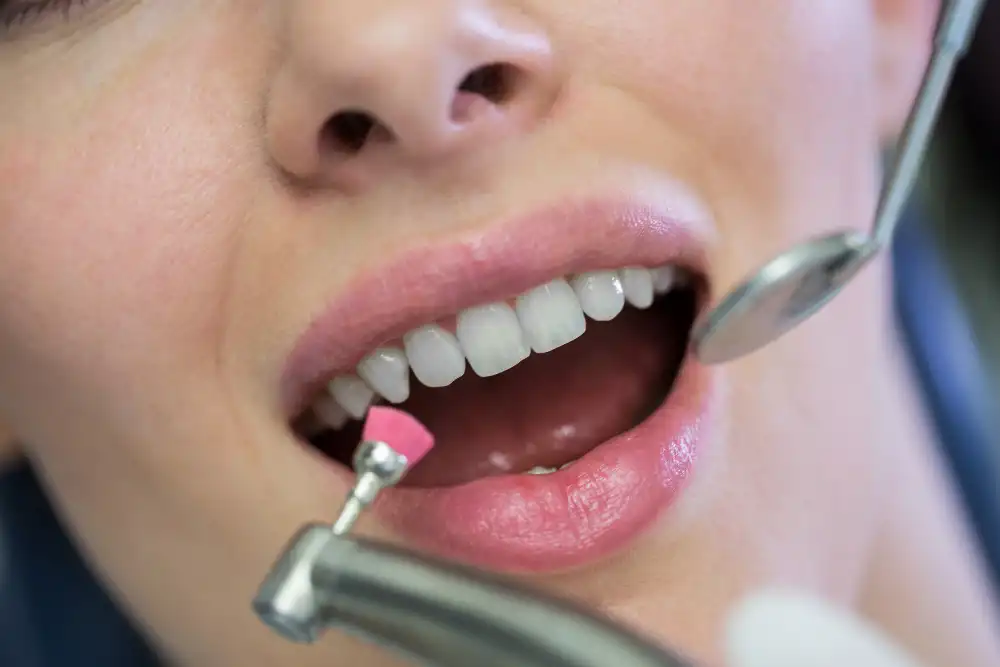
After placing and hardening the resin, your dentist will shape and polish it to make it look completely natural. They trim the extra resin and make it just like the surrounding teeth, especially when bonding front teeth. At the end of the process, you will get a complete and beautiful smile.
Looking for Expert Root Canal Treatment? Explore Smile Lab
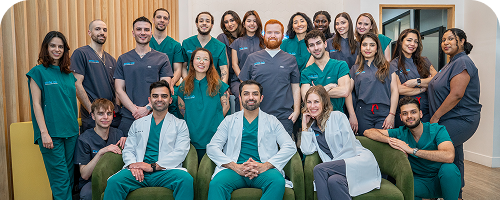
At Smile Lab, we take a holistic approach to dental care, integrating the latest advancements in dentistry. We provide an extensive array of services, encompassing general dentistry, cosmetic treatments, and oral surgery, all conveniently located in one place. We utilize advanced technology to ensure accurate diagnoses and effective treatments, emphasizing patient comfort and fostering a soothing, patient-centred environment. Whether you need general care or specialized treatment, our experienced team is dedicated to providing exceptional service and enhancing your overall health. Schedule an appointment with us today to experience the difference in dental care.
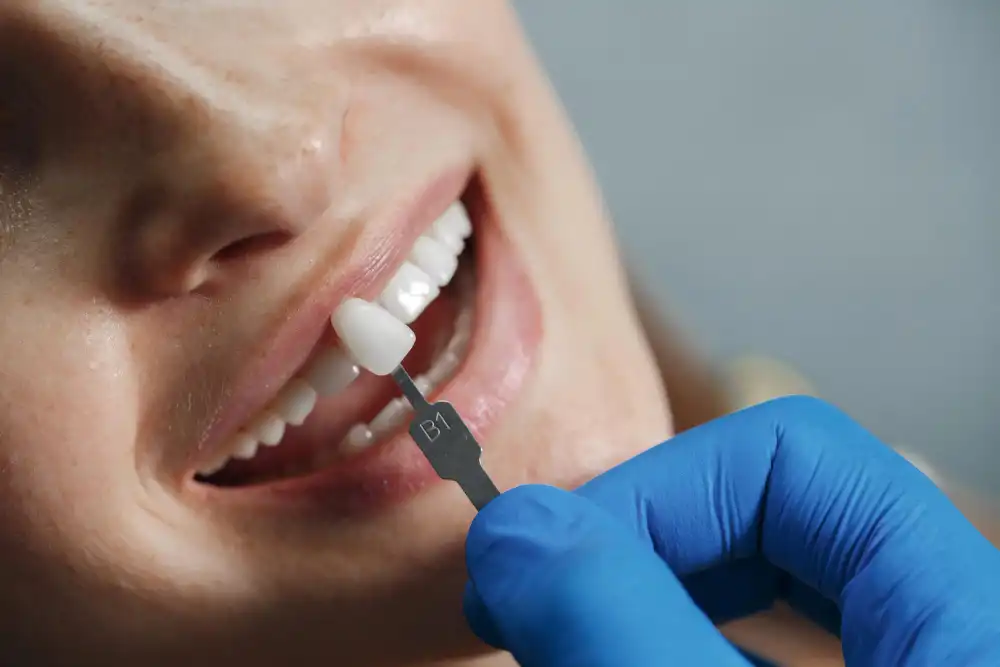
Benefits of Teeth Bonding
Teeth bonding benefits those who are afraid of invasive treatments like tooth extraction and need a quick solution. The advantages of dental bonding include:
- It gives you a natural look and enhances your smile
- It is quick and most of the time completes in just one visit
- It provides strength and additional protection to your teeth
- It prevents the cracks and gaps from spreading and safeguards against further issues
- The whole treatment is minimally invasive and keeps your natural tooth in its place
- It is a budget-friendly option that gives you the best quality results
Teeth Bonding vs. Other Cosmetic Dental Options
Various other dental procedures are also helpful in covering the cracks and damaged teeth. The difference between dental bonding and these procedures is given below.
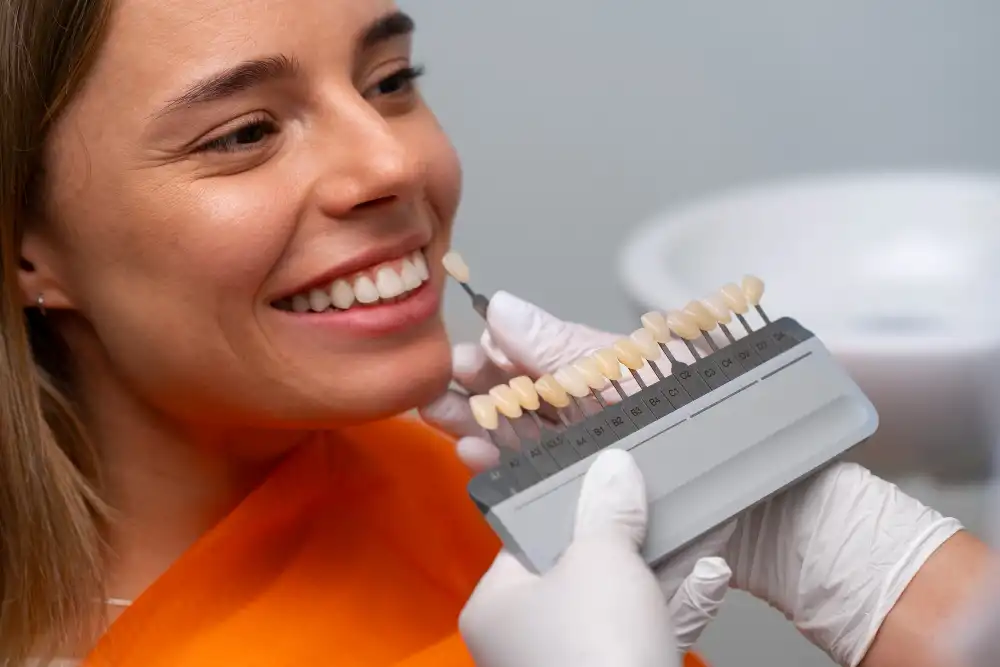
Teeth Bonding vs. Veneers
- Minimally Invasive: Teeth bonding does not require enamel removal, unlike veneers which need a portion of your teeth enamel to be shaved off.
- Faster Results: Bonding can usually be done in a single visit, while veneers take multiple appointments.
- Cost-Effective: Bonding is more budget-friendly than porcelain veneers.
- Best For: Bonding is good for minor cosmetic fixes such as chips, cracks, and small gaps, while veneers address severe discoloration, uneven spacing, or major reshaping needs.
Teeth Bonding vs. Crowns
- Tooth Preservation: Bonding preserves most of your natural tooth, while crowns require more removal of tooth structure, a key part of the veneers vs. crowns decision when you’re weighing all three options.
- Use Case: Crowns are typically used for teeth that are badly decayed, broken, or structurally weak.
- Durability: Crowns are more durable and longer-lasting than bonding.
- Aesthetics: Both can be matched to your natural tooth color, but crowns offer full coverage and strength.
- Cost: Crowns are significantly more expensive than bonding due to material and lab costs.
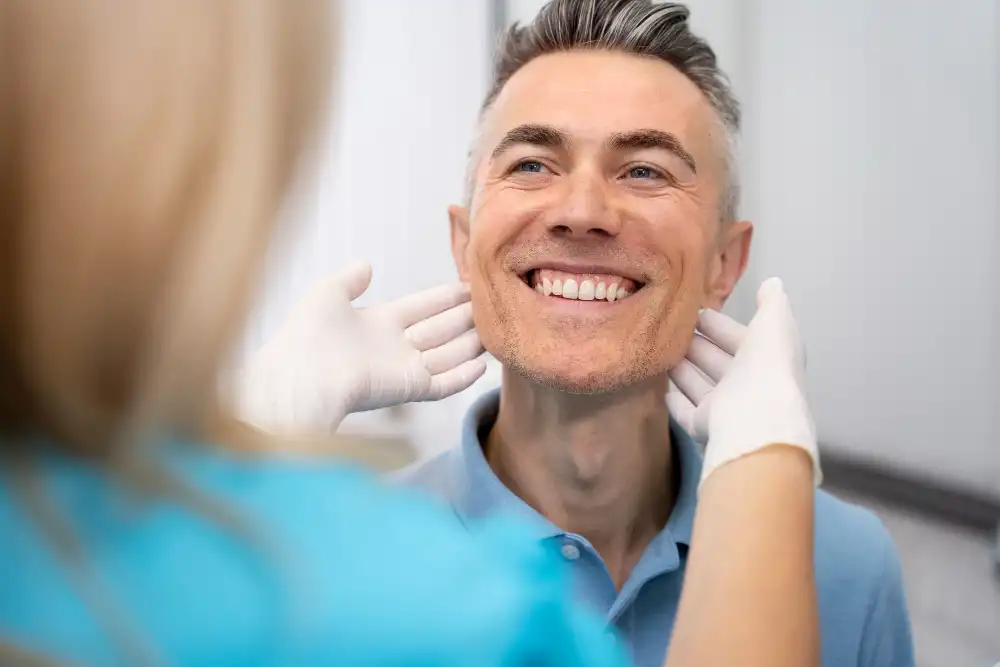
Bonding vs. Fillings
- Purpose: Bonding fixes chips, cracks, gaps, and discoloration while filling treats decay and cavities.
- Location: Bonding is usually applied to front, visible teeth, while fillings are typically used on back teeth where decay is more common.
- Aesthetic Focus: Bonding is shaped for visual appeal, while fillings focus on function.
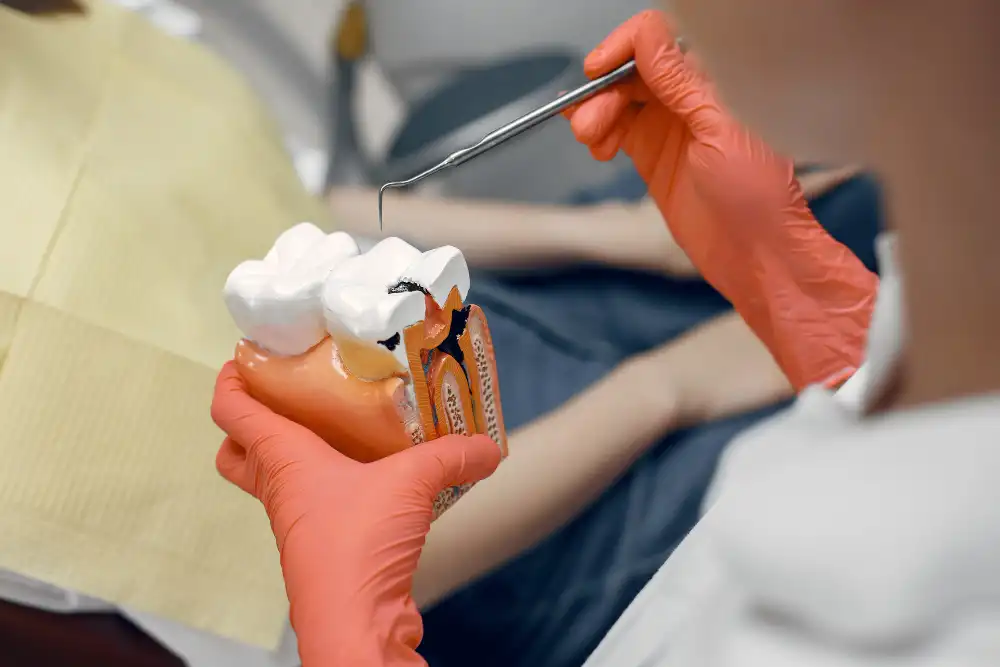

What is Teeth Bonding Cost?
The cost of dental bonding varies for different teeth and problems. Its average price lies between $100 and $600, and our fuller guide on cosmetic dentistry costs breaks down pricing for veneers, crowns, and other alternatives if you’re comparing options. The basic reasons for this broad difference are:
- A type of tooth: A front tooth requires more polishing and shaping efforts for aesthetic reasons.
- The amount of resin needed: Minor cracks need a small amount of resin, while major cracks need a larger amount of it.
- Complexity of the process: Molars require more effort to treat due to their position at the back of the mouth, and as a result, the procedure tends to be more expensive.

Why Trust Smile Lab Dentistry for Dental Bonding?
Smile Lab provides top-notch dental services in Manhattan, NY, with a skilled team using advanced techniques. We offer affordable teeth bonding without compromising quality, backed by 500+ 5-star reviews. Our staff tailors treatments to aesthetic and functional needs and provides you with a personalized approach. Whether for cosmetic treatments or oral surgery for broken teeth, trust our experienced team to deliver exceptional care. Visit us today!
Call now to Schedule Your Appointment
At Smile Lab, you will receive experienced & professional dental implant services in a supportive
and high-tech environment, ensuring you get the best care possible.
Or
Complete The Form Below
Final Thoughts
Dental bonding is the best solution for minor cracks or gaps in teeth, especially for those who want a minimally invasive treatment. It is highly recommended for both aesthetic and functional aspects of your oral health. Its process is very simple, which requires only one to two visits. The dentist will clean your teeth, place a resin composite, and then shape and polish it for a natural look. This easy treatment is a good alternative for various other dental treatments, like dental crowns or veneers.