
Are Gold Fillings Safe? Benefits and Considerations
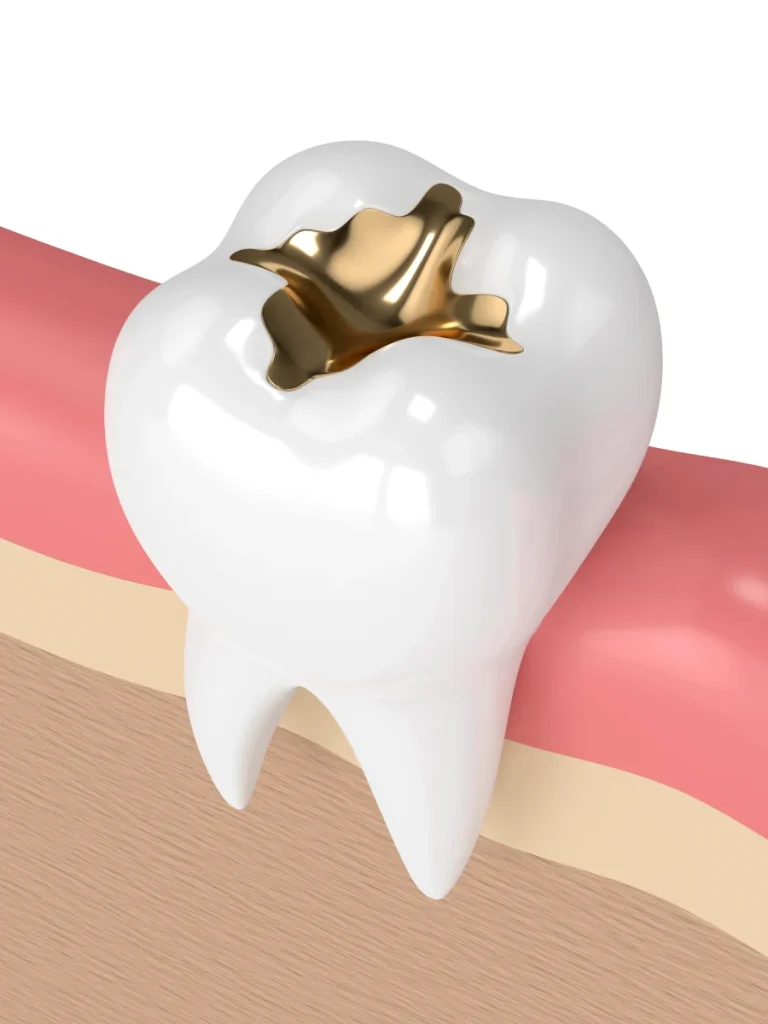
Yes, a gold tooth filling is generally considered safe and is well tolerated by most patients. Gold restorations are durable, corrosion-resistant, and free of the mercury found in dental amalgam; they can last 20 years or longer with proper care. Allergic reactions are uncommon, though the exact alloy and any bonding or cement materials used can vary.
Gold fillings cost more than composite fillings, have a visible metallic appearance, and are usually placed on back teeth. Gold inlays or onlays typically require two appointments because they are custom-made in a dental laboratory.
Dental Implants vs Veneers: Differences, Costs, and Options
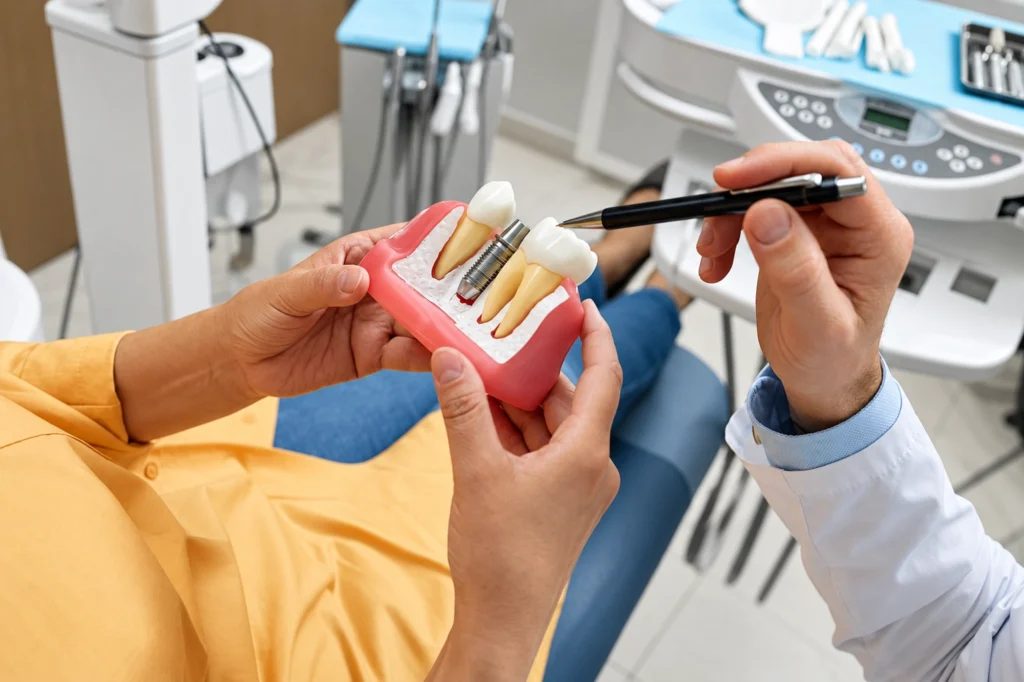
Veneers improve the color, shape, spacing, or surface of existing teeth, while implants replace missing teeth from the root up with a surgically placed post and final crown. In a dental implants vs veneers comparison, veneers usually involve limited enamel removal and little recovery, while implant treatment requires oral surgery and several months of healing.
At Smile Lab, the implant body costs $2,650, the abutment and crown cost $3,300, a porcelain veneer costs $2,323 per tooth, and a resin veneer costs $950 per tooth.
Porcelain veneers often last around 10-15 years, while the implant itself can last for decades with good oral hygiene and routine care, although the attached crown may eventually need replacement.
How Long After a Hygienist or Teeth Cleaning Can You Drink Coffee?

After a routine hygienist appointment or teeth cleaning without fluoride or anesthesia, most people can drink coffee within about 30 to 60 minutes. If fluoride varnish was applied, wait at least 30 minutes, and follow your dentist’s specific instructions since some products call for longer. After a deep cleaning or local numbing, allow several hours and skip hot coffee until the numbness has fully worn off.
Cost of Full Mouth Dental Implants in Manhattan
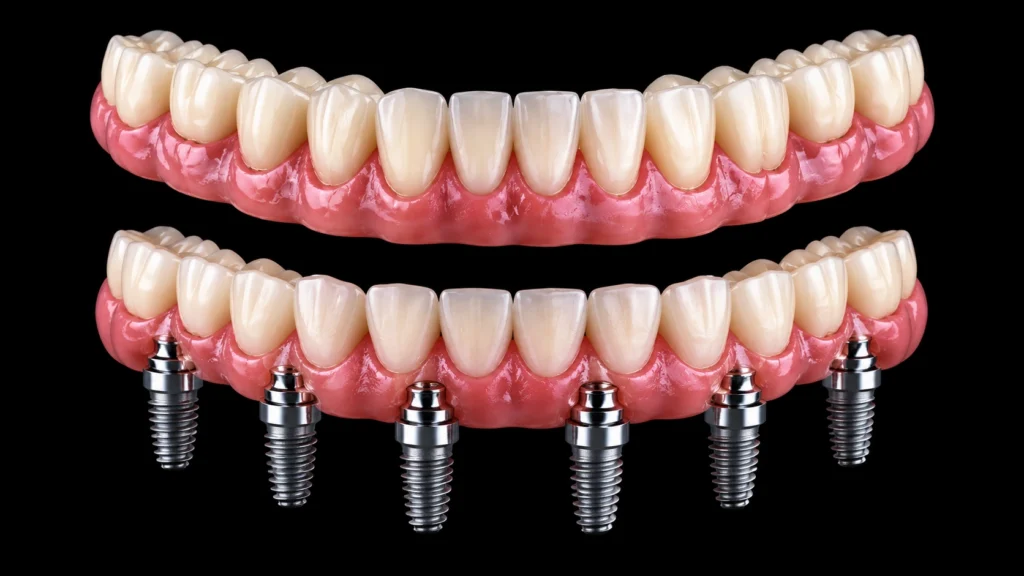
Complete arch tooth replacement has transformed how dentists rebuild smiles, giving patients a permanent, natural-feeling alternative to removable dentures. For anyone weighing this option in NYC, the first question is usually about price.
In Manhattan, full-mouth dental implants start at about $23,800 per arch for All-on-4 and can reach $47,600 or more for All-on-8, based on Smile Lab’s confirmed implant and restoration pricing. The final quote depends on the treatment approach chosen (All-on-4, All-on-6, or individual implants), your bone health, and any preparatory work like grafting or extractions.
Should You Brush Your Teeth Before Whitening Strips?

If you’re wondering, “Should I brush my teeth before using whitening strips?” the answer is yes, but wait at least 30 minutes before applying them. Brushing right before can leave your gums more sensitive and increase irritation from the whitening gel. Brush gently, rinse well, let your mouth settle, and then apply the strips according to the product instructions.
Does an Infected Root Canal Need to be Extracted?
No, an infected root canal does not always need extraction because many teeth can still be saved with retreatment or an apicoectomy. Removal is usually considered when the treated tooth has a deep vertical root fracture, too little healthy structure to restore, severe bone loss, or an infection that keeps returning despite prior care.
Retreatment involves reopening and cleaning the canals again, while an apicoectomy removes the infected root tip without taking out the entire tooth. A dentist or endodontist will usually examine the area and take X-rays before deciding whether it can be saved.
When the tooth cannot be predictably restored, extraction may be the safer option, followed by replacement with an implant, bridge, or other prosthetic treatment.
Why Crowns Don’t Whiten Like Teeth, and What You Can Do
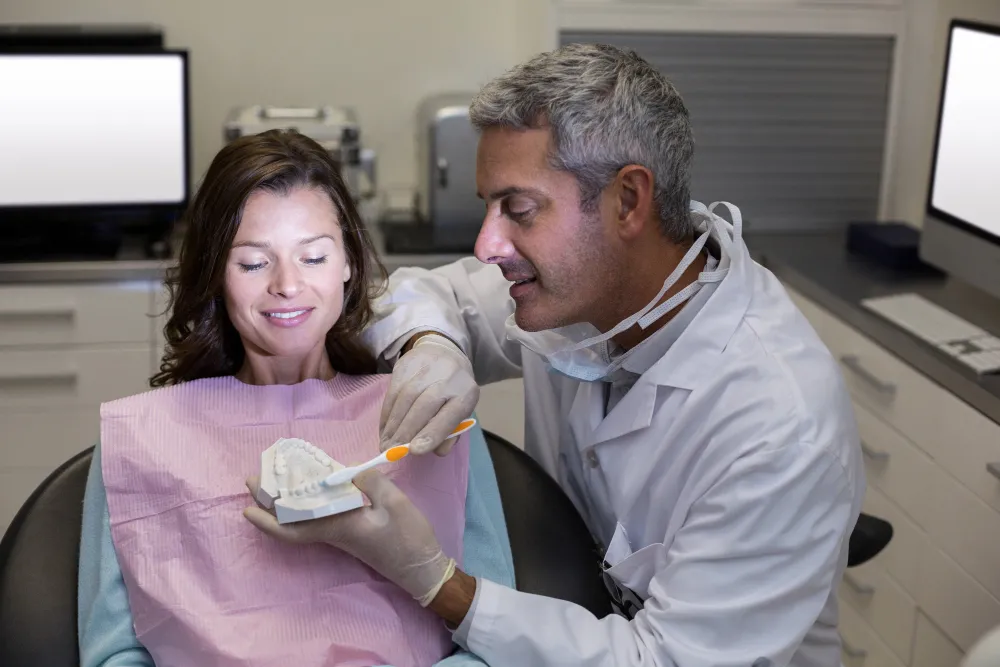
Dental crowns do not whiten because porcelain, ceramic, and other restorative materials do not respond to peroxide bleaching agents the way natural tooth enamel does. This explains why crowns don’t whiten like teeth: their shade is set when they are made, so whitening nearby natural teeth can create a noticeable color mismatch.
If the crown only has surface staining, a dentist may be able to improve its appearance with professional cleaning or polishing, but bleaching will not change its underlying shade. For the best color match, whiten natural teeth before placing a new crown, or replace an older crown after whitening; avoid abrasive or strong DIY whitening products that may dull or roughen the crown’s surface.
How to Remove Brown Stains from Teeth Naturally: Simple Tips for a Brighter Smile
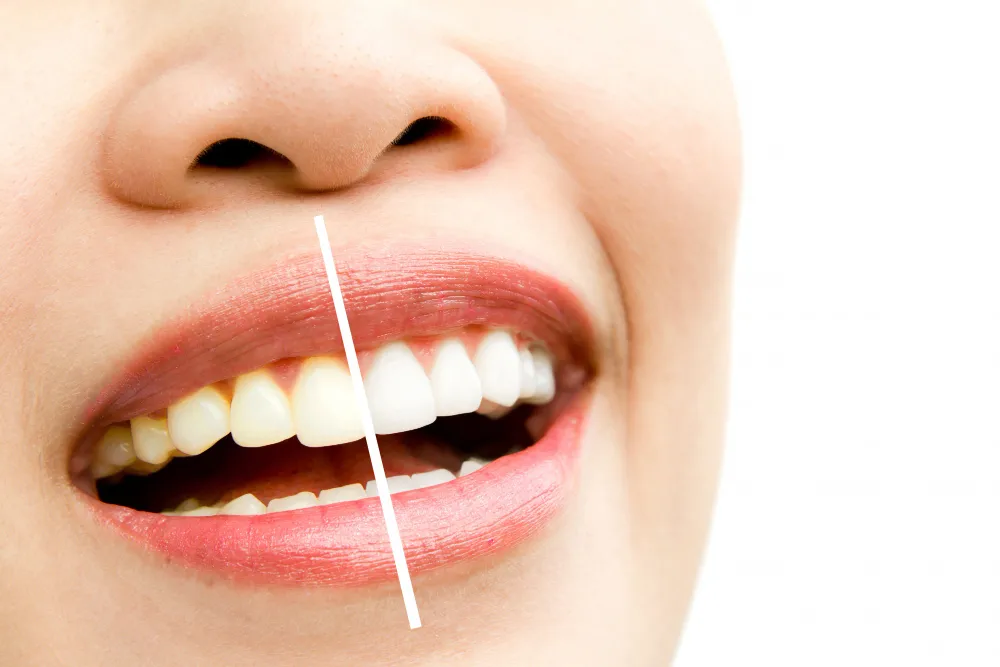
Brown stains on teeth may improve with regular brushing, flossing, good hydration, and limiting stain-causing foods and drinks such as coffee, tea, and red wine. If you want to remove brown stains from teeth naturally, focus on consistent oral hygiene and rinsing with water after consuming acidic or pigmented foods. Surface stains may gradually fade, but deeper discoloration or stains caused by decay, tartar, or enamel changes usually require professional dental treatment.
How Long Can Veneers Last? Lifespan, Care, and Replacement
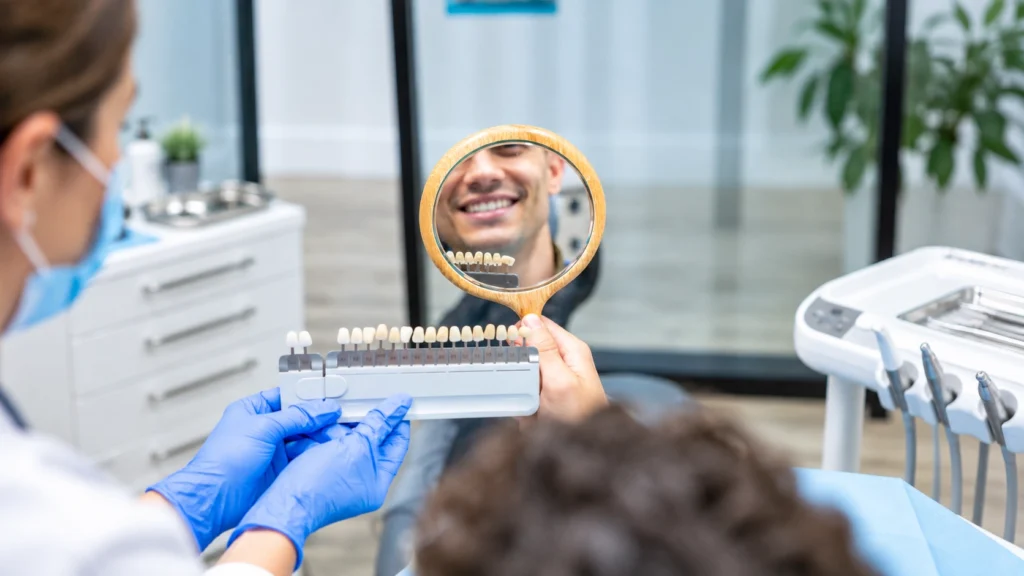
These restorations typically last about 5 to 20 years, depending on the material, bonding, bite forces, oral health, and daily care. If you are comparing how long veneers last by material, porcelain usually lasts about 10 to 15 years and may remain successful for 20 years or more, while composite often lasts 5 to 7 years and may reach 10 years with careful maintenance. Porcelain is stronger and more stain-resistant, while composite usually costs less but is more prone to staining, wear, and chipping.
Teeth Shaving for Veneers: Procedure, Risks, and Alternatives
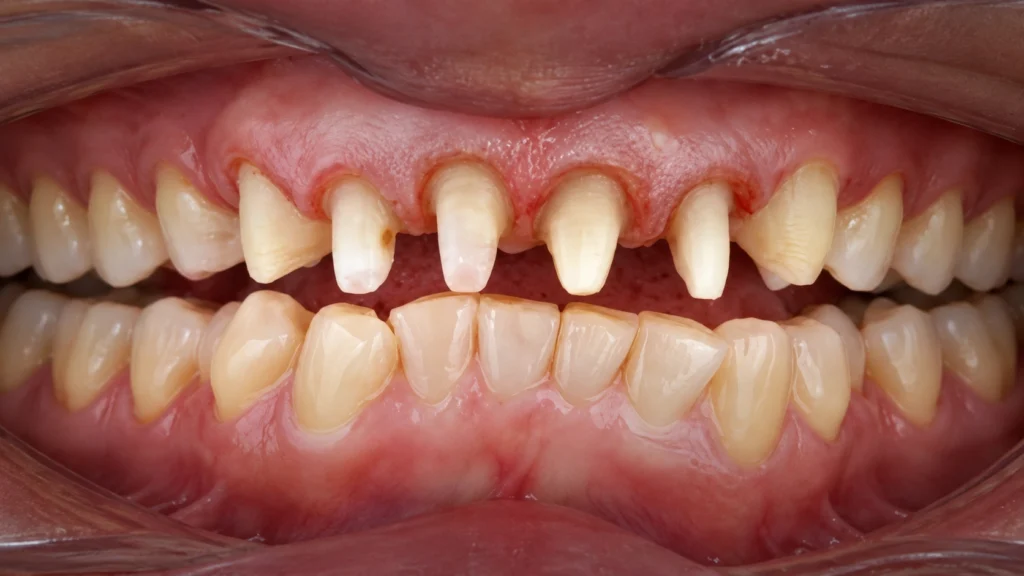
Dentists may remove a thin layer of enamel, often about 0.3 to 0.7 mm depending on the area and case, so porcelain restorations can sit flush instead of looking bulky. During teeth shaving for veneers, preparation is usually limited mainly to the front surface, while enamel etching creates the microscopic texture needed for strong bonding and enough space remains for natural shape, color, and translucency.
This is much more conservative than the circumferential reduction used for many dental crowns, which can explain the heavily reduced “stump-like” teeth sometimes seen online. Because enamel itself has no nerve endings, conservative preparation may cause little discomfort, although local anesthesia can still be used when needed.