
Dental Price List: Common Out-of-Pocket Costs
The table below provides a practical overview of typical dental procedures costs at Smile Lab for patients without insurance. These self-pay prices were verified in July 2026.
The final estimate may change if a case requires added imaging, specialist support, grafting, sedation, or related services. Patients receive a confirmed quote after the exam.
| Procedure or visit | Price | What it includes or typical timing |
|---|---|---|
| New patient exam and cleaning | $250 | About 50 minutes. Includes digital X-rays when needed, a comprehensive doctor exam, professional hygiene services, and a personalized plan. |
| Recall exam and hygiene visit | $250 | Usually 30 to 50 minutes. |
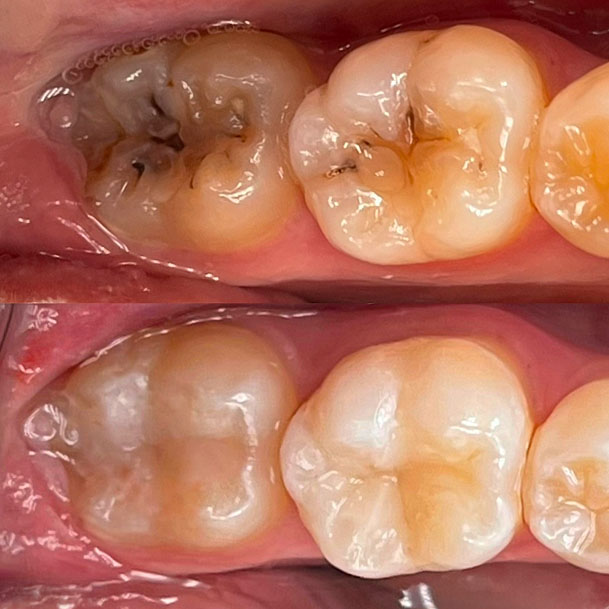
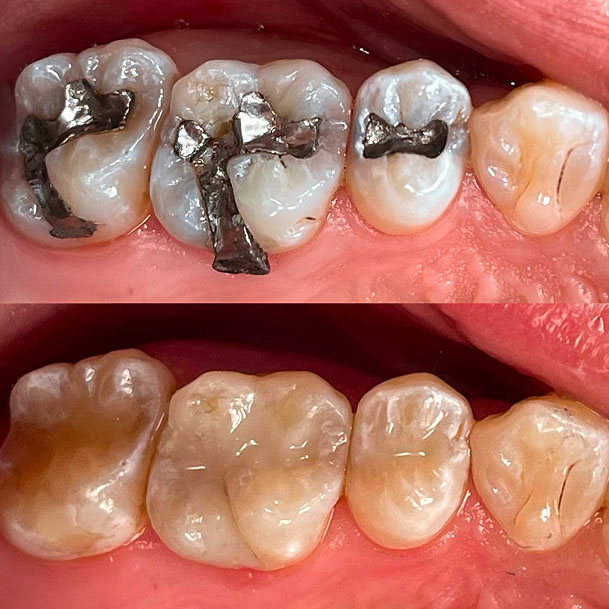
| Composite filling | $300 to $450 | The price of a cavity filling depends on whether the restoration covers one, two, three, or four surfaces. |
| Crown | $1,950 | Includes a preparation appointment and delivery about three weeks later. |
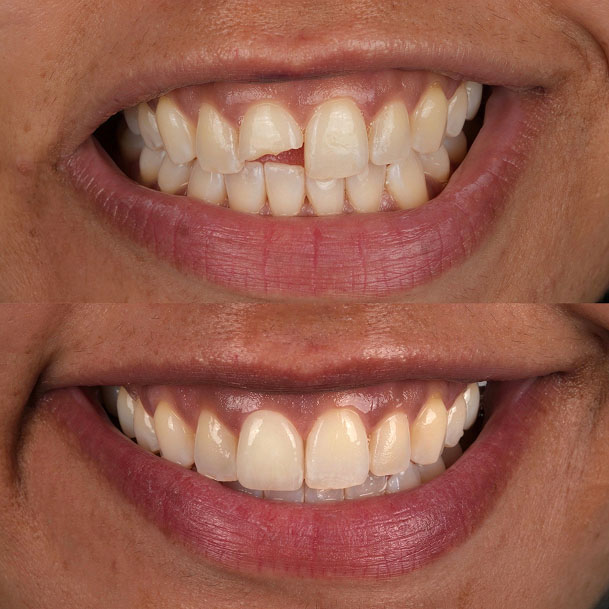
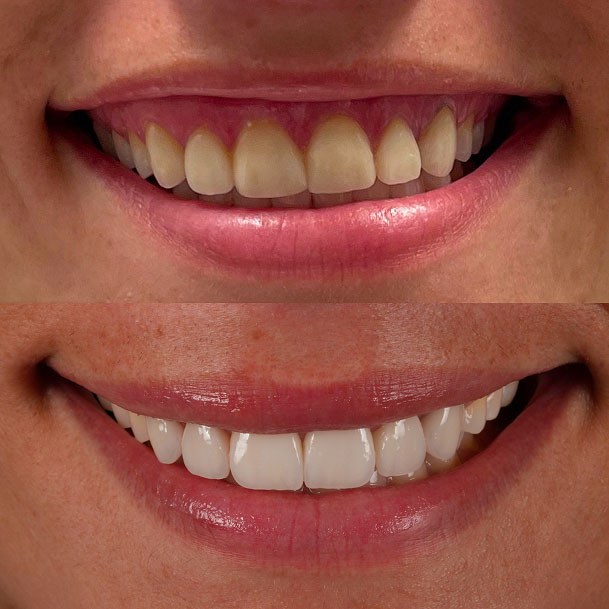
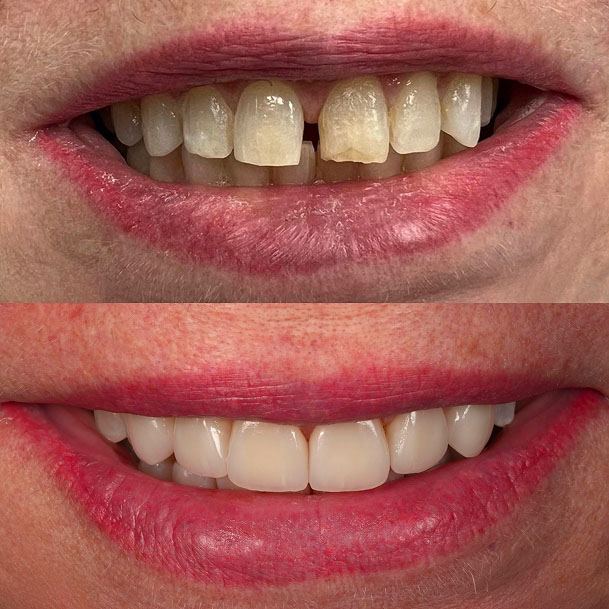
| Porcelain veneer | $2,323 | Usually requires an appointment of about one hour. |
| Resin veneer or bonding | $950 | Usually completed in about one hour. |
| Deep cleaning with periodontal maintenance | $1,400 | Includes two one-hour appointments and a maintenance visit after three months. |
| Root canal | $1,400 to $1,800 | Front tooth, premolar, and molar fees vary. |
| Implant placement only | $2,650 | Covers placement of the implant body. |
| Implant abutment and crown | $3,300 | Restores the visible portion after the implant has healed. |
| Typical combined implant total | $5,950 | Includes the implant body, abutment, and crown. Extraction, bone grafting, imaging, or other added procedures are separate. |
| Oral surgeon extraction | $1,200 to $1,600 | The amount depends on the tooth and surgical complexity. |
| Zoom whitening | $350 | One-hour appointment with two passes. |
| CandidPro clear aligners | $6,000 | Includes the consultation, digital scan, and refinements covered by the three-year warranty. |
Patients who want more information about individual services can review Smile Lab’s pages about cavity fillings, deep cleaning, and root canal procedures.
The typical combined price for a dental implant includes the implant body, abutment, and crown. Extraction, grafting, imaging, and other preparatory services may increase the total. The $350 Zoom whitening appointment lasts about one hour and includes two passes.
This dental price list is not a universal NYC fee schedule. The written estimate provided after the exam should confirm the exact services, appointment sequence, and expected out-of-pocket amount.
Why Dental Costs Vary In NYC
Several factors influence dental fees in the city. Office location, staffing, laboratory work, appointment length, and operating expenses can all affect what a practice charges.
These factors can influence the fees a dentist in Manhattan, NYC, charges.
The type of service also matters. Preventive visits usually cost less than restorative, cosmetic, or surgical work. Materials, specialist involvement, and case complexity can change the final price.
A clinician’s training and experience may affect the fee when the work requires added planning, specialized equipment, or coordination between providers.
How Much Does a First Dentist Visit Cost?
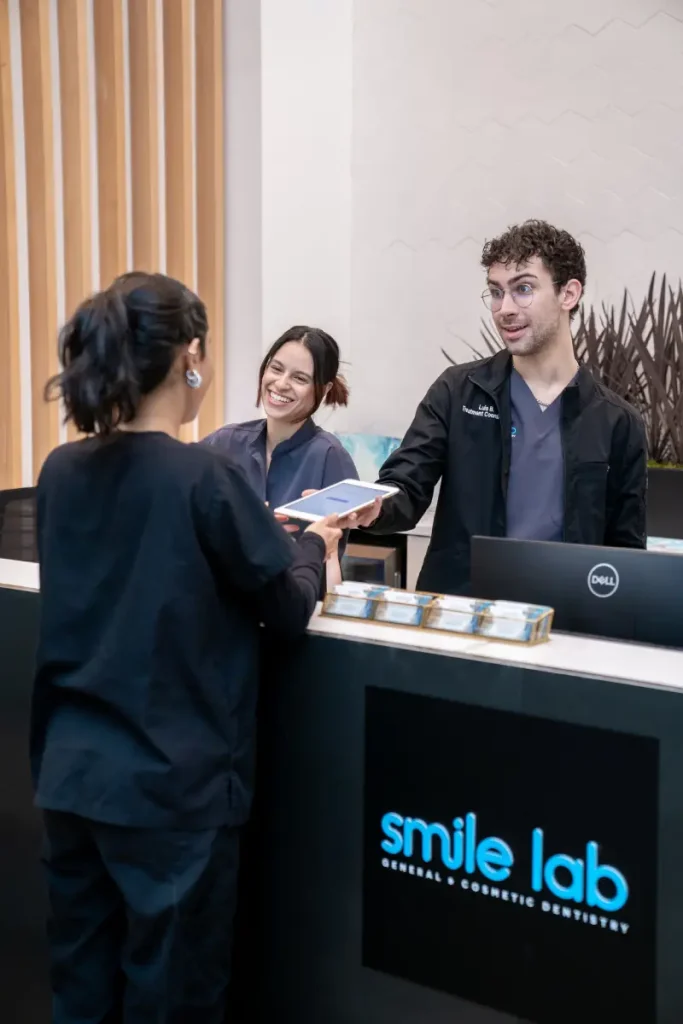
At Smile Lab, a new patient visit costs $250 for uninsured patients. It includes professional hygiene services, digital X-rays when needed, a comprehensive doctor exam, and a personalized plan with transparent pricing.
When comparing the average dental exam cost in NYC, check what the quoted amount includes. Some offices list the exam, imaging, and hygiene appointment separately.
A low dental consultation fee may not represent the complete first-visit total. Ask whether diagnostic images, the doctor’s evaluation, and preventive services are included.
What May Be Considered Normal
Normal pricing includes a clear explanation of the recommended service, why it is needed, which alternatives are available, and what the fee covers.
A written estimate makes it easier to compare local dentist pricing without relying on a single headline number. Prices can differ between offices for the same procedure. This does not automatically mean one option is better or worse. The difference may reflect materials, laboratory fees, specialist involvement, technology, or the time reserved for the appointment.
Patients often ask how much a dental crown costs in NYC. The amount depends on the material, tooth location, laboratory work, and whether related procedures are required.
What May Be A Red Flag
A lack of transparency can be a concern. If an office will not provide an estimate or cannot explain its charges, ask for clarification before moving forward. Pressure to approve work immediately can also be a warning sign, unless pain, swelling, infection, or another urgent problem requires prompt attention.
You should have enough information to understand the recommendation, the available alternatives, the expected timeline, and the full price. An unusually low quote may exclude imaging, anesthesia, temporary restorations, laboratory charges, follow-up visits, or specialist fees.
Ask what is included, especially when reviewing the cost of a dental crown replacement, implant work, or complex surgery.
How Insurance And Payment Affect Costs
Smile Lab is in-network with most major PPO plans, including:
- Aetna
- Anthem or BCBS
- Cigna
- Delta Dental
- Guardian
- MetLife
- UnitedHealthcare
- United Concordia
Coverage depends on the plan’s deductible, annual maximum, waiting periods, and allowed percentage for each service.
The office can verify benefits before the appointment and explain the expected patient responsibility. Smile Lab does not accept Medicaid.
For an emergency dental visit, PPO patients may have the evaluation covered according to their benefits. Uninsured patients pay a flat $99 emergency visit fee.
The $99 fee covers the emergency evaluation. Imaging and any procedure completed during or after the visit are priced separately and reviewed before work begins.
Eligible patients can apply for a Cherry payment plan. Some approved plans may offer 0% APR and monthly payments for larger balances.
Approval, payment terms, and payment length depend on the applicant. Patients should review the approved schedule before accepting the plan.
Cosmetic services are often paid out of pocket. Reviewing cosmetic dentistry cost in advance can help patients compare whitening, bonding, veneers, and clear aligners.
Making Informed Decisions
Start with a written, itemized estimate. Confirm whether the quote includes imaging, anesthesia, laboratory charges, temporary work, follow-up visits, and any specialist fee.
Compare the complete plan rather than choosing the lowest advertised price. The average dental cost offers useful context, but individual needs, insurance benefits, and selected materials determine the final amount.
When an office explains the recommendation, alternatives, timeline, and total cost, patients can make a decision that supports their oral health and fits their budget.
Dental Cost FAQs
- Does the $250 Price Apply to Insured Patients? The $250 new patient package is for uninsured patients. PPO members may have different allowed fees and out-of-pocket costs depending on their plan, deductible, and available benefits.
- What Does the $99 Emergency Visit Cover? The $99 uninsured fee covers the emergency evaluation. Imaging and any procedure completed during or after the visit are priced separately.
- Are the Prices in the Table Before Insurance? Yes. The table shows self-pay fees. PPO patients may owe less based on contracted rates, deductibles, annual limits, and covered services.
- How Much Does a First Dentist Visit Cost in NYC? A first visit at Smile Lab costs $250 for an uninsured patient. The price includes professional hygiene services, digital X-rays when needed, a comprehensive doctor exam, and a personalized plan.
- Why Can Two Dentists Charge Different Prices? Fees may vary based on the materials used, laboratory costs, specialist involvement, appointment length, office location, or case complexity. Patients should compare what each estimate includes rather than comparing only the headline price.