
What Does a Swollen Gum Around a Tooth Mean and How to Spot Symptoms?
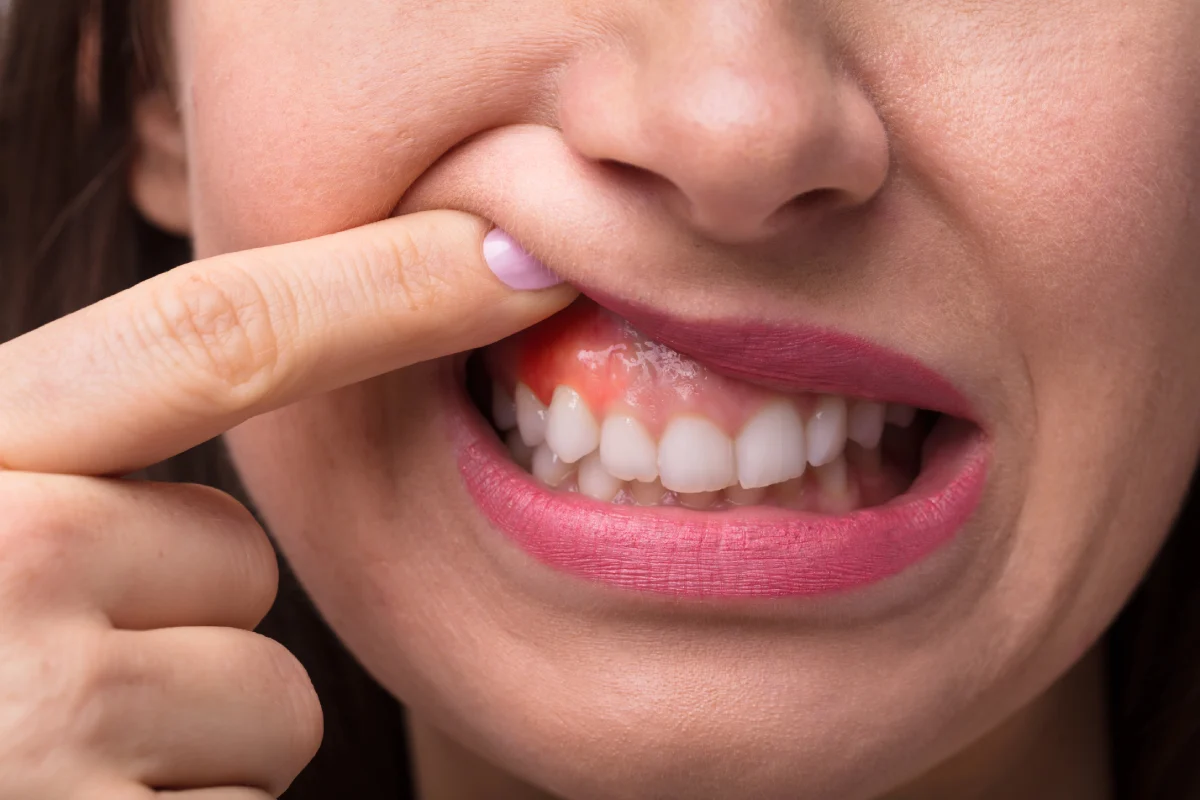
A swollen gum around a tooth appears as red, puffy, or shiny tissue in that spot, and biting down can hurt. Often it appears as a swollen gum in one spot rather than across the whole mouth.
Sometimes the tissue in that one area looks pale or whitish instead of healthy pink. That can mean it is reacting to bacteria or to food packed under the gumline.
An inflamed gum around a tooth that keeps flaring up signals a deeper problem, such as plaque buildup or an early infection. If the swelling grows or the pain sharpens, that is your cue to see a dentist.
The 7 Most Common Reasons for Swollen Gums Around Teeth
If you have been asking, why is my gum swollen around one tooth, one of these causes is almost always behind it.
1. Gingivitis, or Early Gum Disease
Gingivitis is the first stage of gum disease. It sets in when plaque collects along the gumline. Even a small amount of plaque near a single tooth can inflame the surrounding tissue, making it red or puffy, and often causing gums to bleed when brushing.
Over time, that irritation can open small pockets between the tooth and the gumline. Those pockets trap more bacteria and leave the area more tender.
Gingivitis tends to start where a toothbrush and dental floss struggle to reach, such as between crowded teeth or around older dental work.
2. Food Stuck Between Teeth
When food wedges under the gumline, the tissue can puff up fast. Popcorn hulls, husks, and other fibrous bits are the usual offenders. The area swells quickly as it tries to push out the debris.
Chewing on that side can bring a sharp twinge. If the swelling hangs on for more than a day or two, bacteria are likely feeding on whatever is still stuck down there.
3. Decay of Teeth Near the Gumline
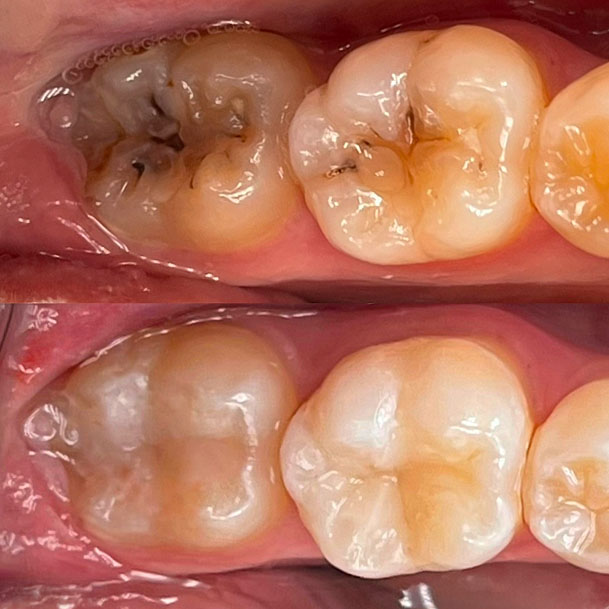
Tooth decay near the gumline is another common reason for a swollen gum around a tooth. When a cavity forms near the tissue, bacteria irritate it, causing it to swell.
The spot may feel sore to the touch, and hot or cold food can set off sensitivity. If the decay extends deeper, the swelling and pain tend to get worse.
4. Infection of the Gums or an Abscessed Tooth
When bacteria get inside a tooth or the tissue around it, an abscess can form: a sealed pocket of infection that drives heavy swelling. This is one of the most painful causes on this list.
The area may feel warm, and a bad taste may accompany it. Sometimes a small bump appears on the gum above the tooth, where the infection is trying to drain. An abscess is serious and needs treatment right away. While you arrange care, you can take steps to manage the pain temporarily until you can see a dentist.
5. Teeth That Are Impacted or Emerging
When a tooth is pushing through, it can press on the surrounding tissue, causing it to swell. This happens most with wisdom teeth, but any tooth short on space can do it. If a wisdom tooth is impacted and can’t break through on its own, removal is sometimes the only lasting fix.
This is a common answer to the question of why my gum is swollen around one of my back teeth, since the rearmost molars are the last to come in. Swollen gums around molars often trace back to a tooth that cannot fully break through.
6. Injury or Trauma to the Gum
A knock to the mouth, a hard-bristled brush, aggressive flossing, or a sharp piece of food can bruise or cut the tissue around a single tooth. The area then swells as it heals.
A poorly fitting denture, retainer, or night guard can rub the same spot too. If something keeps irritating one area, the swelling will keep returning until the source is removed.
7. After a Recent Tooth Extraction
Some swelling around the socket is normal for a few days after a tooth is pulled. If you’re preparing for an upcoming tooth extraction, knowing what to expect during recovery can make the healing process less stressful.
If it worsens after day three, or the pain suddenly spikes, the protective clot may have been lost, a condition known as a dry socket. An infection can also set in around a healing extraction site. Either way, call your dentist rather than waiting it out.
Knowing the cause points you toward the right fix. Here is how to treat a swollen gum around the tooth at home, and when to see a dentist.
What Our Patients Say

11/02/2015


11/02/2015
11/02/2015
⚠️ Did You Know?
Nearly half of American adults aged 30 and older have some form of periodontal (gum) disease, and many do not notice until the damage is done. Caught early, it is simpler, faster, and less costly to treat than gum disease left to advance.
How to Take Care of Swollen Gums Around Teeth at Home
If the swelling is mild, a few simple steps can help get swollen gums down and ease soreness as the area settles.
Rinse with Warm Water and Salt
Rinse with warm salt water a few times a day. It can ease swelling and calm sore tissue, and lab research shows saltwater helps gum cells repair themselves. The salt also keeps the area cleaner while it heals.
Make Your Daily Oral Hygiene Better
Brushing and flossing every day helps prevent swelling in the first place. Brush the sore area gently so you do not irritate it, and floss carefully to clear out any trapped food.
Cold Compress
A cold compress held against your cheek can calm a swollen area. It brings down puffiness and dulls the ache. Hold it there in short spells, especially when the spot feels sore or warm.
Over-the-Counter Pain Relief
Over-the-counter pain relievers can take the edge off a sore gum around one tooth. They will not fix the underlying cause, but they make the wait for professional care more comfortable.

How to Get Professional Help for Gums That Are Swollen Around Teeth
If the swelling does not go down or keeps getting worse, see a dentist. Treatment for a swollen gum around one tooth depends on the cause, so a proper diagnosis comes first.
Dental Cleaning or Deep Cleaning
If plaque or early gum disease is behind the swelling, your dentist may recommend a cleaning. A standard cleaning clears plaque and tartar above the gumline.
For more serious cases, a deep cleaning reaches below the gumline to remove bacteria and help the tissue reattach and heal. When gum disease is more advanced, LANAP laser gum treatment offers a minimally invasive alternative to traditional surgery.
Treating an Abscess or Infection
For an abscess, your dentist may drain the infection to relieve the pain and pressure. A root canal may be needed if the infection started inside the tooth. Once it is under control, the swelling eases, and the tissue starts to recover.
Cavity Treatment or Tooth Repair
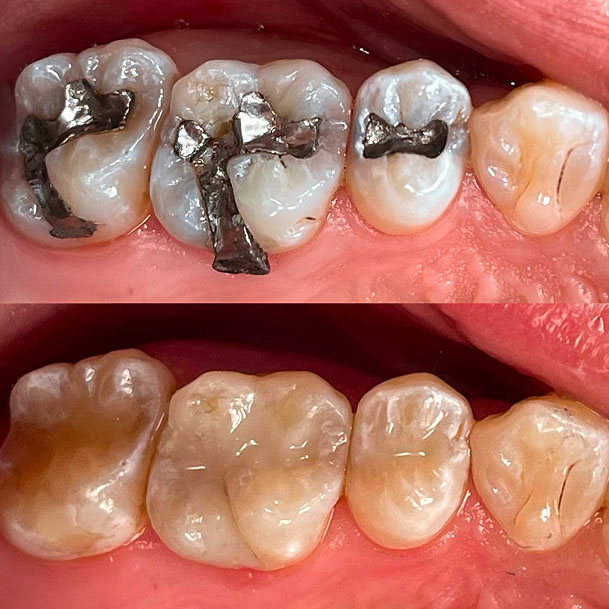
If decay is the cause, your dentist repairs the tooth to settle the irritation. Treating cavities early also heads off the deeper problems that keep tissue inflamed.

Smile Lab: The Place Where Healthy Gums and Confident Smiles Come Together
When swelling starts getting in the way of everyday comfort, you want a team that listens. Smile Lab is a modern, calming practice where our skilled specialists build care around you.
We use current technology to pinpoint and treat gum problems accurately, and we walk you through every step without piling on procedures you do not need. Your comfort and long-term oral health stay the priority.

Swollen Gum Help in Manhattan
If you notice that the gum around one of your teeth is swollen, it can be alarming, but most of the time, it is easy to fix. Early signs can tell you a lot about what is going on.
You can start by taking care of yourself at home, but if the swelling does not go down, you should see a doctor.
At Smile Lab, we are here to help you with your gum health at every stage with care you can trust.

Questions about Swollen Gums
When should I see a dentist for a swollen gum around one of my teeth?
If the swelling is mild and has an obvious cause, such as food stuck between your teeth, home remedies like warm salt water rinses may provide short-term relief. If it lasts more than two days, keeps getting worse, causes severe pain, or comes with fever or facial swelling, see a dentist right away. These are signs of a possible infection or abscess that will not resolve on its own and can become serious if left untreated. Smile Lab Dentistry in Union Square offers same-day appointments; call 332-237-6453 before it gets worse.
Can a swollen gum around one tooth go away on its own?
It depends on the cause. Minor swelling from food debris or mild irritation may resolve once the area is cleaned. Swelling from gum disease, tooth decay, or an abscess will not resolve without professional treatment and almost always worsens over time. If the area has been swollen for more than a couple of days or keeps returning in the same spot, that is your body telling you something needs attention. Do not ignore it.
Is a swollen gum around one tooth a dental emergency?
It can be. Swelling from a dental abscess, a pocket of infection inside the tooth or gum, is a genuine emergency. Abscesses can spread quickly to nearby teeth, the jawbone, and in serious cases beyond the mouth.
If your swollen gum comes with intense throbbing pain, a bad taste, warmth in the area, or any facial swelling, call Smile Lab Dentistry right away at 332-237-6453. Same-day emergency appointments are available at our Union Square location. If the swelling comes on fast and won’t wait, our emergency dentist team can see you the same day to relieve the pain and treat the cause.
How do I treat a swollen gum around one tooth?
At home, rinse with warm salt water, keep brushing and flossing gently, and use a cold compress for puffiness. That eases symptoms but does not fix the cause. If the swelling is due to decay, gum disease, or an abscess, you need a dentist to treat the source. No improvement in two days means book a visit.