Care starts with gentle, steady cleaning, not harder brushing. If the issue persists, worsens, or is accompanied by swelling around a tooth, bad breath, gum recession, or loose teeth, a dental exam can help determine whether you need routine care or more extensive treatment. At Smile Lab in Union Square, Dr. Waise Ebrahimi can check the cause and help you understand the next step without judgment.
Key Takeaways
- Bleeding while brushing, flossing, or during a dental visit usually indicates irritated tissue, often due to plaque buildup.
- Healthy tissue around the teeth should not react easily, so repeated spotting should not be treated as normal.
- Gentle brushing, daily flossing, and regular professional cleanings can help reduce inflammation and support better gum health.
- Spotting after a routine visit should improve quickly, but deeper inflammation or a deep cleaning may cause tenderness for longer.
- See a dentist if symptoms persist or worsen, or if they are accompanied by swelling, bad breath, gum recession, or loose teeth.
Why It Happens
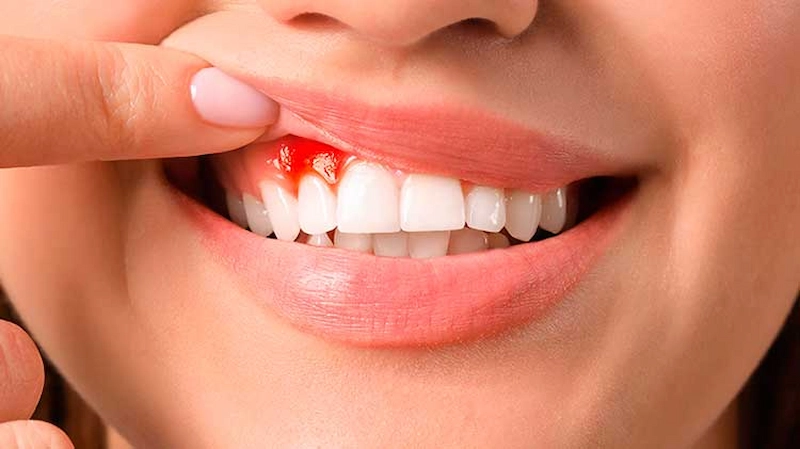
This usually happens because the tissue around the teeth is inflamed. Plaque and bacteria irritate the area, so even light pressure from a brush, floss, or dental instrument can cause spotting. A hygiene visit does not usually create the problem.
It often reveals inflammation that was already there. Once tartar is removed and your home routine improves, the tissue can heal. That is why consistent brushing and flossing matter after the appointment.
Why Gums Bleed During Dental Cleaning?
This reaction during a dental visit usually happens because the tissue is already irritated. When a hygienist removes buildup from around the tooth surface, inflamed areas can respond more easily. This does not mean the visit damaged your mouth.
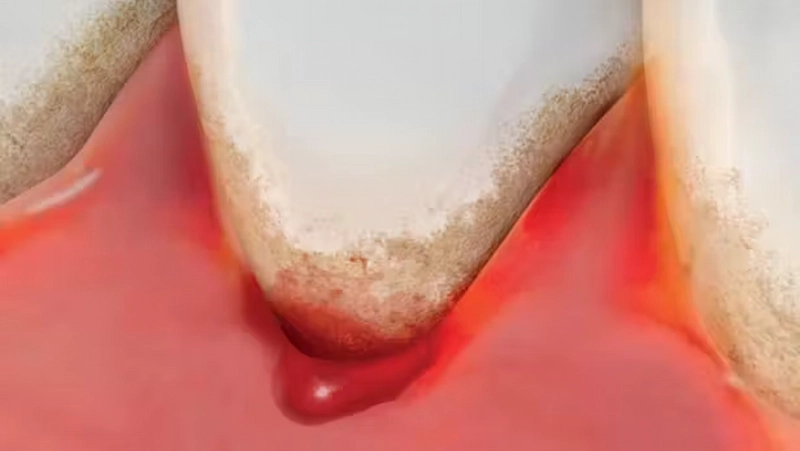
Plaque can lead to gingivitis, and tartar requires professional treatment because brushing cannot remove it once it has hardened. As a result, tools like an ultrasonic teeth cleaner may be used during a professional visit.
If inflammation persists, it can progress to periodontal disease. Over time, advanced gum disease can affect the bone that supports your teeth and increase the risk of tooth loss.
Should Gums Bleed During Cleaning?
Healthy tissue around the teeth is usually firm, pink, and not easily irritated. It may feel pressure during an appointment, but it should not react heavily. If this happens often, the area may need attention.
A small amount of blood can be common when you have plaque buildup, gingivitis, or a long gap between visits. Other factors can also play a role, including a vitamin deficiency, dry mouth, pregnancy, certain medications, or health conditions. A dental exam can help identify the cause instead of leaving you guessing.
Bleeding Gums When Brushing Teeth
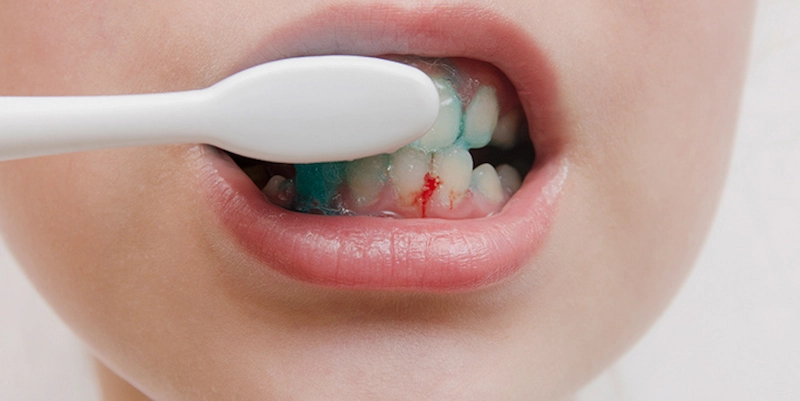
Bleeding gums when brushing teeth can come from inflammation, but technique matters too. Brushing harder does not clean better. A soft toothbrush and light pressure can clean along the tooth line without scraping the tissue.
If your toothbrush bristles flatten quickly, you may be pressing too hard. Use small circles near the tooth line and avoid scrubbing back and forth. The goal is steady plaque removal, not force.
Why Gums Bleed After a Dental Cleaning?
When gums bleed after a dental cleaning, the cause is usually existing inflammation rather than injury from the appointment. Hardened buildup can sit close to or below the tooth line, and removing it may leave the tissue tender for a short time, especially if your teeth feel sensitive after cleaning.
The area should feel better as inflammation settles and your home routine becomes more consistent. If you are planning your day after the visit, it can also help to know how long after a teeth cleaning you can eat.
This is different from symptoms that keep getting worse. If the issue persists for more than a few days, recurs often, or is accompanied by swelling or pain, schedule an exam. A dentist can check whether the tissue is healing normally or needs periodontal care.
How to Stop Gum Bleeding After Cleaning
The best way to reduce the issue is to lower inflammation. Brush gently, clean between your teeth every day, and keep up with regular dental visits. Do not stop cleaning the area just because you see blood.
Helpful steps include:
- Brush twice a day with a soft toothbrush and fluoride toothpaste.
- Floss once daily without snapping the floss into the tissue.
- Ask about water flossers if traditional floss feels difficult.
- Stay hydrated to support saliva flow and reduce dry mouth irritation.
These habits support oral health by helping control plaque before it hardens into tartar. Professional teeth cleanings still matter because tartar cannot be removed at home. A steady routine helps prevent inflammation from returning.
When Symptoms Need a Dentist
Ongoing blood in the sink deserves attention. It may come from gingivitis, advanced gum disease, brushing trauma, medication effects, or another health factor. Call a dentist if symptoms are frequent, heavy, unexplained, or paired with swelling, pain, loose teeth, or recession.
A dentist can check tissue health, plaque levels, pocket depth, bite pressure, and signs of infection. These details help separate mild gingivitis from more serious problems. They also help your dentist decide whether you need routine dental care, professional cleanings, scaling and root planing, laser teeth cleaning, or another type of periodontal care.
What to Expect at Smile Lab
At Smile Lab in Union Square, the goal is to identify the cause of your symptoms without making you feel judged. Dr. Waise Ebrahimi focuses on preventative and conservative dentistry, which means the team looks for ways to protect your natural tooth structure and support long-term gum health.
Your visit may include a tissue evaluation, low-radiation digital imaging when needed, and a clear explanation of what is happening.
For Manhattan patients with busy schedules, this helps turn uncertainty into a practical plan. It also helps you understand whether you need routine maintenance, deeper care, or changes to your home routine. The visit should leave you with clear next steps, not confusion.
Schedule Your Visit and see if Smile Lab is the right fit for you. Getting answers early can help you feel more confident about your dental care.