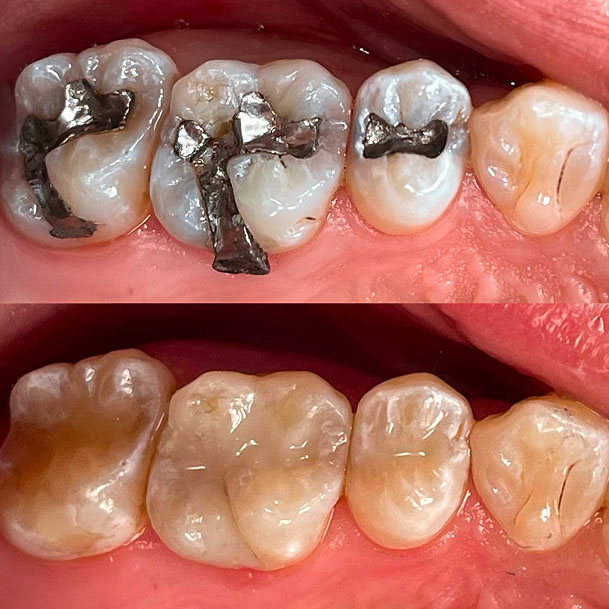
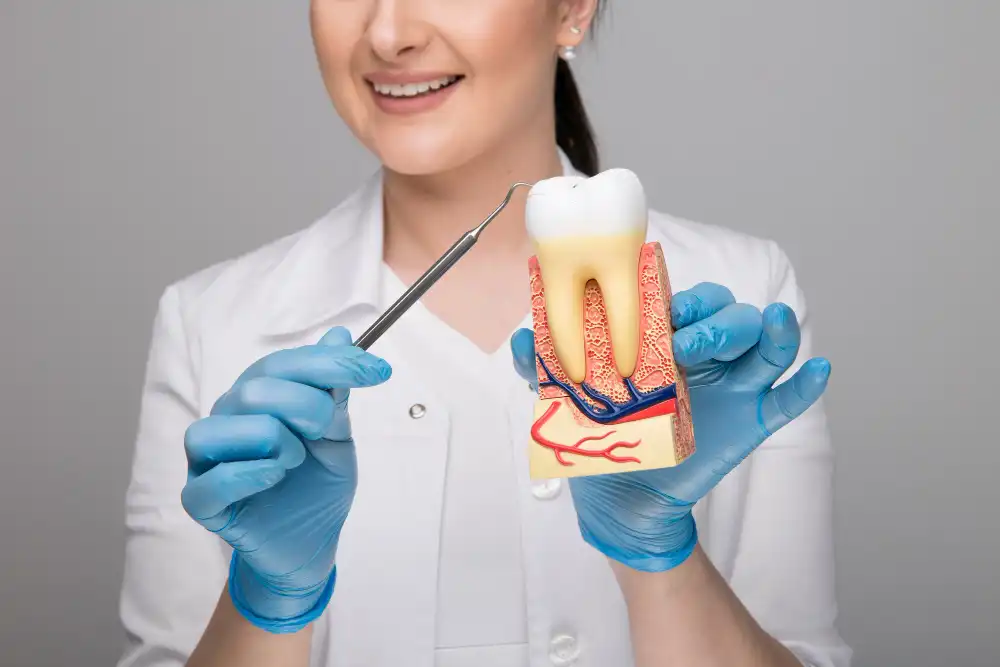
Many cases are completed in one visit. Complex anatomy or severe infection may call for a second appointment. If a permanent crown is needed afterward, we place that restoration at a separate follow-up.
How long does a root canal take? Quick Answer
Most appointments run 60 to 90 minutes. Front teeth average 45 to 60 minutes, premolars 60 to 90 minutes, and molars 90 minutes to two hours. Roughly the same answer applies whether you search for root canal therapy, endodontic treatment, or root canal surgery; all three describe the same procedure.
Key Takeaways
- Typical chair time is 60 to 90 minutes for a single appointment
- Front teeth are fastest; molars take longest because they hold three or four canals
- Most cases finish in one visit, though extensive infection may require two
- When a second appointment is needed, it usually falls one to two weeks later
- A permanent crown is placed separately, about two to three weeks after preparation
- Out-of-pocket pricing ranges from $1,400 for front teeth to $1,800 for molars
Some cases finish in a single appointment. Others need a second visit when infection is extensive, canals are difficult to reach, or medication must sit inside the pulp chamber before sealing.
Below you will find timing by tooth type, a stage-by-stage breakdown, reasons an appointment may run long, retreatment timing, and what recovery looks like.
How Long Does a Root Canal Take by Tooth Type?
Canal count is the single biggest factor in chair time. A tooth holding one canal is faster to clean, shape, disinfect, and seal than one holding three or four.
| Case Type | Appointments | Total Chair Time | Start to Finish |
|---|---|---|---|
| Single visit, no crown needed | 1 | 60 to 90 minutes | Same day |
| Single visit plus crown | 2 to 3 | 2 to 3 hours | 2 to 3 weeks |
| Two visits plus crown | 3 to 4 | 3 to 4 hours | 3 to 5 weeks |
Prices shown are out-of-pocket rates for patients without insurance. PPO plans may cover part of the cost, depending on the policy. We bill the crown or final restoration separately.
Front Teeth
How long does a root canal take on a front tooth? Incisors and canines usually hold one canal and sit within easy reach, so most straightforward cases finish in under an hour.
Premolars
Premolars hold one or two canals. Most run 60 to 90 minutes, though unusual internal shapes or advanced infection can extend the appointment.
Molars
How long does a root canal take on a molar? Most take 90 minutes to two hours, and complex cases run longer. Molars demand the most chair time because they sit at the back of the mouth and often hold three or four canals across two or three roots.
Each canal takes longer to treat than in a front tooth, simply because there are more to work through.

What Is a Root Canal?
Endodontic therapy removes inflamed or infected pulp from inside a tooth. The dentist or endodontist then cleans, shapes, disinfects, fills, and seals the canals. For a detailed walkthrough of each step, see the root canal step-by-step guide.
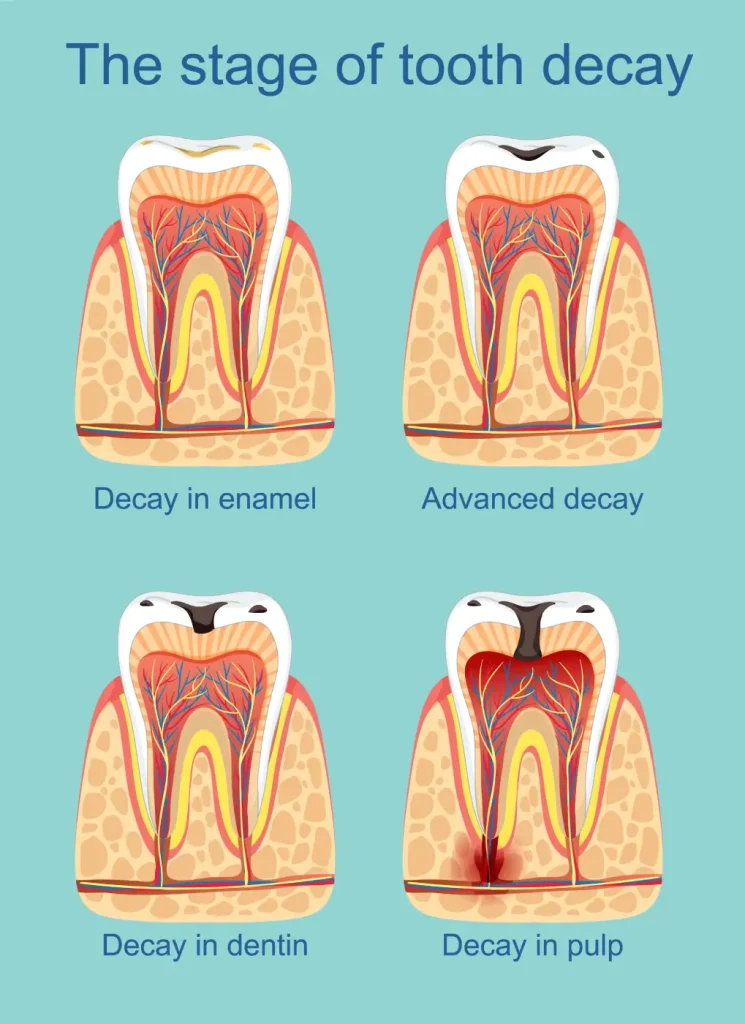
Pulp is the soft tissue holding nerves, blood vessels, and connective tissue inside a tooth.
It can become inflamed or infected because of:
- Deep decay
- A crack or chip
- Dental trauma
- Repeated work on the same tooth
- A damaged or leaking restoration
Patients often search for how long root canal surgery takes. The procedure is not surgery in the conventional sense; in a standard case, no incision is made in the gum, and the timing figures above still apply.
This care relieves pain and preserves the natural tooth. When a tooth cannot be saved, a tooth extraction may be necessary.
The American Association of Endodontists explains that damaged pulp is removed before the canals are cleaned, filled, and sealed, and that a permanent restoration then protects the tooth. Learn how root canal treatment works.
How Long Does Each Root Canal Stage Take?
How long does root canal therapy take from diagnosis through sealing? The table below shows what happens at each stage and how long it usually takes.
| Tooth Type | First-Time Chair Time | Retreatment Chair Time | Cost Factor |
|---|---|---|---|
| Front teeth | 45 to 60 minutes | 60 to 90 minutes | Usually the lowest tier |
| Premolars | 60 to 90 minutes | 90 minutes to 2 hours | Mid-range |
| Molars | 90 minutes to 2 hours | 2 hours or across two visits | Highest, due to added canals and access |
Stages overlap within a single appointment. A single-canal front tooth falls near the shorter end of each range, while a molar holding several canals sits near the upper end.
1. Consultation and Diagnosis
The dentist examines the affected area and takes X-rays to confirm whether the pulp is inflamed or infected. Imaging also reveals the number and shape of the roots, changes in surrounding bone, and signs of an abscess. Plan on 20 to 30 minutes.
2. Numbing and Isolating the Tooth
Local anesthesia numbs the area. A dental dam keeps the site dry and prevents saliva from entering the canals. The dentist then creates a small opening to reach the pulp chamber.
3. Cleaning and Shaping the Canals
Fine instruments remove damaged pulp. The dentist then cleans, disinfects, and shapes each passage so it can be filled. This is the longest part of the appointment, typically 30 to 60 minutes depending on canal count, infection severity, and anatomy.
4. Filling and Sealing
The dentist fills the cleaned canals with gutta-percha, a biocompatible, rubber-like material. Cement seals the space and reduces the chance of bacteria re-entering. Expect 15 to 30 minutes.
5. Placing a Temporary Restoration
A temporary filling closes the opening and shields the site until the permanent restoration is ready, which takes 10 to 15 minutes. A permanent dental crown is often recommended to protect the tooth and restore normal chewing.
Will You Need One Root Canal Visit or Two?
Many straightforward cases can be completed in a single appointment.
A second visit may be needed when:
- Several canals are narrow or curved
- Infection is extensive
- A canal is blocked or calcified
- Drainage or swelling is present
- Medication must remain inside before sealing
- The dentist cannot safely finish during the first appointment
How long between root canal appointments? The second visit is usually scheduled one to two weeks later. The exact gap depends on the affected tooth, the medication used, and how the infection responds. A temporary filling protects the site in between.
Avoid hard or sticky foods on that side until care and restoration are complete.
How long between root canal appointments? The second visit is usually scheduled one to two weeks later. The exact gap depends on the affected tooth, the medication used, and how the infection responds. A temporary filling protects the site in between.
Avoid hard or sticky foods on that side until care and restoration are complete.
How Many Days Does Root Canal Treatment Take From Start to Finish?
Chair time and total calendar time are different.
The procedure itself is measured in minutes. The full course, from first appointment through permanent crown, is measured in weeks.
A single-visit case with no crown needed is finished in one day. A single-visit case that needs a crown typically spans two to three weeks from start to final restoration. A two-visit case with a crown usually spans three to five weeks.
The American Dental Association notes that endodontic care generally requires one or two office visits. Read the ADA’s patient overview.
What Our Patients Say

11/02/2015


11/02/2015
11/02/2015
Root Canal Care Under One Roof
Smile Lab coordinates diagnosis, endodontic care, and restorative work in one Union Square practice.
Available services include:
- Digital X-rays and 3D imaging when clinically appropriate
- Endodontic and restorative care in the same location
- Sedation options for qualifying patients
- Written cost estimates before any work begins
- Crown planning after the procedure
- Same-day emergency dental care when appointments are available
Keeping both phases inside one practice reduces delays and simplifies communication between providers.
Root Canal Alternatives and How Long Each Takes
Doing nothing is not really an option. An untreated pulp infection does not resolve on its own. It typically worsens over weeks or months and can progress to an abscess, bone loss, or complete tooth loss.
Pulp capping is available when decay is deep, but the pulp is still healthy; a dentist may place a protective material under the filling instead. This adds only a few minutes to a standard filling appointment, though it is only an option before infection sets in.
Extraction and replacement remove the tooth faster on the day, often in 30 to 60 minutes, though you still need to factor in healing time before the replacement stage begins. The replacement is what takes time. An implant involves placement surgery, several months of healing, then an abutment and crown. A bridge or partial denture takes a few weeks; comparing implants and bridges side by side can help with that decision.
Saving the natural tooth is often the more direct path back to normal function, since the alternative usually adds a replacement step this procedure avoids. The American Association of Endodontists notes that treated teeth can last a lifetime with proper care, which is the main reason to save the tooth rather than replace it. Read the AAE’s guidance on saving treated.
What Affects Root Canal Procedure Time?
How long does root canal treatment take? In any individual case, it comes down to a handful of clinical factors: tooth position, canal count, and infection; it also depends on previous dental work.
Tooth Location and Canal Count
Front teeth hold fewer canals and are easier to reach. Molars sit farther back and have more complex internal anatomy, so locating and treating each passage takes more time.
Infection Severity
A heavily infected or abscessed tooth needs more cleaning and disinfection. Advanced infection can also make it safer to split care across two appointments rather than seal immediately.
Narrow, Curved, or Calcified Canals
Some passages are hard to locate or enter. Sharp curves, mineral deposits, and unusually tight spaces call for slower work to avoid damaging the surrounding structure.
Previous Dental Treatment
Crowns, large fillings, and posts make access harder. A previously treated tooth may need retreatment rather than a standard first-time procedure.
Restoration Requirements
Some cases need a core buildup or post before placing a crown. These steps extend the restorative timeline, not the cleaning phase.
Patient Comfort
The dentist may pause to check numbness, adjust positioning, or give you a break. Sedation dentistry helps qualifying patients stay comfortable, though preparation and recovery add time to the visit.
How Long Does It Take to Heal After a Root Canal?
Most soreness eases within a few days. Mild tenderness when biting can persist for a week or longer, especially if the tooth was painful or infected beforehand.
First 24 to 48 Hours
Mild soreness, tenderness, or swelling can occur as anesthesia wears off. Over-the-counter pain medication may help when taken as directed and when it is safe for you. Follow the instructions your dentist provides.
By One Week
Things should improve each day. Any remaining tenderness should be mild and continue to fade.
After Two to Three Weeks
Lingering bite sensitivity should be gone in most uncomplicated cases. Contact your dentist if pain stays flat, gets stronger, or returns after improving.
The American Association of Endodontists states that temporary tenderness commonly responds to over-the-counter medication, and recommends contacting your provider for severe pain, pressure, visible swelling, an uneven bite, or returning symptoms. Review root canal post-treatment guidance{:rel=”nofollow”}.
Most people return to work or routine activities the same day when only local anesthesia is used. Patients who receive sedation should arrange transportation and follow the practice’s recovery instructions.
Avoid chewing on the treated side until the numbness has fully worn off, and avoid hard foods there until the permanent restoration is in place. For guidance on what to eat after a root canal during recovery, the dedicated guide covers each stage.
How Long Does a Root Canal Last?
A properly treated and restored tooth can last as long as any other. The American Association of Endodontists states that many treated teeth last a lifetime with proper care. Read the AAE’s guidance on saving treated teeth.
The final restoration carries most of the weight here. For more on durability, review how long dental crowns last. A tooth that has lost a large amount of structure fractures more easily when left without a crown or similar protection.
A treated tooth can develop a new problem months or years later because of:
- A missed or untreated canal
- New decay
- A cracked or loose crown
- A fracture
- Bacteria entering through a damaged restoration
- Delayed placement of the permanent restoration
When that happens, you can often still save the tooth through root canal retreatment rather than extraction.
Brushing, flossing, regular checkups, and prompt repair of damaged restorations all extend how long the result holds.
How Long Does a Retreat Root Canal Take?
Retreatment takes longer than a first-time procedure, typically 90 minutes to two hours and sometimes across two appointments.
The extra time comes from an added step. Before the dentist can clean the canals again, they must remove the existing crown or filling and dissolve the original gutta-percha. Only then does the standard cleaning and sealing sequence begin.
The American Association of Endodontists explains that a tooth may need retreatment when narrow canals, complex anatomy, or a delayed restoration allow reinfection after the first procedure. Read the AAE’s guidance on endodontic retreatment:rel=”nofollow”.
Molars take the longest for the same reason they do the first time: more canals, harder access, and more to verify. Retreatment cost runs somewhat higher than a first-time procedure on the same tooth, reflecting the extra step of removing the old filling material before starting over. Exact pricing depends on the case and is provided at consultation.
Signs You May Need a Root Canal
Possible warning signs include:
- Severe or persistent tooth pain
- Pain when chewing or applying pressure
- Lingering sensitivity to hot or cold
- Swollen or tender gums
- A pimple or abscess on the gum
- Pus or a bad taste nearby
- A cracked or chipped tooth, especially on a tooth that already has a broken root canal
- Darkening or discoloration
None of these confirm that endodontic care is necessary. An examination and imaging are needed to identify the cause.
An untreated pulp infection can lead to pain, an abscess, or damage to surrounding bone. Prompt root canal treatment in Manhattan helps save the natural tooth while it remains restorable.

Comfort-First Root Canal Treatment at Smile Lab
This procedure removes infected or inflamed tissue, relieves the source of the pain, and preserves the natural tooth.
Plan on 90 minutes to two hours for the main appointment. Front teeth need less; molars and complex infections need more, and sometimes a second visit.
Diagnostic imaging and modern endodontic instruments guide planning around the affected tooth. Sedation and emergency appointment options are available for qualifying patients.

Root Canal Questions, Answered
How long does it take for a root canal procedure?
Timing depends on the tooth. A single-canal front tooth is often done in under an hour. A molar with three or four canals can take up to two hours, sometimes longer when infection or anatomy is complicated. Your consultation gives the dentist enough information to provide a specific estimate.
Can a root canal be done in one visit?
Yes. Many uncomplicated cases finish in one appointment. A second appointment is needed for extensive infection, narrow or curved canals, difficult anatomy, or medication placement, and it is usually scheduled one to two weeks later.
How long does a root canal and crown take together?
The procedure itself runs 60 to 90 minutes. The crown is a separate appointment, and you can do a root canal and crown together in some cases. However, the permanent restoration is typically placed about two to three weeks after preparation. Start to finish, budget two to three weeks for a single-visit case and three to five weeks if a second appointment is needed.
Is a root canal painful?
Local anesthesia goes in before anything begins, so most patients feel pressure rather than sharp pain. The procedure removes the inflamed or infected tissue causing the toothache. Mild tenderness for a few days afterward is normal.
The American Association of Endodontists states that modern technology and anesthetics make the experience comparable to having a cavity filled. Review common root canal myths.
Do I need to take the day off work?
Usually not. Most patients return to normal activities after an appointment done with local anesthesia. Take the rest of the day when sedation is used, the case is complex, or your dentist recommends more recovery time.
How long does it take to recover from a root canal?
Most people are back to their routine within a day and feel much better within a week. Minor bite sensitivity can take two to three weeks to disappear. Call your dentist if pain or swelling worsens instead of improving.
How soon is a crown placed after a root canal?
Usually about two to three weeks after the tooth is prepared, depending on the dental laboratory and the plan. Avoid chewing hard food on that side while a temporary filling or crown is in place.
Where can I get a root canal in Manhattan?
Smile Lab provides this care at its Union Square office, with digital imaging, sedation options, emergency appointments, and permanent restoration planning available in one location.