Nearly 15 million of these procedures are performed each year in the United States, according to the American Association of Endodontists. The procedure itself is often quicker than people expect, and knowing how long a root canal procedure typically takes can ease some of the pre-appointment nerves. It relieves the pain of an infected tooth, but it leaves most people uncertain about the recovery that follows.
Your diet after a root canal has more influence on comfort than most patients expect. The right meals ease soreness and support healing, while the wrong ones irritate the site or damage a temporary filling.
This guide covers root canal recovery food for the full window: post root canal eating tips for the first two days, a timeline for returning to normal meals, what to drink, and the warning signs that mean you should call someone.
When Can You Eat After a Root Canal?
Can you eat after a root canal? Yes, but timing matters more than the menu on day one. If you’re also wondering Can I eat after a root canal right when the appointment ends, the answer is not yet- not until the numbness is completely gone.
Wait until the anesthetic has completely worn off, which typically takes a few hours. Chewing while your lip, tongue, or cheek is still numb is the most common way patients injure themselves after the appointment, because you cannot feel the pressure of your own bite.
Once sensation returns after your root canal procedure, start with something soft and lukewarm. This is really what to eat after a root canal procedure comes down to early on: timing and texture, not variety. If a temporary filling or crown was placed, wait until you can chew normally on that side before testing anything firmer than the soft options below.
The same caution applies if you’re recovering from a standard filling rather than a root canal, since both restorations need time to set before they can withstand normal chewing pressure.
Tip: Sip room-temperature water while you wait for the numbness to fade. It keeps you comfortable without any risk of chewing.
Best Foods to Eat After Root Canal
What you eat immediately afterward should be gentle on the treated tooth and the surrounding gum tissue. Here are the dentist-recommended categories, expanded with more options than you will get through in the first few days.
Soft And Creamy Options
During the first 24 to 48 hours after a root canal treatment, your mouth will likely feel tender, and chewing will be uncomfortable. The soft foods to eat after a root canal are the ones that need almost no work from your jaw.
| Food Option | Why It Helps During Recovery |
|---|---|
| Mashed potatoes and sweet potatoes | Smooth and rich in nutrients |
| Oatmeal or cream of wheat | Easy to swallow |
| Yogurt (plain or Greek) | Rich in calcium to support enamel |
| Applesauce | Naturally sweet and easy to eat |
| Soft pasta, rice, or well-cooked noodles | Filling without straining the treated side |
| Pudding or custard | Requires no chewing at all |
| Polenta or grits | Warm, mild, and easy to portion |
| Hummus | Smooth texture with plant protein |
| Cottage cheese | Soft curds that break down easily |
Tip: Enjoy these at a moderate temperature to prevent sensitivity from extreme heat or cold.
Protein-Packed Picks
Your body needs protein to support the immune system and speed healing. Protein also keeps you full and steadies your energy while the site recovers.
Choose sources that are naturally soft or can be cooked until tender:
| Food Option | Why It Helps During Recovery |
|---|---|
| Scrambled eggs | Soft and rich in high-quality protein |
| Tofu | Soft and easy to chew |
| Smooth nut butters (peanut, almond, cashew, tahini, soy nut) | Provide protein and healthy fats without chewing |
| Well-cooked fish (salmon, cod, tilapia, haddock) | Flaky texture and offers omega-3 fatty acids |
| Shredded chicken in broth | Tender enough to swallow with minimal effort |
| Cooked lentils | Soft protein with iron and fiber |
| Ricotta or soft cheese | Creamy and calcium-rich |
| Protein smoothie (no seeds) | Full nutrition in a single sip |
Tip: Take small bites and chew slowly to keep pressure off the treated side of your mouth.
Nutritious Fruits And Veggies
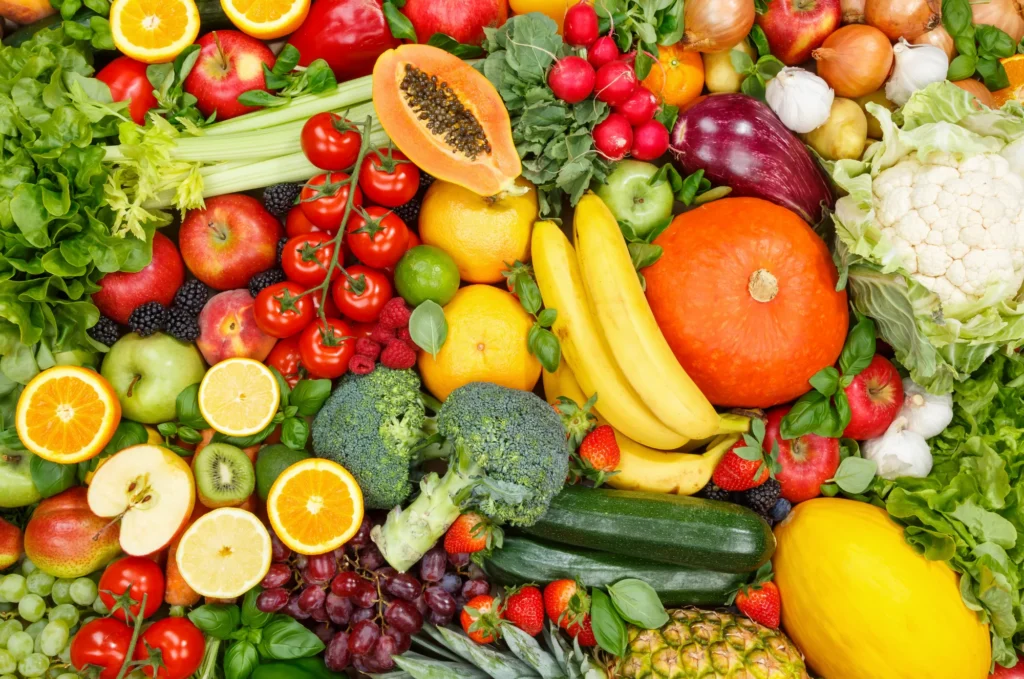
Produce supplies the vitamins and minerals healing depends on. Raw versions are too harsh early on, so pick softer or blended forms to get the same nutrition in a gentler texture.
| Food Option | Why It Helps During Recovery |
|---|---|
| Steamed carrots, zucchini, or squash | Tender and loaded with vitamins A, C, and E |
| Bananas | Soft and rich in potassium |
| Avocados | Creamy texture with healthy fats that aid recovery |
| Stewed apples or pears | Softer than raw fruit but high in nutrients |
| Ripe peaches or melon | Naturally tender with no prep needed |
| Mashed peas | Gentle plant protein and vitamin K |
| Blended vegetable soup (lukewarm) | Full serving of produce with zero chewing |
| Cooked spinach | Folate and iron in a soft form |
Tip: Blend or mash produce so you get the nutrition without biting into anything crunchy.
Cool And Soothing Choices
Cool items help reduce swelling and dull the soreness. Skip anything icy; lightly chilled with a gentle texture is what you want.
| Food Option | Why It Helps During Recovery |
|---|---|
| Chilled yogurt (soft-serve style) | Eases soreness with a soothing effect |
| Chilled chia seed pudding | Smooth and nutrient-rich |
| Soft ice cream (without nuts or crunchy mix-ins) | Comforting treat that cools the mouth |
| Cold cottage cheese blends | Protein-packed and refreshing |
| Kefir | Cool, drinkable, and full of probiotics |
| Chilled rice pudding | Soft and satisfying between meals |
| Blended smoothie bowl (no seeds or granola) | Cools and nourishes at once |
Tip: Use cool options between meals to ease soreness around the treated area.
Returning to Normal Meals: A Recovery Timeline
By the third or fourth day, sensitivity usually fades and chewing feels more natural. That is the point to start reintroducing texture, without rushing straight back to your usual plate.
Keep chewing on the opposite side until a permanent dental crown is placed. Once your final restoration is fitted and checked, you can return to eating normally.
| Recovery Phase | What to Eat | What to Watch |
|---|---|---|
| First few hours | Nothing until numbness fades | Accidental cheek or tongue bites |
| Hours after, through 48 hours | Soft, lukewarm, no chewing required | Temporary filling coming loose |
| Days 3 to 7 | Add rice, soft bread, tender pasta, steamed greens, shredded chicken | Sharp pain when biting down |
| After permanent crown | Full return to your usual diet | Bite feeling high or uneven |
Tip: Eat smaller portions more often rather than three full meals. It reduces total time spent chewing.
What to Drink During Recovery
Hydration supports tissue repair and saliva production, and it prevents the dry mouth that makes irritation worse. Water at room temperature is the best choice throughout.
Skip straws entirely for the first few days. The suction pulls at the treated area and can dislodge a temporary filling or crown.
Good options include room temperature water, lukewarm chamomile tea, milk, and coconut water. Avoid carbonated drinks, alcohol, and anything served very hot or over ice.
What to Avoid After a Root Canal
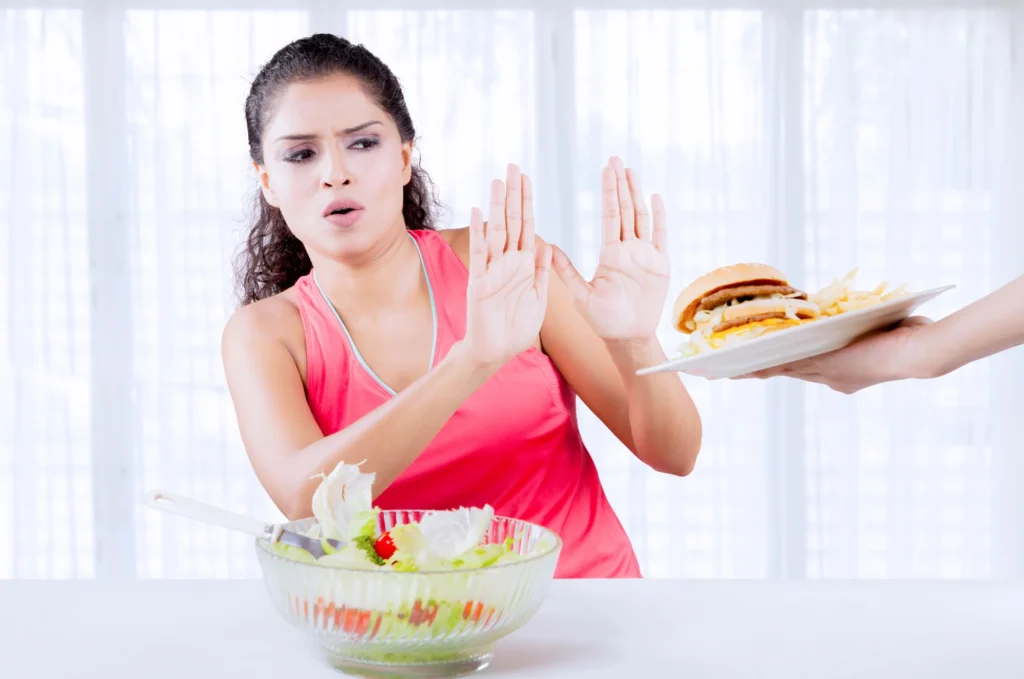
Choosing well is only half of it; avoiding the wrong textures matters just as much for a smooth recovery. Many of these restrictions overlap with what dentists recommend after other procedures, including foods to avoid after a tooth extraction, so the same instincts serve you well either way.
Hard & Crunchy Items
Anything requiring heavy chewing puts pressure on the treated tooth and can crack a temporary filling. Crunchy textures also cause discomfort and slow healing.
Examples: Nuts, popcorn, chips, hard candies, raw carrots, crusty bread, ice cubes
Sticky Items
These cling to dental work and can pull fillings loose. They also trap particles in sensitive areas.
Examples: Gum, caramel, gummy candies, taffy, chewy breads, marshmallows, dried fruit such as mango strips or apricots
Very Hot or Spicy Dishes
High heat and strong spice irritate healing tissue and heighten sensitivity. They can also worsen gum inflammation.
Examples: Very hot soups, coffee or tea served hot, chili dishes, hot sauces, spicy curries, salsa and spicy dips
Citrus and Acidic Items
Acid stings inflamed tissue and can slow repair while the area is still healing.
Examples: Oranges, lemons, grapefruit, tomatoes, vinegar-based dressings, pickles, soda
Sugary Snacks and Drinks
Sugar feeds the bacteria you just had cleared out. Keeping intake low during the first week protects the work that was done.
Examples: Candy, soda, sweetened juice, pastries, sweetened coffee drinks
Aftercare Beyond Your Plate
Diet is only part of recovery. A few daily habits make a real difference in how quickly the area settles. Keep brushing twice daily and flossing once, but be gentle around the treated site. Do not pull floss upward past a temporary filling or crown, since that is the fastest way to dislodge it.
Rinse with lukewarm salt water if you feel mild soreness. Avoid smoking and vaping, both of which slow healing, and skip alcohol while the tissue repairs. Aim for extra sleep in the first two nights if you can. Tissue repair happens fastest when you’re not running on short rest.
When to Seek Professional Help
Mild tenderness for a few days is normal. These signs are not, and they mean you should call your provider rather than wait it out.
| Warning Sign | Why It Matters |
|---|---|
| Throbbing pain that worsens instead of easing | May signal remaining infection |
| A loose or dislodged temporary filling | Leaves the cleaned canal exposed |
| Swelling near the jaw, cheek, or face | Suggests infection is spreading |
| Sharp pain when biting, even on soft items | Often means the bite is sitting high |
| Fever, or a bad taste and discharge | Points to active infection needing prompt care |
| Sensitivity lasting beyond one to two weeks | Longer than the expected healing window |
Any of these warrant same-day attention. Swelling paired with fever should be treated as urgent, and emergency dental care is the right route if it appears outside normal hours. If you are still uncomfortable after following these recommendations, the team at Smile Lab provides personalized aftercare instructions alongside the procedure itself.
Conclusion
Diet after root canal treatment is not complicated once you know the timeline. What you eat afterward has a real effect on how quickly and comfortably you recover. Build the first two days around soft, protein-rich, nutrient-dense options, then add texture gradually from day three.
Skip hard, sticky, acidic, and sugary items until your permanent restoration is in place. Stay hydrated and leave the straws alone. If something feels wrong, say so early rather than waiting to see whether it settles.