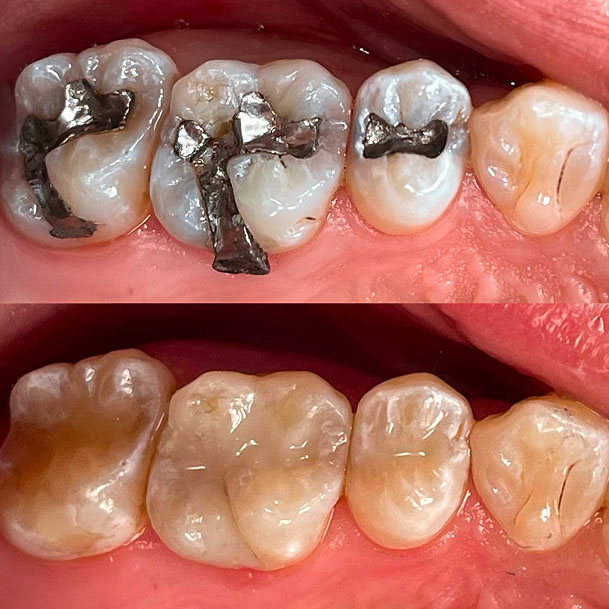
When talking about dental health and dental procedures, it’s essential that you understand all of your treatment options. Going into each dental procedure well-informed and ready can be the difference between a successful operation and a failure.
One of the most important specialities in dentistry is endodontics, which focuses on preserving the natural health and function of your teeth by treating infection inside your tooth’s inner pulp.
In this guide, we’ll be focusing on what endodontics is and how an endodontist can save your teeth.
What is Endodontics?
Endodontics is a specialized field within dentistry that deals with the treatment of issues related to the soft tissue inside your teeth also known as pulp, as well as the tissues surrounding the root of the tooth.
This treatment keeps its focus on maintaining the structural integrity of your teeth, by focusing on treating the issues inside of the root of your teeth, it protects your teeth from further infection and decay.
An endodontist is a dental professional who is skilled in the treatment of internal infection. Endodontists’ specialties lie in preserving healthy pulp and preventing further complications by dealing with inflamed or damaged pulp.
When the pulp of your teeth is irreversibly damaged or decayed, an endodontist is the most qualified person to diagnose the issue and recommend the best course of action.

Save Your Teeth, Save Your Smile
What is the Purpose of Endodontic Treatment?
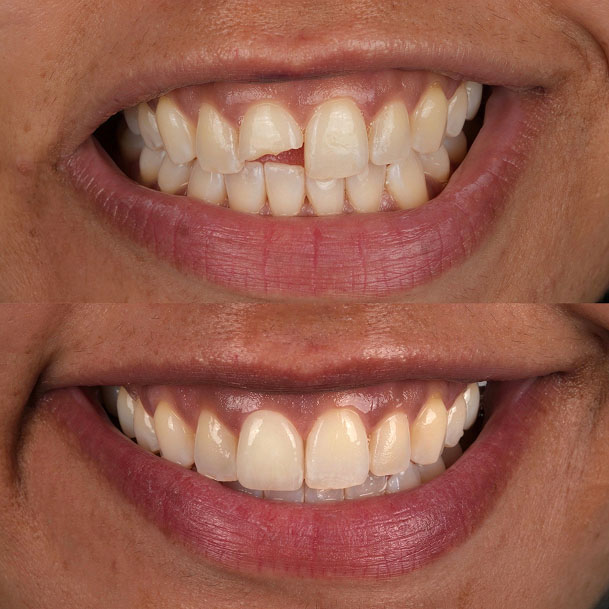
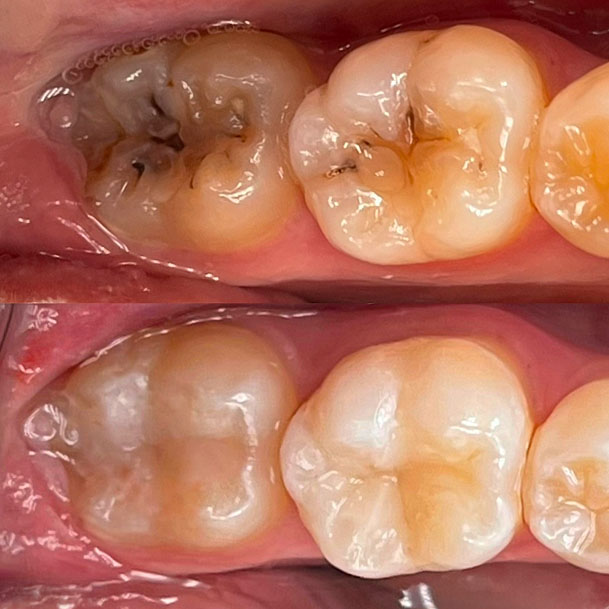
The main purpose of endodontic treatment is to save a tooth that may otherwise need to be pulled out. By focusing on the issues within the pulp, endodontists can save these unsalvageable teeth, eliminate infection, relieve pain and restore the tooth’s function.
The key goals of endodontic treatment are:
- Disinfecting an infected and inflamed root canal
- Removing pathological pulp tissue
- Cleaning and reshaping the root canal system
- Filling the root canal to prevent re-infection
- Promoting healing and maintaining the tooth’s structural integrity
What Our Patients Say
EXCELLENT Based on 2276 reviews
 Posted on Google
 Jou Min Chen (Jumin)I've been taking all my treatments over here for over a year now and so far I'm pretty satisfiedPosted on Google
 nikhil keswaneyDr basseri was amazing he took into account my fiances anxitey i to account and performed the filling even after hours he definitely earned 2 permenant patients.Posted on Google
 AkusaBeautiful experience! For my first dental visit- I had a smooth experience. Everyone was super nice. From the dentist, to the receptionist… all of the above.My teeth feels amazing. Super patient and explains everything clearly. I recommend, and I will definitely be back!Posted on Google
 Brynden FosterThis team is so helpful and kind! I always feel like a VIP coming for my cleaning and I couldn’t recommend them more.Posted on Google
 bhanu dattastaff was very helpful and they explained the procedure and payment options in a friendly wayPosted on Google
 Robina ShieldsMy experience with Smile Lab Dentistry Union Square "Wonderful", right down to the teeth cleaning.. that will make a person smile.Posted on Google
 Peter ChauLove coming here as a patient. Everyone here is super nice and thorough. I had my wisdom teeth done here which was an excellent experience. I now commute all the way to the city just to get my regular check ups here because it’s worth the trip. Also, I never had a hygienist floss my teeth before this place
What is Endodontic Treatment?
Normally referred to as a “root canal”, endodontic therapy is a process that involves your dentist removing the infected tissue inside your teeth. Afterwards, they disinfect the inside of your teeth before filling and sealing them. This process saves you from future infections and protects your tooth from extraction.
Endodontic therapy is crucial when it comes to protecting your natural teeth. While implants and prosthetics can return function to your teeth, nothing can quite match the function of your original teeth.

root canal symptoms
Common Causes for Endodontic Treatment
The soft tissue inside your teeth can become infected or otherwise damaged because of a multitude of reasons, mainly due to poor hygiene, periodontal disease and traumatic injuries. Here are some typical situations that may lead to the need for endodontic treatment:
1. Tooth Decay
When tooth decay reaches deep enough into the pulp, it can lead to an infection which becomes painful.
2. Trauma
A harsh blow to your teeth can damage or expose the pulp of your teeth or bacteria even if there’s no visible damage.
3. Repeated Dental Procedures
If you’ve had too many fillings or root canals to the same tooth, it can cause the nerves inside the pulp to die.
4. Fractures
Any deep cracks in the teeth can reach inside and expose the soft nerve tissue to bacteria leading to infection.
5. Severe Sensitivity
If you experience painful tooth sensitivity to hot or cold temperatures your tooth may have an inflamed pulp.
6.Medical Conditions
In particular cases, medical reasons can complicate tooth extraction, making endodontic treatment a safer option.
Improve your oral health today!
Stop waiting! Call now to schedule your Consultation at Smile Lab
What Procedures Do Endodontists Handle?
Endodontists specialize in maintaining and preserving your natural teeth while treating whatever issues lie in the internal tissues. They handle a wide range of procedures, including:
- Root Canal Therapy: Removes infected or damaged pulp, cleans the canals, and seals the tooth to prevent further issues.
- Endodontic Retreatment: address any complications with a previous root canal by removing and replacing the filling inside.
- Endodontic Surgery: Some procedures that involve removing the tip of a tooth’s root to eliminate infection.
- Root Amputation: As the name suggests, the procedure involves the removal of one root from a multi-rooted tooth.
- Internal Bleaching: Treats discoloration from both the outside and inside.
Endodontists make use of advanced techniques and materials in order to manage complex cases with the utmost care. Endodontists’ expertise in preserving natural teeth makes them essential to the dental field.

How Can Endodontics Save Your Teeth?
As mentioned before, endodontists can play a vital role in preserving your natural teeth, by only treating the infected pulp and cleaning the inside of your teeth they maintain your natural teeth and structure. Here’s how endodontic procedures can help save you from future complications:
- Prevents Tooth Loss: By treating the inner structures of the tooth, endodontists eliminate the need for extraction.
- Maintains Natural Function: By helping you keep your natural teeth they preserve your ability to chew and speak with comfort.
- Prevents Further Infection: By sanitizing and cleaning your tooth, they prevent further bacteria from entering your tooth.
- Preserves Aesthetics: By helping you keep your natural teeth, they help maintain the natural appearance of your smile.
What Dental Issues Require Endodontic Treatment?
When the pulp inside your teeth becomes infected or damaged, endodontic treatment can step in to recover your original teeth. Some common dental issues that require endodontic treatment include:
- Deep Cavities: When tooth decay reaches internal tissue, it leads to infection and extreme pain.
- Cracked Teeth: Deep cracks may extend into the pulp and expose it to harmful bacteria.
- Tooth Trauma: Hard blows to teeth can damage nerve tissue without visible signs.
- Repeated Dental Work: Too many dental procedures on the same tooth can worsen internal pulp’s health.
- Large Fillings with Recurrent Decay: If fillings repeatedly decay they can greatly damage inner tissue.
- Abscessed Tooth: Infections can cause a build-up of pus at the root of the tooth that becomes severely painful and leads to swelling.
- Significant Sensitivity: If you’ve had extreme sensitivity to cold or hot temperatures it may be a sign of pulp inflammation.


Relief Starts with the Right Care
Gum Disease Prevention
With proper oral care, gingivitis can be reversed, and gum disease can be controlled before it worsens. The key to prevention includes:
- Brushing Twice Daily: Use fluoride toothpaste and a soft-bristled toothbrush. Replace your toothbrush every three months to ensure effectiveness.
- Flossing Every Day: Flossing removes debris and plaque buildup in areas your toothbrush can’t reach. It’s crucial for preventing bacterial growth between teeth.
- Using Antibacterial Mouthwash: Mouthwash can help kill bacteria and freshen your breath. Look for options that prevent plaque buildup and gingivitis.
- Managing Stress: Stress weakens your immune system, making it harder to fight infections, including gum disease.
- Avoiding Teeth Grinding and Clenching: Excess pressure on teeth can accelerate gum tissue loss. If you grind your teeth at night, a custom mouth guard may help.
Expert Care for Stronger Teeth
Protect Your Smile with Expert Endodontic Care!
Recognizing the symptoms of periodontal disease early can help prevent long-term complications, including tooth and bone loss. By maintaining good oral hygiene habits, seeking regular dental care, and making lifestyle adjustments, you can protect your gums and overall health.
Lastly, if you’re experiencing any symptoms of gum disease, don’t wait, schedule a consultation with a periodontist today to take control of your oral health before the condition progresses further.
Call now to Schedule Your Appointment
At Smile Lab, you will receive experienced & professional periodontal services in a supportive
and high-tech environment, ensuring you get the best care possible.