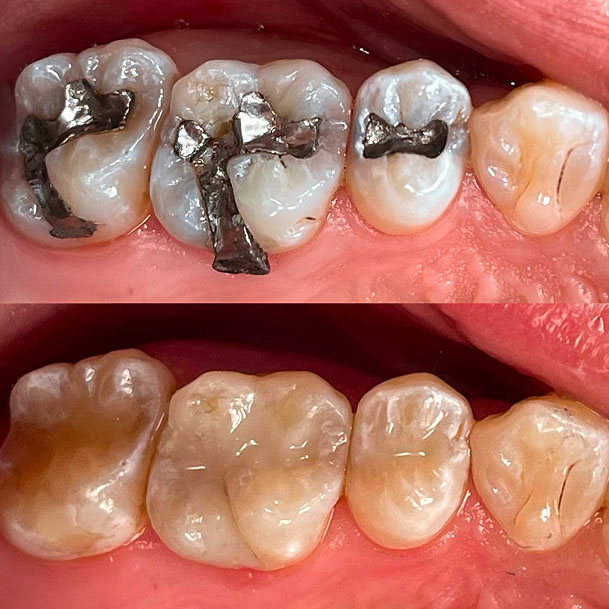
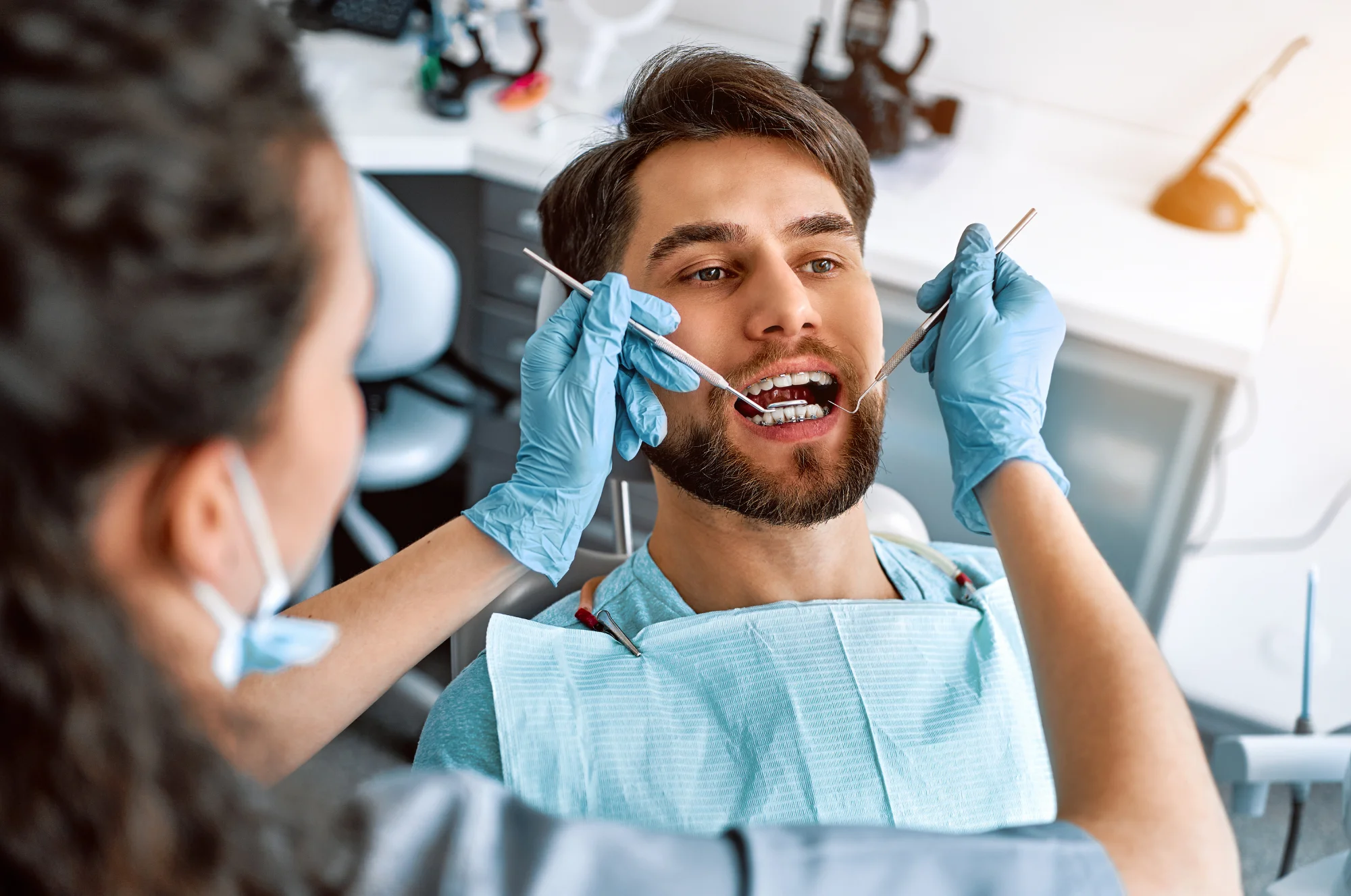
The tooth root canal process usually takes one to two appointments, each lasting around 90 minutes, though the exact number depends on how deep the infection has spread.
During the first visit, the dentist numbs the tooth, opens a small access point, and removes the infected pulp from inside the tooth and its roots.
If a second appointment is needed, the dentist fills and seals the cleaned canal, then places a crown or other restoration to protect the tooth and prevent future infection. Here’s exactly what happens at each stage, from the moment you sit down to the day your crown goes in.
Key Takeaways
- A root canal removes infected tissue from inside the tooth and then seals the space to prevent the problem from spreading, usually over one to two appointments of about 60 to 90 minutes each.
- The procedure itself is comfortable, not painful. Local anesthesia keeps you numb throughout, and most patients say it feels similar to getting a filling.
- Watch for warning signs like tooth pain when chewing, a pimple on the gum, or lingering sensitivity to hot or cold, and see your dentist promptly, since they tend to worsen if left untreated.
- Saving your natural tooth with a root canal almost always beats extraction, and treatment succeeds in more than nine out of ten cases when the tooth is properly restored afterward.
- Root canals have no proven link to cancer, heart disease, or other systemic illness. That myth traces back to discredited research from the early 1900s.
Quick Overview of the Dental Root Canal Process
A root canal removes infected or inflamed tissue from inside a tooth and then seals the space to prevent the problem from spreading.
The dentist numbs the area with a local anesthetic, makes a small opening, removes the damaged tissue, and fills the canal before placing a temporary filling.
A crown typically follows a few weeks later to restore full strength. Most appointments take 60 to 90 minutes, and the entire root canal procedure usually wraps up in one to two visits.
How Does a Root Canal Work
Understanding how a root canal works reduces much of the anxiety around it, since every step is designed to protect the tooth and keep discomfort to a minimum.
Dos and Don’ts Before Treatment
Eat a real meal before your appointment. Numbness afterward makes chewing difficult for a few hours, so showing up hungry only backfires later.
Skip alcohol the night before if you’ve been prescribed anything for the visit, and mention every medication you take, since a few interact with anesthesia. If you were prescribed antibiotics beforehand, finish the full course rather than stopping once the pain fades.
Steps of the Root Canal Treatment Procedure
Before any drilling starts, the dentist confirms the diagnosis. That usually means an X-ray to see the extent of the damage, a quick bite test to check where the pain is coming from, and sometimes a cold test to see whether the nerve inside the tooth still responds.
Once that’s confirmed, here are the steps of the root canal treatment procedure in the order they actually happen:
- The dentist numbs the tooth and surrounding gum with local anesthesia, so pressure is the only sensation you should feel from here on.
- A small protective sheet keeps the area clean and dry.
- A small access opening lets the dentist reach the infected pulp inside the tooth and its roots.
- The space is thoroughly cleaned, shaped, and disinfected.
- The canal is filled with a rubber-like material and sealed shut.
- A temporary filling protects the tooth until your crown appointment, when the tooth is restored.
Your general dentist typically handles the crown placement at a follow-up visit, once the tooth has had time to settle.
How Long Does a Root Canal Take
Most single visits run 60 to 90 minutes, though molars often take longer than front teeth since they have more canals to treat. You may need a second appointment if the infection runs deeper than expected. For a full breakdown by tooth type, our guide on how long a root canal takes covers the variables in more detail.
Your dentist will tell you which situation applies to your case before starting, so nothing catches you off guard during the appointment.
Sedation isn’t standard for a root canal itself, since local anesthesia numbs only the treated tooth and keeps you alert and comfortable throughout the procedure.
If dental anxiety has kept you away from treatment for years, ask about sedation options before your appointment rather than assuming every practice offers it, since policies vary from office to office.
Signs and Causes of Needing a Root Canal
Catching the warning signs early usually means a simpler dental procedure and a shorter recovery.
Common Symptoms of Tooth Infection
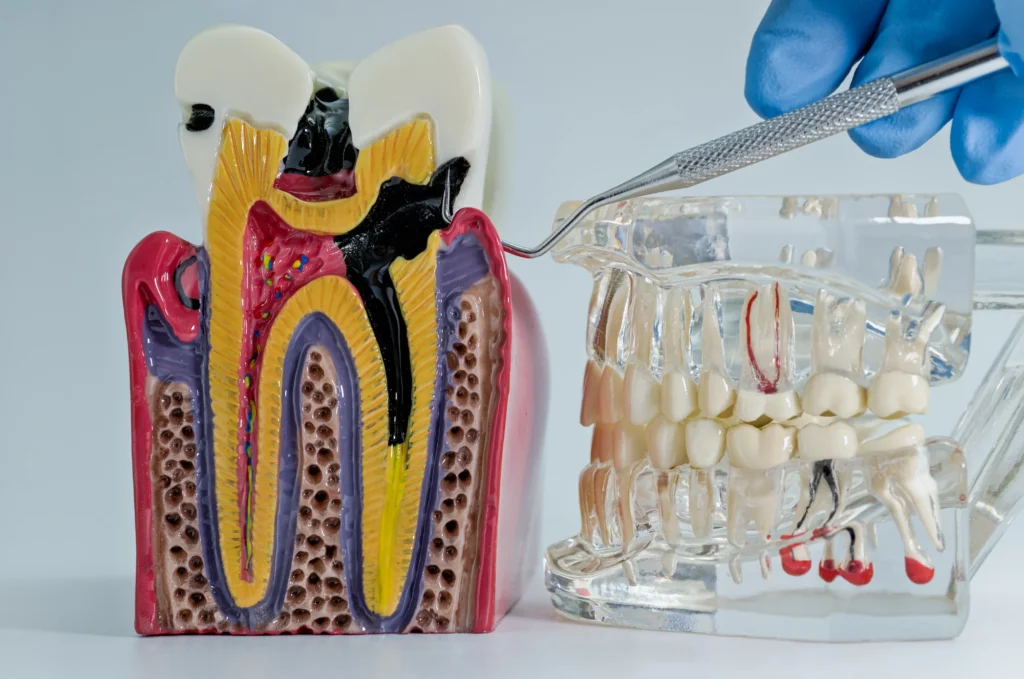
Tooth pain when chewing or biting down is usually the first sign people notice. A pimple on the gum near the tooth means your body is trying to drain an infected tooth on its own.
Jaw swelling, a tooth that suddenly feels loose, or sensitivity to hot or cold that lingers long after your last meal all point to the same underlying issue. Left untreated, these symptoms tend to get worse rather than resolve on their own.
What Causes a Root Canal
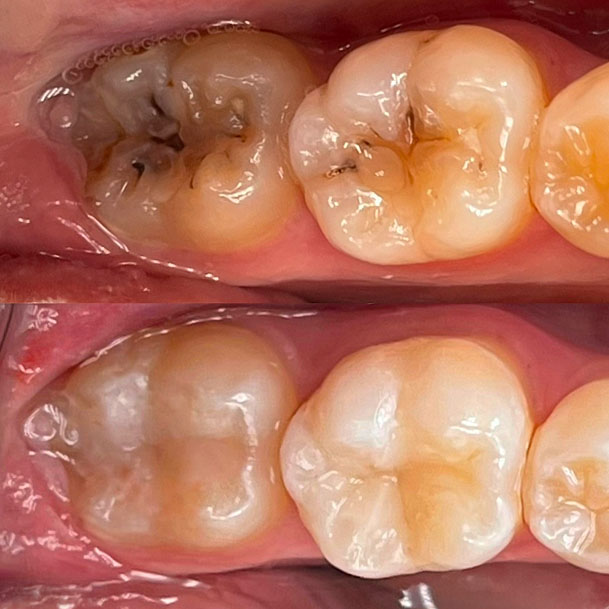
Deep decay reaching the inner pulp is the most common trigger. A cracked or fractured tooth opens the same pathway for bacteria to reach it.
Years of repeated dental treatment on one tooth can wear it down enough to cause problems, and even a hard blow to the mouth can damage the pulp without leaving a visible crack behind.
Is a Root Canal Painful
No. Local anesthesia keeps the procedure itself comfortable, and most patients say it feels about the same as getting a filling.
Mild soreness for a day or two afterward is normal and usually manageable with an over-the-counter pain reliever. Mild discomfort that steadily improves is expected; pain that worsens instead of improving is your cue to call your dentist.
What to Expect After a Root Canal
Recovery is typically quick when you follow a few simple habits during the first week.
Most people feel back to normal within three to five days, though some biting sensitivity can linger a little longer while the area finishes healing.
Avoid biting directly on the treated tooth until your permanent crown goes in, and stick to soft foods like yogurt or scrambled eggs in the meantime. Our guide on what to eat after a root canal has a fuller list for each stage of recovery. Brush and floss normally everywhere else in your mouth, since good dental care there speeds overall healing.
Root Canal vs Tooth Extraction
Saving your natural tooth almost always beats removing it. A root canal preserves your natural bite, keeps neighboring teeth from shifting, and skips the added cost and healing time of an implant or bridge down the road.
Tooth extraction still has its place when a tooth is too damaged to restore, but it usually requires more appointments and costs more over time.
On the rare occasion a root canal doesn’t fully resolve the infection, a second treatment called retreatment can often save the tooth without moving straight to extraction.
Root canal treatment succeeds in more than nine out of ten cases, and a properly restored tooth can function for as long as any of your natural teeth.
How long it lasts depends largely on getting the permanent crown placed promptly and keeping up with regular cleanings afterward. Teeth toward the back of your mouth carry more chewing force, so a full crown tends to protect them from fracture better than a smaller filling would.
What a Root Canal Costs
The cost of a root canal depends mainly on which tooth needs treatment. Front teeth generally cost less to treat since they have a single canal, while premolars and molars cost more because there’s more internal structure to clean and seal.
At Smile Lab, root canal treatment runs from $1,400 for front teeth up to $1,800 for molars, with premolars falling in between.
Common Root Canal Myths
For decades, root canals carried a reputation they didn’t earn. The most persistent version claims root canals cause cancer, which has no scientific basis at all.
That myth traces back to a theory from the early 1900s, called focal infection theory, which has since been discredited, and it also fed related claims linking root canals to heart disease and other systemic illnesses.
According to the American Association of Endodontists, modern sterilization, imaging, and techniques have made the procedure safe, predictable, and unrelated to disease elsewhere in the body.
If you’re squeezing dental care between meetings near Union Square or just want a straight answer before your next commute, Dr. Waise Ebrahimi brings a Fellowship from the American Endodontic Society and a conservative approach focused on preserving your natural tooth structure whenever possible.
Smile Lab uses low-radiation digital imaging to catch problems early, before they become more serious. If tooth pain has been on your mind, schedule a consultation and get a clear answer instead of another week of wondering.