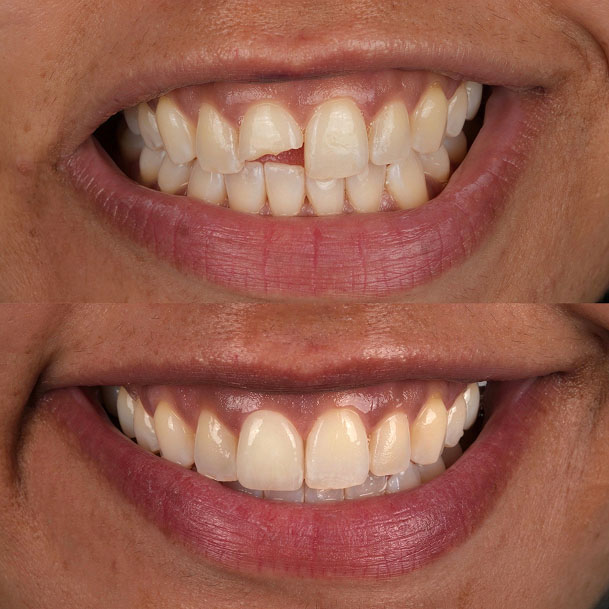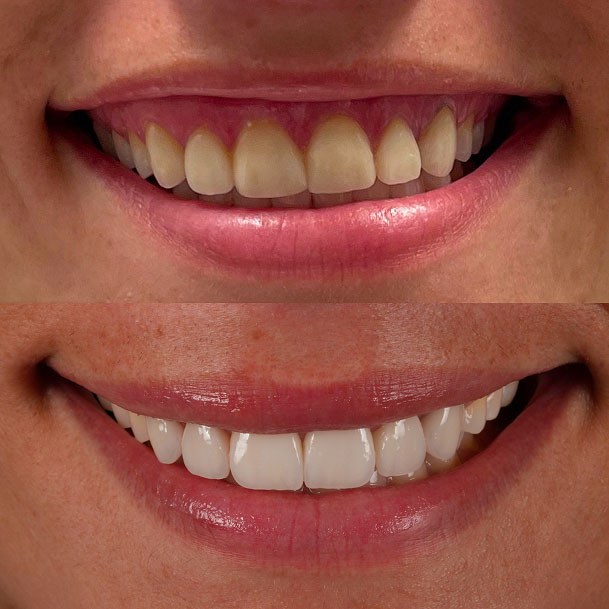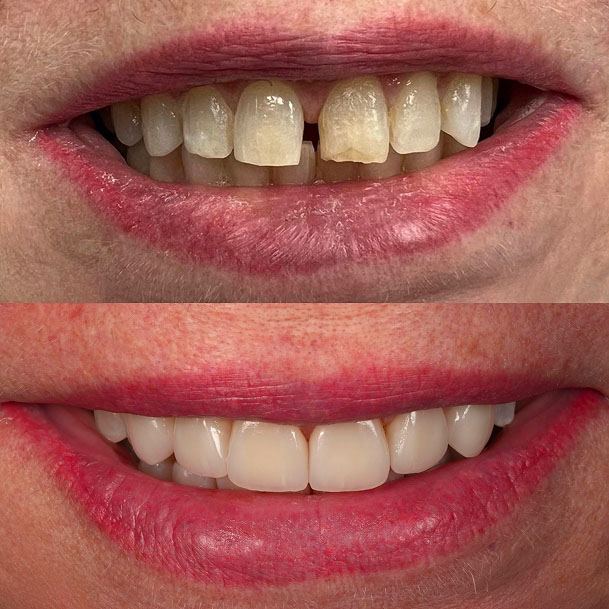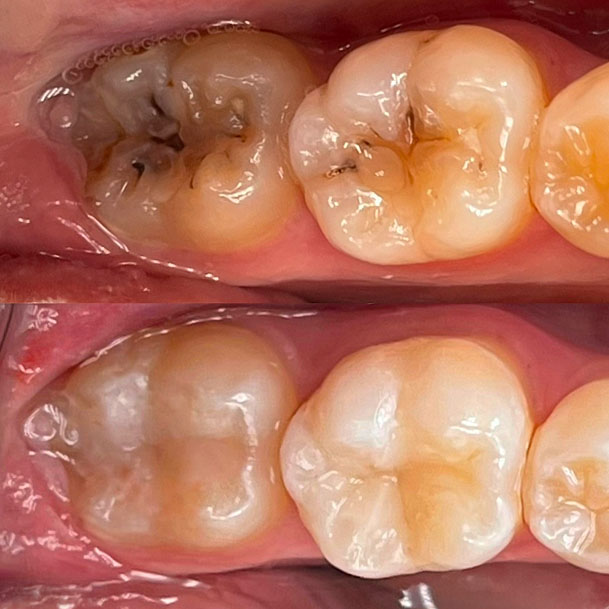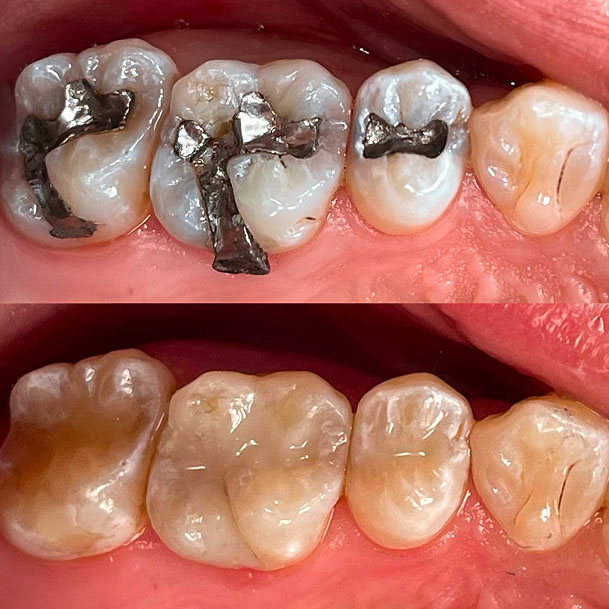
If the damage is small and there is no pain or swelling, you may have 24–48 hours to schedule care, but you should avoid chewing on that side.
A previously treated molar or front tooth no longer has its original nerve, but it can still crack, weaken, leak, or become infected. Prompt evaluation can prevent further damage and may improve your chances of saving your tooth with a crown, filling, retreatment, or another restorative option.
At Smile Lab in Union Square, the goal is to help you understand what can wait, what cannot, and what the next step makes sense.
Key Takeaways
- A broken root canal tooth can be urgent if you have pain, swelling, bleeding, drainage, looseness, or a break near the gum line.
- A minor chip with no pain or swelling may be able to wait 24–48 hours, but you should avoid chewing on that side until a dentist checks it.
- A treated tooth can still crack, weaken, or become infected because root canal treatment does not protect the outer tooth structure from damage.
- Dentists check the break with an exam, X-rays or imaging, bite testing, and gum evaluation to determine whether the tooth can be saved.
- Treatment may include a filling, crown, buildup, retreatment, tooth extraction, or replacement with a dental implant when saving the tooth is not realistic.
When It Needs Urgent Care
A treated area can become a dental emergency if the break exposes deeper layers, creates an opening for bacteria, or affects the foundation. Pain, swelling, bleeding, a loose crown, or damage near the gum line should be checked quickly.
Call an emergency dentist the same day if symptoms are severe or getting worse. Fast emergency dental care may help save the tooth and lower the risk of tooth loss.
Warning Signs That Need a Dentist
Some cracks can wait briefly. Others need prompt attention because cracked teeth can worsen under chewing pressure.
Pain, Swelling, or Drainage
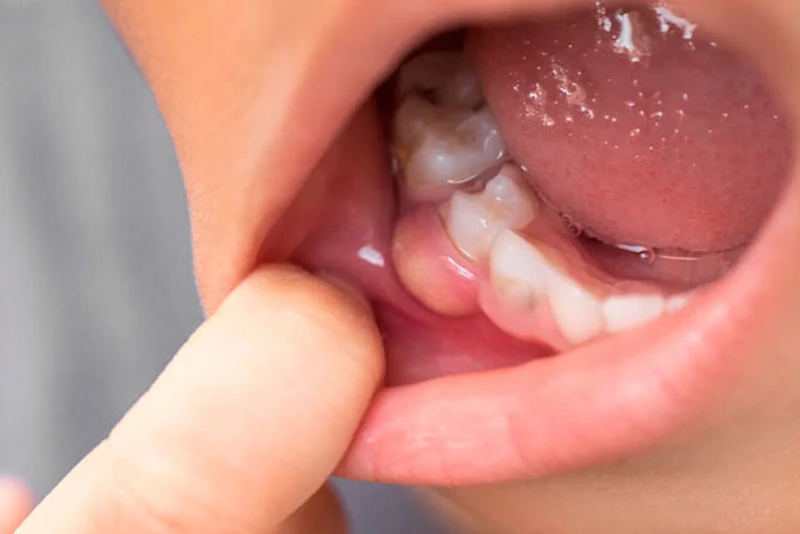
Pain when biting can mean the crack shifts under pressure or deeper layers are involved. Swelling, gum tenderness, pus, drainage, or bad taste may indicate infection or other dental issues.
Loose Crown or Filling
A loose crown or filling can let bacteria enter the treated area. Even without severe pain, the damage should be checked before it spreads.
What Happens if It Breaks?
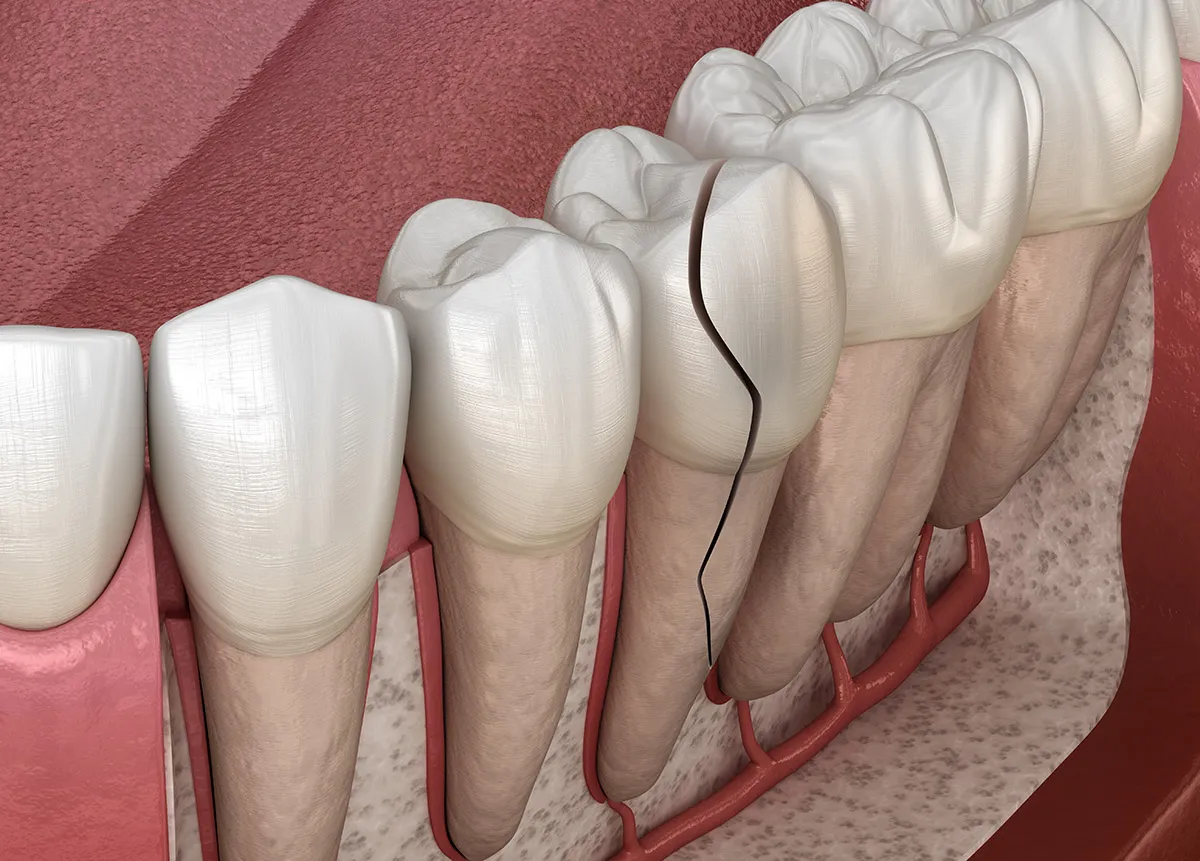
A restored area may become weaker when a large filling, decay, or missing crown leaves less enamel and dentin to absorb chewing pressure. If the crack grows, the remaining structure can split, loosen, or break closer to the gum line.
If the seal from the filling or crown opens, bacteria can enter the treated canal space or the tissue around the root. This can lead to pain, swelling, drainage, reinfection, and an increased risk of losing the tooth if care is delayed, at which point urgent root canal care becomes the priority.
Common Breaks After Treatment
The type of break affects your treatment options. A dentist needs to see whether the area can still support a crown or filling.
Before the Crown
If the damage occurs after treatment but before the crown is placed, avoid chewing on that side. The area may be more fragile until it is protected.
At the Gum Line or in Half
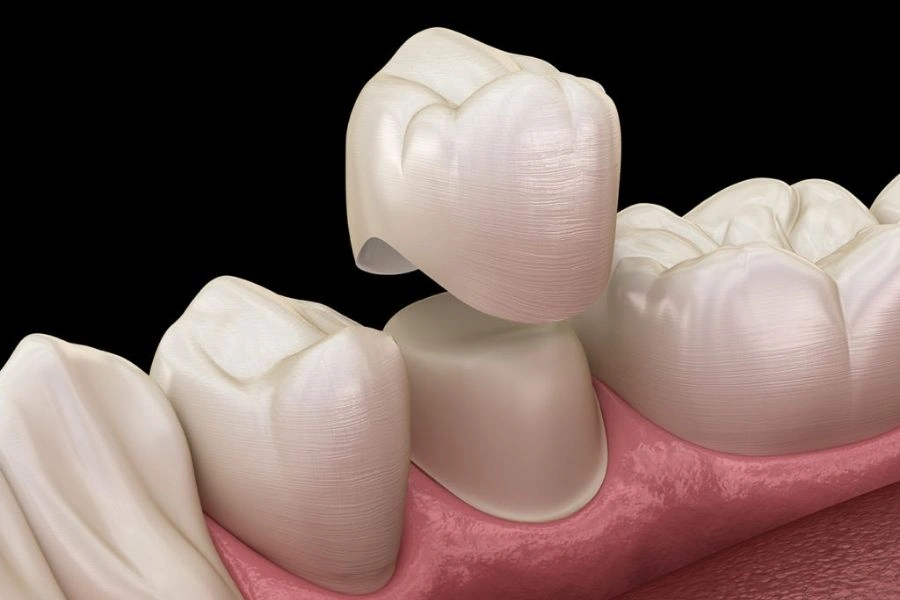
A break at the gum line is more serious because the dentist may not have enough visible structure to rebuild and support a crown. If enough healthy structure remains, the next step may be a buildup, post-and-core restoration, crown lengthening, and a new crown.
If the fracture extends too far below the gum or into the root, the area may not seal well enough to be repaired safely. In that case, the next step may be removal, followed by a replacement option such as a dental implant or bridge.
A split through the center can be harder to repair because the two sides may move when you bite. If the split is limited to one cusp, the dentist may remove the broken part and restore the area with a crown, but if the split runs vertically into the root, extraction is often the safer option.
What to Do Right Away
If you experience worsening discomfort, follow these steps for emergency tooth pain relief and avoid testing the area by biting it. Choose soft foods, avoid hard or sticky items, and keep pressure off that side.
Rinse with warm water. If the edge feels sharp, cover it with orthodontic wax from a pharmacy until you can see a dentist.
Can It Be Saved?
Sometimes, yes. A dentist may be able to save the tooth with a crown, filling, buildup, or root canal retreatment if the base is stable and enough healthy structure remains.
If the foundation is fractured or the break extends too far below the gum, removal may be needed. If replacement is needed later, a dental implant may be one option.
Is a Chipped Tooth an Emergency?
Minor chips with no pain, swelling, or sharp edge may wait briefly. They still deserve an exam because small chips can grow or irritate your tongue.
A painful break, exposed nerve symptoms, bleeding, or sensitivity to air, heat, cold, or pressure needs faster care. A surface chip often affects only the enamel, while a deeper injury may involve the dentin, pulp, the base, or an older restoration.
Getting Care in Union Square
Dr. Waise Ebrahimi may use low-radiation digital imaging when it helps assess fracture depth, infection risk, or bone changes. If anxiety or past dental experiences make it hard to schedule care, this guide on how to handle dental emergency anxiety can help you feel more prepared. His approach focuses on preserving natural teeth when that is realistic.
If you are dealing with a damaged treated area in Manhattan, Smile Lab can help you understand what is happening and what needs treatment sooner. Schedule Your Visit.