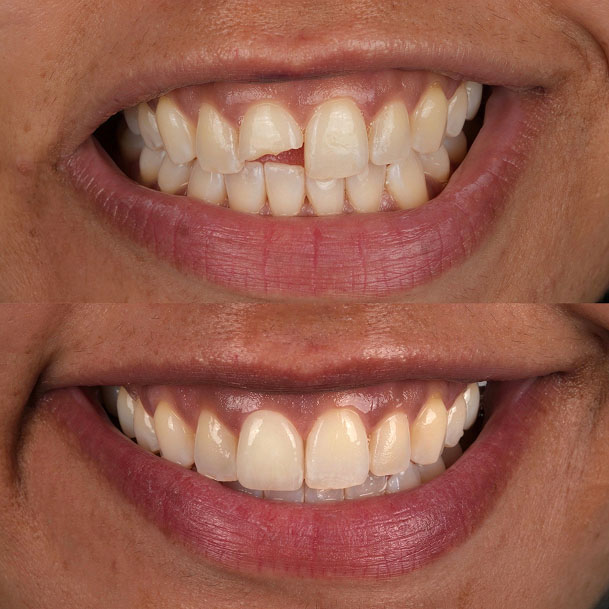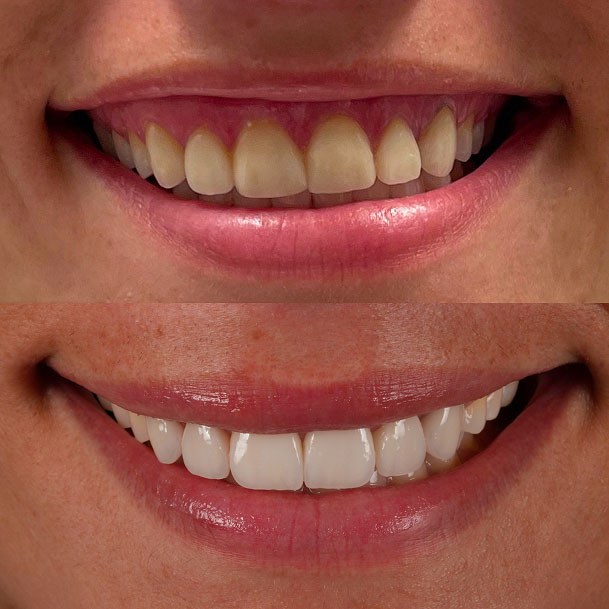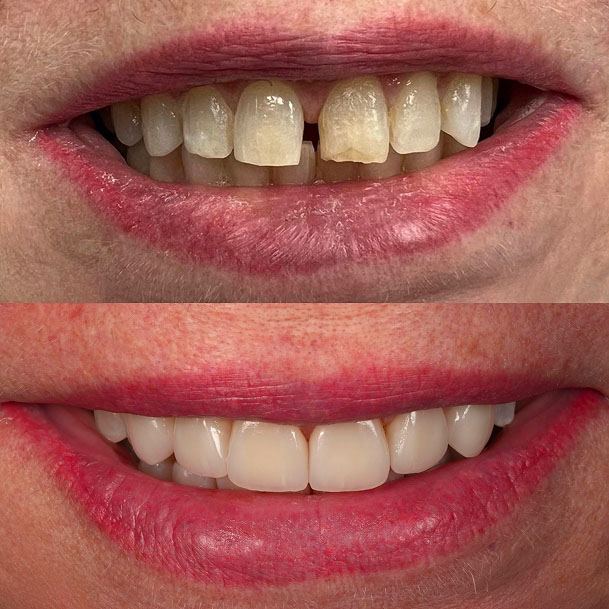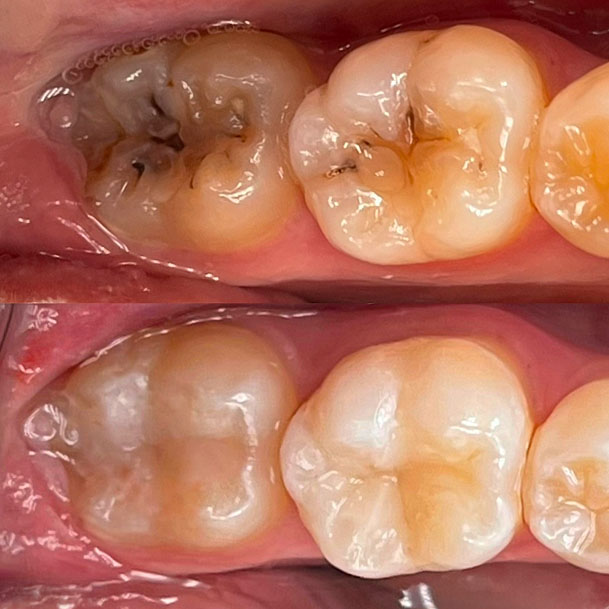
Yes, it is possible when the affected tooth is stable enough, the infection is controlled, and the office has technology to create a final restoration during the visit. The question “Can you get a root canal and a crown on the same day?” usually depends on the severity of the infection, the remaining tooth structure, the appointment time, and the complexity of the case.
During treatment, the dentist removes the infected pulp, cleans and seals the inner canals, and protects the tooth with a dental crown or filling. At Smile Lab in Union Square, the goal is to help you understand whether one-visit care is clinically sound for your tooth or whether a staged plan will yield a better long-term result.
Key Takeaways
- You can get both treatments during a single appointment when the tooth is stable enough, and the office has the technology to create the final restoration in-house.
- One-visit care depends on the severity of the infection, the remaining tooth structure, the appointment length, and the dentist’s clinical judgment.
- Two visits may be safer if the affected tooth has swelling, severe infection, major decay, or needs time to heal before the final restoration.
- A protective restoration helps protect the treated tooth from cracks, bacteria, and chewing pressure after the infected tissue is removed.
- If your dentist recommends a final restoration, delaying it too long can increase the risk of fracture or leakage.
Yes, One-Visit Treatment Is Possible
You may receive a root canal and a final restoration during one appointment if the infection is limited, the tooth can support the restoration, and the dentist can complete each step safely. This approach can be useful for busy Manhattan patients because it reduces unnecessary visits and helps protect the tooth sooner.
Two visits may be safer when there is swelling, drainage, deep decay, or damage, or when a tooth needs more careful planning. In those cases, your dentist may first clean and disinfect the canals, place medication or a temporary restoration, and complete the final covering once the tooth has settled.
A Root Canal and a Crown in One Visit
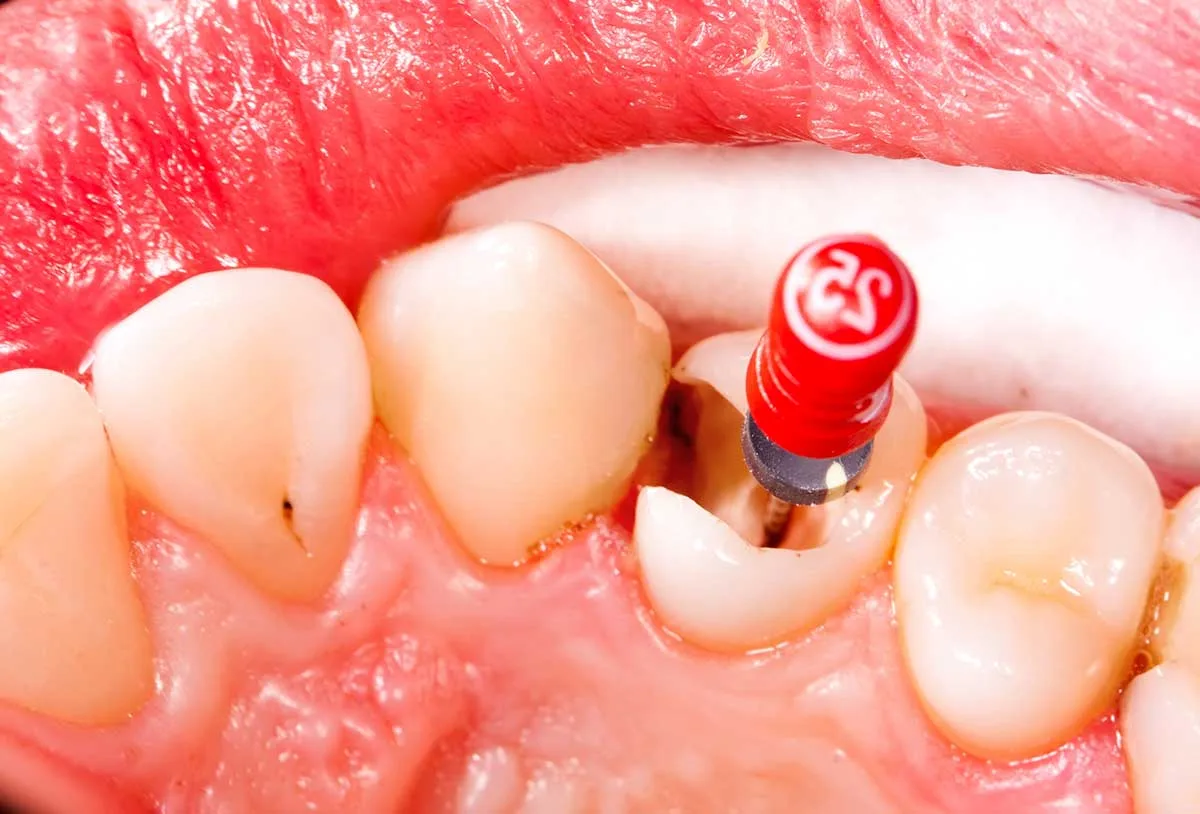
This treatment follows a structured clinical sequence. The dentist first evaluates the infected tooth, reviews imaging, assesses the surrounding bone, and confirms that it is suitable for a permanent restoration.
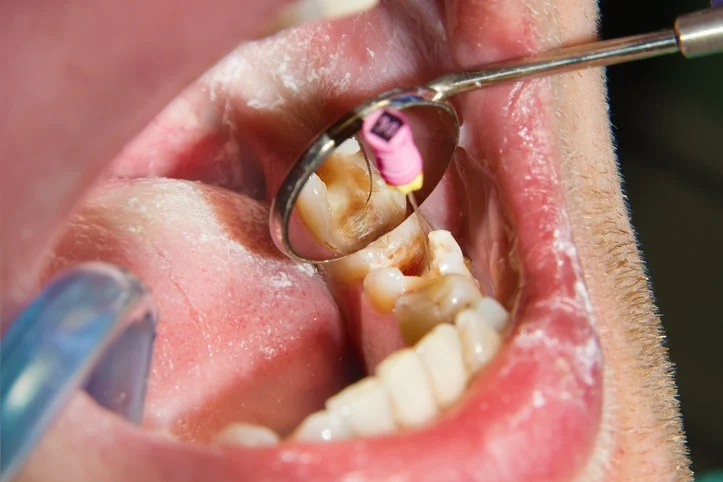
The procedure then focuses on treating the inside of the infected tooth. This means removing the infected tissue, disinfecting the canals, sealing the space, and rebuilding the tooth so it can function under normal chewing pressure.
Can You Do Both at the Same Time?
Yes, both steps can occur during the same appointment when clinical conditions allow. The dentist must be able to fully clean the canals, properly seal the tooth, and restore the biting surface without rushing the process.
If one-visit care would compromise the result, temporary crowns or temporary fillings may protect the infected tooth until the permanent restoration is ready. This staged approach can support better oral health when the infected tooth needs time to stabilize.
Why a Final Restoration Is Needed
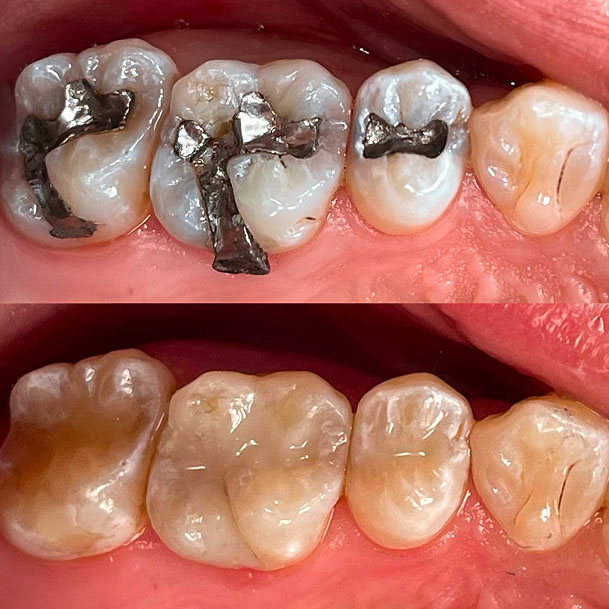
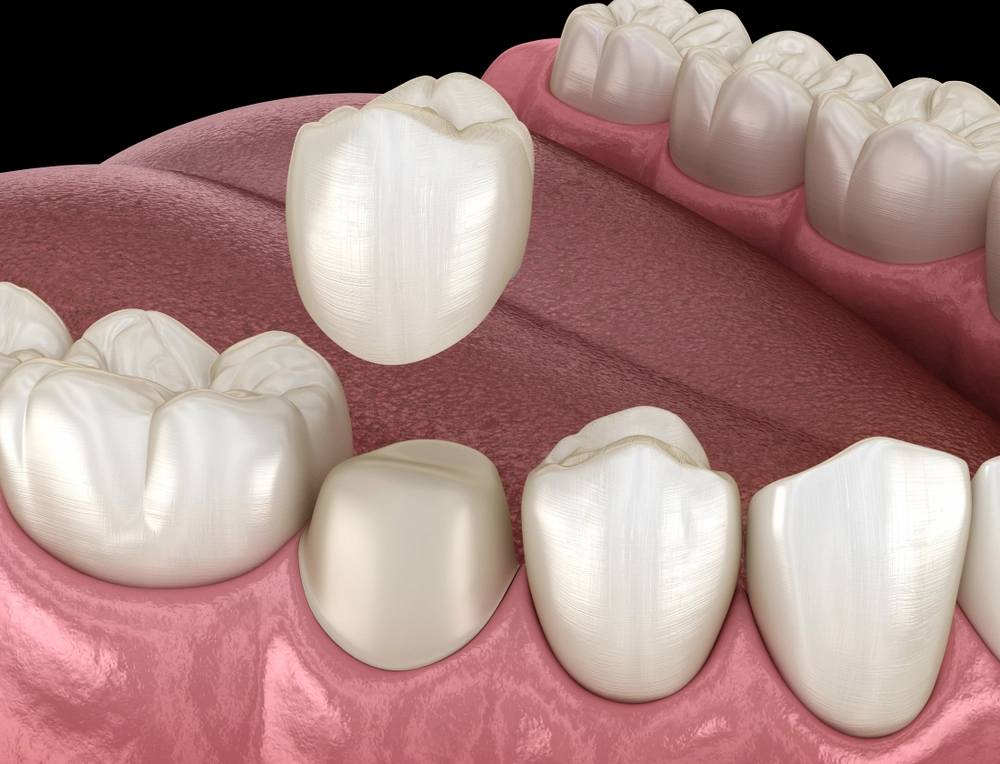
A tooth often needs protection after infection, a large cavity, cracks, or major structural loss. Treatment helps preserve the natural tooth, but the outer structure still needs strength and coverage.
A tooth after a root canal can crack if it stays exposed for too long, especially if it is a molar or premolar that bears heavy chewing forces. A well-fitted restoration helps protect the treated tooth, seal it from bacteria, and restore a more stable bite.
What Affects One-Visit Treatment
The timing depends on the severity of infection, the amount of healthy tooth structure left, and the time required to complete treatment correctly. Molars, curved canals, deep cracks, or severe infection can increase treatment time and make a staged plan more appropriate.
Dr. Waise Ebrahimi uses a conservative approach focused on preserving natural tooth structure when possible. His restorative training helps determine whether immediate restoration is safe or the affected tooth requires a more gradual approach.
Timing After Treatment
You may get the final restoration during the appointment, within a few days, or after a short follow-up period. Your dentist will consider symptoms, bite pressure, tooth strength, and the condition of the surrounding tissue before making a decision.
Waiting a month may be possible in select cases, but it can increase the risk of fracture, leakage, or reinfection if the affected tooth is not well protected. Temporary restorations can help for a short period, but they are not designed to replace the strength and seal of the final covering.
Pain and Aftercare
Most patients feel pressure or vibration during treatment rather than sharp pain once the tooth is fully numb. The local anesthetic blocks pain signals from the area, so the main sensation is usually movement, water, or pressure from the dental instruments. If you feel pain during the appointment, tell your dentist right away so the area can be checked and numbed more.
Mild soreness can occur after treatment because the tissues around the tooth may be irritated by infection, inflammation, or the work required to clean and seal the canals. This discomfort often feels like tenderness when biting or touching the affected tooth. It should gradually improve over the next few days, especially once the tooth is protected and your bite feels balanced.
Avoid chewing hard, sticky, or crunchy foods on the treated side until your dentist confirms the tooth is fully restored. A treated tooth can be more vulnerable before the final restoration is complete, so chewing carefully helps reduce the risk of cracks, leakage, or irritation. Soft foods and light chewing are usually easier during the first stage of healing.
Call your dentist if pain increases instead of improving, swelling appears, or your bite feels uneven. These signs may mean the affected tooth needs an adjustment, the surrounding tissue needs more time to heal, or additional dental care is needed. A small bite adjustment can make a big difference if the tooth feels “high” when you close your mouth.
When to Schedule Your Visit
If you have ongoing tooth pain, lingering sensitivity, swelling, or a broken tooth, an exam can help you understand your options before the problem becomes harder to treat.
Smile Lab offers dental care in Union Square for patients who want clear answers, careful planning, and treatment that fits a busy NYC schedule. Schedule Your Visit to see if Smile Lab is the right fit for you.