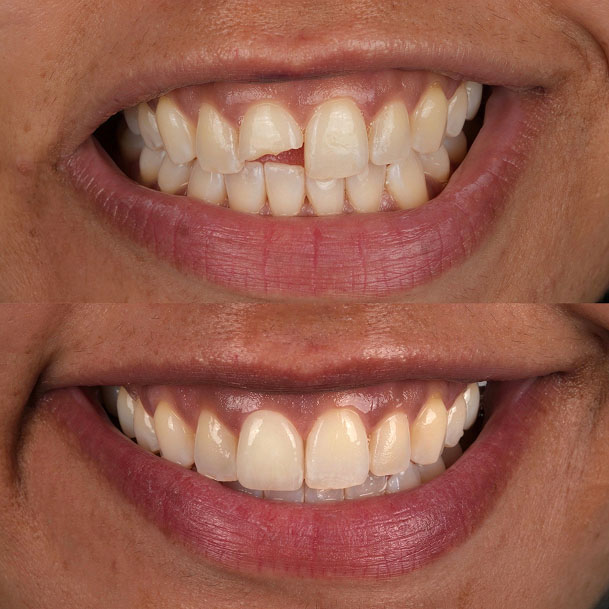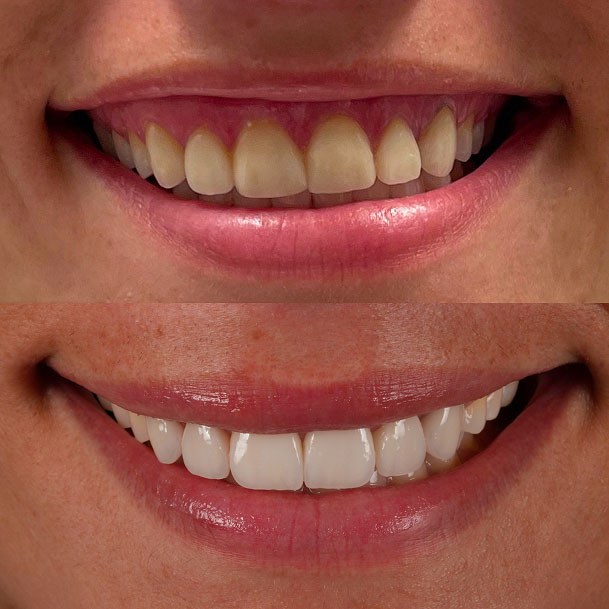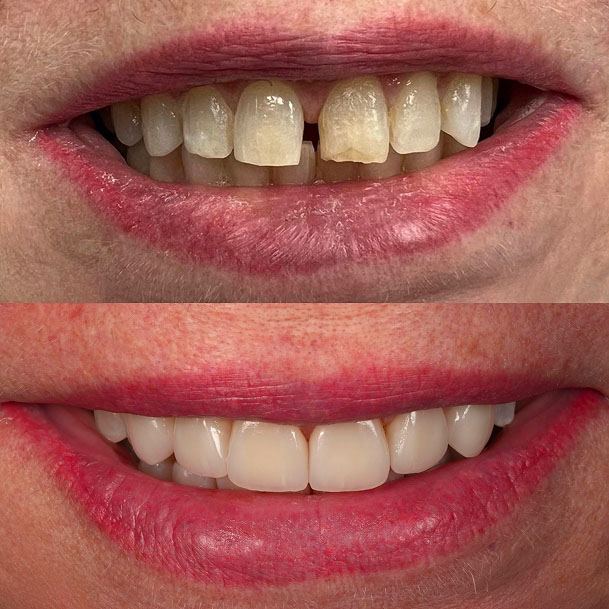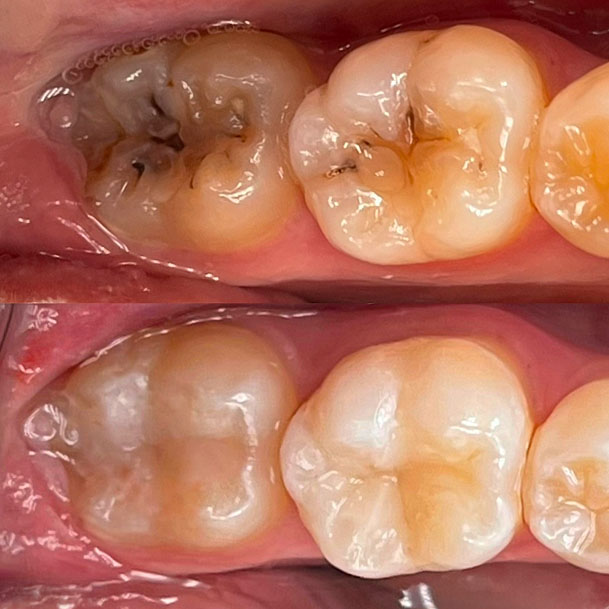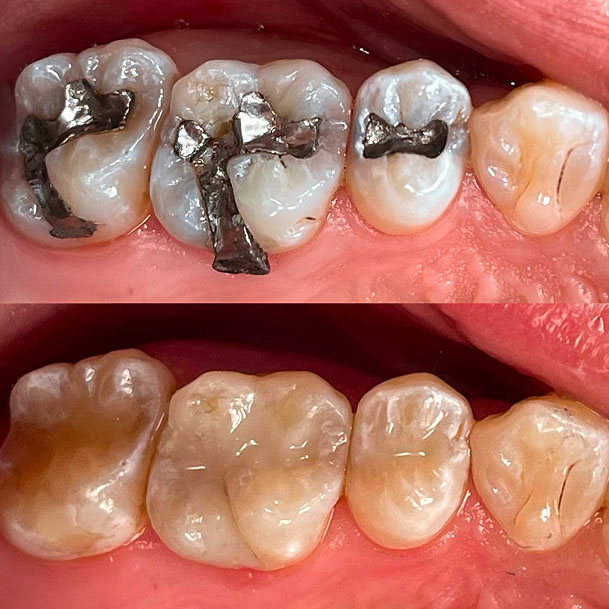
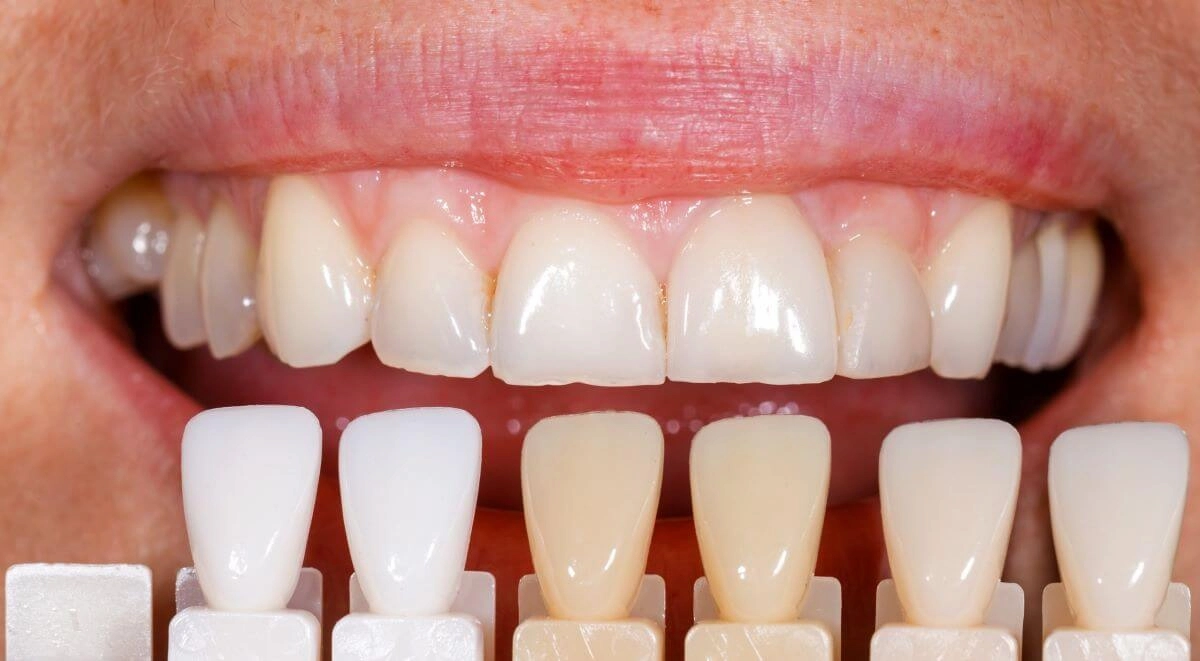
Color changes can also develop around the restoration if bonding cement darkens at the edges, the underlying tooth changes shade, or nearby natural teeth become more yellow over time. Whitening products do not lighten ceramic, but professional cleaning and polishing may remove surface buildup, while damaged margins or persistent color changes may require further treatment.
At Smile Lab, we first identify the source of discoloration so you can choose the right care instead of trying whitening products that will not change the restoration.
Key Takeaways
- Ceramic restorations are highly resistant to discoloration because their non-porous surface does not absorb pigments like natural enamel.
- Coffee, tea, red wine, and smoking can still cause surface buildup or color changes around restoration edges and nearby natural teeth.
- Whitening products do not lighten ceramic, but professional cleaning and polishing can remove some surface deposits and restore a smoother appearance.
- Yellow, brown, or dark areas may come from the bonding margin, underlying tooth, gum changes, or plaque rather than the restoration itself.
- Good daily care, non-abrasive toothpaste, a soft-bristled toothbrush, and regular dental cleanings help maintain long-term color and surface quality.
Do Porcelain Veneers Stain Easily?
High-quality ceramic is far less susceptible to staining than natural enamel or resin-based restorations. Its smooth, glazed surface does not readily absorb pigments from foods and beverages. If your question is “do veneers get stained?”, the short answer is that ceramic resists most everyday discoloration, while the surrounding areas can still change.
Why Ceramic Resists Most Discoloration
Dental ceramic has a smooth, glazed surface that limits how much pigment can attach to it. Unlike natural enamel or composite material, it has very little porosity, so color compounds from coffee, tea, wine, and food are less likely to penetrate the restoration.
Do Porcelain Veneers Stain Over Time?
The ceramic itself usually changes very little with age. Plaque buildup, gum recession, deposits, or changes in the natural tooth underneath can affect the overall appearance. A dentist can determine which part has actually changed.
How Long Until Color Changes Appear?
There is no standard timeline because true ceramic discoloration is uncommon. A restoration may look different after months or years if deposits collect near its edges or nearby teeth change shade. Home care and professional cleanings help maintain a consistent appearance. You can also learn how long veneers can last and which factors affect their lifespan.
Do Front Teeth Veneers Stain?
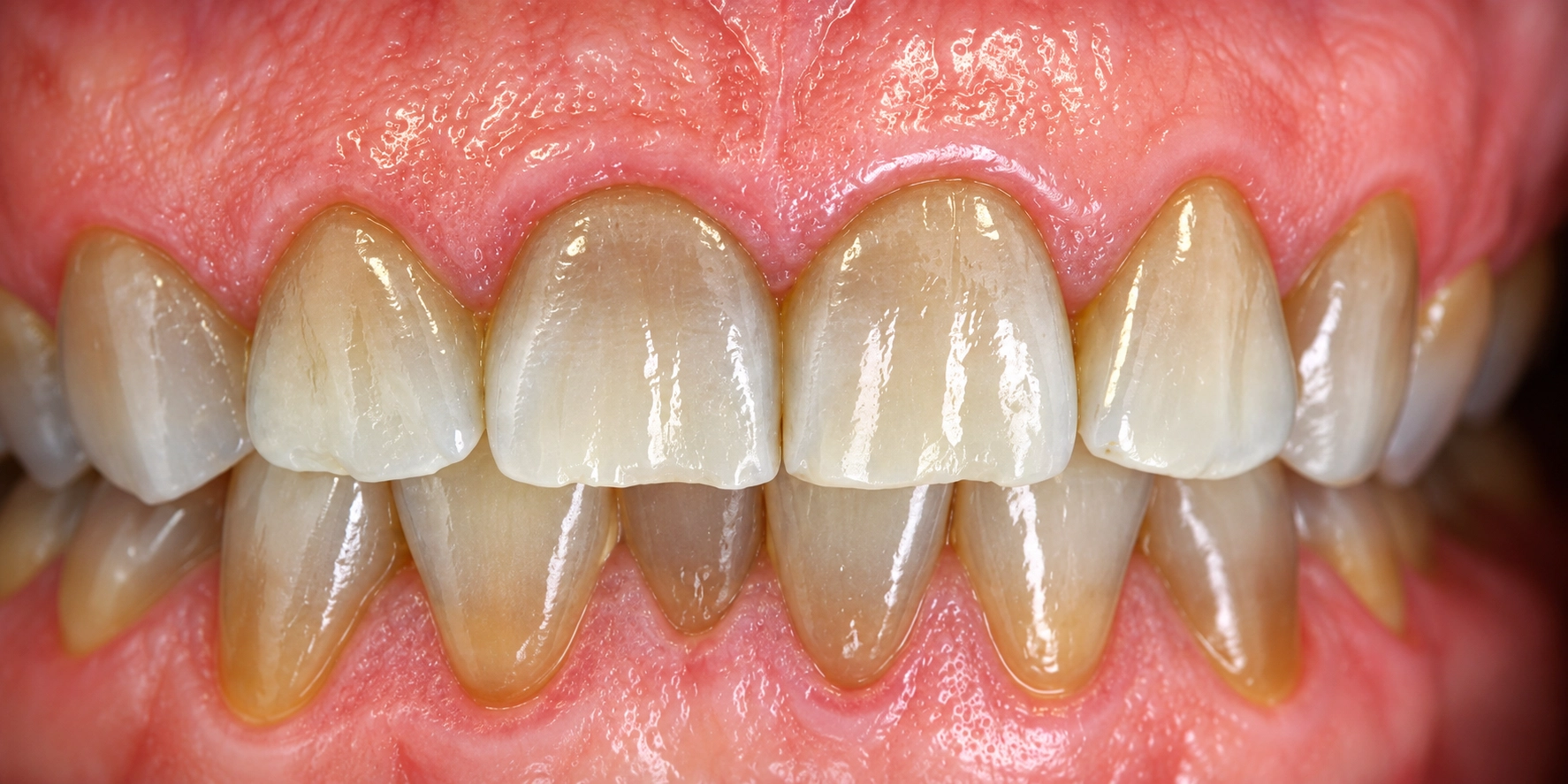
Front restorations are not inherently more likely to discolor. They are simply easier to notice because they sit next to visible natural teeth. Even a small color difference at the margin can stand out.
What Can Make Restorations Look Discolored?
Not every dark or yellow area means the ceramic changed color. Surface staining, deposits at the margins, gum changes, and shifts beneath the restoration can all affect what you see. The cause determines whether cleaning, monitoring, repair, or replacement makes sense.
Why Can They Look Yellow?
Ceramic does not usually yellow the same way natural enamel can. A yellow appearance may come from buildup, nearby teeth, or the supporting tooth showing through a thin restoration. Treatment depends on the source of the color change.
Why Can They Look Brown?
Brown discoloration near an edge may come from surface deposits or changes where the restoration meets the tooth. A new or persistent brown area deserves an exam, especially if the surface feels rough. A dentist can check the margin and rule out decay.
Can White Restorations Become Discolored?
Very white restorations can make changes in surrounding teeth or gum margins easier to see. The ceramic may remain stable while nearby areas become darker. This contrast can create the appearance of discoloration.
Do Coffee and Smoking Affect Their Color?
Coffee, tea, red wine, and tobacco can leave deposits around restorations and on nearby teeth. Smoking can also contribute to visible discoloration near the gumline. Ceramic usually resists these pigments well, but cleaning habits still matter.
Which Veneer Material Resists Discoloration Best?
Ceramic usually provides better long-term color stability than resin-based options. If stain resistance matters, discuss material choice alongside tooth condition, bite, cost, and the amount of preparation required. No restorative material is completely maintenance-free.
Porcelain vs. Composite Veneer Staining
When comparing porcelain or composite restorations, the materials behave differently around pigments. Composite resin veneers use a more porous material that is more susceptible to staining from dark drinks and tobacco. Ceramic surfaces generally keep their shade longer.
Can Porcelain Veneers Be Whitened?
Whitening gels change the shade of natural teeth, not ceramic restorations. Our guide to whether you can whiten veneers explains what whitening can and cannot change. They cannot reliably make an existing restoration lighter. Whitening surrounding teeth can even create a mismatch if the ceramic keeps its original shade.
When Professional Cleaning Can Help
Professional cleaning can remove deposits that make a surface or margin look dull. Polishing may restore smoothness without changing the original ceramic shade. At Smile Lab in Union Square, the first step is identifying whether the change comes from buildup, the supporting tooth, or the restoration.

When Replacement May Be Needed
Replacement may be considered if discoloration comes from a damaged margin, underlying tooth change, fracture, or a shade that no longer matches. Dr. Waise Ebrahimi’s advanced training at the Kois Center supports a conservative approach that considers appearance while preserving natural tooth structure. Age alone does not mean a restoration needs replacement.
How Can You Prevent Discoloration?
Daily care should control plaque and protect the polished surface. Following the right approach to cleaning veneers can help protect both the restoration and the surrounding gumline. Brush twice a day, clean between your teeth, and limit repeated exposure to strongly pigmented drinks when practical. You do not need to avoid every dark food or beverage.
Use Non-Abrasive Dental Products
Use a soft-bristled toothbrush and non-abrasive fluoride toothpaste. Abrasive toothpaste can dull restorative surfaces over time, making deposits easier to notice. Ask your dentist before using a strong whitening or polishing product.
Maintain Regular Dental Cleanings
Professional cleanings help control deposits around the gumline and margins. Buildup around these areas can also affect breath, which is why understanding whether veneers can cause bad breath can help clarify the role of daily hygiene. They also allow your dentist to check the bond, gums, and supporting tooth. This is especially useful when a color change doesn’t improve with normal brushing.
What Are Porcelain Veneer Disadvantages?
The main disadvantages include cost, possible removal of tooth structure, and limited reversibility once you prepare the enamel. If discomfort is a concern, our guide on whether veneers hurt explains what to expect during treatment and afterward.
Ceramics can also chip or fracture, and standard whitening cannot change their shade. Weigh these trade-offs against durability, appearance, and long-term color stability.
When Should You See a Dentist?
Schedule an evaluation if you notice a new dark edge, a persistent brown area, a rough surface, sensitivity, gum irritation, or a color change that brushing doesn’t remove. These signs do not always indicate a serious problem, but an exam can separate harmless deposits from an issue with the bond, margin, or tooth underneath. For a busy Manhattan schedule, getting a clear answer early can prevent unnecessary whitening attempts.
If you want a professional assessment of a color change or are comparing cosmetic options, schedule a consultation to understand the cause and whether you need treatment.