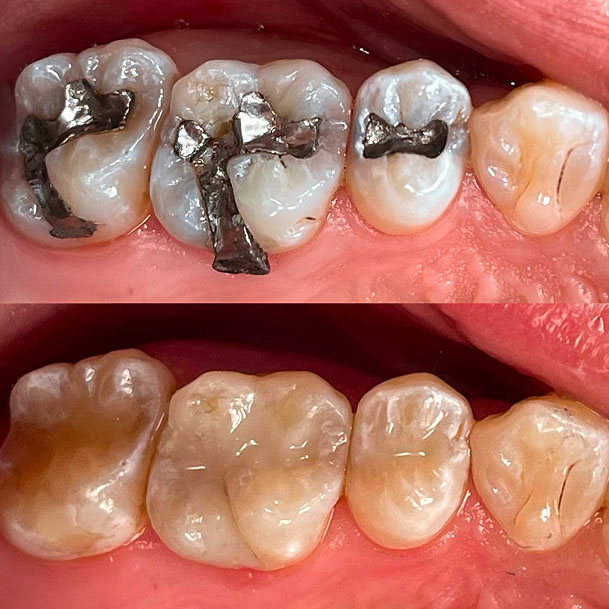
You can still improve the look of stained or dull dental work. Professional cleaning and polishing can remove plaque and surface stains and may bring back some shine. If the color change comes from wear, bonding material, damage, or an old shade, replacement may work better. At Smile Lab, the first step is finding the cause of the change.
Key Takeaways
- Cosmetic restorations cannot be bleached like natural teeth, so strips, gels, and professional whitening do not change their original shade.
- Professional cleaning and polishing can remove surface stains and improve shine when the outer surface is the main issue.
- Porcelain usually resists stains better than composite. Composite may respond better to professional polishing.
- Whitening nearby natural teeth can create a shade mismatch with existing dental work or crowns, so treatment order matters.
- If the color change comes from wear, bonding material, or damage, repair or replacement may give a better result.
Can Veneers Actually Be Whitened?
The short answer is no. Bleaching agents can lighten natural teeth, but they do not change the color of porcelain, composite, crowns, or fillings. Traditional whitening works on pigments in tooth enamel, so these restorations stay the same shade after treatment.
A darker-looking restoration may still be improved. A dentist can check whether the problem comes from surface stains, nearby teeth, the bonding material, or older dental work.
Why Veneers Turn Yellow or Dull
Porcelain resists stains well, but plaque and color can build up around the edges over time. Food and drinks such as coffee, tea, and red wine can also make nearby enamel or the margins look darker.
Composite material can pick up more color than porcelain. Gum recession may also expose part of the natural tooth under or around the restoration. This can create a visible shade difference across the front teeth.
How to Make Veneers White Again
The right fix depends on what caused the color change. At Smile Lab in Union Square, Dr. Waise Ebrahimi checks the restoration, nearby teeth, and gumline before suggesting treatment. His advanced training at the Kois Center supports a careful approach that aims to protect healthy tooth structure.
Professional Cleaning and Polishing
A professional cleaning can remove plaque and some surface stains. Polishing may also smooth the surface and bring back some shine. These steps improve the appearance without trying to bleach the material itself.
Can Old Veneers Be Whitened?
Older restorations do not always need to be replaced. If age is your main concern, learn how long veneers can last and what factors can affect their lifespan. If cleaning and polishing do not help, a dentist can check for wear, damaged edges, color changes under the shell, or a poor shade match.
Replacement may be needed if the material itself has changed. If you are considering new veneers, our guide to teeth shaving for veneers explains when enamel removal may be needed and what alternatives are available.
Porcelain vs. Composite Veneers
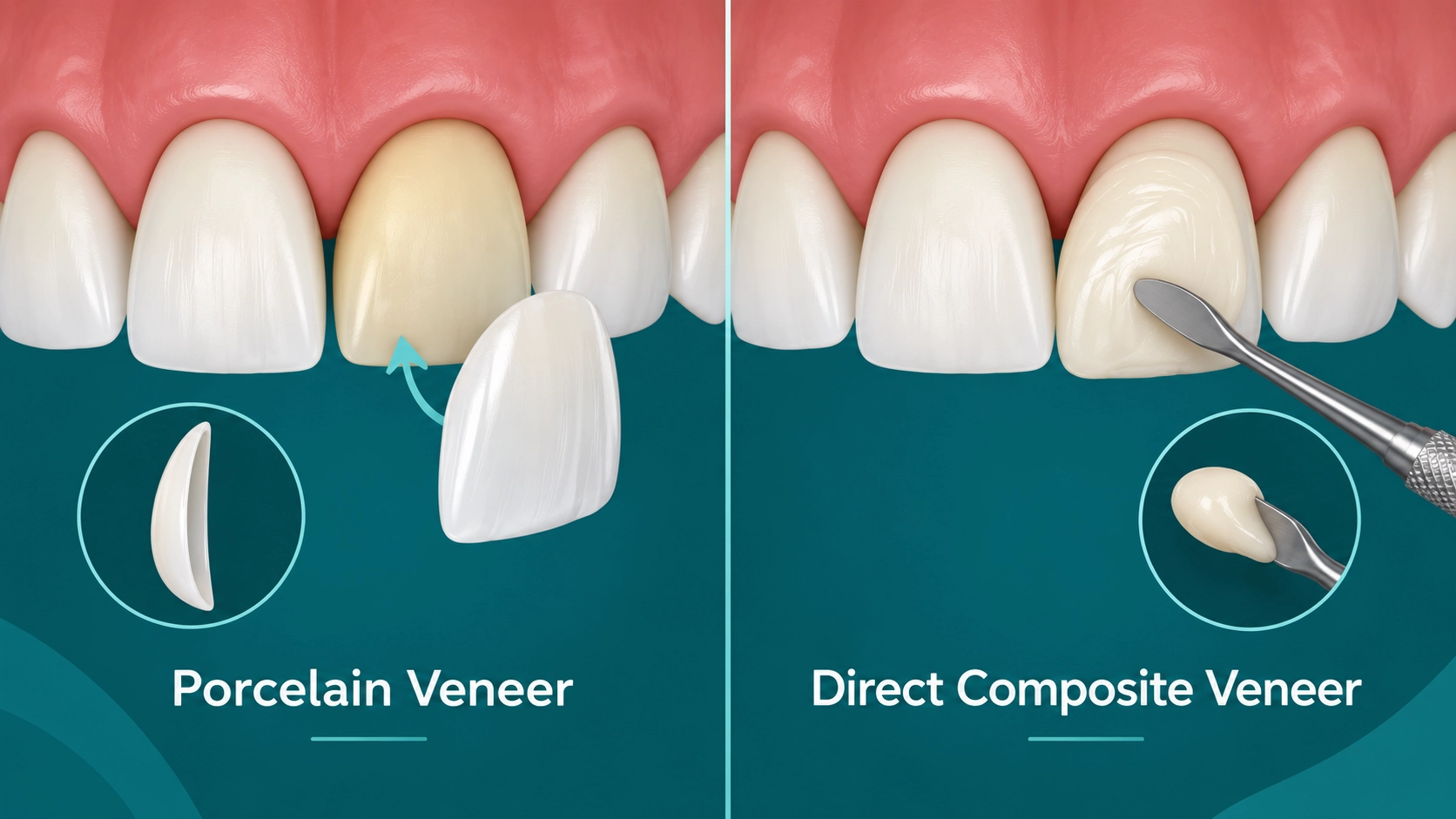
Porcelain usually keeps its shade well because the surface is smooth and less likely to stain. Composite can develop more visible color changes over time. For patients researching options that may require less enamel removal, no-prep veneers may also be worth discussing with a dentist.
Professional polishing may improve some cases without full replacement. If you are comparing other restorative options, our guide to dental implants vs. veneers explains how these treatments differ and when each may be considered.
Can You Whiten Veneers at Home?
Home whitening can lighten exposed natural teeth, but it cannot change the base shade of dental restorations. This matters because at-home treatment may make nearby teeth brighter while the cosmetic work stays the same color.
Can Toothpaste Whiten Veneers?
Whitening toothpaste may help remove some surface buildup. It cannot bleach porcelain or composite. Choose a non-abrasive product to avoid scratching or dulling the surface.
Can Whitening Strips Whiten Veneers?
Teeth whitening strips use peroxide to lighten natural tooth structure. They do not change the color of tooth-colored restorations. This can create a shade difference when you use strips around crowns or other cosmetic dental work.
Can Baking Soda Whiten Veneers?
Baking soda cannot change the true color of the material. It can also be too abrasive for some dental work if used often. Safer home care starts with a soft toothbrush and products your dentist recommends.
How to Whiten Veneers Naturally
No natural product can safely bleach porcelain or composite. Daily brushing, flossing, and rinsing with water after dark food and drinks can help prevent stains and reduce buildup.
Whitening Composite Veneers at Home
You can keep composite clean with good home care, but you cannot reliably change its original shade yourself. If it looks darker, professional polishing, repair, or replacement may give a better result.
Can You Whiten Veneers and Crowns?
Crowns and cosmetic shells react similarly during a whitening treatment. Their shade stays the same while natural teeth may become lighter.
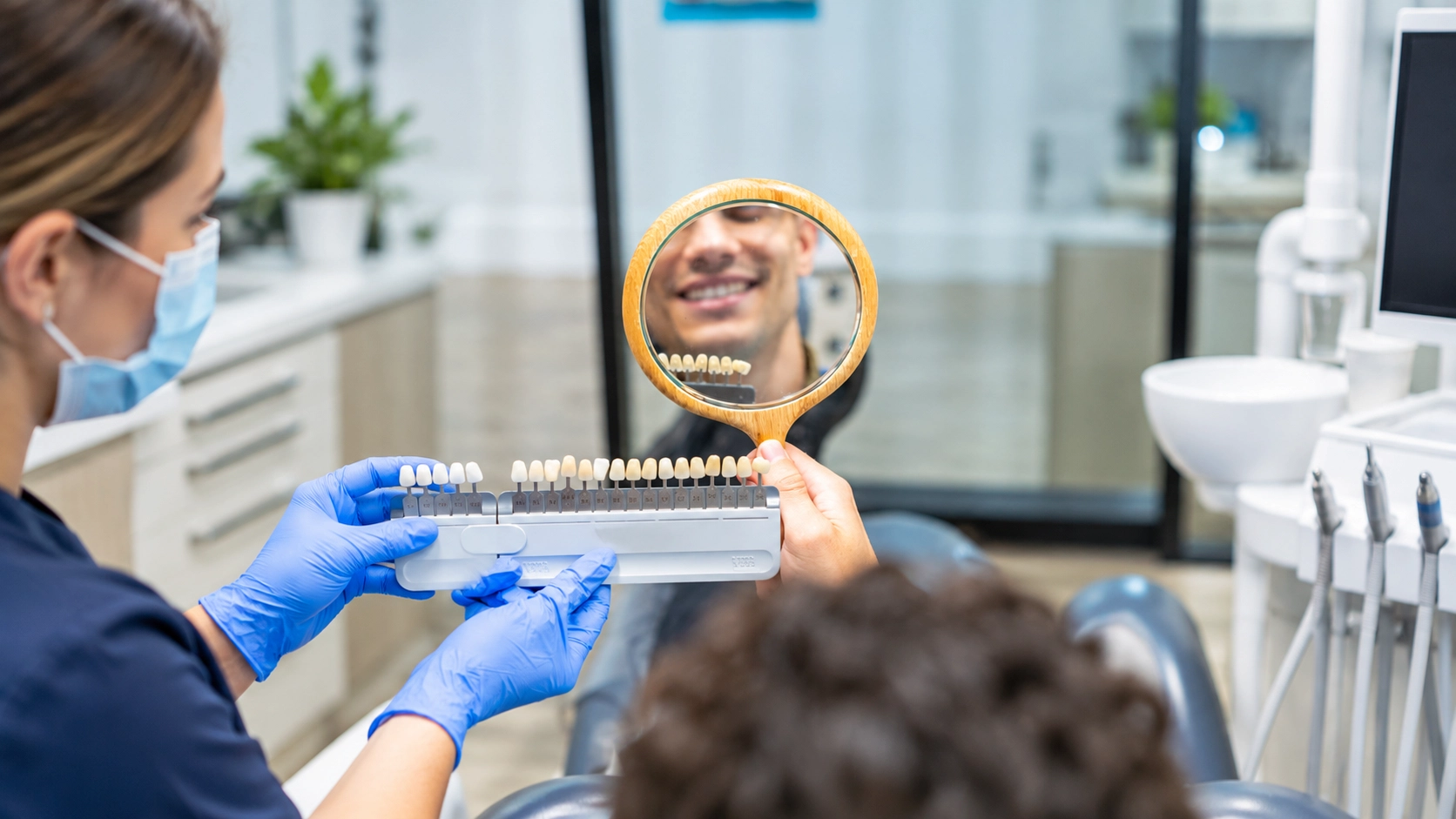
If you plan to replace a crown or other restoration, your dentist may suggest teeth whitening first. The new restoration can then match the final tooth color.
Can Veneers Be Whitened by Laser?
Laser-assisted whitening still works on natural tooth enamel. It does not change the shade of porcelain or composite. It may brighten the teeth around the restorations, making the color difference more noticeable.
Veneer Whitening Before and After
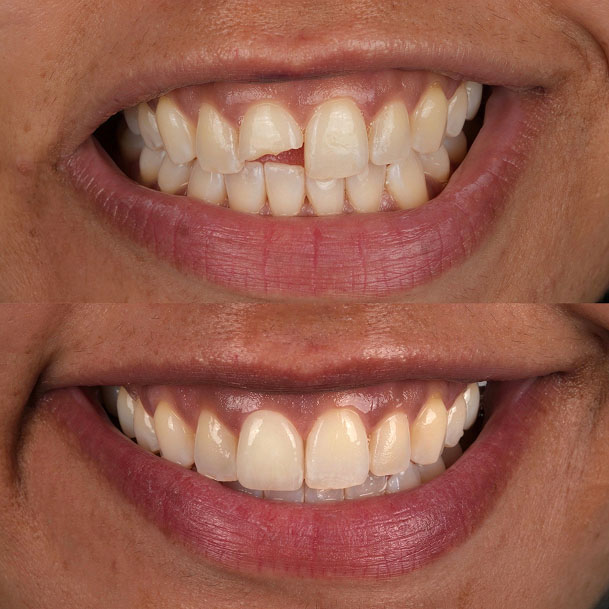
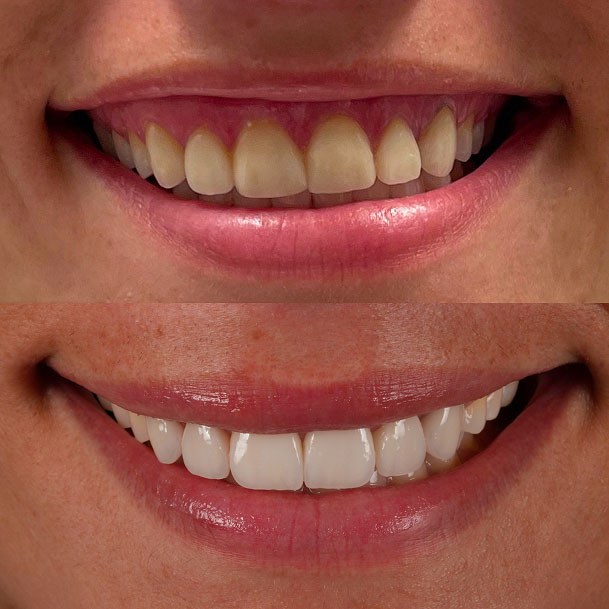
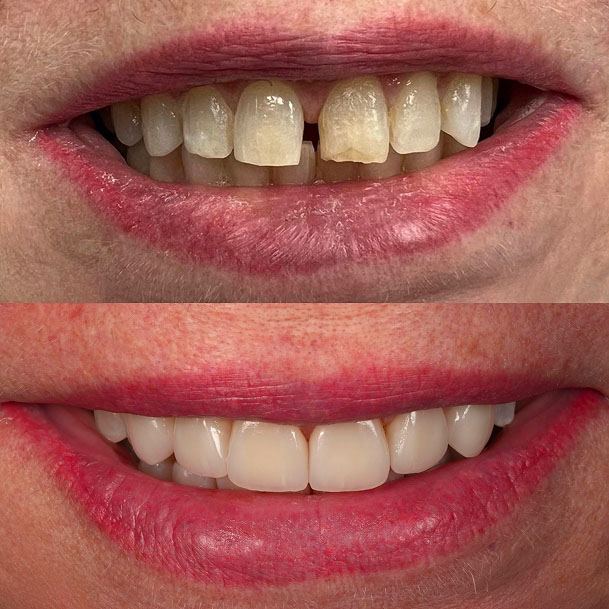
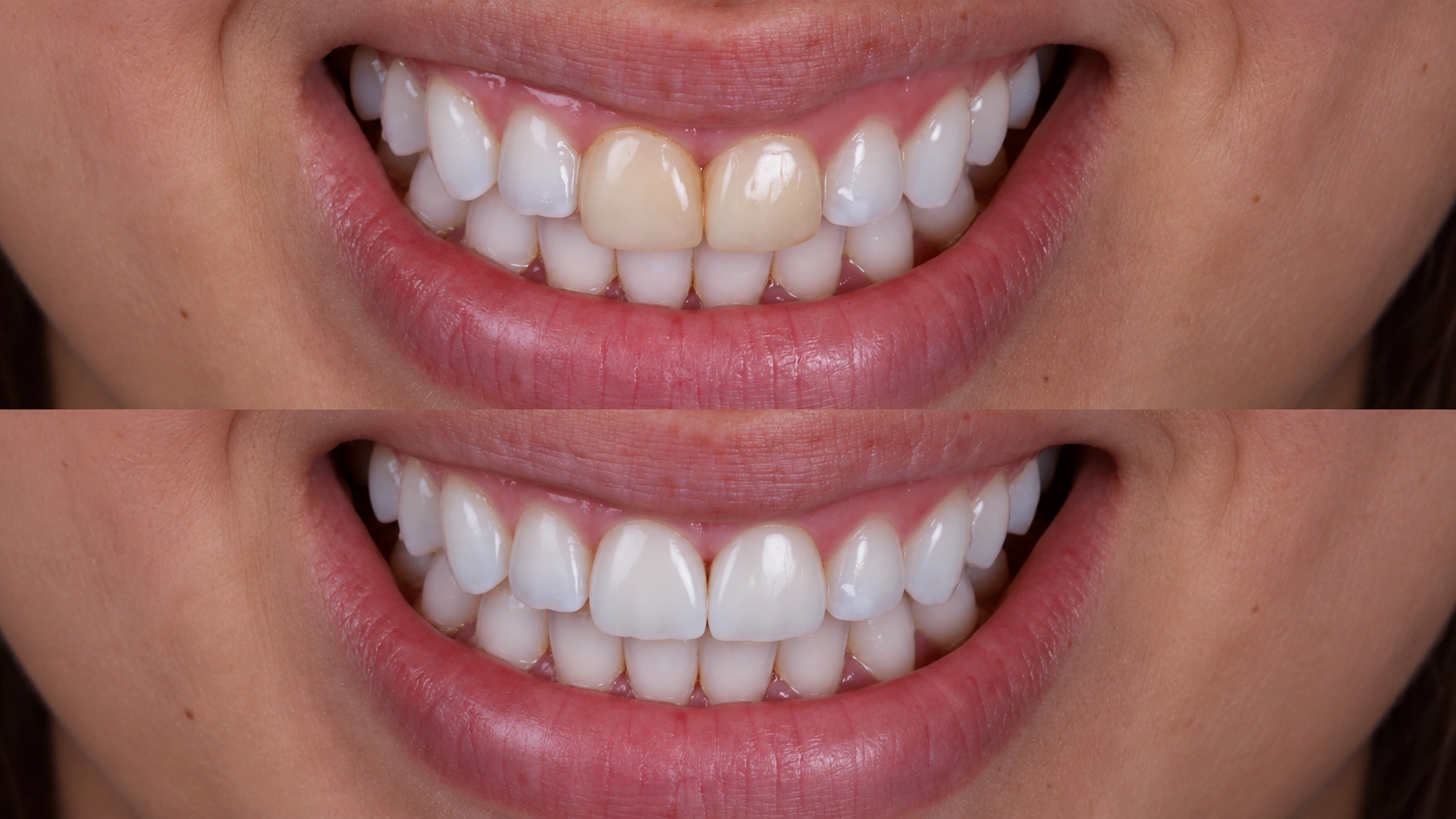
A better before-and-after result may come from cleaning, polishing, or brightening nearby natural teeth. If the restoration is worn, damaged, or no longer matches the rest of your smile, replacement may give a more even result.
The goal is not always to make every tooth as white as possible. A close color match between dental work and the natural tooth beside it often looks more balanced.
How to Keep Veneers White Longer
Brush twice a day with a soft toothbrush and non-abrasive fluoride toothpaste. Floss every day and keep up with professional cleanings. These habits help prevent stains and remove buildup that home care may miss. For a more detailed routine, see our guide on cleaning veneers without damaging their surface.
Rinse with water after coffee, tea, red wine, or other dark foods and drinks. If the color has changed and you don’t know why, Smile Lab can identify the cause and explain whether cleaning, polishing, repair, or replacement makes the most sense. Schedule a consultation at our Union Square studio to review your options and find the right next step.