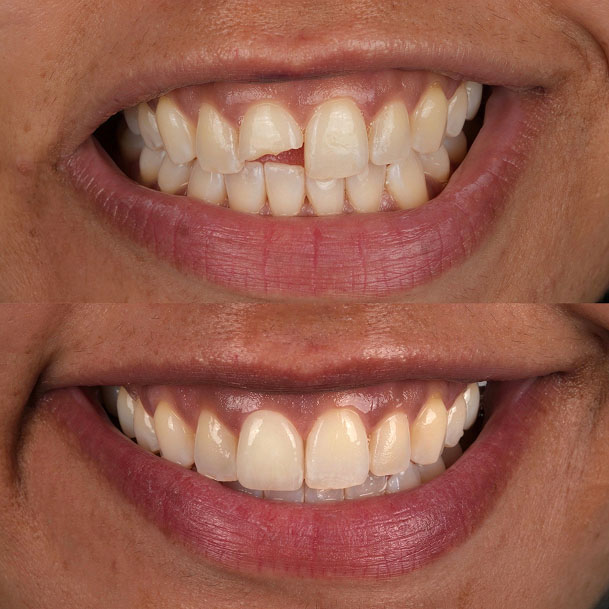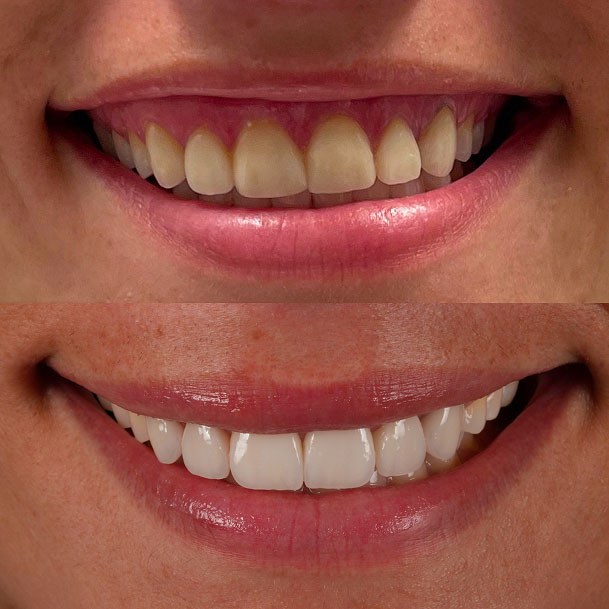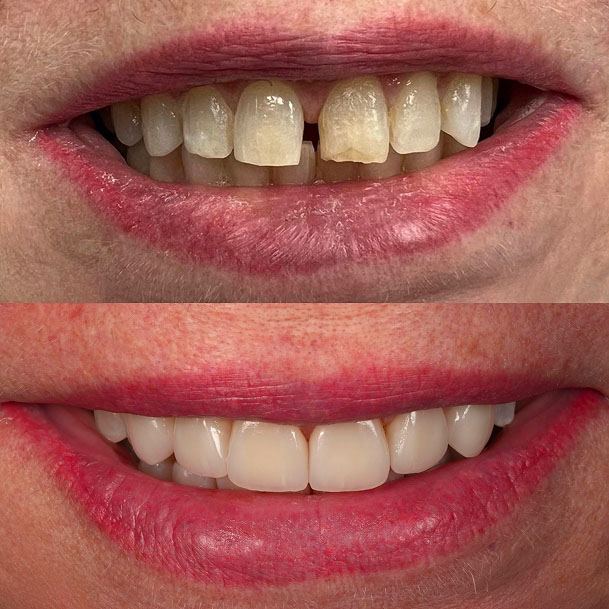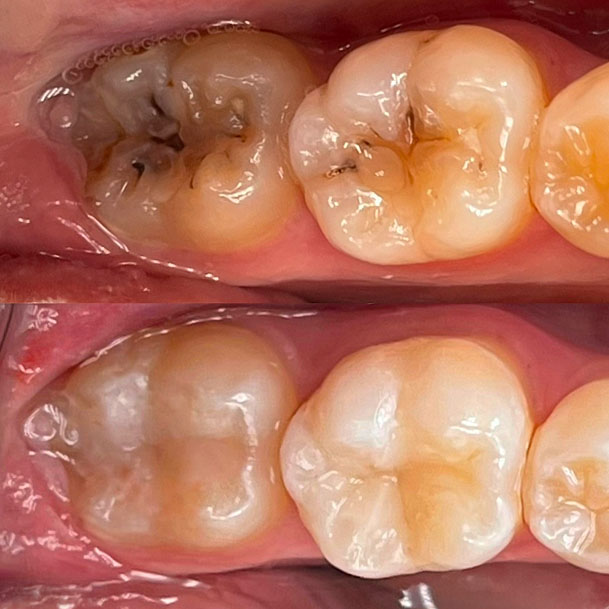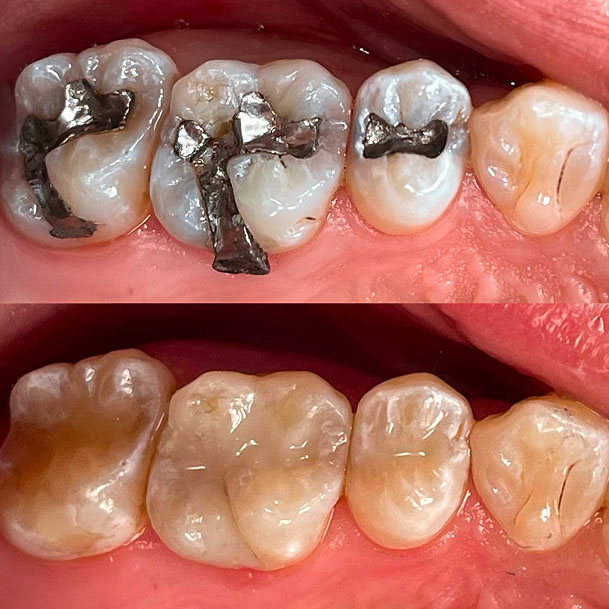
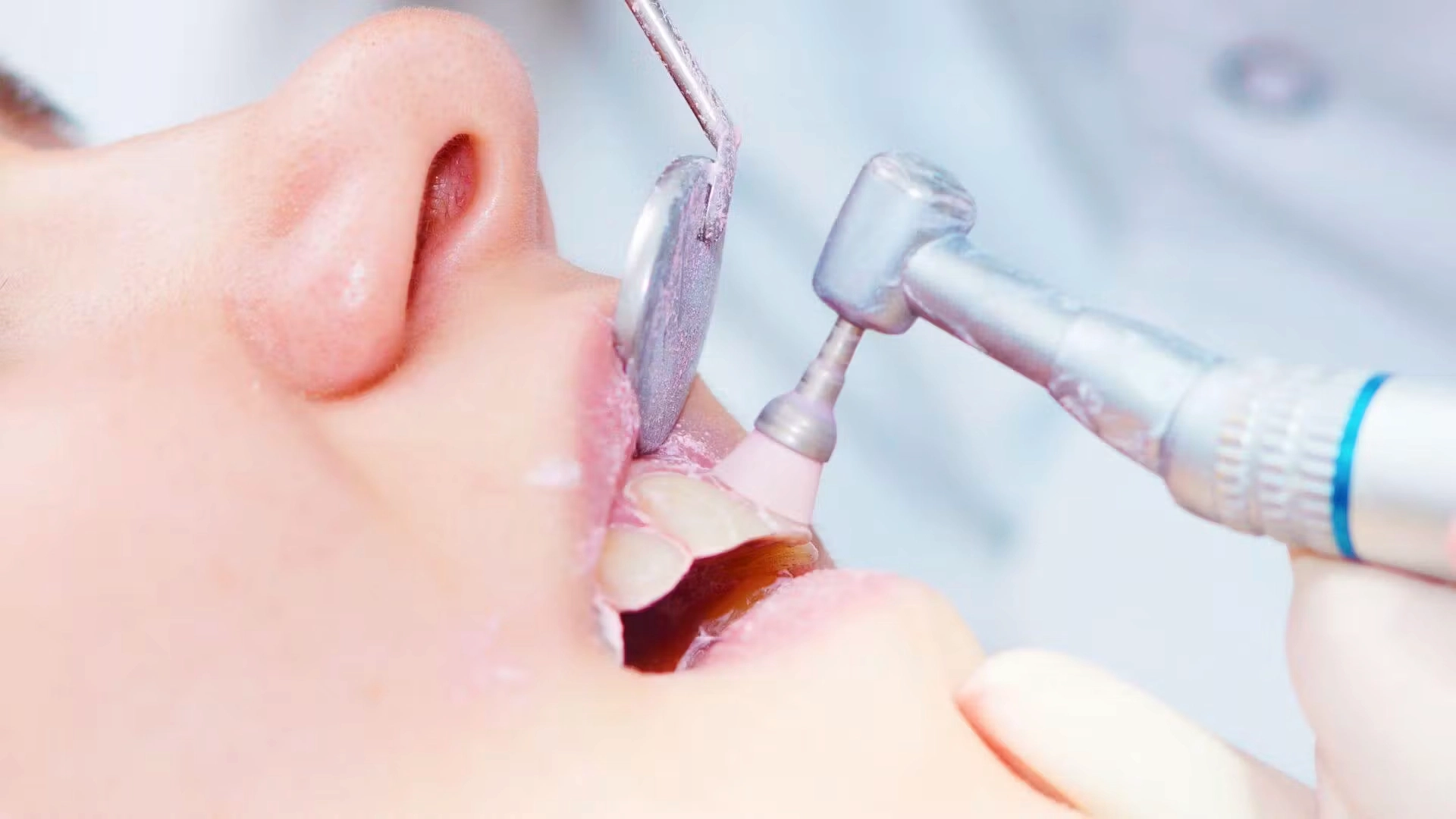
At Smile Lab, routine professional cleanings can also remove buildup and give your dentist a chance to check the margins, gums, bonding, and overall condition of your restorations.
Key Takeaways
- Brush twice a day with a soft-bristled toothbrush and non-abrasive fluoride toothpaste, and floss daily around the veneer margins.
- Avoid abrasive products such as charcoal, baking soda scrubs, and harsh whitening toothpastes, which may dull restorative surfaces.
- Porcelain veneers resist stains, but coffee, tea, red wine, and tobacco can still affect their appearance over time.
- Professional cleanings help remove hardened buildup and surface stains while giving your dentist a chance to check the gums, margins, and bonding.
- Chips, looseness, new sensitivity, persistent discoloration, or bite changes are signs that a dentist should evaluate the restorations.
How to Clean Veneers at Home
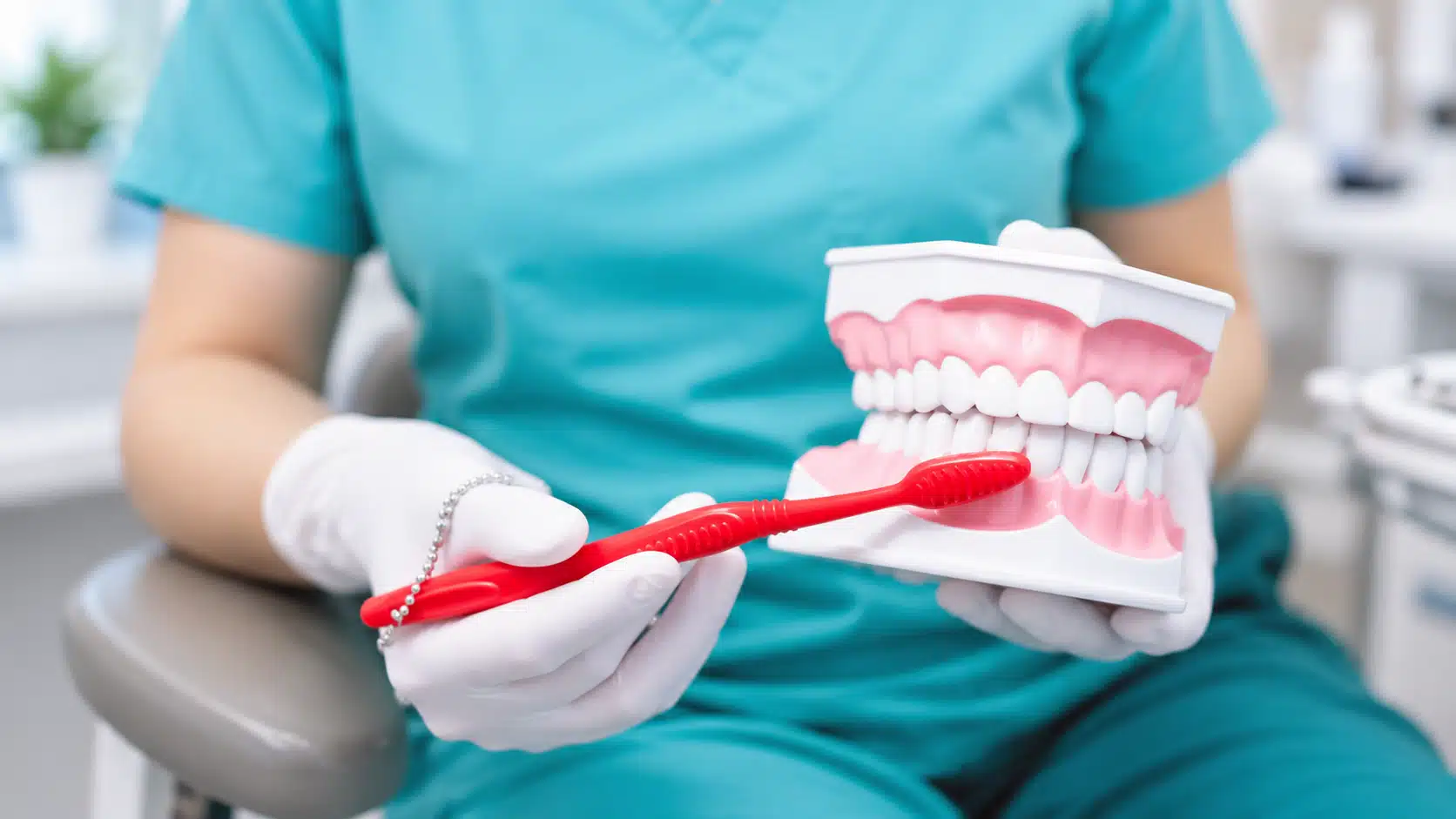
For cleaning dental veneers, follow the same core habits that protect healthy teeth. Brush twice a day with a soft-bristled toothbrush and non-abrasive fluoride toothpaste, then clean between your teeth once daily. Consistent brushing and flossing help remove plaque around the margins, where buildup can affect the surrounding tooth and gums. The ADA recommends brushing twice daily with fluoride and cleaning between teeth daily as part of veneer care.
Flossing daily is safe when you guide the floss gently instead of snapping it against the gums. Good oral health still matters after cosmetic dentistry because decay and gum disease can develop around or beneath restorations.
How to Clean Veneers Naturally
The safest natural approach is usually simple mechanical care: brush your teeth, floss, and rinse with water after strongly colored foods or drinks. You do not need acidic fruit, charcoal, vinegar, or other DIY mixtures to maintain the surface.
How to Clean Veneers With Baking Soda
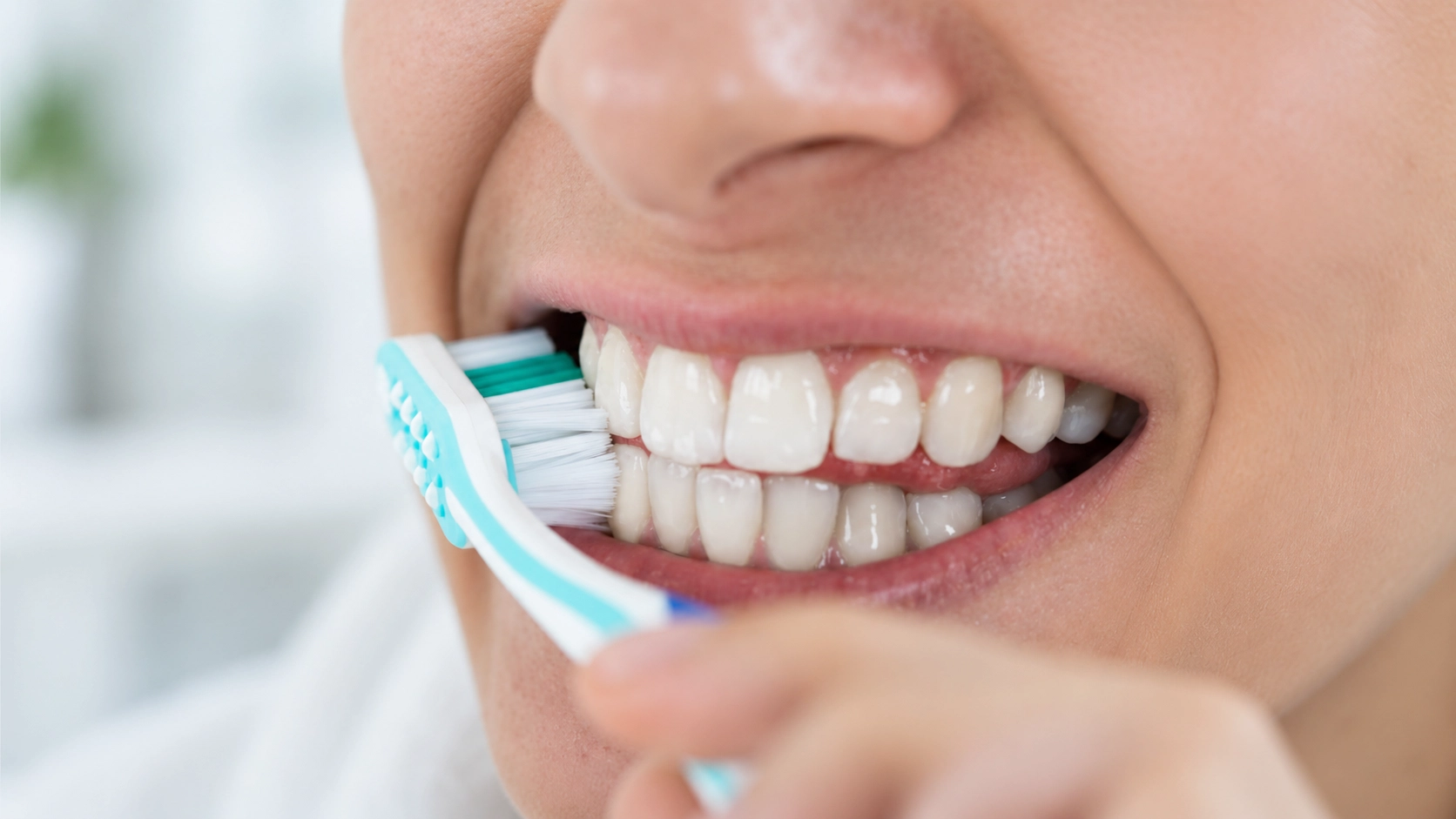
Avoid homemade baking soda scrubs unless your dentist recommends them. Baking soda and other abrasive powders can create unnecessary friction, while non-abrasive fluoride toothpaste provides a safer everyday option.
The ADA also reports limited evidence for DIY whitening mixtures containing baking soda. If you are comparing this with cleaning teeth with baking soda, remember that advice for natural enamel does not automatically apply to veneer materials.
Best Toothpaste and Mouthwash for Veneers
Choose a gentle fluoride toothpaste rather than a heavily abrasive one. Use extra caution with whitening products because whitening toothpastes often rely on abrasives to remove surface stains, while bleaching agents change only natural teeth, not tooth-colored restorations.
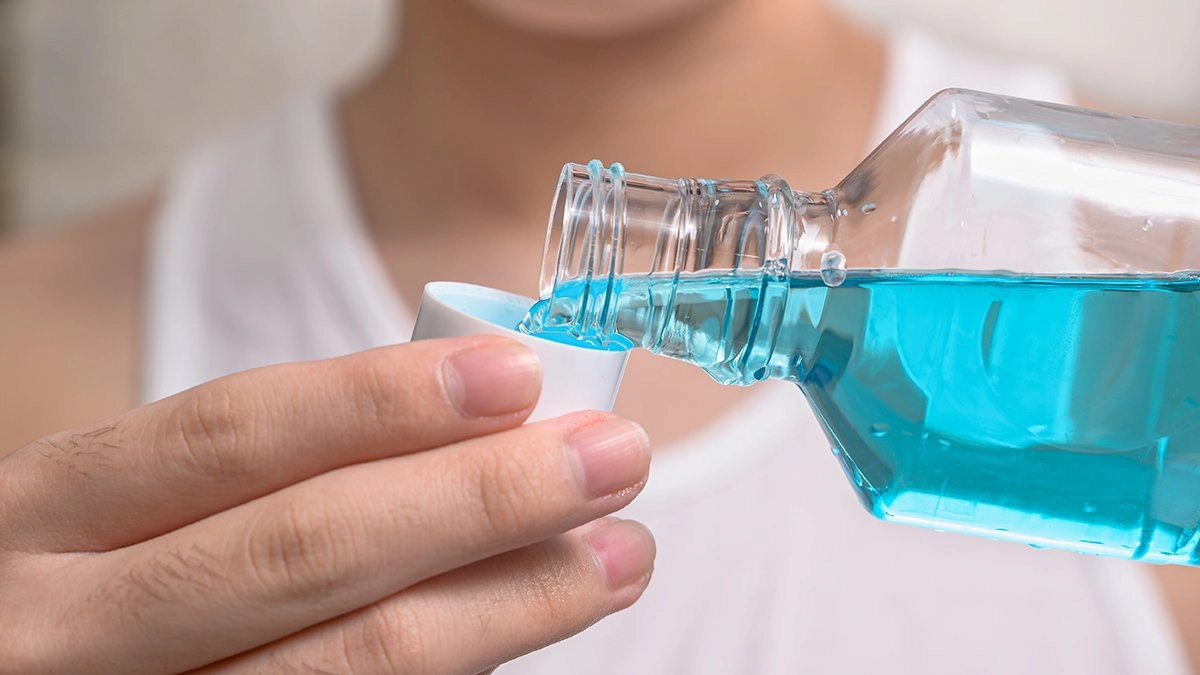
For mouthwash, choose a fluoride rinse without harsh or abrasive ingredients. An alcohol-free option may be more comfortable if you experience dry mouth or gum irritation. Mouthwash can help reduce bacteria and support cavity prevention, but it should complement, not replace, brushing and flossing.
What Can Mess Up Veneers?
Avoid damaging the edges by biting ice, pens, fingernails, or other hard objects. Never use your teeth to open packages. If you grind or clench at night, your dentist may recommend a custom night guard to protect the restorations from repeated pressure.
How to Keep Veneers White
Whiten Veneers at Home
Porcelain veneers are stain-resistant, but dark foods and drinks can still affect their appearance over time. Rinse after coffee, tea, or red wine and maintain consistent home care. If the discoloration is on the surrounding natural teeth instead, removing brown stains naturally requires a different approach because enamel and veneer materials respond differently.
Bleaching gels may lighten nearby natural teeth without changing the porcelain, creating a visible color difference.
Can You Make Veneers White Again?
You cannot chemically whiten veneers the same way you can whiten natural teeth. The same material limitation explains why crowns don’t whiten like natural teeth, since dental restorations do not respond to bleaching the way enamel does.
Professional polishing may remove surface stains and restore some brightness, but bleaching products will not change the color of porcelain or other tooth-colored restorations.
If discoloration comes from the veneer itself, the bonding, the underlying tooth, or the margins, your dentist may need to evaluate whether polishing, repair, or replacement is the better option.
How to Clean Veneers at the Dentist
How Often Should Veneers Be Cleaned?
Clean your veneers at home every day by brushing twice daily and flossing once daily. Professional dental cleanings are often scheduled about every six months, but the ideal interval depends on your plaque buildup, gum health, decay risk, and other dental needs. Your dentist may recommend more frequent visits if you’re at higher risk for gum disease or other oral health concerns.
What Professional Cleaning Can Remove
A hygienist can remove hardened buildup and polish surface stains using methods suited to restorative materials. For lighter plaque, biofilm, or surface stains, Airflow teeth cleaning may be another option when appropriate. A dental visit also gives your dentist a chance to check the margins, gums, bite, and bonding before small changes become more difficult to address.
How Long Do Veneers Last?
What Happens After 20 Years of Veneers?
Veneers don’t have an automatic 20-year expiration date. Understanding whether veneers are permanent can help clarify why the procedure may be irreversible even though the restorations themselves may eventually need replacement.
Dental veneers often last around 10 to 15 years with proper care, but lifespan varies, and some may eventually need replacement because of wear, recession, chips, discoloration, or changes in the underlying tooth.
Signs Veneers May Need Replacement
Schedule an evaluation if you notice a chip, looseness, new sensitivity, persistent discoloration, gum changes, or a bite that feels different. At Smile Lab in Union Square, Dr. Waise Ebrahimi applies a conservative approach to evaluating both the restoration and the tooth beneath it, with the goal of preserving healthy tooth structure whenever possible.
If something has changed or your home routine feels unclear, a professional evaluation can show whether you need a simple polish, a care-routine adjustment, or further treatment. Schedule Your Visit.