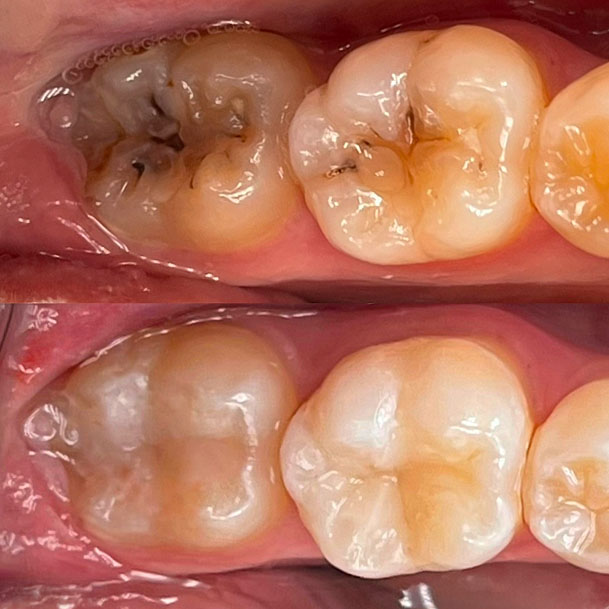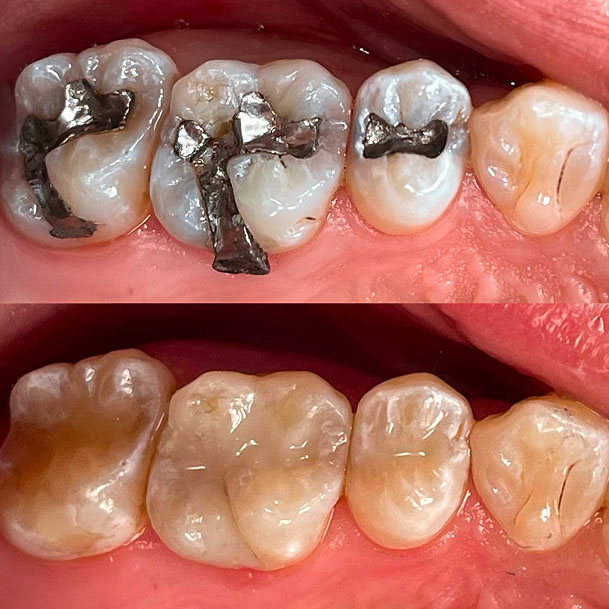

After treatment, you may have mild sensitivity to hot and cold or short-term gum tenderness. Soft foods and over-the-counter pain relievers, when safe for you, may help with temporary soreness. If symptoms worsen, throb, or don’t improve, see a dentist.
Key Takeaways
- Local anesthesia usually keeps tooth preparation comfortable, although you may still notice pressure or vibration.
- Mild temperature sensitivity and gum soreness can occur after treatment. These effects should improve as your mouth adjusts.
- Severe, worsening, throbbing, or bite-related discomfort is not expected and deserves a dental exam.
- Traditional treatment requires enamel removal, which cannot be reversed. Careful planning helps preserve healthy tooth structure.
- Brushing, flossing, and regular dental visits help protect both the restorations and the natural teeth below them.
Is It Painful to Get Veneers?
Usually, no. Local anesthesia helps reduce pain or discomfort during tooth preparation, though you may still feel light pressure or vibration. No dentist can promise treatment will be completely pain-free for everyone, but severe discomfort is not expected.
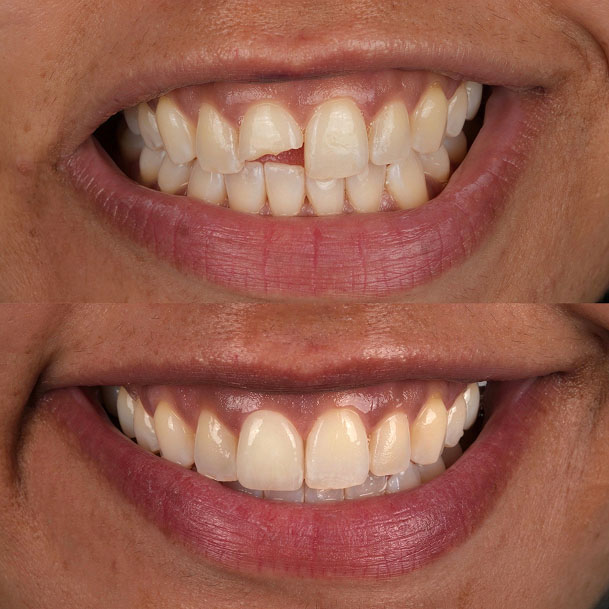
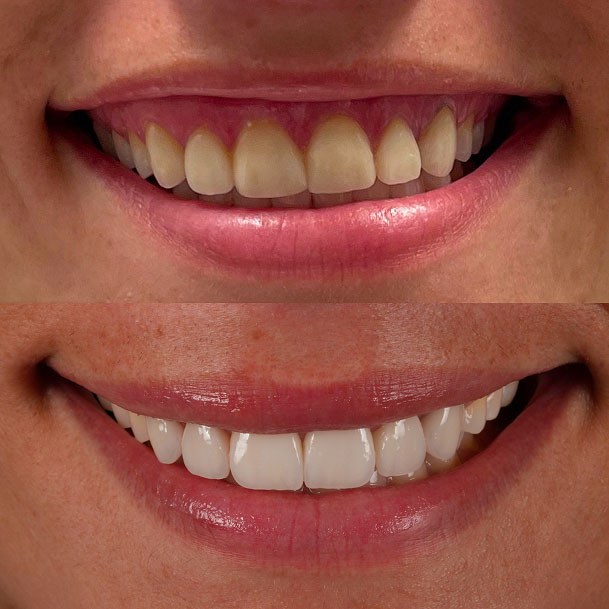
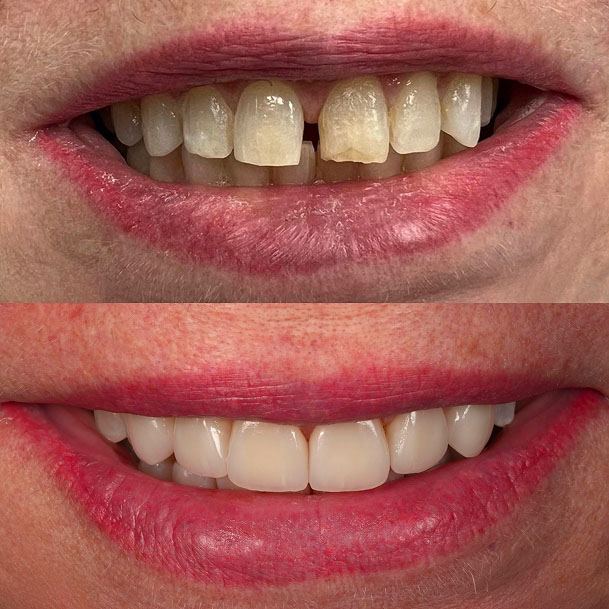
Veneers are thin shells placed over the front surface of teeth. Porcelain options may require some enamel removal, while composite veneers can need less preparation in selected cases.
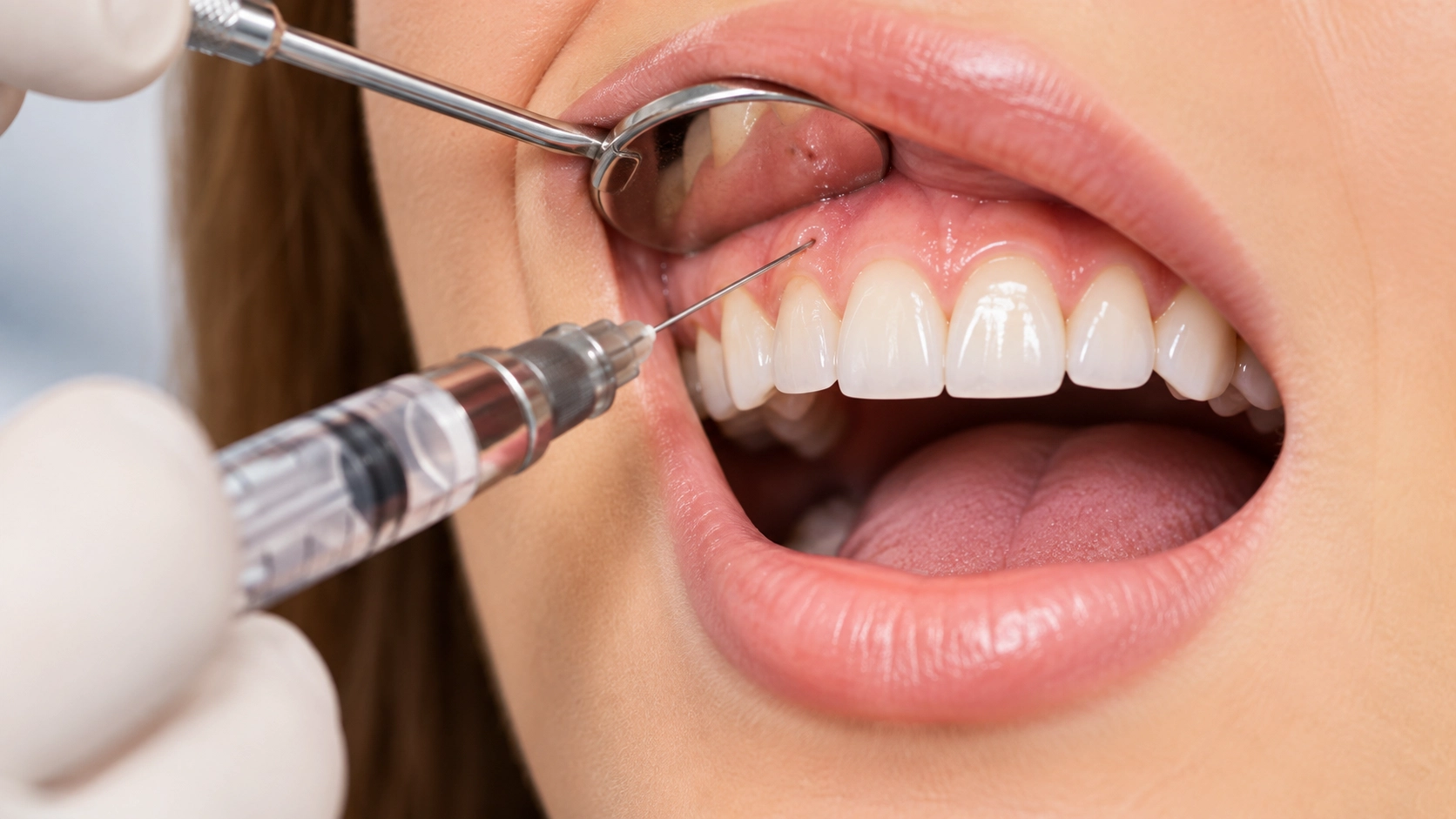
Tooth Preparation and Local Anesthesia
For traditional dental veneers, the dentist may remove a thin layer of enamel before taking impressions or placing the restoration. Learn more about teeth shaving for veneers and how much enamel may need to be removed. Local anesthesia helps keep this stage comfortable.
No-prep veneers keep more natural enamel in place and may lead to less sensitivity in some cases. They are not suitable for every tooth shape or cosmetic goal, so proper case selection matters.
Temporary Restorations
Some patients wear temporary shells while a dental lab creates the final set. Prepared teeth can develop sensitivity to hot and cold during this stage, especially when more enamel has been removed.
Temporary restorations may also feel different when you bite or speak. These changes should become easier to manage rather than worsen.
Final Placement
Once the permanent veneers are ready, the dentist checks their shape, color, and fit before bonding them. You may feel light pressure during the final veneers procedure, but you shouldn’t expect sharp discomfort.
Your dentist will also check your bite. If one restoration sits too high, it can place extra force on a tooth and may need a small adjustment.
Do Veneers Hurt Afterward?
Mild tooth sensitivity or gum soreness can occur after treatment. This is more common after enamel removal because the tooth may react more strongly to temperature for a short period.
Recovery varies from person to person. The number of treated teeth, depth of preparation, gum response, and natural sensitivity can all affect how the first few days feel.
How Long Does Sensitivity Last?
Mild sensitivity usually improves within a few days to about two weeks after treatment. Teeth that required more enamel removal may stay sensitive for longer, especially to hot or cold foods and drinks.
The discomfort should become less noticeable over time. If it lasts beyond two weeks, gets worse, or makes eating difficult, your dentist should check your bite, gums, bonding, and the natural tooth underneath.
Do Veneers Hurt Your Gums?
Your gums may feel tender for a short time because the work takes place close to the gumline. Mild irritation should improve as the tissue heals and you return to normal brushing and flossing.
Ongoing swelling, bleeding, or soreness may point to irritation or another oral health issue. A dental exam can help identify the cause.
When Is Discomfort Not Normal?
Sharp, severe, or worsening symptoms are different from normal short-term sensitivity. Throbbing, swelling, discomfort when biting, or trouble eating should be evaluated.
Short-term soreness can have several causes. Medication may help when appropriate, but don’t use it to mask symptoms that continue or worsen.
Can Treatment Affect Your Teeth?
Well-planned cosmetic treatment should preserve as much healthy tooth structure as possible. The effect on your teeth depends on the types of veneers used and how much preparation they require. Traditional options are permanent because removed enamel does not grow back, so conservative preparation matters.
At Smile Lab in Union Square, Dr. Waise Ebrahimi follows a conservative approach to cosmetic dentistry and has advanced training from the Kois Center. He focuses on improving appearance while preserving healthy tooth structure whenever the case allows.
Do Teeth Go Bad Under Veneers?
A natural tooth can still develop decay under or around a restoration if bacteria reach vulnerable areas. Brushing, flossing, professional cleanings, and regular exams remain necessary after treatment. Knowing how to clean veneers properly can help control plaque around the restoration and support the natural tooth underneath.
A cosmetic shell does not make the tooth beneath it immune to cavities. Good oral health helps protect both the restoration and the supporting tooth. If plaque or food collects around the margins, it can also contribute to odor, which is why some people ask whether veneers can cause bad breath.
Do Front Teeth Hurt With Veneers?
Front teeth are not more likely to become sore simply because of their location. Sensitivity depends more on preparation depth, existing tooth health, bite forces, and your individual response.
What Should You Know Before Treatment?
During your initial consultation, ask how much preparation your teeth require, which material fits your goals, and whether any changes will be permanent. Understanding these details before treatment can make the process easier to evaluate. It also helps to understand how long veneers can last and what can affect when they need replacement.
Some people may qualify for minimal-prep or no-prep options. Others need traditional preparation so the restoration fits well and looks natural.
Can I Bite an Apple With Veneers?
Once the restorations are fully bonded and your dentist has checked your bite, you can usually return to a normal diet. Avoid using restored teeth to open packages or repeatedly biting very hard objects that could cause chips.
How Can You Reduce Discomfort?
Follow your dentist’s care instructions and keep your mouth clean. If your teeth feel sensitive, avoid very hot or cold foods for a short time, and use any recommended medicine as directed.
If fear of dental work has made you delay cosmetic treatment, an exam can give you a clearer idea of what your teeth actually need. A consultation at Smile Lab can also help determine whether traditional, composite, or prep veneers fit your goals and what recovery may involve.