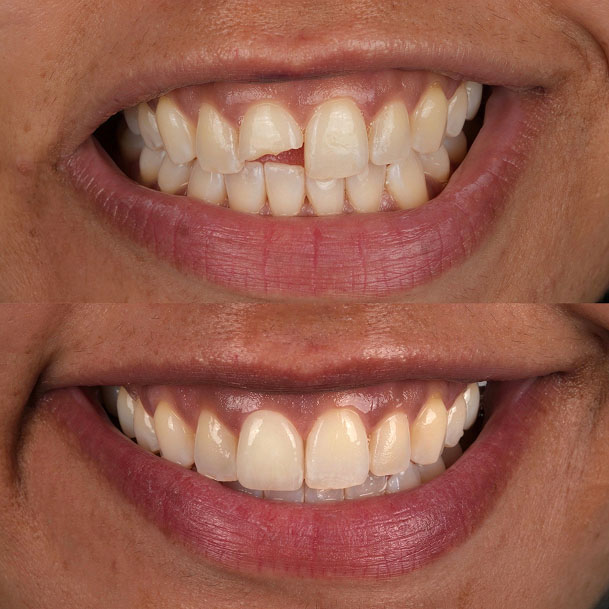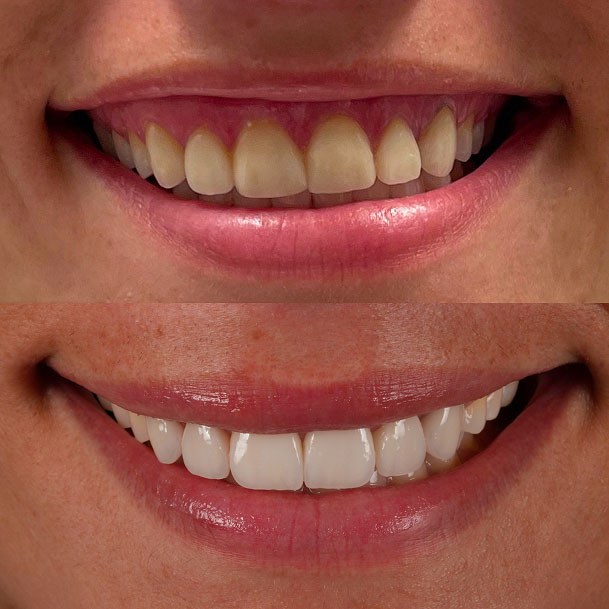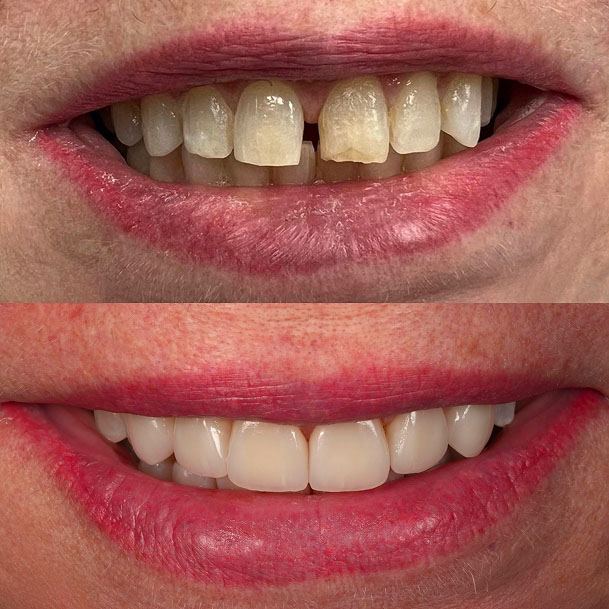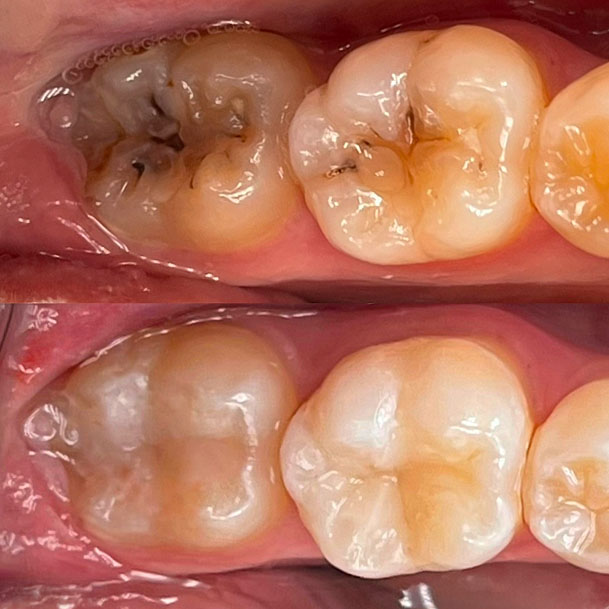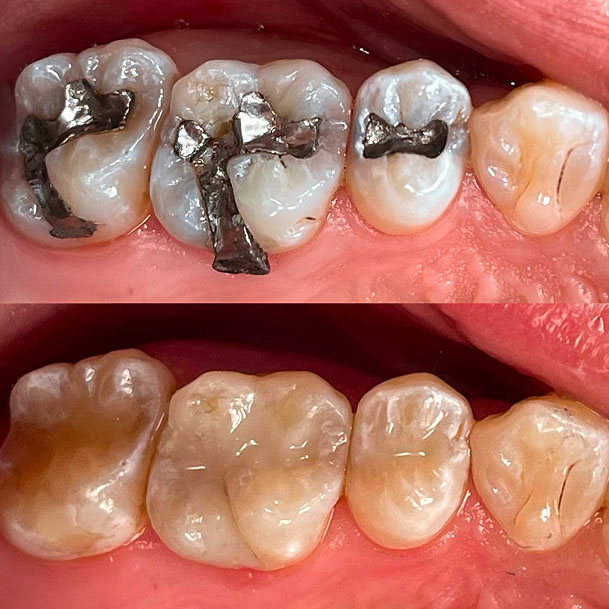
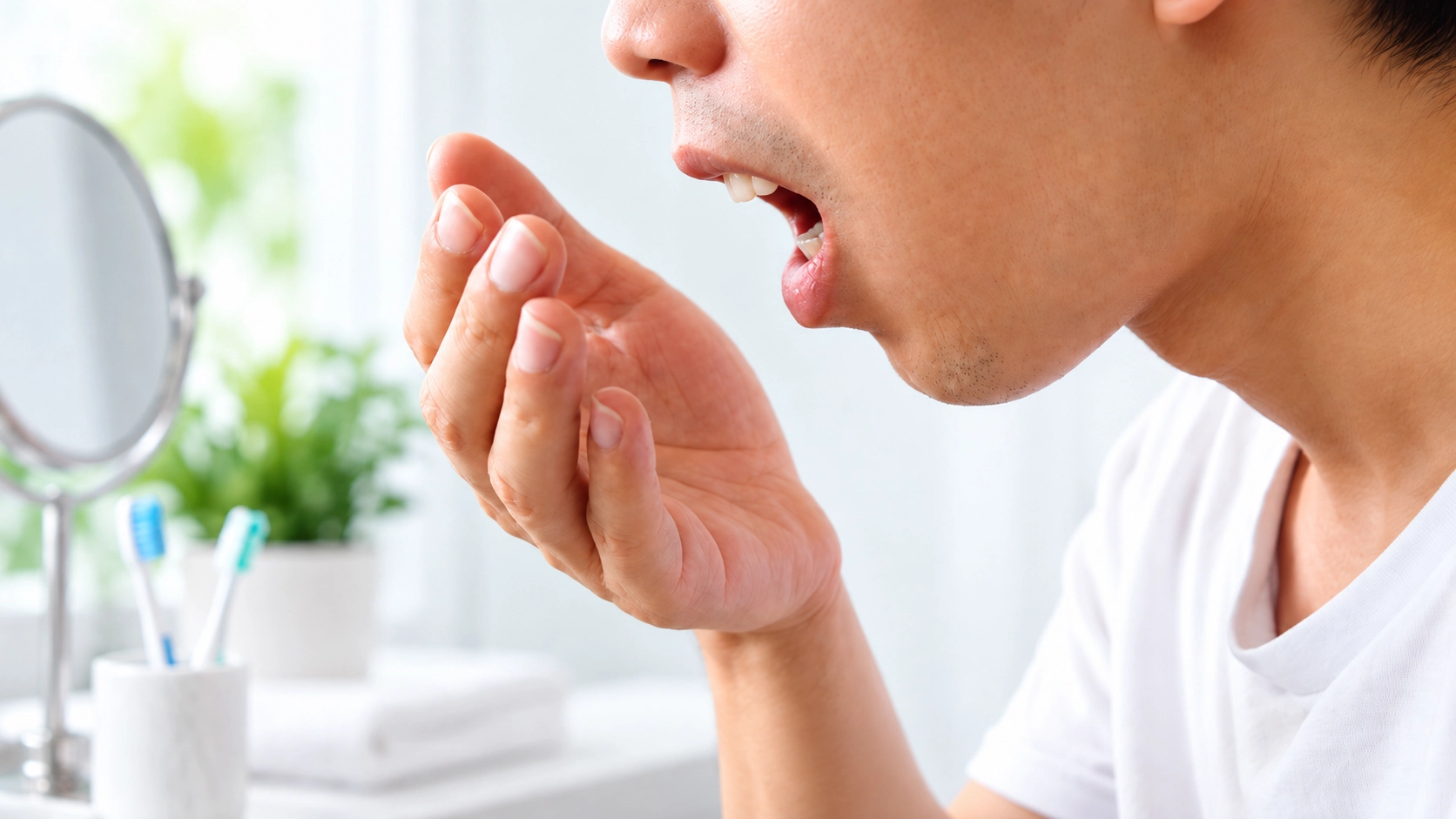
Good daily care can prevent many of these problems. Brush twice a day with a soft toothbrush, use non-abrasive toothpaste, and floss carefully along the gum line. Check for ongoing odor because treatment depends on the underlying cause.
Key Takeaways
- Cosmetic restorations usually do not cause odor on their own. Plaque, trapped food, gum inflammation, decay, or problems with the restoration margin are more common causes.
- Poorly fitting or aging restorations can create small spaces where bacteria collect, causing an unpleasant smell or taste.
- Proper care includes brushing twice daily, flossing around the gum line, and keeping regular dental appointments.
- A dentist should evaluate persistent odor, bleeding gums, sensitivity, or rough edges.
- Treatment may include professional cleaning, gum or decay treatment, margin polishing, or replacing a failing restoration.
Why Do People With Veneers Have Bad Breath?
Dental veneers should not smell on their own. If you are wondering, “Do veneers smell?” the source is usually bacteria around the restoration, gums, or underlying tooth.
Plaque and Trapped Food
Poor oral hygiene allows food debris and bacteria to collect between teeth and near restoration margins. Plaque accumulating in these areas can release sulfur compounds that create an unpleasant odor.
Daily brushing and flossing usually control this buildup. Proper care remains essential because cosmetic work depends on healthy gums and natural teeth.
Poorly Fitting Veneers
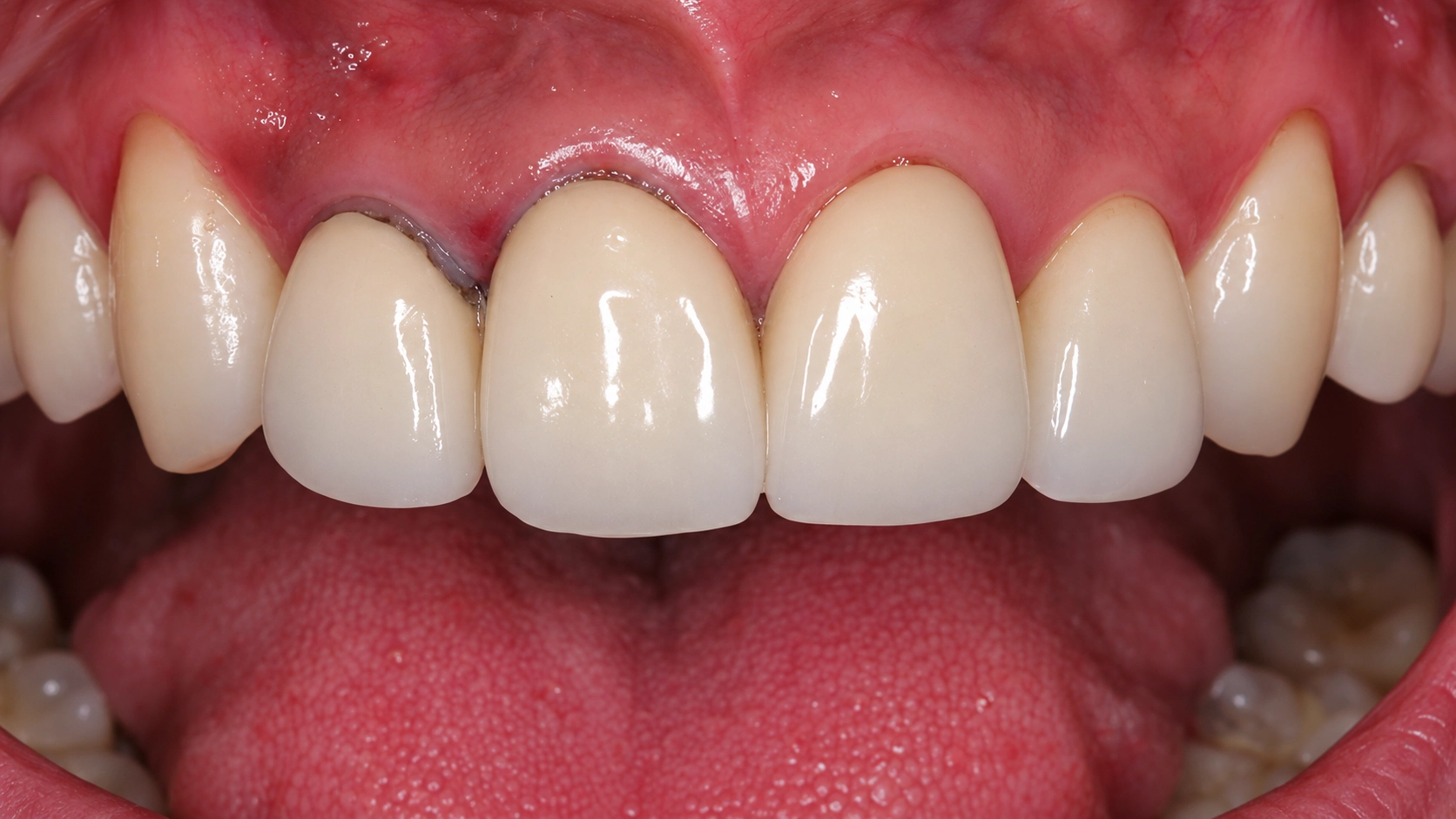
A poor veneer fit can leave a gap where bacteria and food collect. Bonding materials should create a smooth, sealed margin, but damaged or aging edges can become harder to clean.
Gum Disease and Decay
Inflamed or bleeding gums can harbor odor-producing bacteria. Tooth decay can also develop around or beneath a restoration when bacteria reach exposed tooth structure, sometimes causing sensitivity, discoloration, or an unusual taste.
Dry Mouth
Saliva helps remove bacteria and food particles. Dry mouth reduces this natural cleansing effect and can make unpleasant breath more noticeable even when the dental work remains healthy.
What Does Veneer Breath Smell Like?
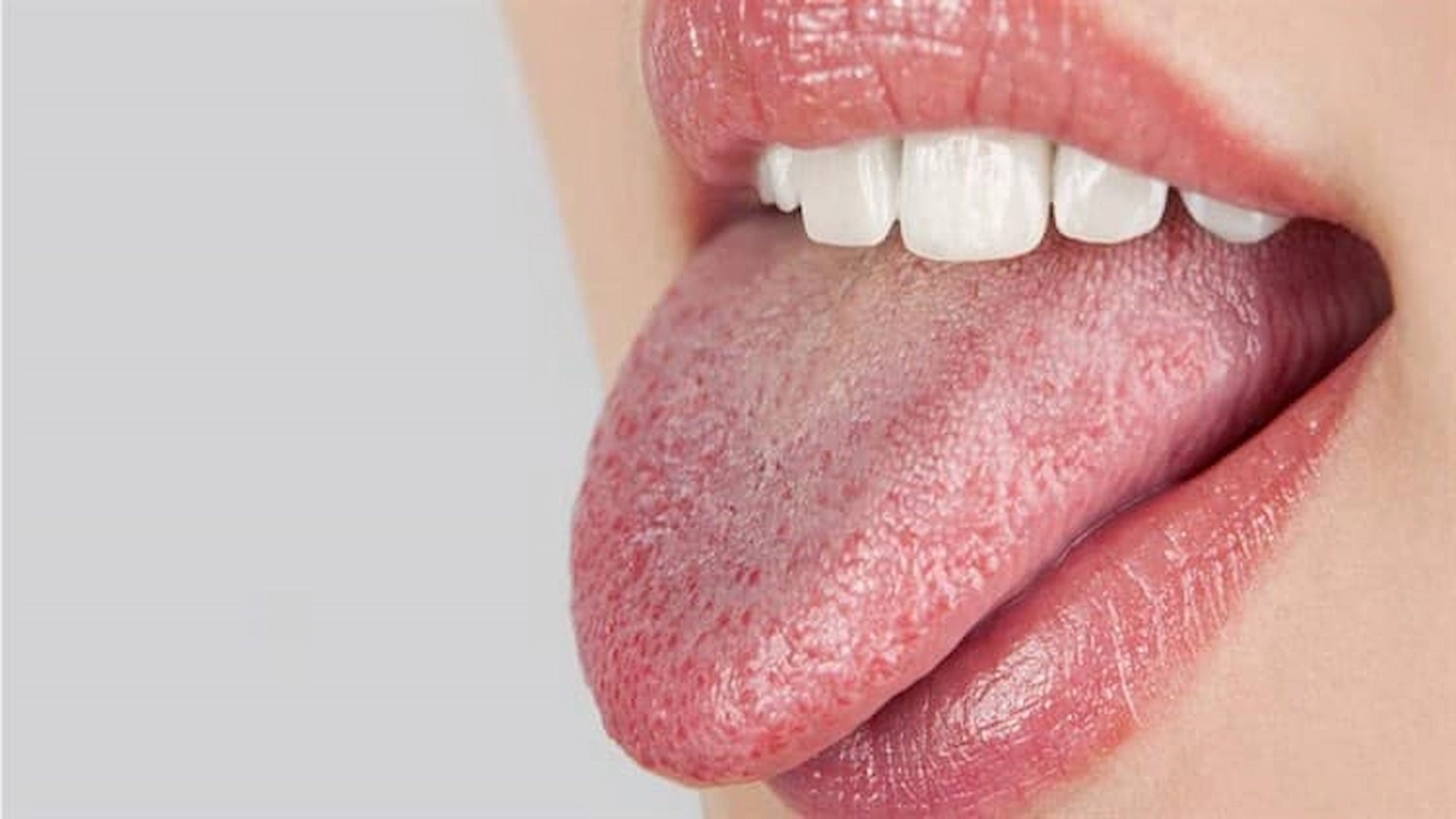
There is no specific “veneer breath” smell. Depending on the bacteria or condition involved, the odor may seem sour, stale, or sulfur-like.
Can Different Veneers Cause Bad Breath?
The material usually matters less than hygiene, placement, age, and condition.
Do Porcelain Veneers Cause Bad Breath?
Porcelain does not normally produce odor. Problems are more likely to come from plaque, gum inflammation, decay, or changes along the restoration margin. Patients researching more conservative preparation may also want to learn how no-prep veneers differ from traditional options.
Do Composite Veneers Cause Bad Breath?
Composite can also remain odor-free with good care. Its surface may become rougher over time, which can make plaque easier to retain if you don’t maintain the restoration.
Can Old Veneers Cause Bad Breath?
Older restorations can develop worn margins, small gaps, or changes in the surrounding gums. These changes may trap bacteria and make cleaning less effective. Learn how long veneers can last and which factors can affect their condition over time.
Temporary restorations can cause similar issues if plaque or food collects around their margins, so follow your dentist’s cleaning instructions.
Can Teeth Rot Under Veneers?
Yes. Teeth can develop cavities beneath or around cosmetic restorations, but the covering itself does not make the tooth rot. If you are comparing treatment options, see how dental implants vs veneers differ in purpose, tooth support, and long-term care.
Decay becomes possible when bacteria reach exposed tooth structure because of poor hygiene or a compromised seal. Regular dental exams help detect these problems before symptoms become more noticeable. If you are considering treatment, understanding teeth shaving for veneers can also help you learn how much natural tooth structure may be prepared before placement.
How Do You Get Rid of Bad Breath From Veneers?
The right solution depends on the cause. Mouthwash may reduce odor temporarily, but it will not correct gum disease, decay, or a poorly sealed restoration.
Improve Daily Cleaning
Brush twice daily with a soft toothbrush and clean between your teeth every day. Pay particular attention to the area where the restoration meets the tooth and gums. Follow these steps to clean veneers and protect the surface and surrounding gum tissue.
Schedule Professional Care
Regular dental cleanings can remove buildup that brushing and flossing miss. You may need a deep cleaning when gum disease creates pockets below the gums.
Treat the Underlying Problem
Gum disease and tooth decay need treatment before odor can fully improve. A loose, damaged, or poorly sealed restoration may also need polishing, repair, or replacement.
When Should Veneers Be Checked?
If better home care doesn’t resolve it, persistent odor deserves attention. Bleeding or swollen gums, sensitivity, a bad taste, movement, or rough edges can indicate a problem that needs evaluation.
If these symptoms continue, an exam can determine whether the source is plaque, gum health, decay, or the restoration itself. At Smile Lab in Union Square, Dr. Waise Ebrahimi takes a conservative approach focused on identifying the cause and preserving healthy tooth structure whenever possible. Schedule Your Visit if you want a clear assessment before deciding on treatment.