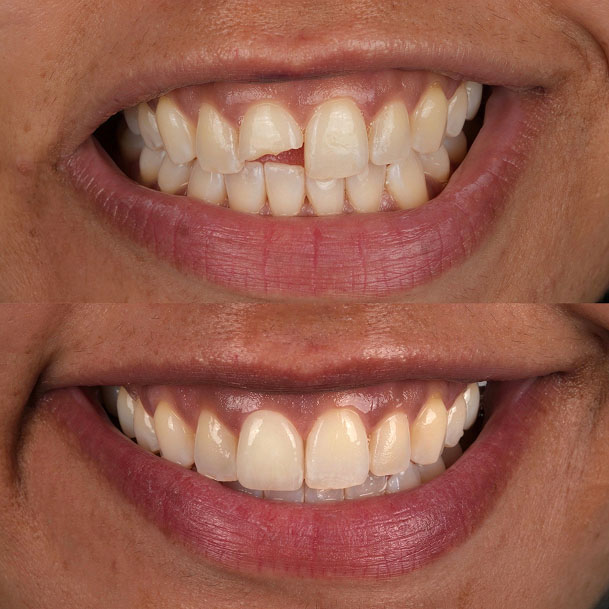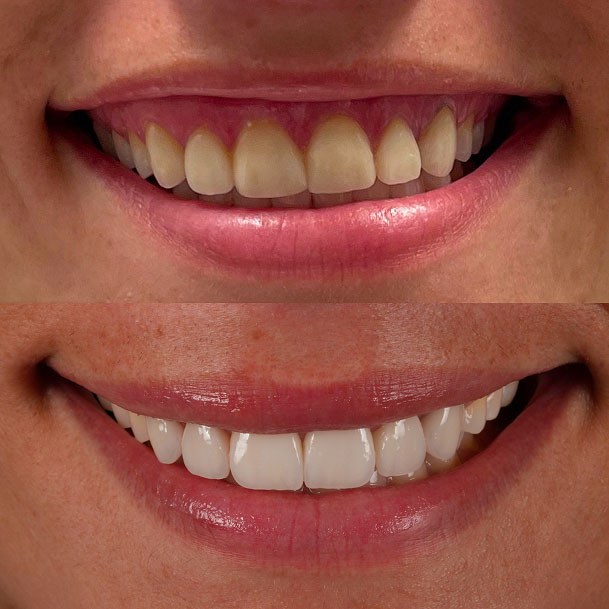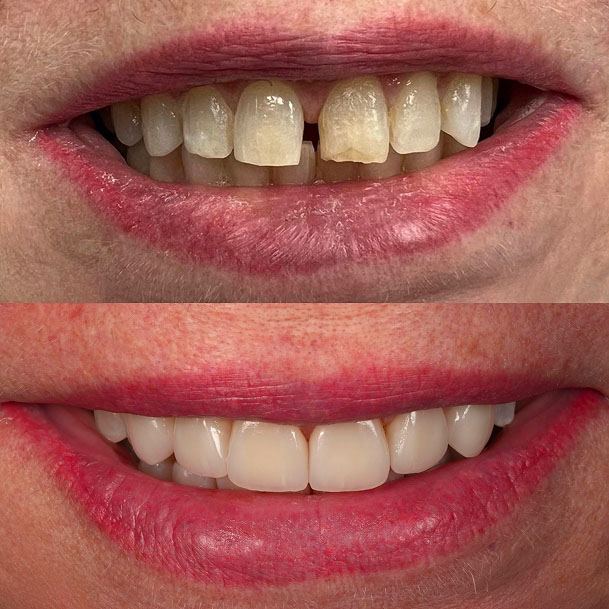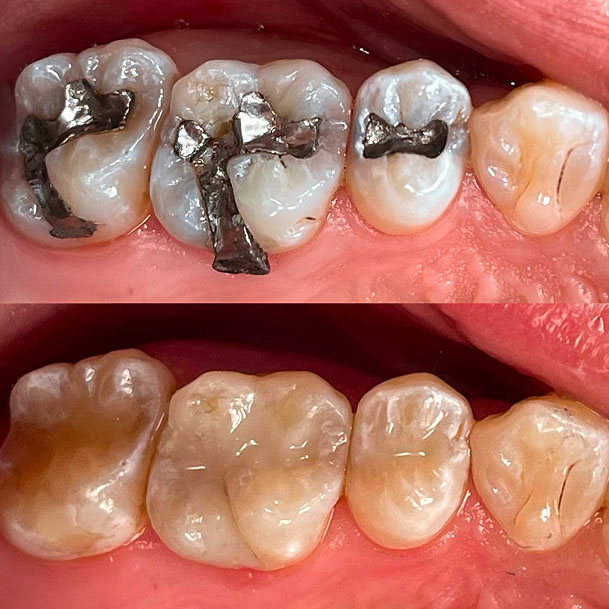
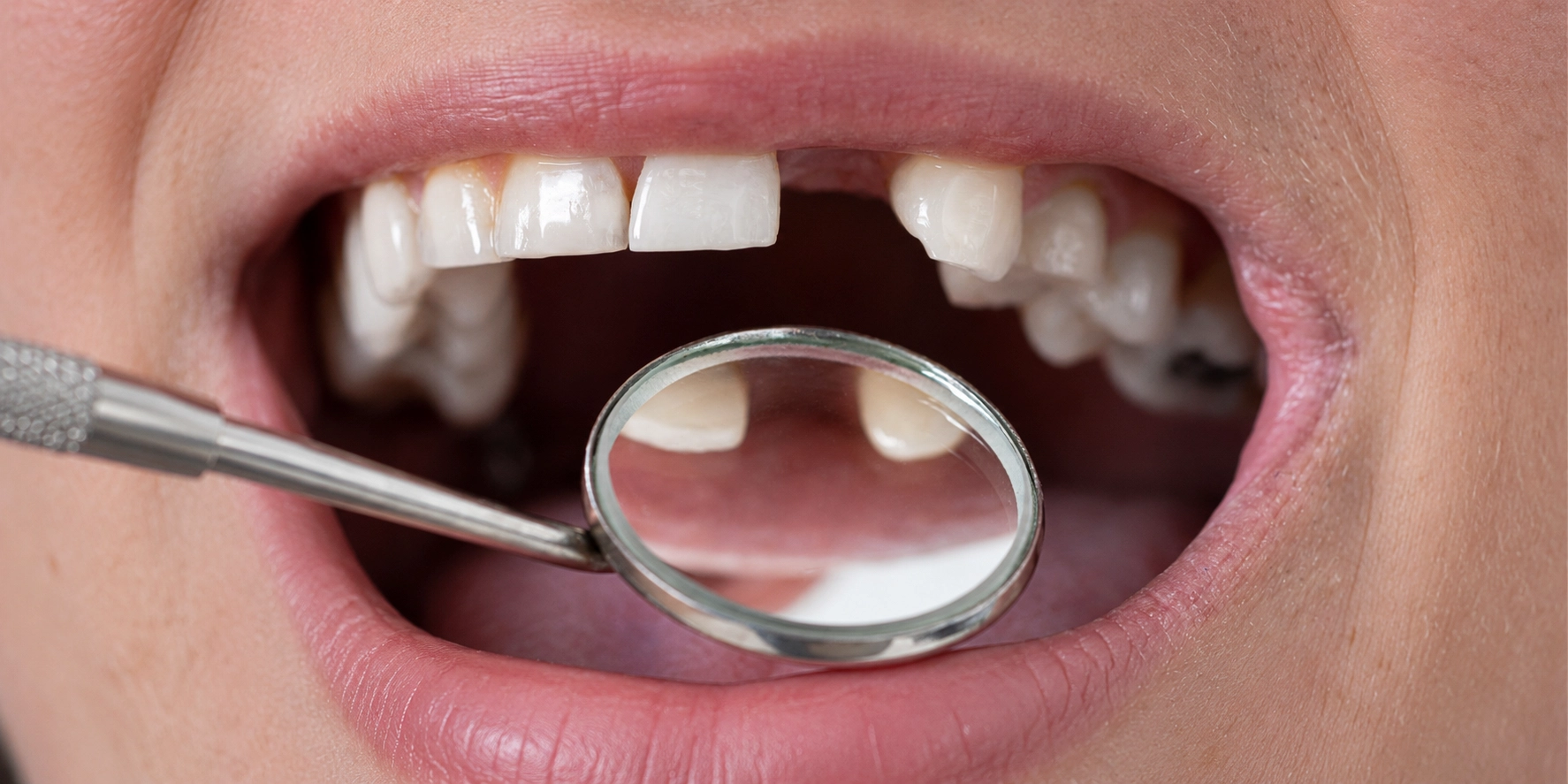
Treatment plans for missing teeth often combine dental veneers with an implant or bridge so the replacement and surrounding teeth match in shape and shade. Total cost depends on the replacement method, the number of teeth treated, and whether you use porcelain or composite. At Smile Lab, we evaluate the remaining tooth structure, bite, gums, and supporting bone before recommending treatment.
Key Takeaways
- Traditional veneers cannot replace a completely missing tooth because they need existing tooth structure for bonding.
- Dental implants, bridges, and partial dentures can replace missing teeth, while veneers may improve nearby teeth.
- Veneer candidacy depends on enamel, decay, gum health, bite forces, and remaining healthy tooth structure.
- Pop-on or clip-in veneers may temporarily hide some gaps, but they do not restore tooth roots or normal function.
- Costs vary by treatment type. At Smile Lab, porcelain veneers are $2,323 per tooth, while a complete implant restoration is $5,950.
Can Veneers Replace a Missing Tooth?
No. A conventional veneer needs an existing tooth surface for support and bonding, so it cannot fill an empty space on its own.
A missing tooth usually requires an implant, bridge, or partial denture. Veneers may still be used on surrounding teeth when shape, color, or proportions also need improvement, which is why understanding dental implants vs. veneers can help clarify their different roles.
Missing Teeth vs. Small Tooth Gaps
A missing tooth means the entire tooth is absent. A small gap, or diastema, forms between teeth that are still present.
Veneers can sometimes reduce small spaces by changing tooth width and shape. They cannot replace a completely absent tooth.
Who Can Get Veneers?
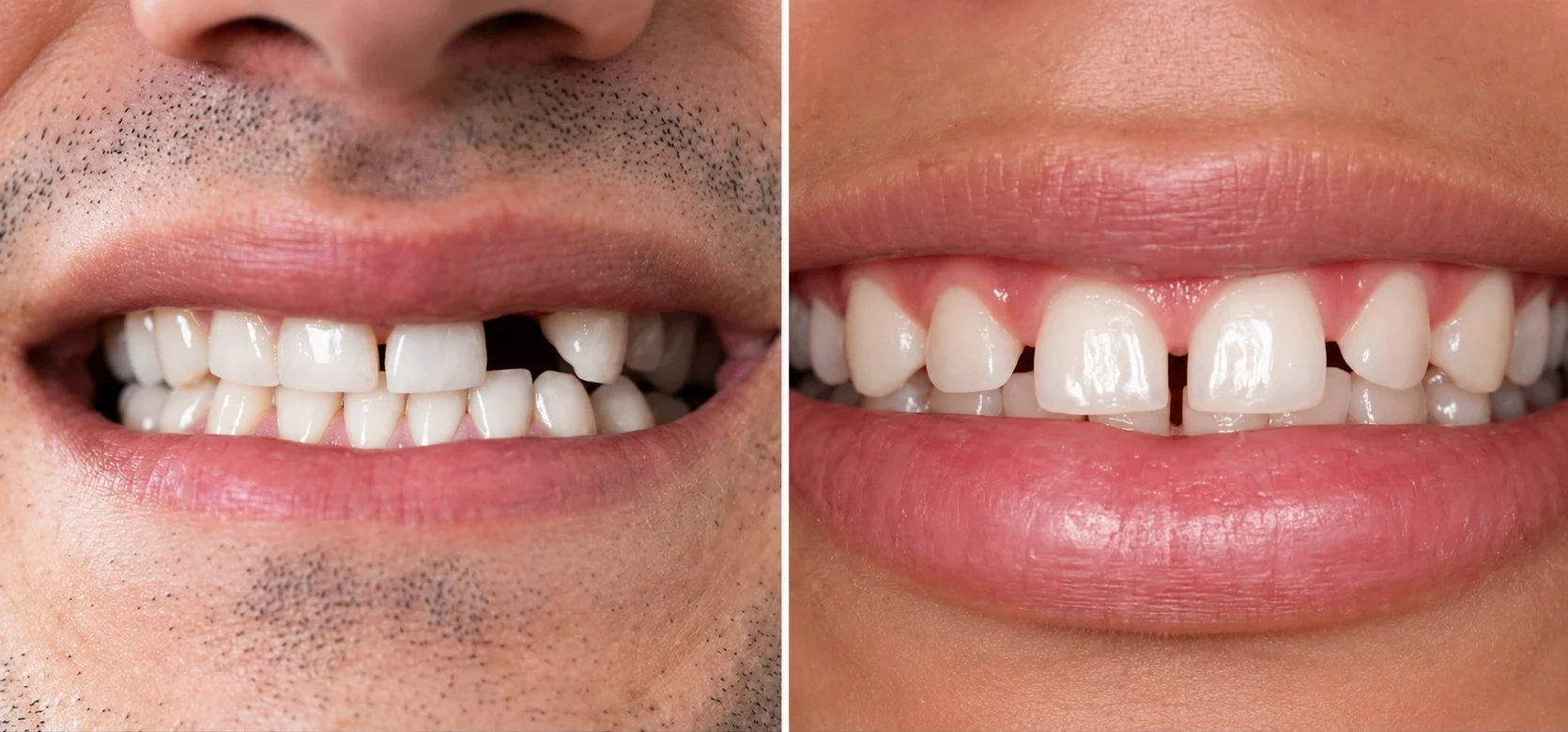
Candidacy depends on the condition of the teeth receiving treatment. A dentist evaluates enamel, decay, gum health, bite forces, tooth position, and remaining natural structure.
Can I Get Veneers with Missing Teeth?
Yes, in some cases. A separate restoration can replace the missing tooth while veneers improve the surrounding teeth.
For example, an implant crown may replace one front tooth while porcelain restorations reshape neighboring teeth. Planning them together helps create consistent proportions and color.
Can You Get Veneers with Bad Teeth?
It depends on the tooth’s condition. Mild discoloration, small chips, uneven shape, or certain gaps may respond well to cosmetic treatment.
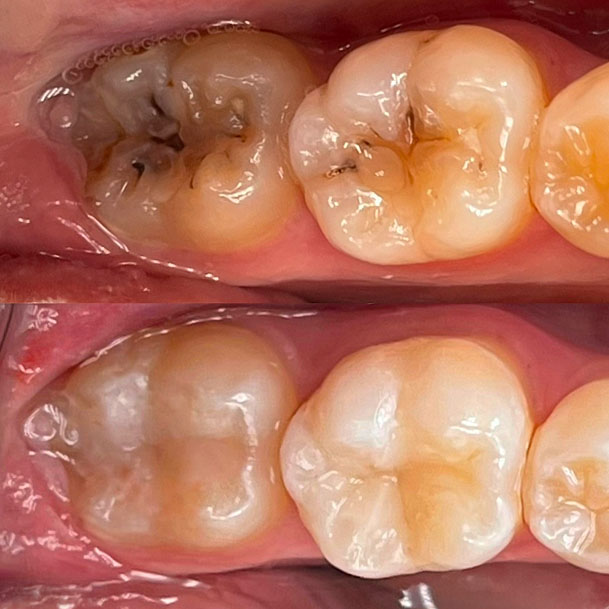
Active decay, major fractures, advanced gum disease, or too little enamel usually need to be addressed first.
What Disqualifies You from Veneers?
Veneers may not be appropriate when there is:
- Active decay or gum disease
- Too little enamel for bonding
- Severe tooth damage
- Significant tooth mobility
- Uncontrolled grinding or heavy bite forces.
- Healthy gums and good oral hygiene also matter because plaque around restorations can contribute to odor, which helps explain whether veneers can cause bad breath.
Dr. Waise Ebrahimi takes a conservative approach to cosmetic and reconstructive dentistry at Smile Lab, focusing on preserving healthy tooth structure whenever possible.
What Can Replace Missing Teeth?
A true tooth replacement restores the space rather than covering nearby surfaces. The main options are implants, bridges, and removable partial dentures.
Dental Implants
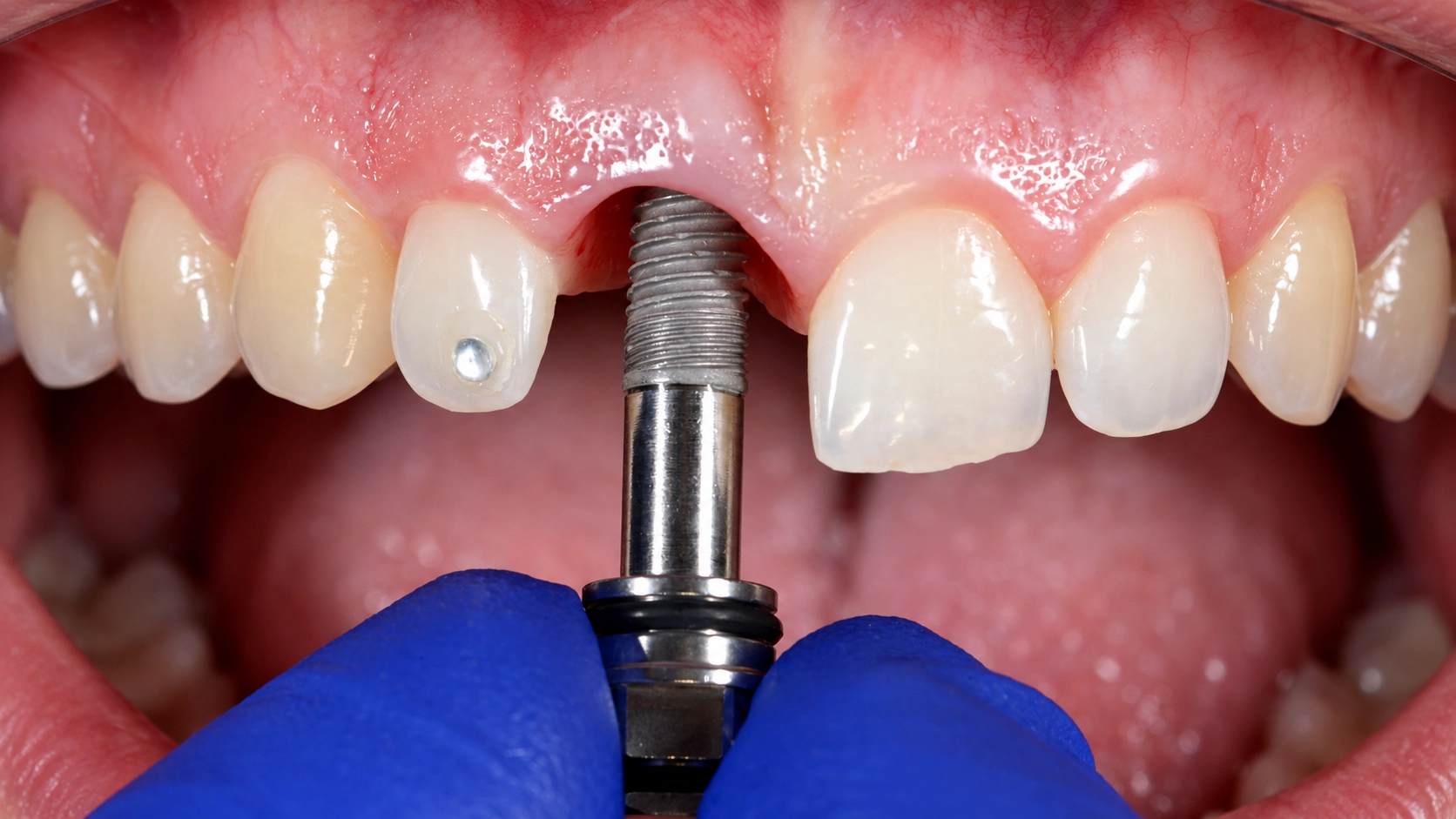
A dental implant uses a titanium fixture placed in the jawbone to support a custom crown. It can replace one tooth without relying on neighboring teeth for support.
Dental Bridges
A traditional bridge uses nearby teeth to support an artificial tooth. It can restore a fixed gap without implant surgery, but the supporting teeth often need reshaping.
Partial Dentures
A removable partial denture can replace one or several absent teeth. It usually costs less than implant treatment but feels different from a fixed restoration during chewing and speaking.
What Is the Cheapest Way to Replace Missing Teeth?
Removable partial dentures are often among the lower-cost options, while implants usually have a higher initial cost. Bridges vary based on the number of teeth involved and the supporting restorations required.
Cost matters, but longevity, function, bone health, and the condition of nearby teeth should also guide the decision.
Can Veneers Work with Replacements?
Yes. Veneers can be combined with implants or bridges when surrounding teeth also need cosmetic changes.
The dentist can coordinate shade, tooth width, length, translucency, and gum position across the restorations, especially because you cannot whiten veneers the same way as natural enamel. This is especially useful when a front tooth is replaced, and the neighboring teeth need to match.
What Are the Best Veneers for Missing Teeth?
No single type can replace a completely missing tooth. Searches for the best dental veneers for missing teeth or best veneers for missing teeth usually refer to cosmetic treatments used alongside a true replacement.
Porcelain vs. Composite Veneers
Porcelain generally offers greater stain resistance and long-term color stability. Composite uses tooth-colored resin applied directly to the tooth and may require less preparation.
The better option depends on tooth condition, desired changes, budget, and expected lifespan.
Can You Get Composite Veneers with Missing Teeth?
No, composite veneers cannot replace a missing tooth because they need an existing tooth for support. They may still be used on nearby teeth to reshape them or close small gaps, while an implant, bridge, or partial denture replaces the absent tooth.
Pop-On Veneers for Missing Teeth
Pop-on or removable veneers may visually cover some gaps when enough natural teeth remain for support. They do not replace the tooth root, preserve bone, or provide the same function as an implant or fixed bridge.
Can You Get Veneers with Missing Back Teeth?
You can still receive veneers on suitable existing teeth even if a molar or premolar is missing. The absent back tooth itself usually needs a restoration designed to handle chewing forces.
Can You Get Clip-In Veneers with Missing Back Teeth?
Some removable appliances may extend across spaces where back teeth are absent. Their chewing strength and stability vary, so they should not be treated as equivalent to a fixed bridge or implant.
Dental Veneers for Missing Teeth Cost
At Smile Lab, a porcelain veneer is $2,323 per tooth. A complete implant restoration is $5,950, including the $2,650 implant body and the $3,300 abutment and crown.
Dental veneers for missing teeth cost more when treatment also requires an implant, bridge, or other replacement. The final amount depends on the number of teeth treated, the restoration type, material choice, and whether you need bone or gum treatment first.
How Is the Right Treatment Chosen?
The right plan depends on what is missing, what remains healthy, and what you want to improve. Tooth structure, gum health, bone support, bite forces, and nearby teeth all affect whether veneers, an implant, a bridge, or a removable option makes sense.
If you are comparing options in Manhattan, Smile Lab in Union Square can evaluate both the functional and cosmetic sides of the problem. A consultation can clarify what needs replacing, what veneers can improve, and which combination best fits your oral health and goals.