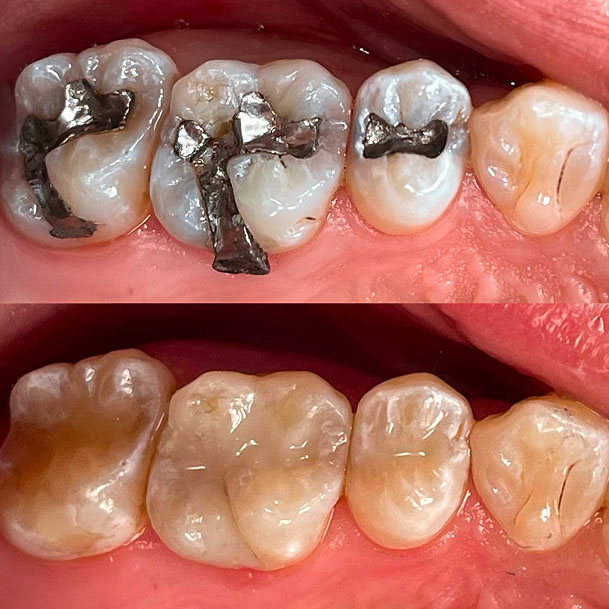
The right option depends on whether you are improving a healthy natural tooth or replacing one that is missing or cannot be saved. At Smile Lab in Union Square, treatment planning considers your teeth, gums, bite, and bone so the final choice supports appearance and long-term function.
Key Takeaways
- Veneers improve the appearance of existing teeth, while dental implants replace missing teeth from the root up.
- Veneers usually involve less recovery and fewer treatment stages, while implants require surgery and a healing period before the final restoration.
- Veneers often last about 10-15 years, while the implant itself can last for decades with good oral hygiene and regular dental care.
- At Smile Lab, the implant body costs $2,650, and the abutment and crown cost $3,300. Porcelain veneers cost $2,323 per tooth, while resin veneers cost $950 per tooth.
- The best option depends on whether you can preserve the natural tooth, the condition of your gums and bone, and your functional and cosmetic goals.
The Difference Between Veneers and Implants
The main difference is purpose. Veneers cover existing natural teeth to improve their appearance, while implants replace missing teeth or teeth that can’t be restored. Your overall oral health, bite, gums, and remaining tooth structure help determine which approach makes sense.
Are Veneers the Same as Implants?
No. Veneers bond to the front of an existing tooth, while an implant replaces a missing tooth root and supports a crown above the gumline.
A veneer may correct discoloration, uneven shape, gaps, or minor chips or cracks. An implant provides a foundation for tooth replacement when the original tooth is no longer present.
What Each Treatment Actually Does
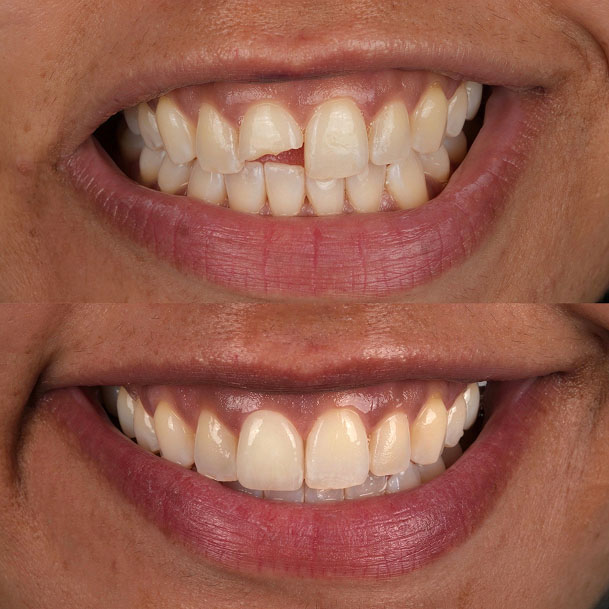
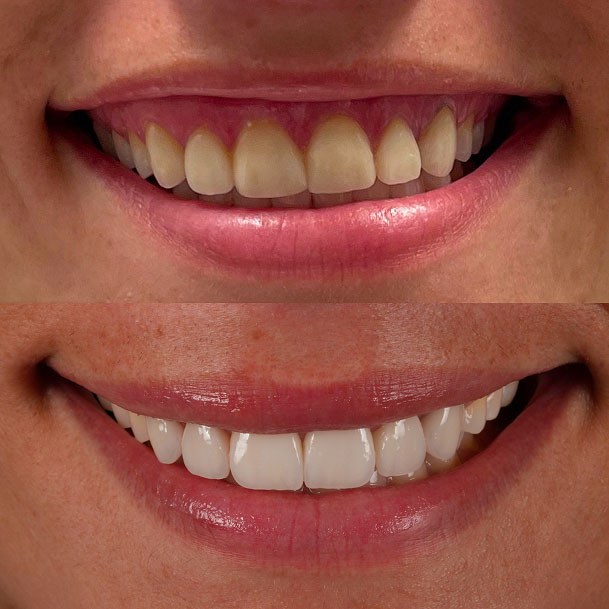
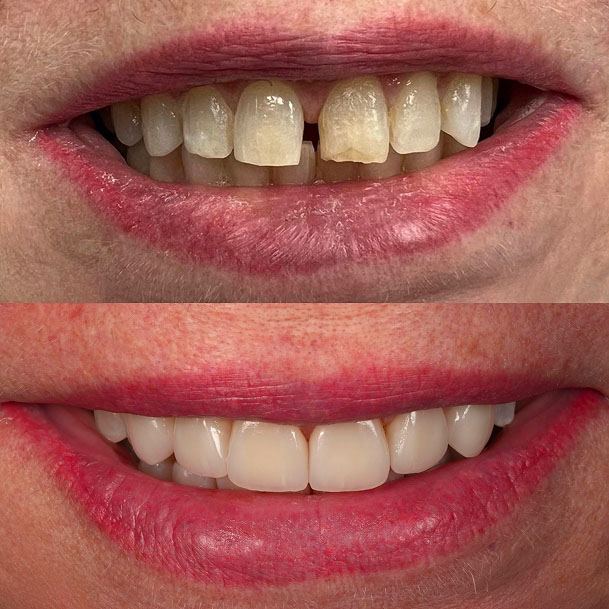
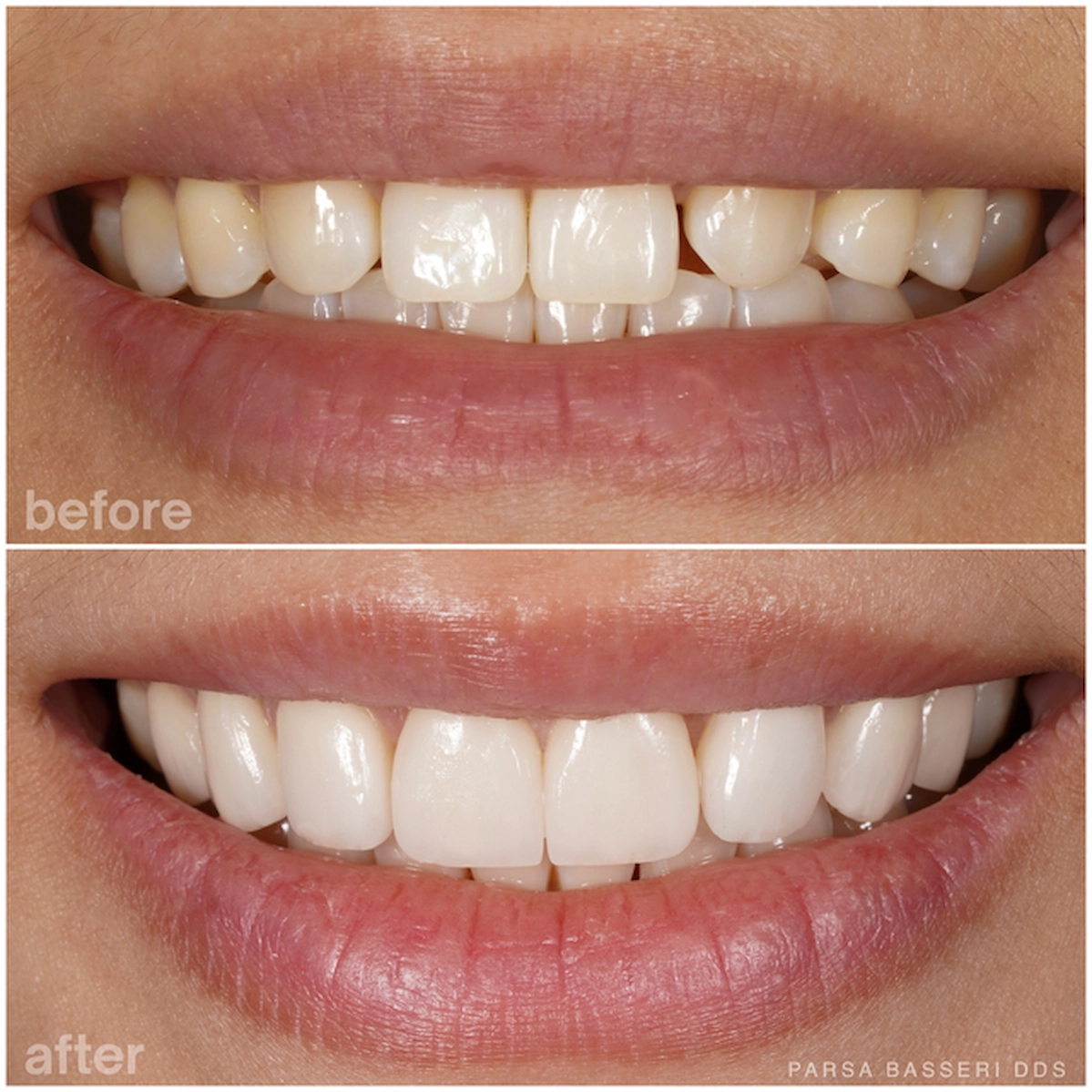
Dentists commonly use porcelain veneers or composite resin to change tooth color, size, shape, or spacing. The number of teeth to improve depends on your smile, goals, and existing tooth structure.
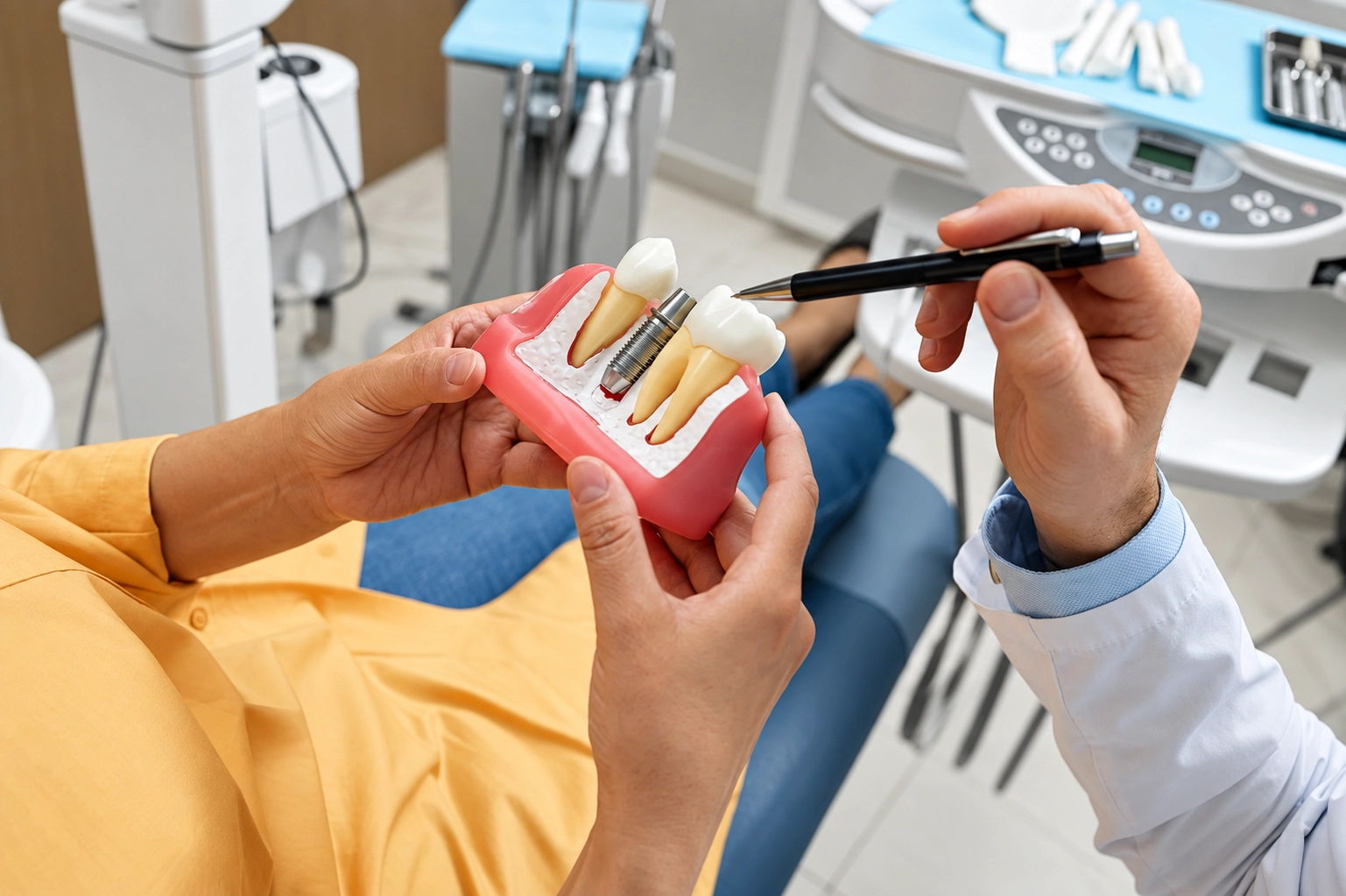
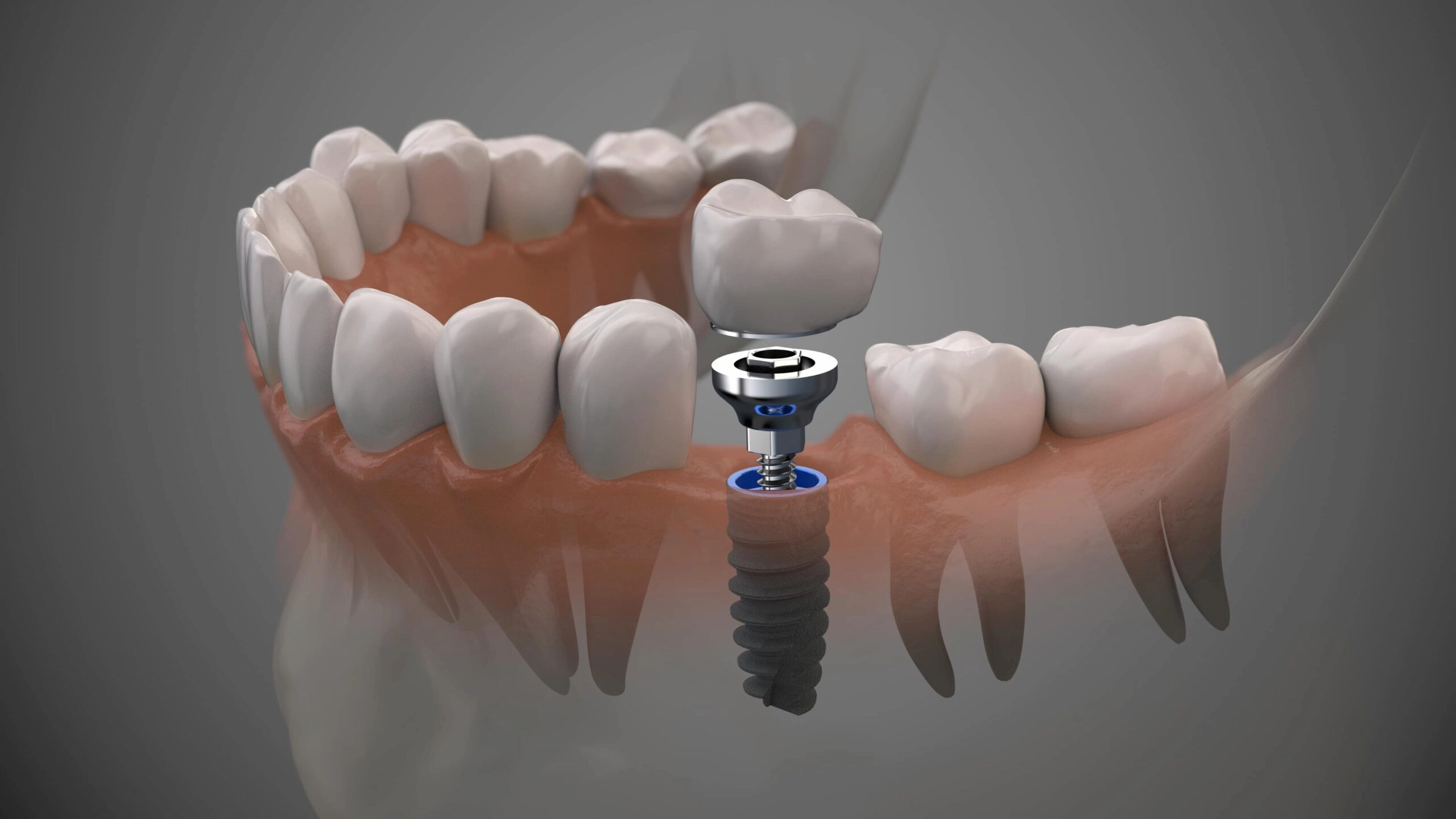
Dental implants are placed in the jawbone and later support a crown, bridge, or denture. Because these treatments solve different problems, choose veneers or dental implants based on a diagnosis, not appearance alone.
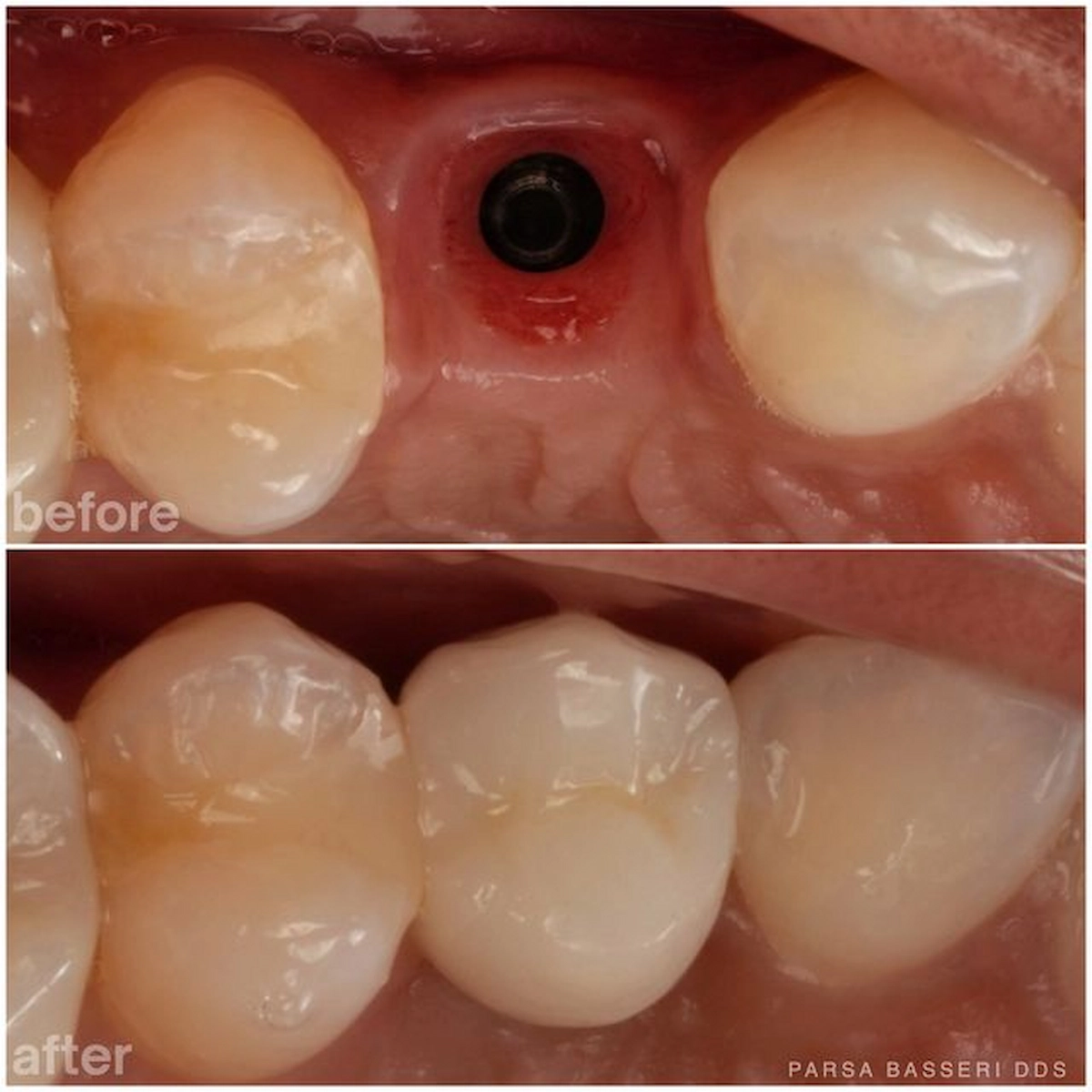
Veneers vs Implants: Key Differences
The most useful comparison looks at cost, recovery, durability, maintenance, and how much healthy tooth structure can remain.
Dental Implants vs Veneers Cost
At Smile Lab, the implant body costs $2,650, while the abutment and crown cost $3,300. Implant treatment may also involve extraction or bone grafting when clinically necessary.
For veneers, Smile Lab charges $2,323 per tooth for porcelain veneers in NYC and $950 per tooth for resin veneers. Total treatment cost depends on how many teeth are treated and which material fits the case.
Dental Implants vs Veneers Pros and Cons
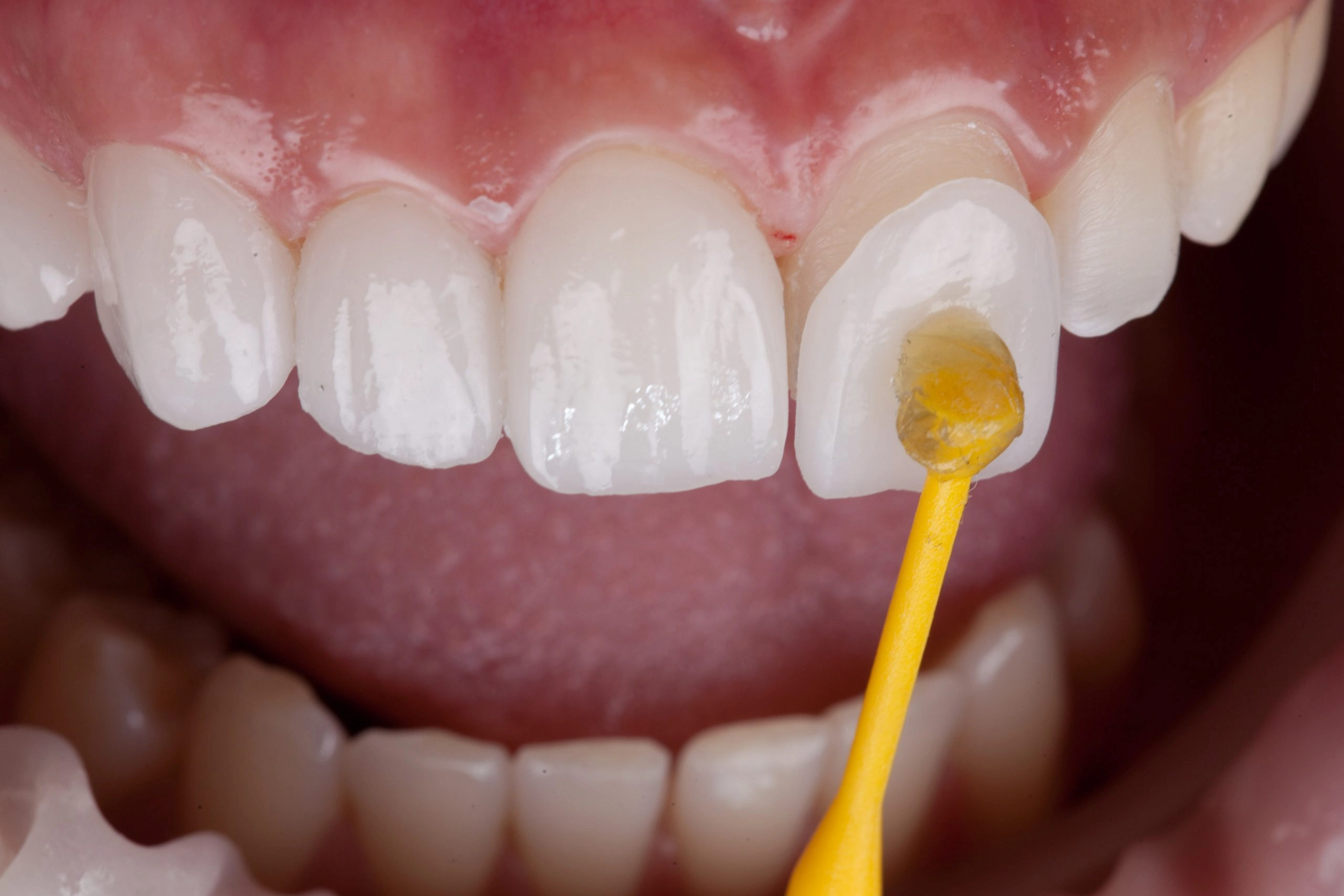
Veneers can improve tooth color, shape, spacing, and minor chips without replacing the natural tooth. They usually involve a shorter recovery, but traditional veneers require some enamel removal, are generally irreversible, and will eventually need replacement.
Implants can provide stable long-term tooth replacement without relying on neighboring teeth. The main disadvantages are higher treatment costs, oral surgery, and a healing period that can last several months. Some patients also need bone grafting, and complications such as infection or implant failure can occur, although proper treatment planning and maintenance help reduce these risks.
Procedure, Recovery, and Maintenance
Veneer treatment usually involves tooth preparation, impressions or digital scans, fabrication, and bonding. Recovery is brief, although temporary sensitivity to hot and cold can occur after enamel preparation. Maintenance includes daily brushing, flossing, professional cleanings, and avoiding habits that can chip or damage the restorations.
Implant treatment involves placing the implant in the jawbone, allowing time for the bone to bond with it, and then attaching an abutment and crown. Dental implant recovery takes longer because healing can continue for several months before the final restoration is placed. Implants also require daily brushing, flossing around the restoration, and regular professional care to keep the surrounding gums and bone healthy.
Which Treatment Is Right for You?
The key question is whether the existing tooth can and should be preserved. Dr. Waise Ebrahimi takes a conservative approach at Smile Lab, supported by advanced Kois Center training in cosmetic and reconstructive dentistry and certification in dental implant placement.
When Veneers Make Sense
A veneer may be appropriate when a tooth is healthy, but you want to change its color, shape, size, or spacing. This makes veneers part of cosmetic dentistry rather than a solution for a missing tooth.
When Dental Implants Make Sense
Implant treatment may be appropriate when a tooth is already missing or cannot be restored predictably. Dental implants are typically considered when there is enough bone, the gums are healthy, and medical factors support normal healing.
When Preserving a Natural Tooth Is Better
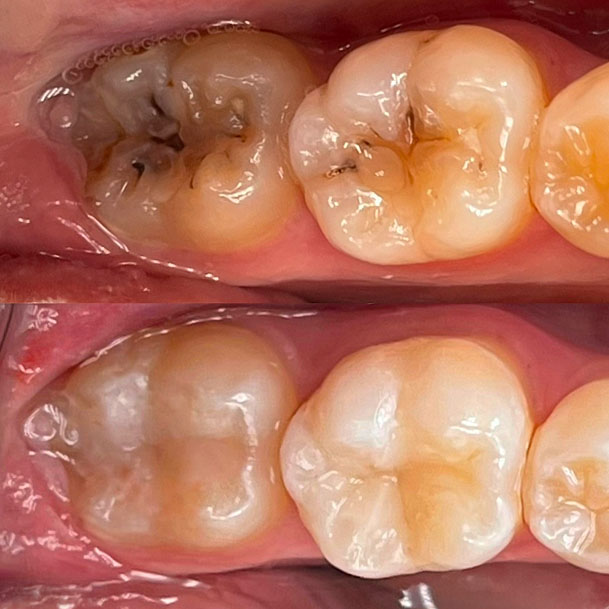
A restorable tooth usually should not be removed solely for cosmetic reasons. Bonding, whitening, orthodontics, a veneer, or a crown may preserve more natural structure when the tooth remains healthy and functional.
Dental Implants vs Veneers vs Crowns
A crown covers more of a tooth than a veneer and can strengthen a tooth weakened by decay, a fracture, a large filling, or previous treatment. A detailed veneers vs crowns comparison can help explain when each restoration may be appropriate. A veneer mainly changes the visible surface, while an implant replaces a missing tooth entirely.
This distinction matters because two teeth that look similar may need different treatment. The tooth’s condition should guide the restoration.
Risks and Limitations
Every option has trade-offs. Understanding them can help you avoid choosing treatment based only on appearance or before-and-after photos.
Why Do Dentists Discourage Veneers?
Dentists do not universally discourage veneers. They may recommend another option when teeth are healthy, and the cosmetic goal can be achieved with less permanent alteration.
Traditional veneers often require enamel removal, so treat existing decay or gum disease first.
What Is the 4-8-10 Rule for Veneers?
The 4-8-10 rule is an informal smile-design concept that refers to treating four, eight, or ten visible teeth. It can help guide symmetry, but tooth condition, bite, smile width, and enamel preservation matter more than following a fixed number.
Replacing Multiple or All Teeth
When several teeth are missing, options may include individual implants, implant-supported bridges, removable dentures, or full-arch restorations.
What Is the Best Option for Replacing All Your Teeth?
No single option is best for every patient. Implant-supported restorations can offer more stability than removable dentures, but bone volume, health, anatomy, hygiene, goals, and budget all affect the decision.
Common Questions About Implants and Veneers
Do Celebrities Get Dental Implants or Veneers?
Celebrities may receive veneers, implants, crowns, bonding, whitening, orthodontics, or combinations of these treatments. Photos alone cannot reliably reveal which procedures someone has received.
Can Veneers Replace Missing Teeth?
No. A veneer needs an existing tooth because it bonds to the tooth surface.
Missing teeth require an implant, bridge, or removable replacement. A veneer cannot function as an artificial tooth root.
Which Option Looks More Natural?
Either option can look natural when the restoration matches your surrounding teeth, gumline, bite, and facial proportions. The quality of the diagnosis and design matters as much as the material.
If you are comparing veneers and dental implant options in Manhattan, Smile Lab in Union Square can assess your teeth and explain which approaches fit your needs. Schedule a Consultation when you are ready to review your options in person.