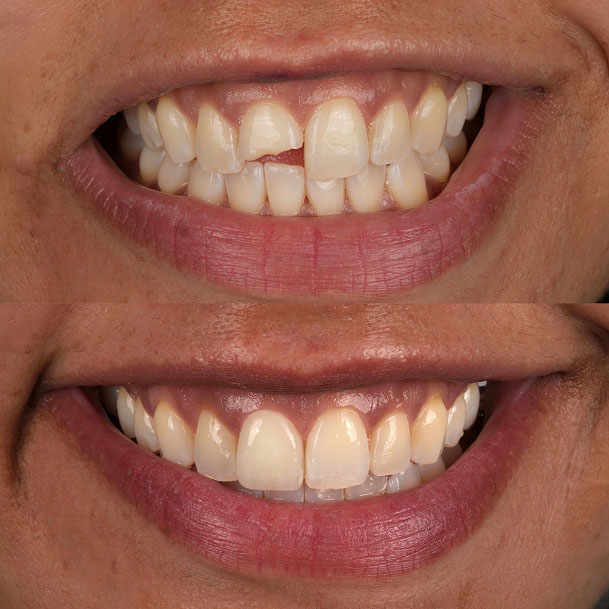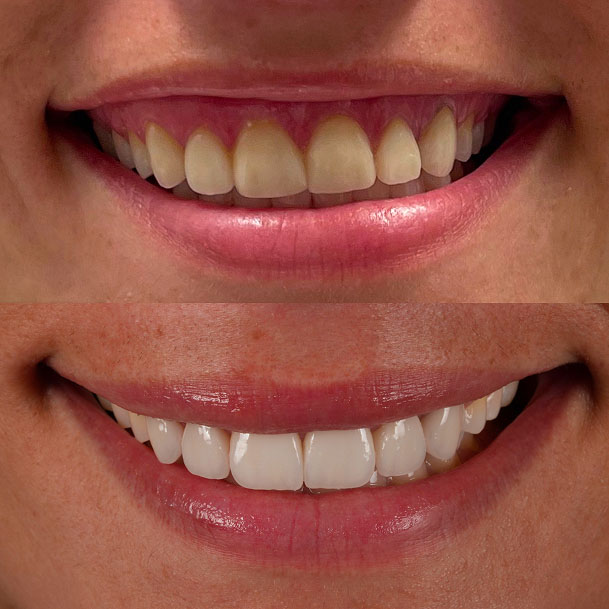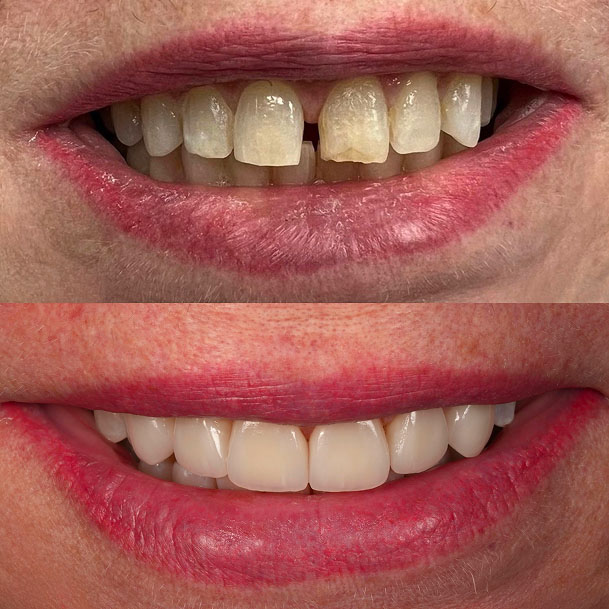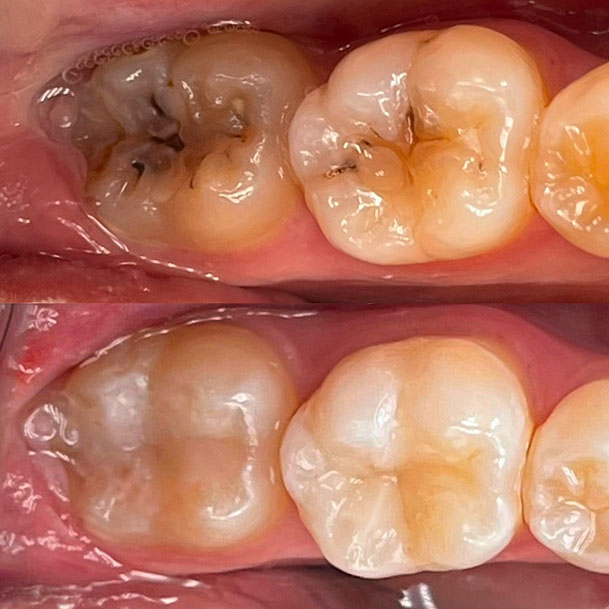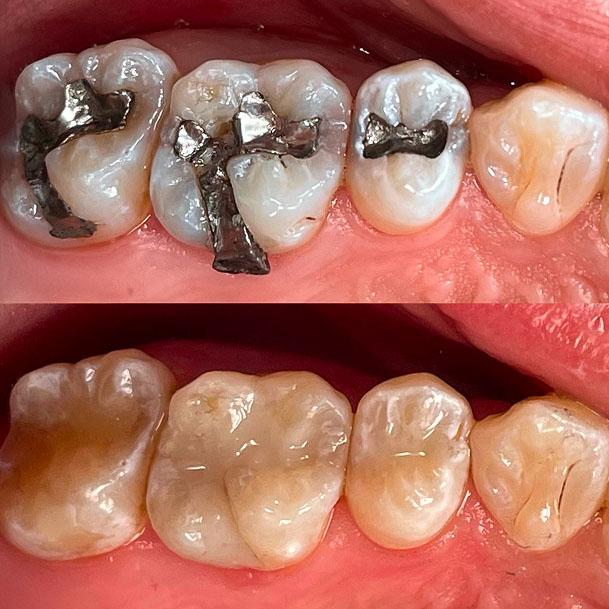
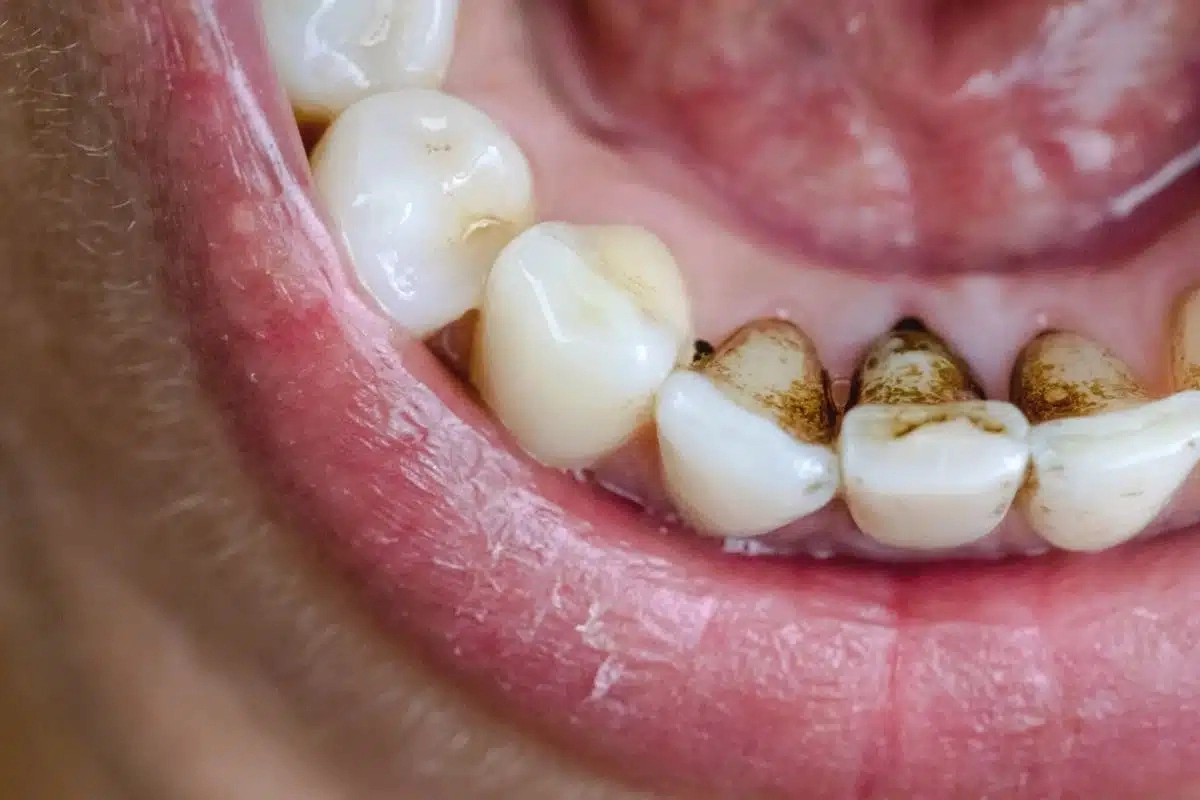
Warning signs include sensitivity, dark spots, swollen gums, and loose restorations. Brushing twice daily, flossing, and regular dental checkups help prevent decay. Dental X-rays can also help detect hidden cavities.
Key Takeaways
- Natural teeth can develop cavities beneath veneers, but the materials themselves cannot decay. Proper placement and daily care lower the risk.
- Plaque buildup, poor brushing habits, and damaged edges let bacteria damage exposed tooth surfaces.
- Warning signs include sensitivity, dark spots, swollen gums, and loose restorations. Some cavities develop without noticeable symptoms.
- Treatment depends on the severity of damage. Options include fillings, replacement veneers, crowns, or root canal treatment.
- Brushing, flossing, and regular dental checkups help prevent cavities. With proper care, porcelain veneers can last 10 to 15 years or longer.
Do Teeth Rot Under Veneers?
Yes, cavities can form beneath dental veneers, but the restorations themselves do not cause decay. Bacteria can collect at the edges when plaque builds up or the bond weakens. Good daily care helps protect the natural tooth structure.
Both porcelain veneers and composite veneers cover the front surface. They improve appearance but cannot prevent every cavity.
What Happens to Teeth Under Veneers?
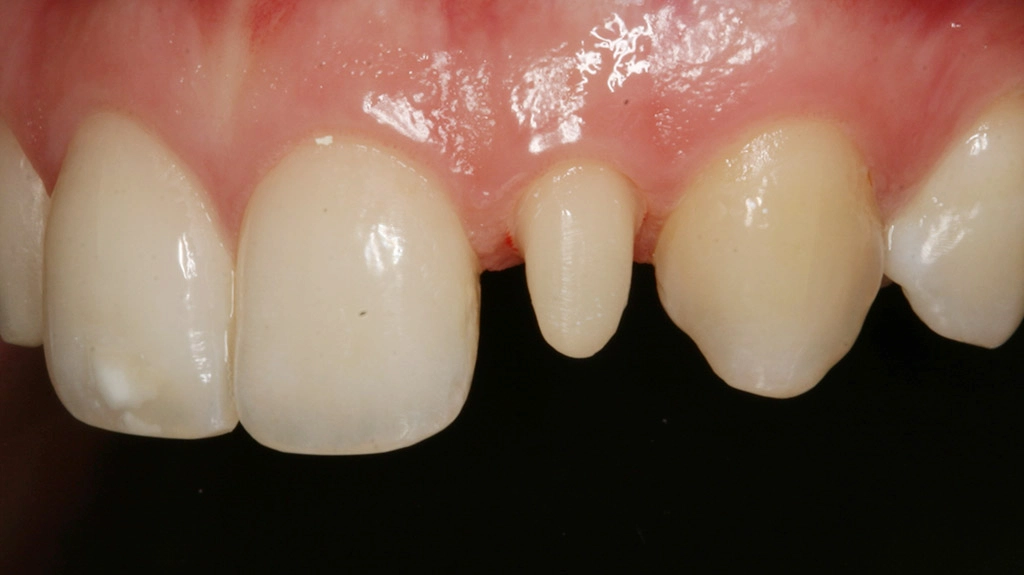
Your natural tooth remains beneath the veneer covering. Before placement, your dentist may remove a thin layer of enamel to make room for the material. The amount of enamel removal during veneer preparation depends on your dental needs and the type of restoration.
Do Veneers Ruin Your Natural Teeth?
No, veneers do not automatically ruin your natural teeth. When placed correctly, they can improve your smile without causing decay or harming the underlying tooth. Still, traditional preparation requires permanently removing enamel.
Poor bonding, untreated cavities, or gum disease can cause problems over time. With proper placement, good oral hygiene, and regular dental care, your natural teeth can stay healthy for years. If you’re concerned about discomfort during treatment, learn more about whether veneers hurt and what to expect.
Causes and Signs of Decay Under Veneers
Cavities develop when bacteria in plaque produce acids that damage enamel. Poor brushing, frequent sugary foods and drinks, and gaps near restoration edges increase the risk.
Loose or damaged coverings can also let plaque collect around exposed surfaces.
How Can You Recognize Tooth Decay?
Common warning signs include:
- Sensitivity to hot, cold, or sweet foods.
- Dark spots near the gumline.
- Pain when biting or chewing.
- Red, swollen, or bleeding gums.
- Loose or chipped restorations.
- Persistent bad breath or an unpleasant taste.
Some cavities cause no early symptoms, making routine dental visits essential. Persistent bad breath can have several causes, including plaque buildup and gum problems. Learn more about whether veneers cause bad breath.
How Quickly Can Teeth Decay Under Veneers?
Cavities may develop over months or years. Progress depends on diet, brushing habits, saliva, and overall oral health. Damage can also spread without pain, so early detection matters.
How Is Decay Under Veneers Treated?
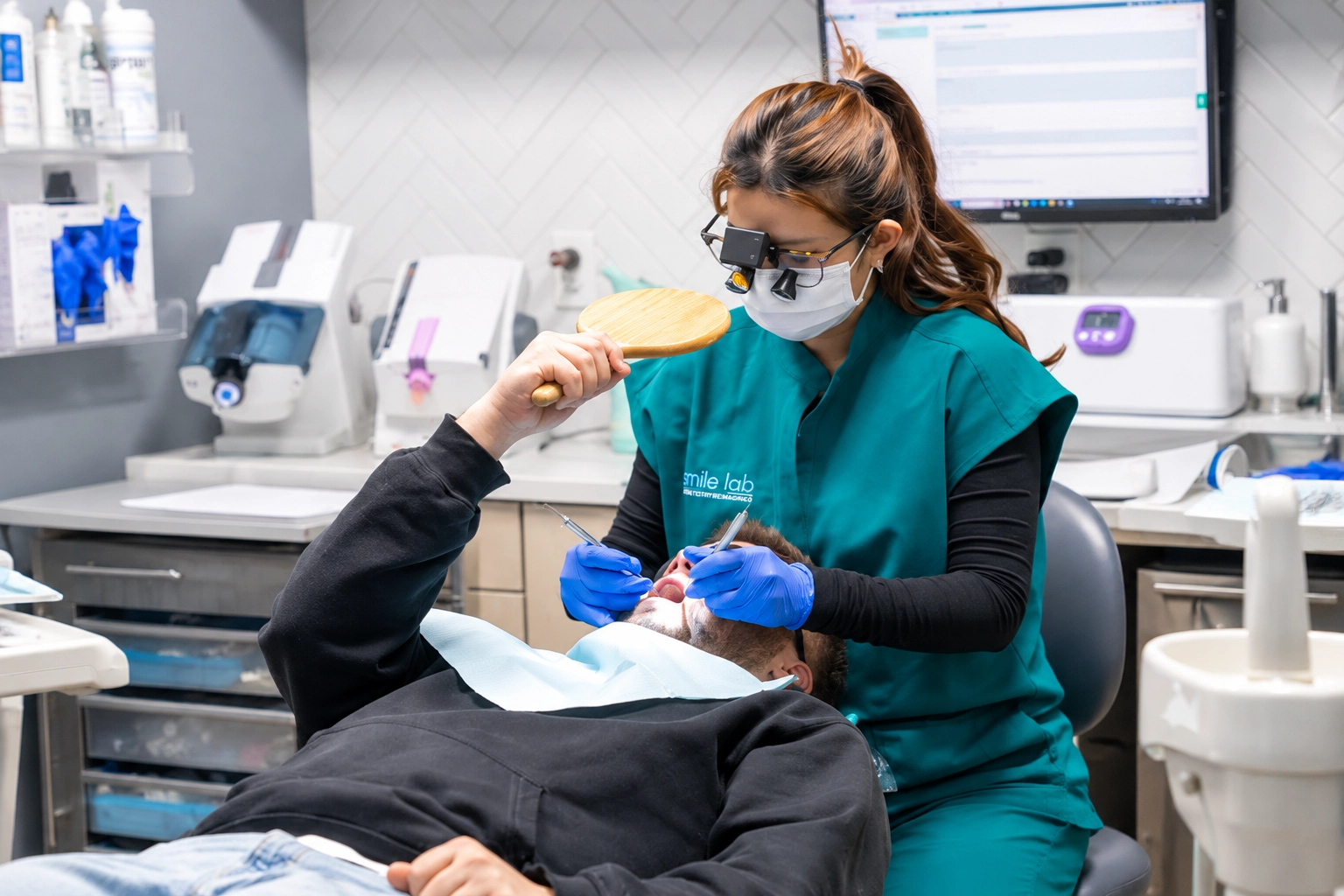
Treatment depends on the cavity’s size and location. Your dentist will examine the affected area and may take X-rays to check for hidden damage.
Small cavities may only need a filling. More serious cases may require a replacement veneer or crown. If infection reaches the tooth’s pulp, you may need root canal treatment.
Can You Get Veneers with Decayed Teeth?
You must treat active cavities before starting cosmetic work. Covering decay with porcelain or composite doesn’t stop it from spreading.
Once the affected area is healthy, your dentist can decide whether this cosmetic option is suitable.
How to Prevent Tooth Decay Under Veneers
Good daily habits protect natural tooth structure and help restorations last longer.
- Brush twice daily with fluoride toothpaste.
- Floss every day around the gumline.
- Limit sugary foods and drinks that feed bacteria.
- Avoid biting hard objects that may cause cracks.
- Visit your dentist regularly for cleanings and exams.
You cannot brush directly beneath bonded coverings. Cleaning around their edges helps keep exposed surfaces free of plaque.
What Happens After 10 Years with Veneers?
After a decade, restorations may still look and function well. Some porcelain options last 10 to 15 years or longer, while composite resin often needs repairs sooner. Learn more about how long veneers can last and what affects their lifespan.
Their lifespan depends on the material, bite forces, hygiene, and routine dental care. Appearance also matters over time. Learn whether porcelain veneers stain and what can affect their color.
Can Teeth Rot Under Other Dental Restorations?
Natural tooth structure can develop cavities even when covered by other materials. Crowns and bonding can restore or enhance your smile, but they cannot prevent all decay.
Do Teeth Rot Under Crowns?
Yes. Cavities can form near crown edges when bacteria collect around exposed areas. Good brushing and flossing help lower this risk.
Do Teeth Rot Under Composite Bonding?
Yes. Composite bonding cannot decay, but bacteria can damage the natural surface around it. Daily cleaning helps protect these areas.
When to See a Dentist About Veneers
Visit your dentist if you notice lasting pain, sensitivity, dark spots, or loose restorations. Early treatment may preserve more natural tooth structure and prevent larger repairs.
At Smile Lab in Union Square, Dr. Waise Ebrahimi uses advanced training from the Kois Center to plan cosmetic care that prioritizes preserving tooth structure. Whether you are considering dental veneers to transform your smile or want to have your existing work checked, a dental exam can help you understand your options.
Schedule a consultation to discuss your concerns and find the right treatment for your needs.