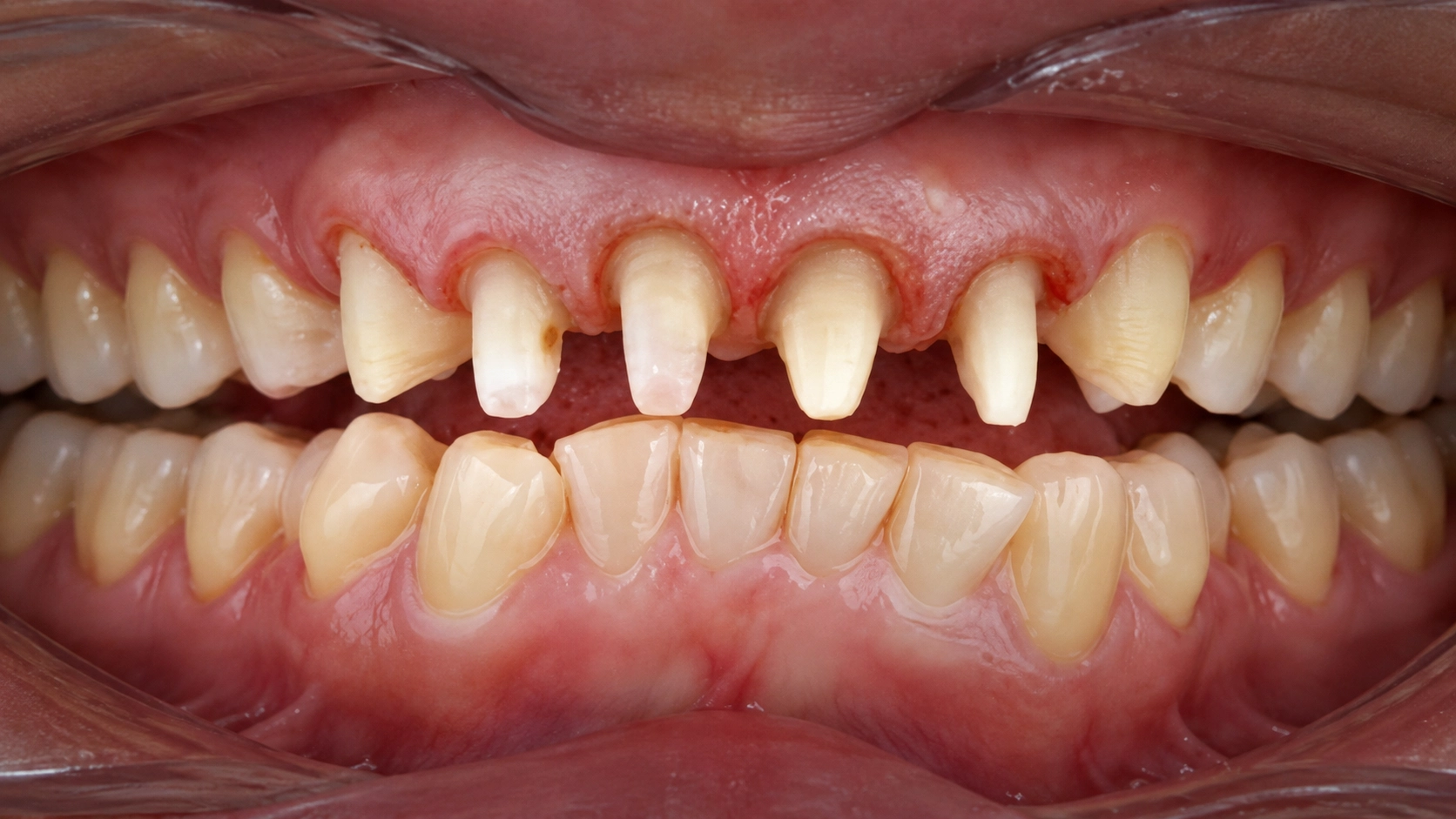
Removing enamel is permanent because it does not grow back, so prepared teeth will generally require ongoing coverage with a veneer or another suitable restoration over time. Alternatives include minimal-prep or no-prep options, which remove less enamel and work best when there is enough room to add material without creating excess bulk, as well as composite veneers made from tooth-colored resin that may require less preparation than porcelain.
At Smile Lab in Union Square, the goal is to choose the most conservative approach that fits your tooth position, bite, existing enamel, and cosmetic goals rather than removing the same amount of tooth structure in every case.
Key Takeaways
- Teeth shaving for veneers may involve removing a thin layer of enamel so the restoration fits naturally, but the amount varies by tooth and treatment plan.
- Enamel removal is permanent, so conservative preparation should preserve as much natural tooth structure as possible.
- Traditional porcelain veneers may require some preparation, while minimal-prep, no-prep, and composite options can reduce or avoid enamel removal in selected cases.
- Veneer preparation is different from crown preparation and should not routinely leave teeth looking like the heavily reduced “stumps” seen in some online images.
- The right approach depends on tooth position, bite, enamel, existing dental work, and cosmetic goals, so a clinical evaluation is needed before choosing a treatment.
Do Dentists Shave Teeth for Veneers?
Sometimes, but not always. A dentist may remove a small amount of enamel so the restoration does not look bulky and can sit in the planned position. The exact amount varies by tooth, so “shave teeth for veneers” isn’t a one-size-fits-all procedure.
Why Teeth May Need Preparation
Preparation gives the dentist control over thickness, shape, margins, and color. It may be more useful when a tooth projects outward, has uneven contours, or needs stronger color masking. More additive cases may offer conservative prep options because the final shape can be built outward instead.
How Much Enamel Is Removed?
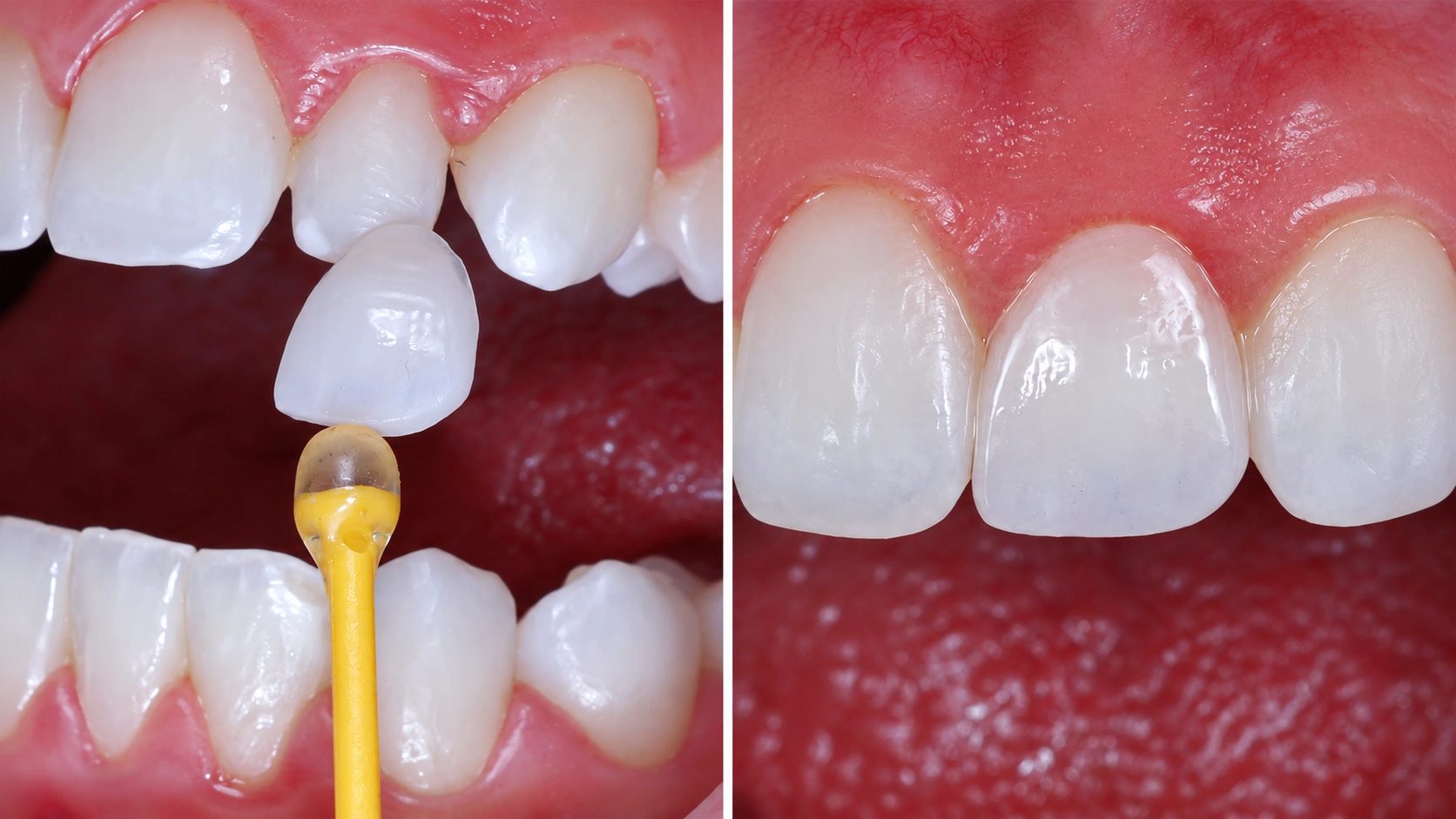
No fixed depth applies to every case. Conservative porcelain techniques often describe facial reduction in tenths of a millimeter, with published ranges of about 0.3 to 0.7 millimeters of enamel, depending on the tooth area and design. The goal is to stay in enamel when possible because enamel bonding is generally more predictable than bonding to exposed dentin.
Teeth Shaving for Porcelain Veneers
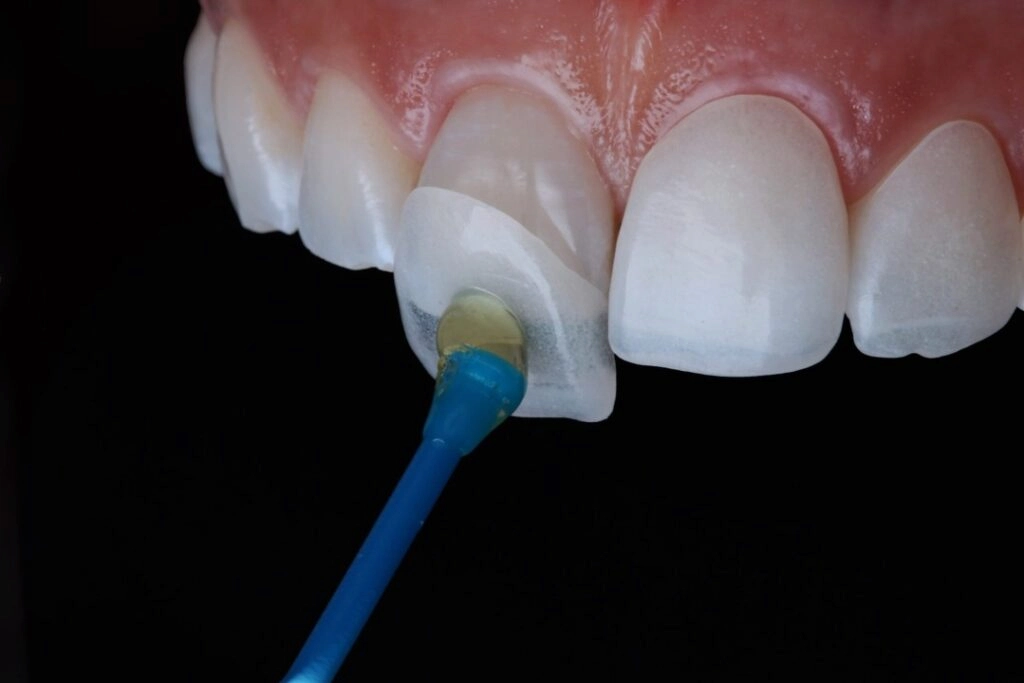
Porcelain needs enough space to reproduce the intended shape, shade, and translucency. Some cases need modest reduction, while others can be treated with very little preparation. The tooth’s starting position matters as much as the material itself.
Traditional Porcelain Veneers
Treatment with porcelain veneers commonly involves controlled enamel reduction on the front surface and sometimes along the edges. A cosmetic dentist should base preparation on the final design rather than applying the same depth to every tooth. This approach helps preserve natural tooth structure while leaving enough room for the ceramic to fit correctly.
Minimal-Prep Porcelain Veneers
Minimal-prep treatment removes less tooth material and may suit small teeth, spaces, or mild shape concerns. It still requires careful planning because even a limited change can affect contour, bite, and gum health. “Minimal-prep” describes the amount of reduction, not a guarantee that no enamel will be removed.
Does Shaving Teeth for Veneers Hurt?
With appropriate local anesthesia, the procedure should not feel sharp or painful. You may notice pressure, vibration, or water during tooth shaping, but those sensations are different from pain. Short-term sensitivity can occur afterward, especially with hot or cold foods and drinks.
Sensitivity After Teeth Shaving
Enamel protects the more sensitive dentin underneath. Removing too much can expose more dentin and raise the chance of temperature sensitivity, which is one reason conservative planning matters. Evaluate persistent, strong, or worsening sensitivity rather than assuming it’s normal.
Veneers Without Teeth Shaving
Some patients can receive veneers without teeth shaving, but no-prep treatment is not suitable for every smile. Adding material to a tooth that already sits forward can create excess bulk or an unnatural contour. The dentist has to judge whether the desired change is mainly additive or requires some reduction.
No-Prep Veneers and Who Qualifies
No-prep veneers work best when there is enough room to add material without making the tooth too thick. Small, slightly recessed, or spaced teeth may be better candidates than prominent or crowded teeth. Composite veneers can also be conservative in selected cases because composite resin may require less enamel removal than porcelain.
Teeth Shaving for Veneers: Before and After
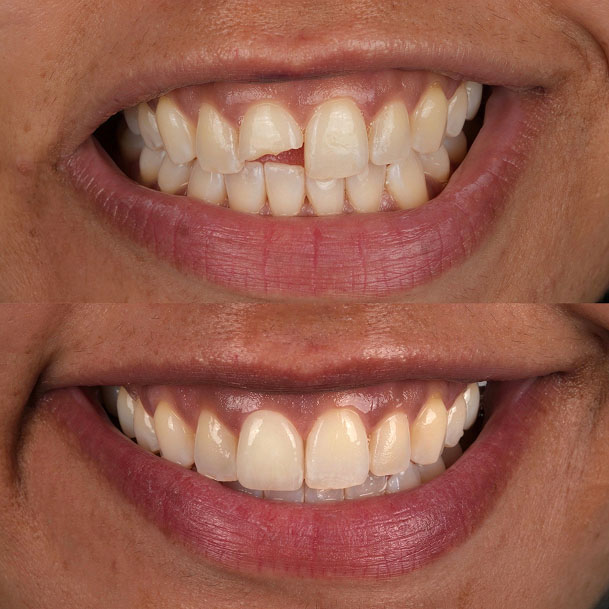
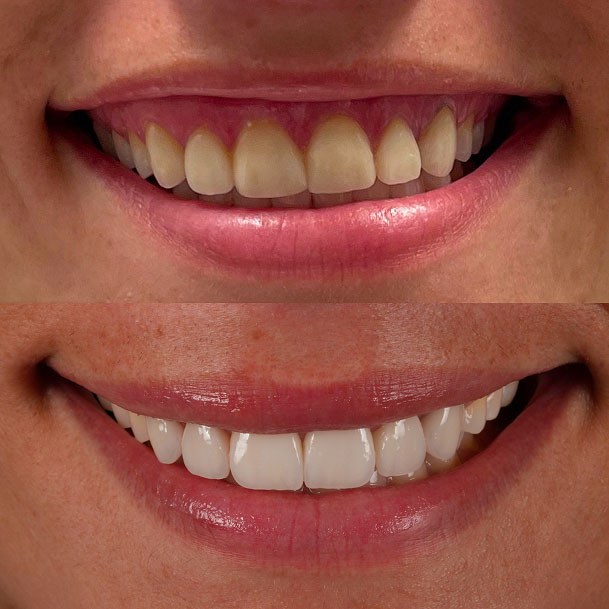
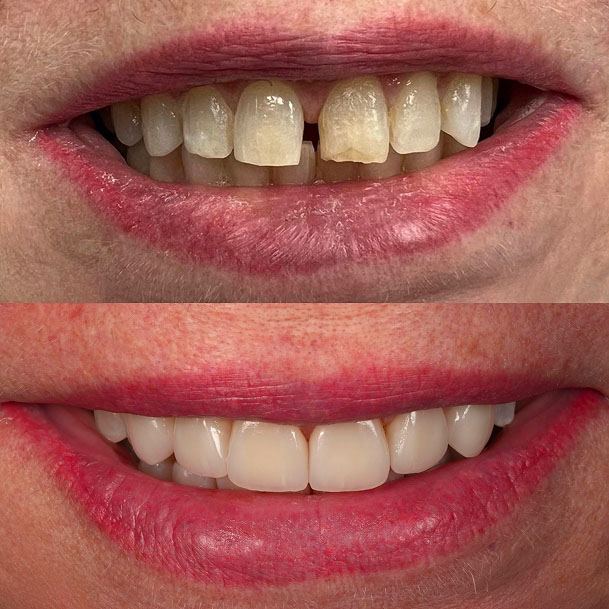
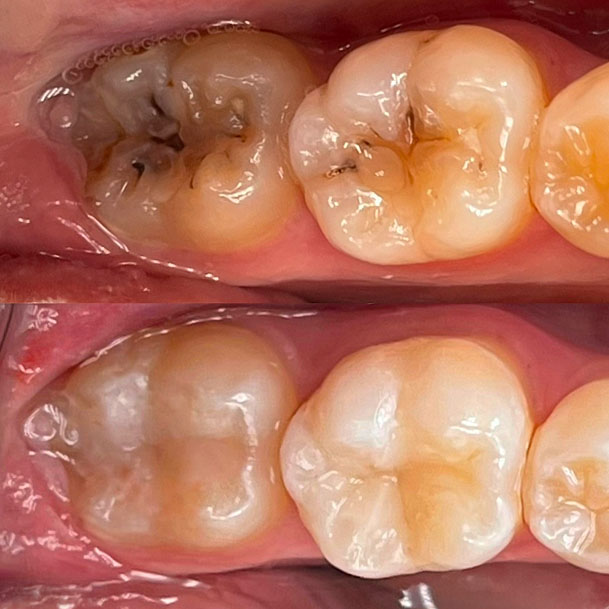
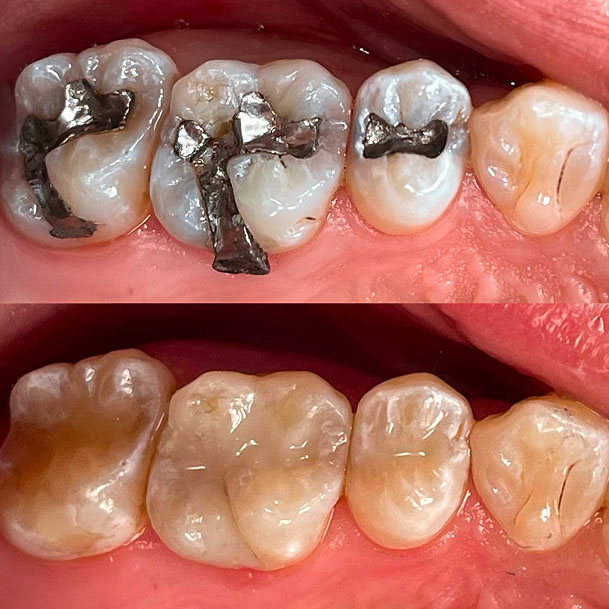
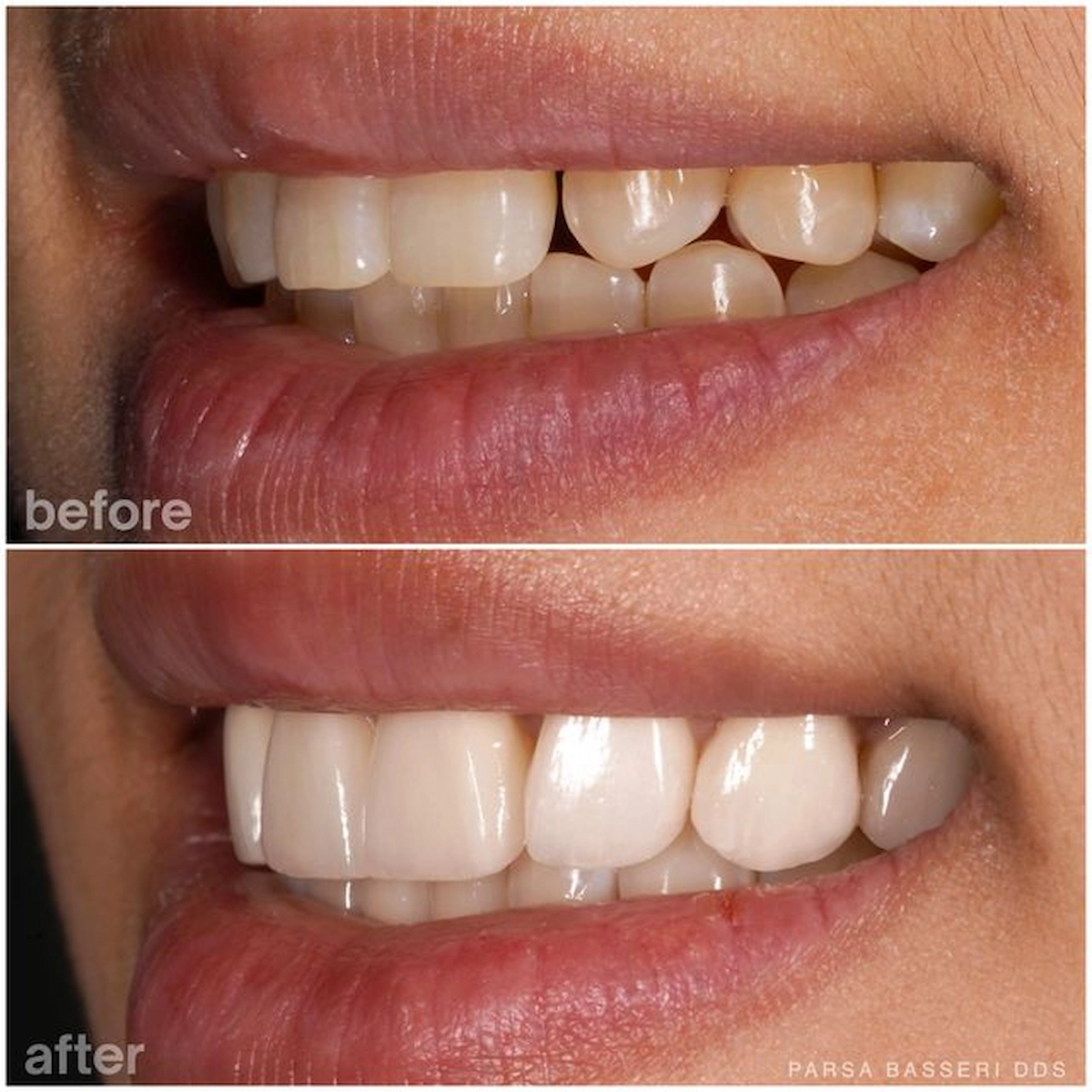
Before treatment, the dentist should evaluate tooth position, gumline, bite, shade, and any existing dental work. After preparation, the teeth should reflect the space needed for the planned restorations, not a standard shape applied to everyone. This is why before-and-after images are most useful when they show both the starting condition and the final result.
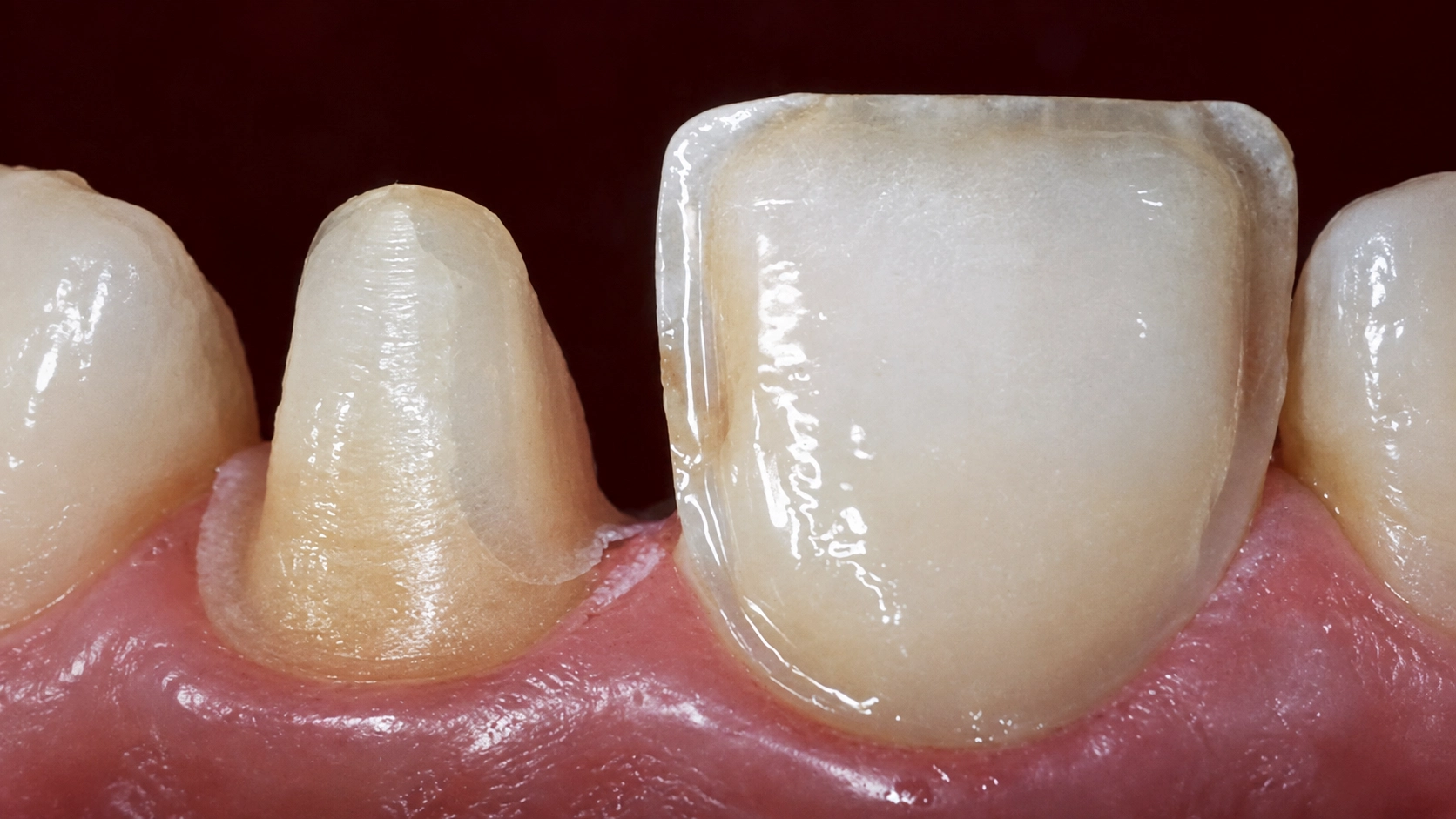
What Prepared Teeth Look Like
Prepared teeth may look slightly smaller, flatter, or more uniform before the final restorations are placed. The amount of visible change depends on how much reduction the case requires. They should not automatically resemble the tiny pointed “shark teeth” seen in viral social media images.
How Teeth Look After Veneer Placement
The final dental veneers restore the planned proportions and cover the prepared front surfaces. Color, translucency, edge position, and surface texture all affect whether the result blends with natural teeth. The final bite also matters because appearance alone does not determine how well the restorations function over time.
Is Shaving Teeth for Veneers Worth It?
It can be worth considering when a cosmetic goal cannot be reached predictably with a less invasive option. Compare the expected benefit with the amount of healthy tissue you must remove. Because enamel removal is irreversible, the treatment plan should explain why preparation is necessary before you commit.
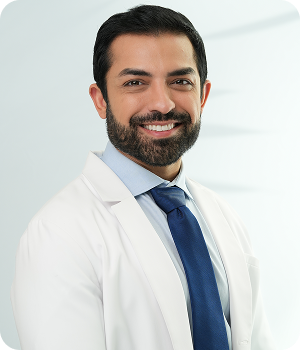
At Smile Lab in Union Square, Dr. Waise Ebrahimi approaches cosmetic treatment with a focus on preserving natural tooth structure. His advanced training at the Kois Center supports treatment planning centered on predictable cosmetic and reconstructive outcomes. That conservative approach matters most when deciding how much enamel, if any, to alter.
Benefits of Conservative Preparation
Careful preparation creates room for ceramic without adding unwanted thickness. It can improve control over contours, shade, margins, and how the restoration meets the gumline. The aim is not to remove more tissue, but to remove only what the design requires.
Risks of Excessive Enamel Removal
Enamel does not grow back after removal. Excessive tooth shaving can expose dentin, increase sensitivity, and make bonding more dependent on dentin rather than enamel. Deeper reduction can also bring treatment closer to the nerve inside the tooth, which is why aggressive preparation should not be treated as routine.
Is Enamel Removal Permanent?
Yes. Once enamel is removed, your body cannot replace it, so conventional treatment that requires preparation is irreversible. The restoration may need repair or replacement over time, so preserving the underlying tooth is especially important.
How Much Do Veneers Cost?
At Smile Lab, porcelain veneers cost $2,323 per tooth in NYC, while resin veneers cost $950 per tooth. The total cost depends mainly on the material and the number of teeth being treated. Tooth preparation, when needed, is part of the overall veneer treatment rather than a separate “teeth shaving” service.
Porcelain vs. Resin Veneer Cost
Porcelain costs more because it involves custom ceramic fabrication and additional clinical steps, but it is generally more stain-resistant and can offer greater long-term color stability. Resin veneers cost less and can often be completed more directly, though they may require more maintenance over time.
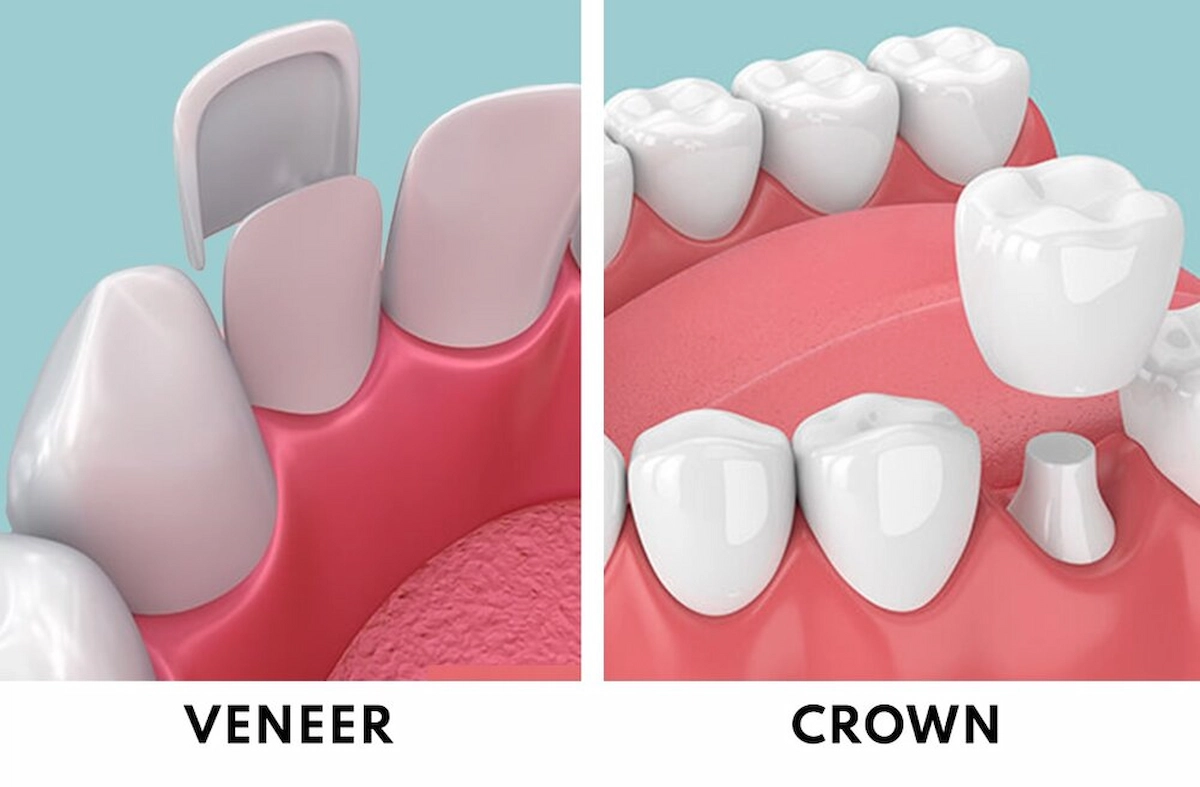
Veneers vs. Crown Tooth Preparation
A veneer mainly covers the front of a tooth, while a crown surrounds much more of the visible tooth. Comparing veneers vs. crowns can help explain why each option requires a different type of tooth preparation. Because those restorations have different designs and purposes, their preparation should not look the same.
Why Crown Preparation Looks Different
A crown needs room around more tooth surfaces because it fits over the tooth, not just the front. That often requires more circumferential reduction than a facial veneer. This difference helps explain why dramatic “shaved down” images online may show crown preparation rather than a conservative veneer case.
How Dentists Choose the Right Approach
The best plan starts with the health and position of your existing teeth. A dentist should assess enamel, alignment, bite, gum health, existing restorations, and the change you want before recommending porcelain, composite, minimal-prep, or no-prep treatment.
Healthy gums and consistent oral hygiene also matter because the margins still meet natural tooth surfaces. Knowing how to clean veneers can help protect the surrounding teeth and gums and support the restorations over time.
For a busy NYC patient, convenience can influence scheduling, but an irreversible cosmetic decision deserves careful planning. A consultation should leave you understanding what will change, what will stay untouched, and why. That clarity is more useful than choosing a technique based only on a social media before-and-after photo.
Tooth Position, Shape, and Alignment
A tooth that projects outward may need more reduction than one that sits slightly behind the ideal position. Crooked or rotated teeth can also create uneven preparation needs because the dentist must manage alignment and final contour at the same time. In some cases, orthodontic movement may preserve more tooth structure before cosmetic work begins.
Bite and Existing Dental Work
Clenching, grinding, a deep bite, old fillings, and previous crowns can change the treatment plan. These factors affect where forces land and whether a thin restoration can function predictably. At Smile Lab, Dr. Waise Ebrahimi can review these trade-offs with you and explain which approach fits your teeth and goals.
If you are comparing porcelain, composite, minimal-prep, or no-prep options, the next step is a clinical evaluation rather than guessing from photos. A personalized plan can show how much preparation your case actually needs and whether a more conservative alternative is realistic. Schedule a Consultation.