Adults in their 70s, 80s, and even 90s may still qualify for treatment. While healing may take longer for some older adults, the jawbone can still bond with an implant. At Smile Lab in Union Square, Dr. Waise Ebrahimi reviews your bone health, gums, and medical history to determine whether this option is right for you.
Key Takeaways
- There is no upper age limit for tooth implant treatment. Older adults may qualify if their oral and overall health support healing.
- Bone loss, gum disease, and certain health conditions can affect eligibility. Some problems can be treated before surgery.
- You may still replace a missing tooth years after extraction. Bone grafting can help restore support when the jawbone has shrunk.
- Implant-supported teeth can improve chewing comfort and stability. Bridges and dentures are other options if surgery isn’t suitable.
- A dental exam and imaging help determine if you qualify. Your dentist will assess your bone, gums, and medical history before planning treatment.
Is It Ever Too Late to Get Dental Implants?
Yes, in some cases, it can be too late to get dental implants. Severe jawbone loss that cannot be treated, uncontrolled health conditions, or serious healing risks may make surgery unsafe or unsuitable. Still, there is no fixed age limit or deadline after tooth loss. Many patients can qualify after treating gum disease, getting bone grafting, or better managing their health conditions.
What Can Affect Dental Implant Eligibility?
Some oral and medical conditions can delay treatment or make surgery unsafe. Severe bone loss, untreated gum disease, and uncontrolled health conditions can increase the risk of complications. Your dentist will assess these factors to determine whether treatment is possible or if you need further care.
Severe Bone Loss and Bone Grafting
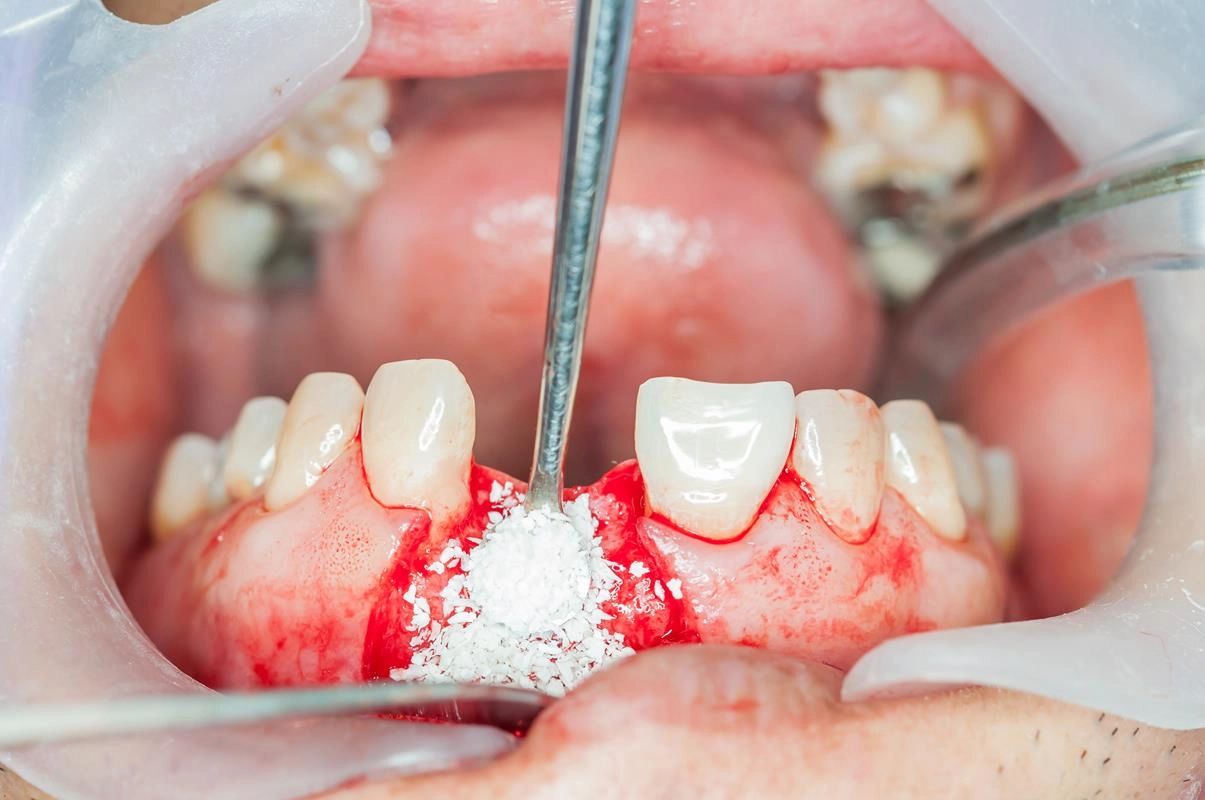
When you lose a tooth, the bone around its tooth root begins to shrink. Implant posts help maintain jawbone support, but they cannot fully prevent bone loss. A bone graft may help rebuild enough bone to hold a replacement tooth.
Untreated Gum Disease
Gum disease can cause swelling, infection, and bone damage around your teeth. This raises the risk of problems during surgery. Knowing the signs of dental implant infection can also help patients recognize problems after placement. Your dentist will treat active gum disease before placing a post in the jawbone.
Health Conditions That Affect Healing
Uncontrolled diabetes, smoking, and certain medications can slow healing after surgery. These factors may increase the risk of treatment failure. Understanding why dental implants fail can help you see how healing and daily habits affect long-term results.
Your dentist may work with your doctor to manage these risks. Learning about possible tooth implant side effects can also help you understand what to expect after surgery.
How Long Can You Wait for Dental Implants?
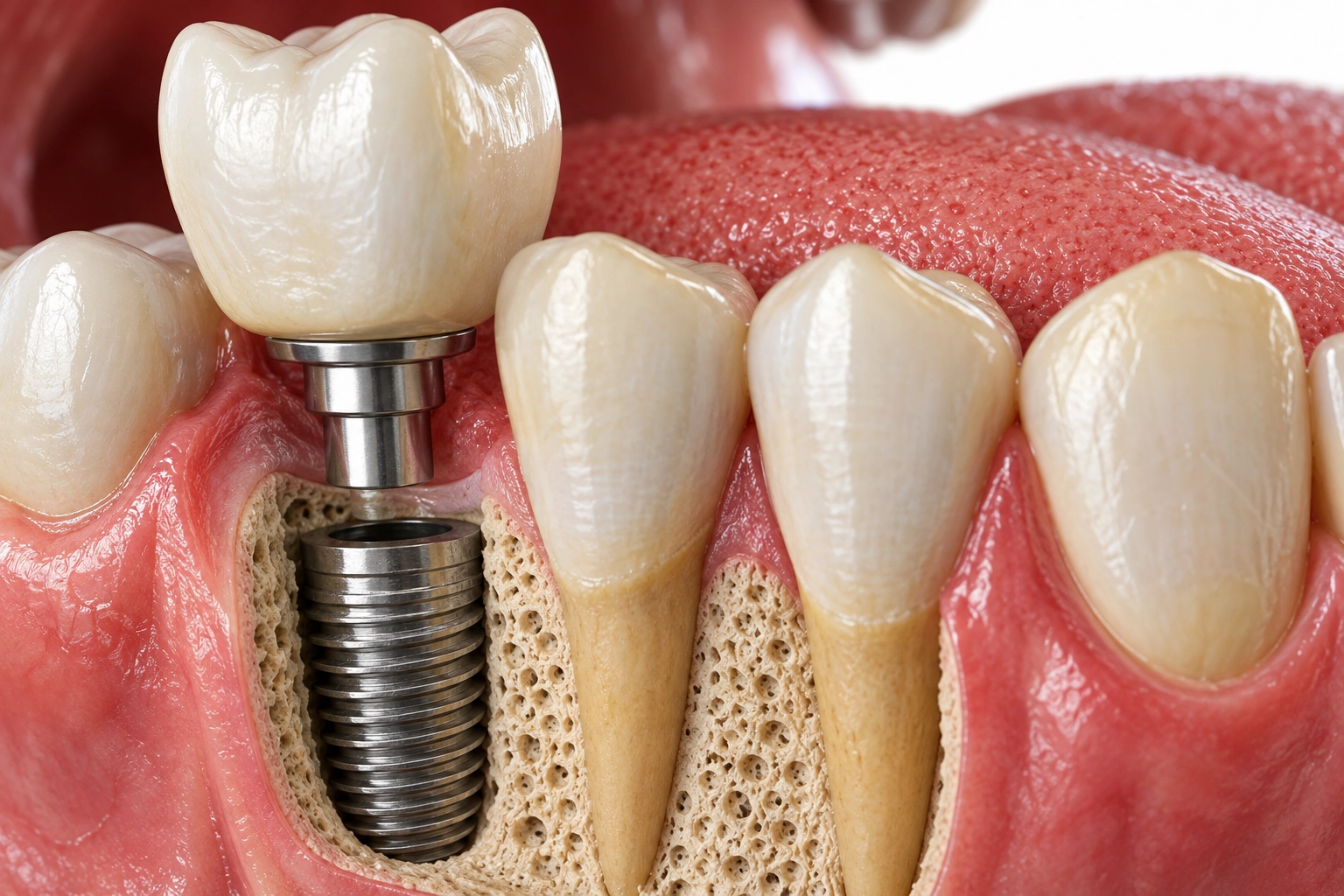
You can wait months or years after losing a tooth, but bone loss may increase over time. Nearby teeth may also shift into the empty space. Dental implants replace the missing tooth root with a small post placed in the jawbone.
Can You Get an Implant Two Years After Extraction?
Yes, you can often receive a replacement two years after tooth extraction. Even after a long wait, treatment may still be possible. Your dentist will use imaging to check your bone and see whether you need grafting.
When Are You Too Old for Dental Implants?
There is no fixed age limit for this procedure. Your medical history, jawbone health, and healing ability matter more than your age. Even adults over 80 may be good candidates.
Are Dental Implants Worth It at 70?
For many healthy adults, this treatment provides a long-term solution for missing teeth. It can make chewing easier and offer more stability than wearing dentures. With proper care, the replacement teeth may last for many years.
What Are Your Tooth Replacement Options?
The best choice depends on how many teeth you have lost, your oral health, and your treatment goals. Your dentist can help you compare the benefits of each option.
Will You Have Temporary Teeth While Waiting?
You do not always have to go without teeth while your mouth heals. Temporary dentures, bridges, or crowns can fill the gaps during treatment. Some patients may receive temporary teeth on the same day as surgery.
Alternatives When Implants Are Not Possible
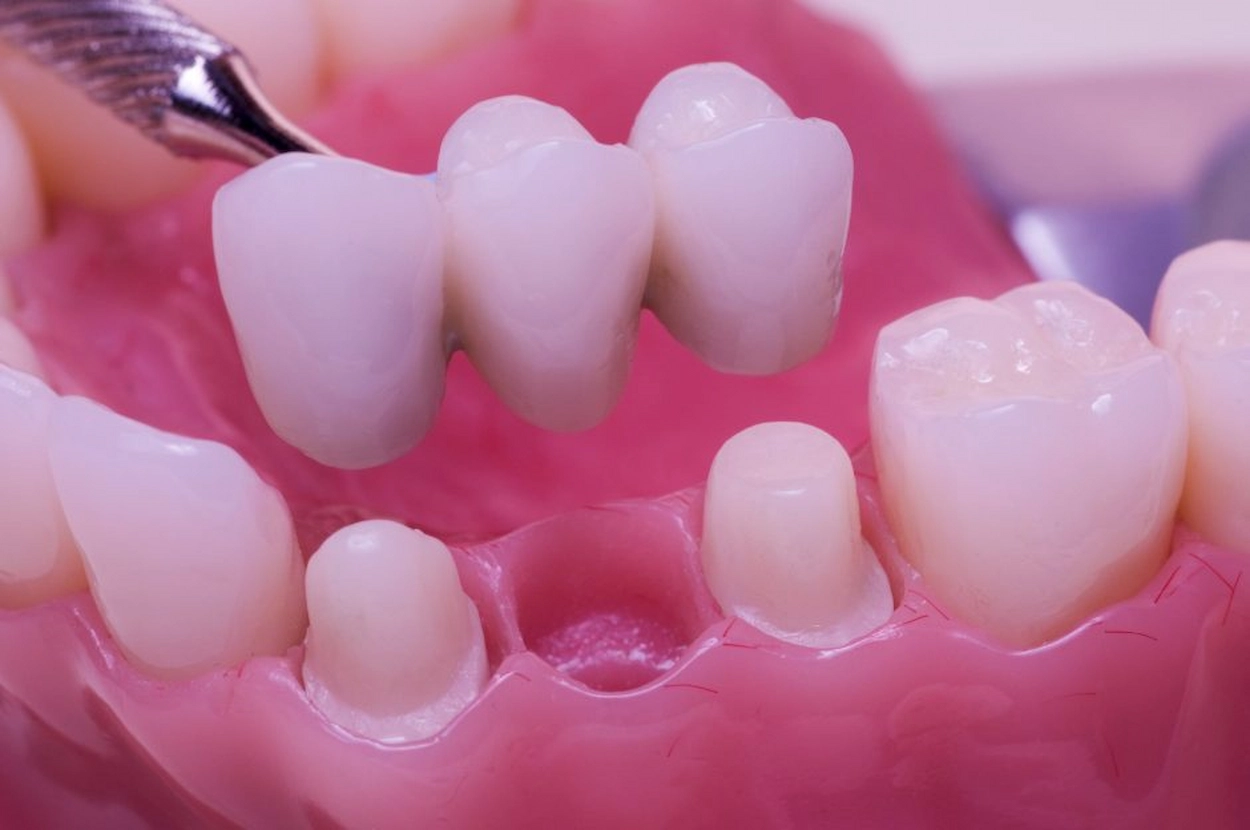
Dental bridges and removable dentures can replace missing teeth without surgery. Bridges rely on nearby natural teeth for support, while dentures rest on your gums. Both options can help restore chewing and speaking ability. For patients missing all their teeth, All-on-8 dental implants may offer another option if they have enough bone and are suitable for surgery.
If a placed implant develops serious problems, dental implant removal may also be considered before choosing another treatment.
How Dentists Determine Your Implant Eligibility
An implant consultation includes an oral exam and a review of your medical history. Your dentist may use digital X-rays or 3D scans to check your jawbone and plan treatment. These tests help determine whether you need bone grafting or other care before surgery.
Even if you have waited years, you may still have options. Schedule a consultation to learn which treatment best fits your needs.