These symptoms may point to gum inflammation or peri-implantitis, a condition that can damage the bone holding the artificial tooth in place. Mild discomfort after surgery is normal, but worsening pain or swelling needs professional attention. At Smile Lab in Union Square, dentists can assess the area and recommend care, from professional cleaning to surgery when needed.
Key Takeaways
- Common symptoms include lasting pain, swollen or bleeding gums, pus, bad breath, and an unpleasant taste.
- Normal healing should improve within days after surgery. Worsening pain, swelling, or discharge may signal a problem.
- Complications can develop at any time, from shortly after surgery to years later. Poor oral hygiene, gum disease, and smoking increase the risk.
- Early treatment can help protect your restoration. A professional cleaning may resolve mild inflammation, while severe cases with bone loss may require surgery or removal.
- Daily care reduces your risk. Regular brushing, flossing, checkups, and professional cleanings help protect the surrounding gums and bone.
What Are the Signs of Dental Implant Infections?
Common warning signs may suggest bacterial buildup or inflammation around the implant site. Watch for these symptoms:
- Red or swollen gums: Inflammation around the treated area.
- Bleeding: Gums that bleed when you brush or floss.
- Persistent pain: Discomfort that worsens or doesn’t improve.
- Pus or discharge: White or yellow fluid near the gumline.
- Bad breath or taste: An unpleasant smell or taste that persists.
- Loose restoration: Movement in the crown, connector, or metal post.
These symptoms don’t always mean an infection is present, but a dentist should check them.
What Does an Infected Dental Implant Look Like?
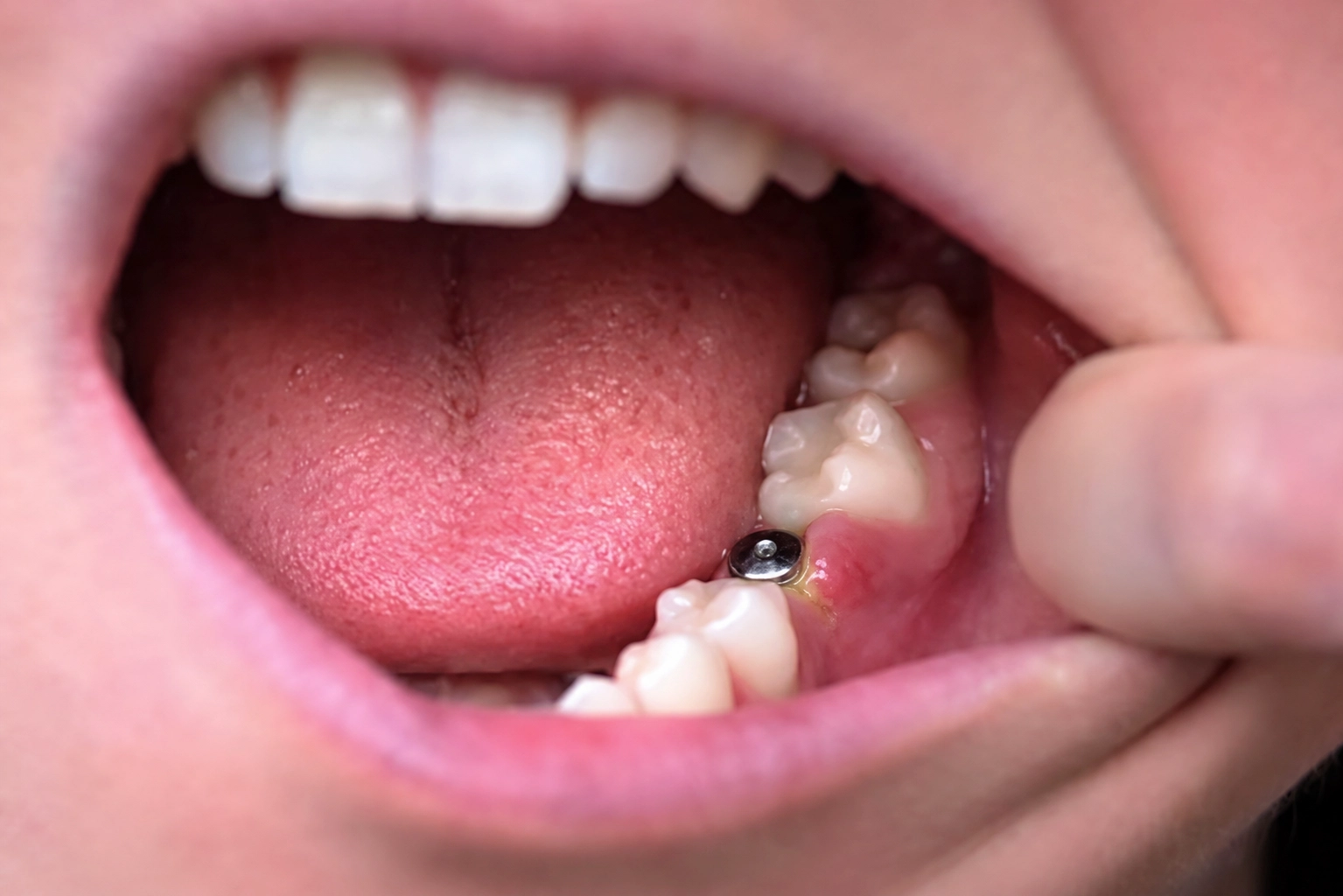
The surrounding gums may appear red, swollen, or irritated. You might also notice gum recession, bleeding when brushing, or yellowish discharge near the implant.
These changes deserve attention, especially if they worsen over time.
What Does an Infected Dental Implant Feel Like?
The area may feel sore, tender, or painful when chewing. Some people experience throbbing discomfort, pressure, or an unpleasant taste.
If pain continues beyond the expected healing period, see a dentist. You can also learn how to relieve dental implant pain while following your dentist’s recovery instructions.
Early Infection and Implant Failure Warning Signs
Early warning signs include increasing swelling, bleeding, and soreness around the treated area. As inflammation progresses, it can damage the surrounding gum and bone tissue.
A loose metal post may indicate a serious problem. Still, crown or connector movement does not always mean the underlying fixture has failed. Learn more about and the warning signs that need professional attention.
Dental Implant Infection Pictures
Photos may show inflamed gums, pus, or exposed metal parts. Still, pictures alone cannot confirm the cause.
Some conditions develop below the gumline without obvious surface changes.
Is My Dental Implant Infected?
Symptoms may suggest a problem, but a professional examination is needed for diagnosis. Knowing what normal healing looks like can help you spot changes that need attention.
Normal Healing vs. Infection
Mild swelling, soreness, and slight bleeding are common during the first few days after implant placement. These symptoms should gradually improve as your mouth heals.
Increasing pain, lasting swelling, pus, or fever may suggest complications. If you feel worse after an initial improvement, contact your dentist.
When Can Dental Implant Infections Develop?
Infections can occur soon after surgery or even years later. Early complications may result from bacteria entering the surgical site or healing problems.
Inflammation often develops later when plaque collects around the restoration. Regular checkups can detect changes before they cause serious damage.
What Causes Dental Implant Infections?
Bacteria that collect around an artificial tooth can trigger inflammation. Poor oral hygiene, previous gum disease, smoking, and poorly controlled diabetes increase the risk.
Understanding the connection between dental implants and gum disease can help you recognize why healthy gums matter. Smoking also slows healing. Without proper care, inflammation may spread and damage nearby tissues.
Peri-Implant Mucositis vs. Peri-Implantitis
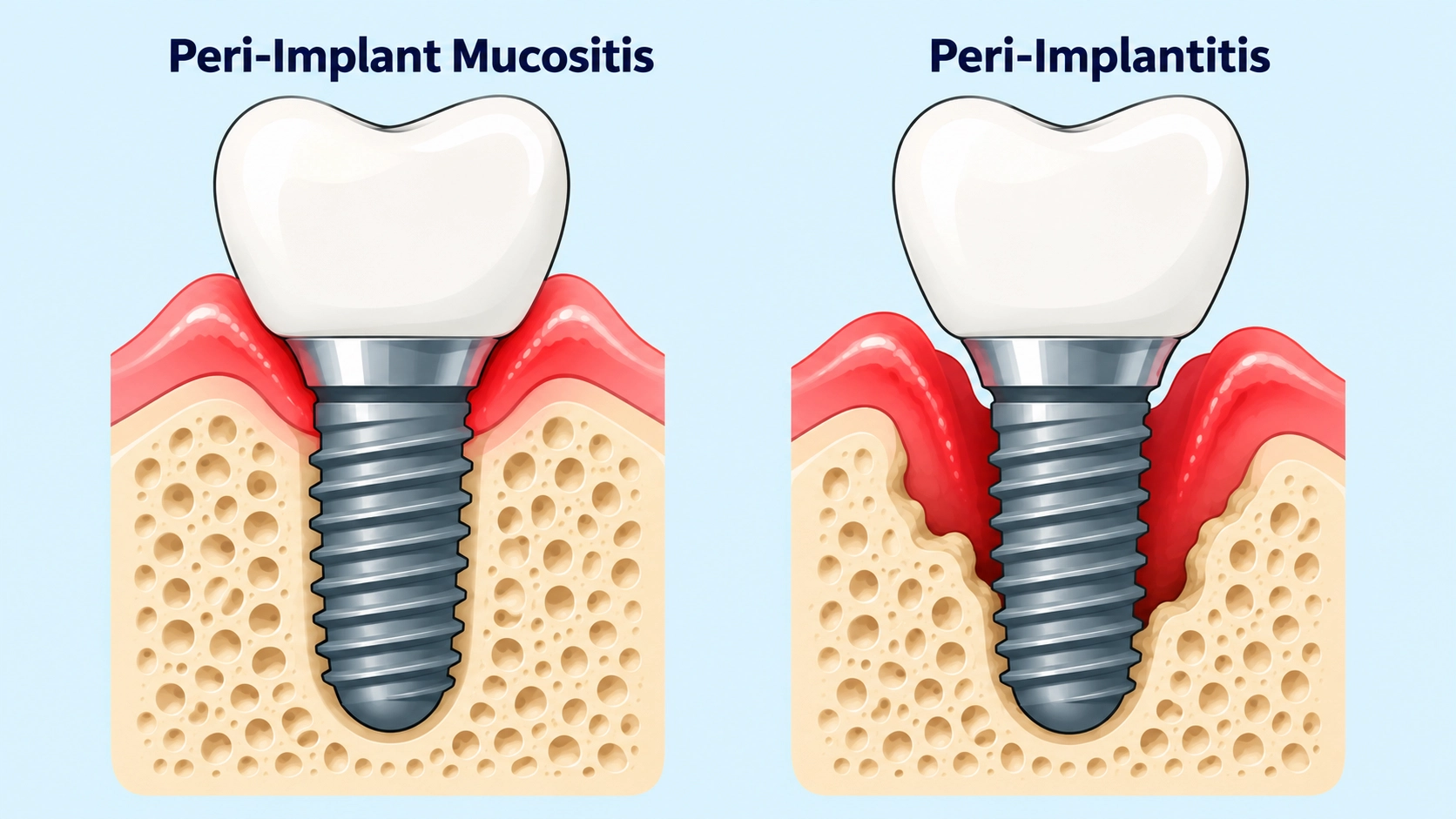
Peri-implant mucositis causes gum inflammation without progressive bone loss. Professional cleaning and improved daily care can often reverse it.
A more serious condition, called peri-implantitis, involves inflammation and loss of supporting bone. If left untreated, it may weaken the restoration’s foundation.
How Common Are Dental Implant Infections?
A 2025 systematic review found peri-implantitis in about 21% of patients with implants. This figure reflects how common the condition was in the studied groups, not the immediate post-surgery risk.
Your individual risk depends on your health, hygiene habits, and other factors.
How Are Dental Implant Infections Diagnosed?
A dentist checks the gums for swelling, bleeding, and discharge. They also measure the surrounding tissue, assess stability, and review your symptoms.
At Smile Lab in Union Square, Dr. Waise Ebrahimi, a certified dental implant placement specialist, can assess these concerns and recommend the right next steps.
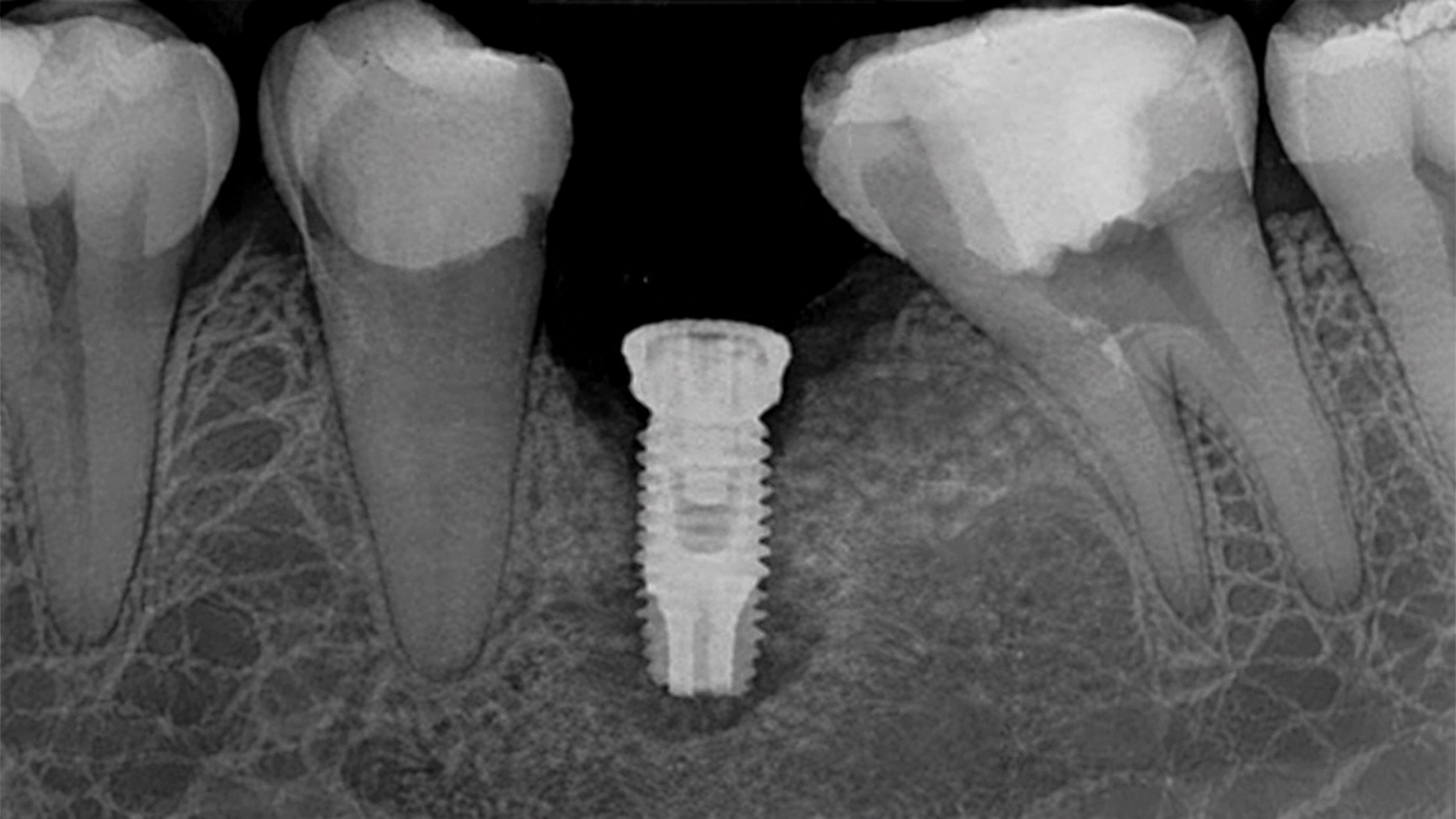
Can an infection be seen on X-rays?
X-rays can show bone loss linked to advanced inflammation. Digital imaging helps dentists examine the supporting structures.
Early gum problems may not appear on scans, so a clinical examination is still necessary.
Dental Implant Infection Treatment
Treatment depends on the severity of inflammation and whether the supporting bone is affected. Prompt evaluation can improve the chance of preserving the restoration.
Can a Dental Implant Infection Be Cured?
Mild gum inflammation can often resolve with professional cleaning and better home care. More serious cases may require specialized cleaning, surgery, or other procedures.
Antibiotics may be prescribed when appropriate, but medication alone usually cannot resolve advanced peri-implantitis.
Can an Infected Dental Implant Be Saved?
Some affected fixtures can be preserved when treatment controls inflammation and enough healthy bone remains.
Severe bone loss or persistent disease may require removal. Your dentist will examine the area before recommending the next step. Learn more about whether your dentist can remove dental implants and what the procedure involves.
How to Manage Symptoms at Home
Home care may ease discomfort, but it cannot cure an active infection.
Continue gentle brushing and flossing as directed. Your dentist may recommend an antibacterial mouthwash for short-term use. Avoid hard foods near the sore area, and never try to drain pus yourself.
How to Prevent Dental Implant Infections
Good daily care helps keep the surrounding gums and bone healthy.
- Brush twice daily with a soft toothbrush and use a toothpaste suitable for dental implants.
- Clean between your teeth and around the restoration using recommended tools.
- Attend regular checkups and professional cleanings.
- Avoid smoking and seek treatment for gum inflammation.
These habits help control plaque and protect your restoration over time.
When to See a Dentist
Contact your dentist if you notice persistent bleeding, increasing swelling, pus, or pain around the treated area. Seek urgent care for fever, significant facial swelling, or rapidly worsening symptoms. If you have trouble breathing or swallowing, seek emergency medical attention.
Even mild changes deserve attention if they do not improve. An examination can identify the cause and help you understand your treatment options.
Schedule a consultation if you have concerns about your restoration’s health.