At Smile Lab, patients are evaluated to separate normal healing from symptoms that may need treatment. A clinical exam can help determine whether discomfort fits the expected stage of recovery.
Key Takeaways
- Mild pain, swelling, bruising, minor bleeding, and short-term chewing changes are common after surgery and should improve as healing progresses.
- Worsening pain, persistent numbness, fever, drainage, or increasing swelling can signal complications such as infection, nerve injury, sinus problems, or implant failure.
- Long-term problems can include peri-implantitis, bone loss, gum changes, or mechanical issues with the restoration.
- Recovery and complication risk vary based on factors such as bone condition, gum health, medical history, smoking, and whether bone grafting was needed.
- Good oral hygiene, regular dental visits, and following postoperative instructions can help protect the restoration and surrounding tissues.
What Are Common Side Effects of Dental Implants?
The most common reactions occur during early healing. Soreness, swelling, bruising, minor bleeding, and temporary changes in chewing can follow implant placement. These symptoms should lessen as the gums and bone heal.
Are Dental Implants Painful?
The area is numbed during surgery, so you should not feel sharp pain during the procedure. Soreness may develop after the anesthesia wears off but should gradually improve. If pain worsens instead of easing, have it evaluated.
Temporary Numbness and Sensitivity
Temporary changes in sensation can occur as nearby tissues heal. Persistent tingling or numbness in the gums, lips, chin, or natural teeth may indicate nerve injury. Discuss ongoing sensory changes with your dentist.
How Long Do These Symptoms Last?
Usually, the noticeable dental implant recovery symptoms last about 1–2 weeks. Pain and soreness often improve within the first few days, while swelling, bruising, and tenderness can take longer to fade.
Recovery after dental implant surgery is commonly around one to two weeks, although the bone continues healing for months beneath the gums. The full timeline for getting a tooth implant can take several months because the jawbone needs time to integrate with the fixture before the final restoration is completed.
Normal Healing vs. Warning Signs
Normal recovery should move toward less pain, swelling, and bleeding. Warning signs include increasing pain, pus or drainage, fever, persistent numbness, uncontrolled bleeding, or movement around the restoration. Symptoms that worsen after initial improvement warrant a dental evaluation.
What Are the Dangers of Dental Implants?
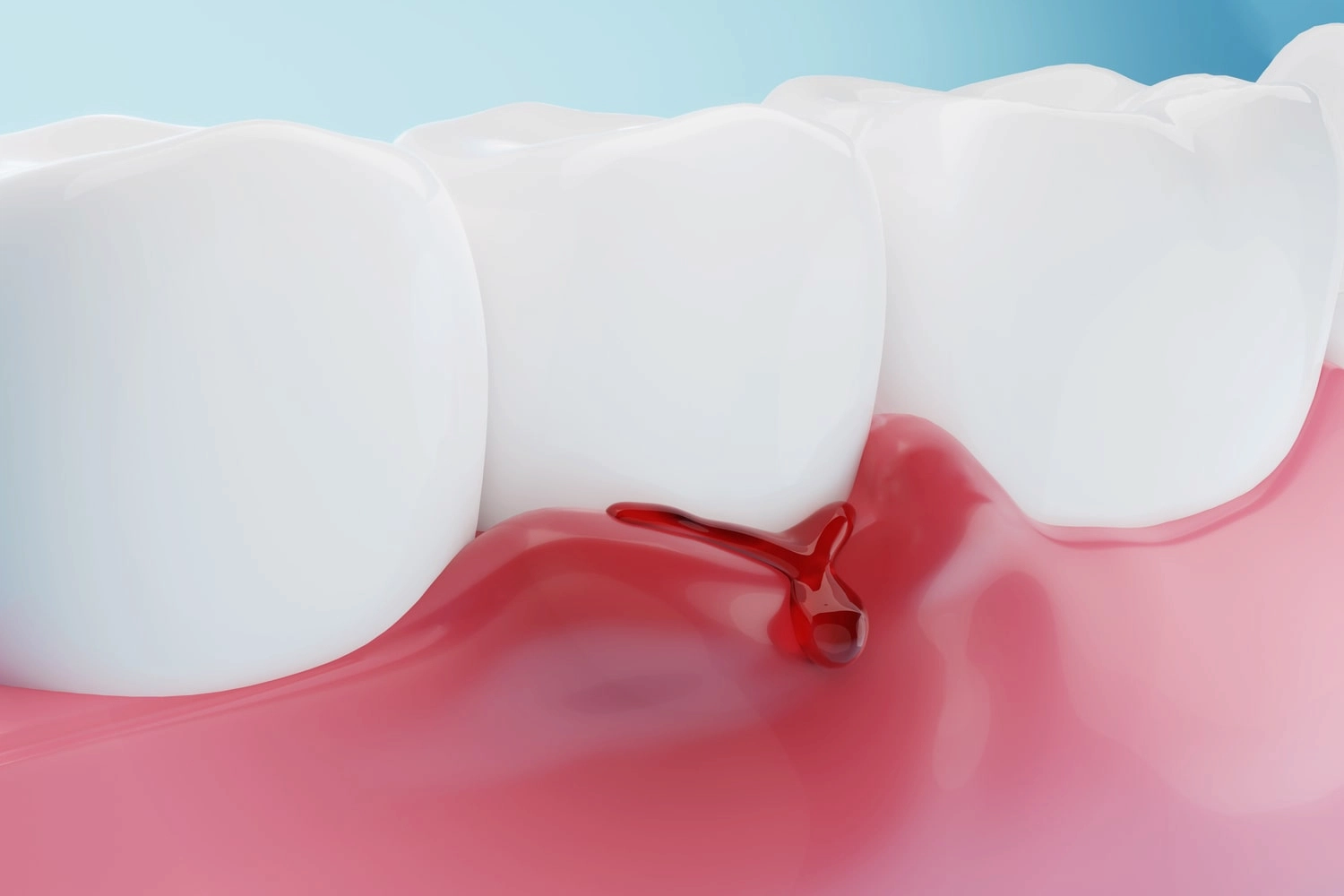
Serious complications are less common than routine postoperative symptoms. Possible problems include infection, peri-implantitis, nerve damage, sinus complications, bone loss, and implant failure. Early evaluation can help identify the cause when recovery does not follow the expected pattern.
Infection and Peri-Implantitis
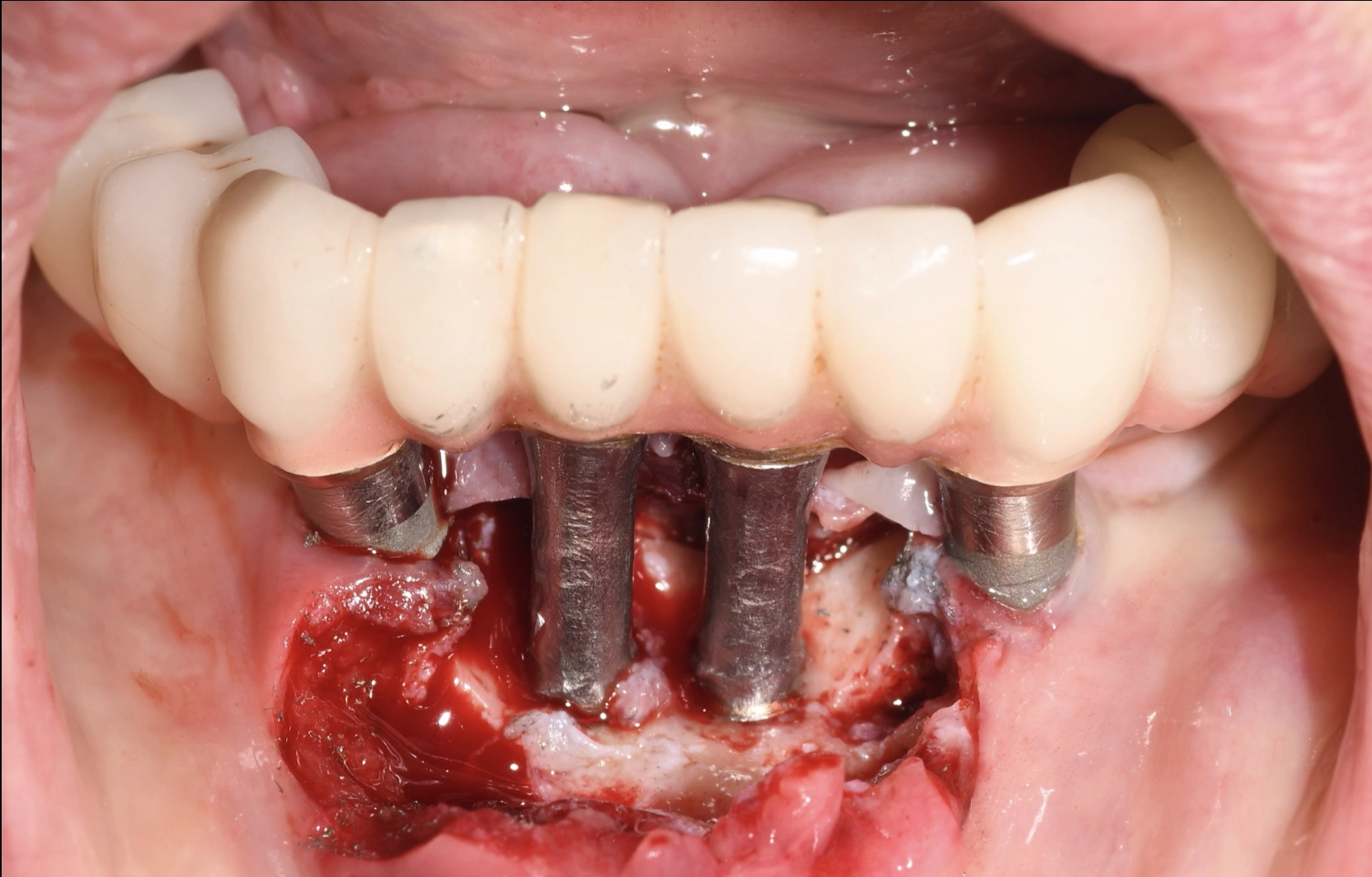
Bacteria around the surgical site can cause infection, while inflammation around an established restoration may damage nearby gums and bone. Poor oral hygiene and untreated gum disease can increase problems around the supporting tissues. Assess persistent swelling, bleeding, or drainage.
Nerve and Sinus Problems
Nerve damage may cause lasting pain, tingling, or numbness. Upper jaw implants require careful planning because the sinus can sit close to the available bone. Pre-treatment imaging helps the dentist assess these nearby structures.
Implant Loosening or Failure
Dental implants may fail if they don’t integrate properly with the jawbone or lose stability later. Infection, healing problems, excessive bite forces, and changes in supporting bone can contribute. Check for movement or persistent discomfort when biting. If the fixture cannot be saved, dental implant removal may be considered before the area heals and future treatment options are assessed.
How Are Complications Evaluated?
A dentist can examine the gums, evaluate the bite and the restoration’s stability, and use imaging when needed. Imaging can help assess the bone, implant position, nerves, and sinus area, while your medical history provides context for healing risks. Treatment depends on whether the problem involves infection, bone integration, or a mechanical component.
What Are Long-Term Side Effects of Dental Implants?
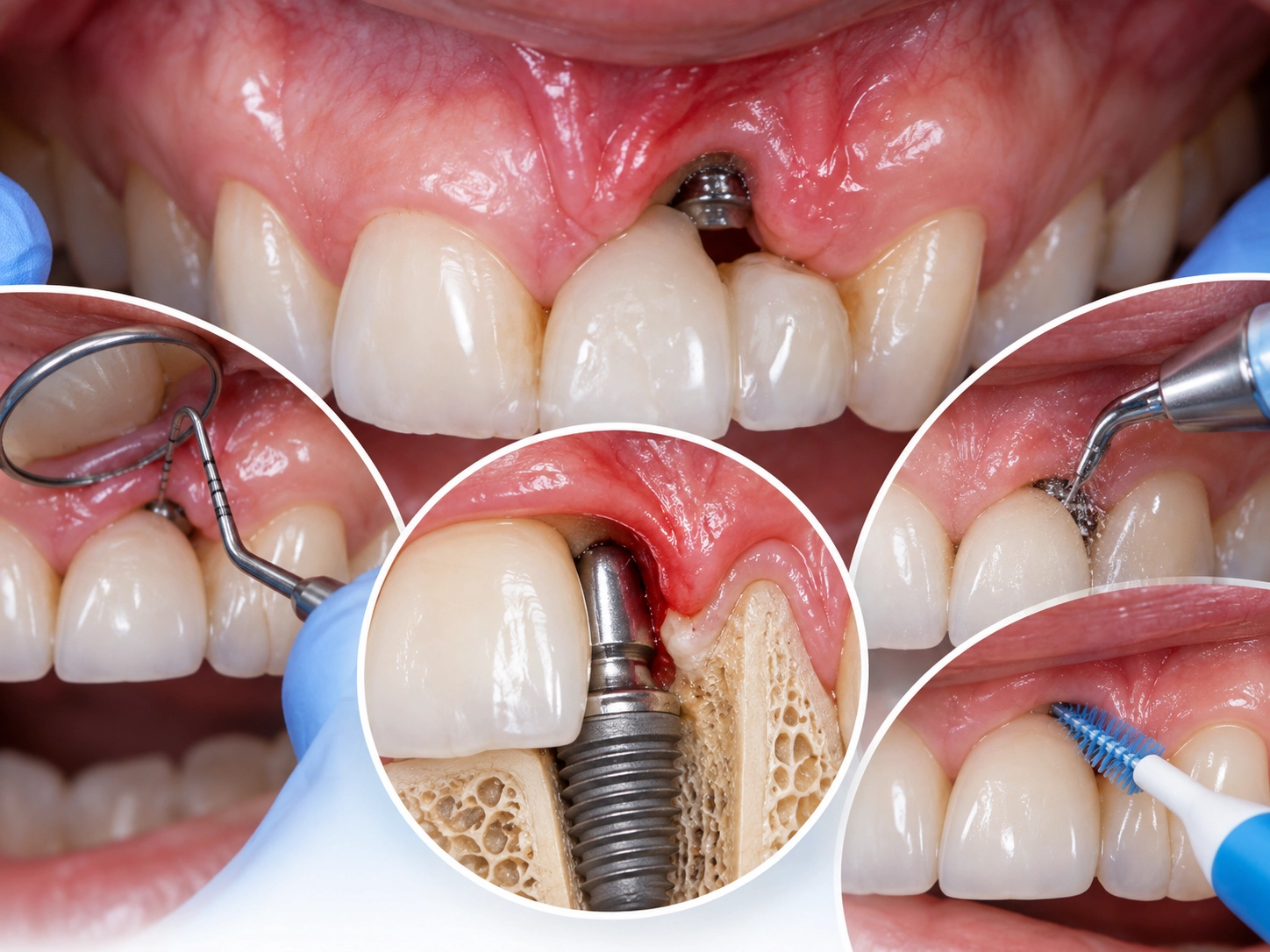
Long-term problems can involve the gums, supporting bone, or prosthetic components. Regular exams and professional cleaning can help identify changes before they affect stability. Good home care also helps protect the surrounding tissues.
Screw Tooth Implant Side Effects
The screw or other prosthetic parts can loosen, wear, or require adjustment over time. These mechanical problems differ from inflammation or bone-related complications. A dentist can determine which component is causing the issue.
Can Your Body Reject Tooth Implants?
The body usually does not reject a dental implant the same way it rejects a transplanted organ. Failure is more often related to infection, poor healing, or lack of integration with the jawbone. Titanium is generally well tolerated, although rare hypersensitivity reactions have been reported.
Who Has a Higher Risk of Complications?
People with a higher risk of complications include those who smoke, have active gum disease, have poor oral hygiene, have uncontrolled diabetes or other conditions that slow healing, have low bone volume, or take medications that affect bone or immune response. A history of radiation to the jaw, heavy teeth grinding, or difficulty maintaining follow-up care can also raise risk.
Dr. Waise Ebrahimi, who is certified in dental implant placement, reviews these factors before recommending treatment and may suggest treating gum disease, improving health control, or adding bone grafting first.
How Can You Reduce Recovery Problems?
Follow postoperative instructions, eat soft foods when advised, and follow your dentist’s guidance on when you can eat normally after dental implants while keeping the surgical area clean without disturbing it.
Once healing allows, brushing, interdental brushes, routine dental visits, and professional cleaning can help protect the surrounding tissues. Consistent care is especially important for patients with a history of gum disease.
When Should You Contact Your Dentist?
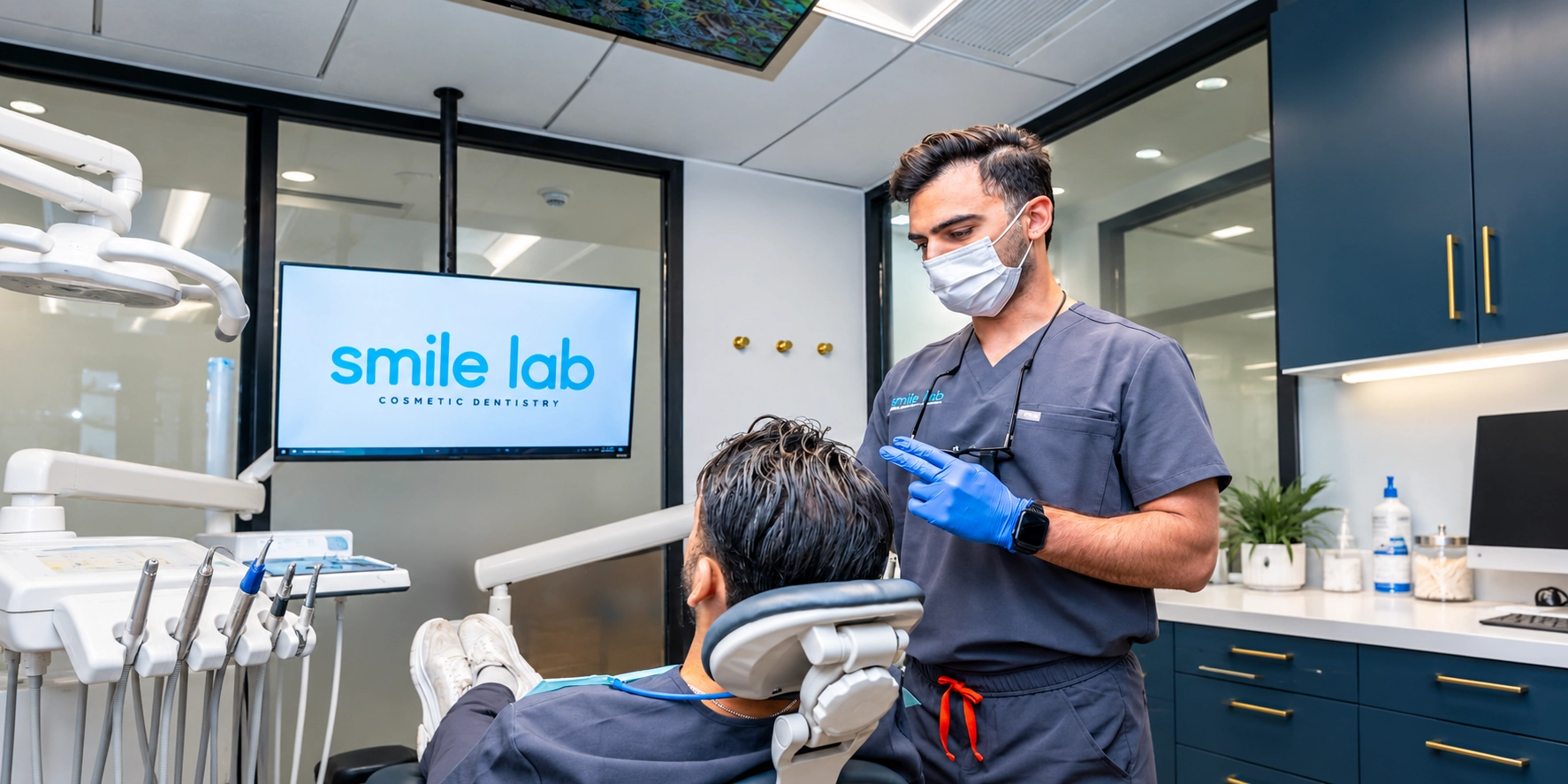
Contact your dentist if swelling or soreness worsens, or if you develop persistent numbness, significant bleeding, drainage, fever, or increasing pain. These symptoms don’t always mean treatment has failed, but you should assess them rather than ignore them. An examination can clarify whether healing is progressing normally.
If you’re in Manhattan and want your recovery or candidacy assessed, you can schedule a consultation at Smile Lab in Union Square. A visit can help determine whether symptoms fit normal healing or need treatment.