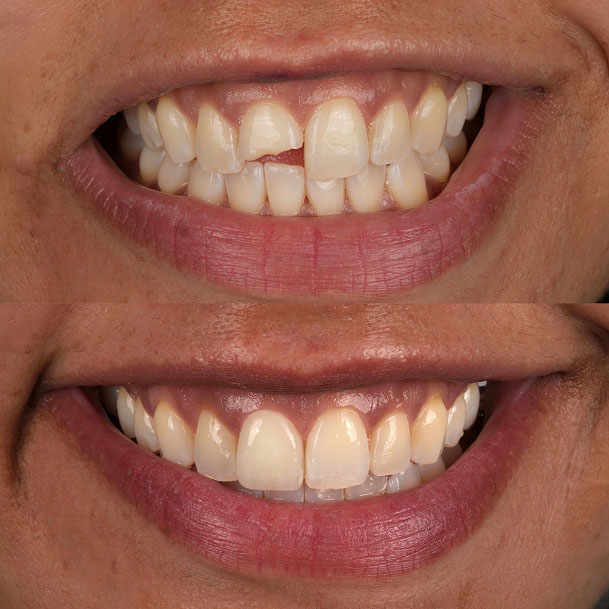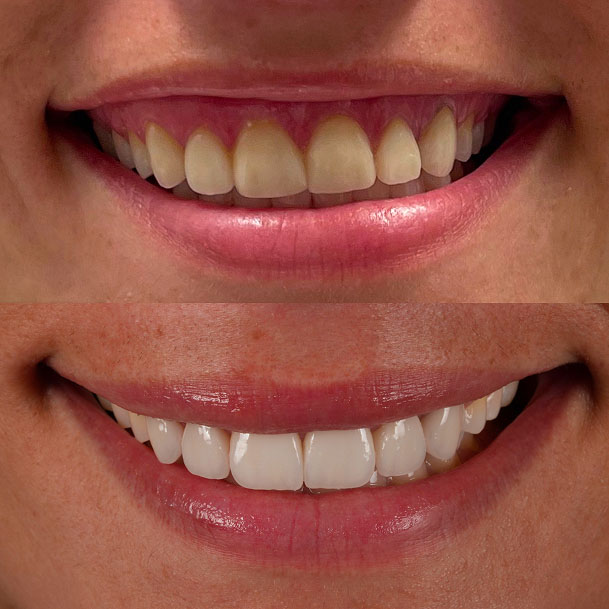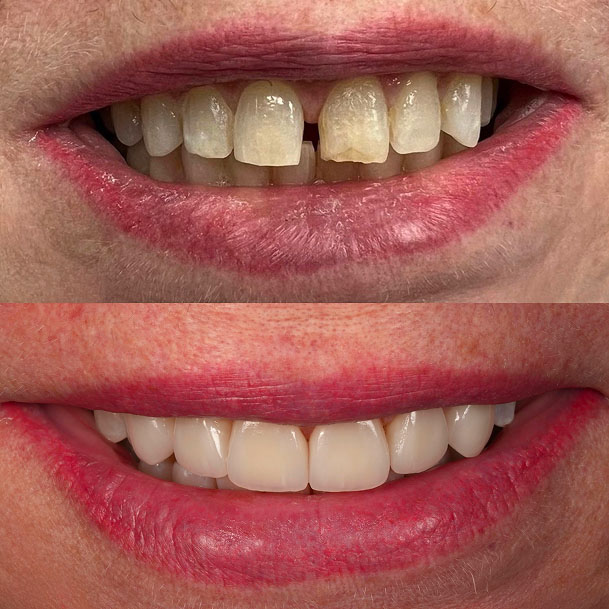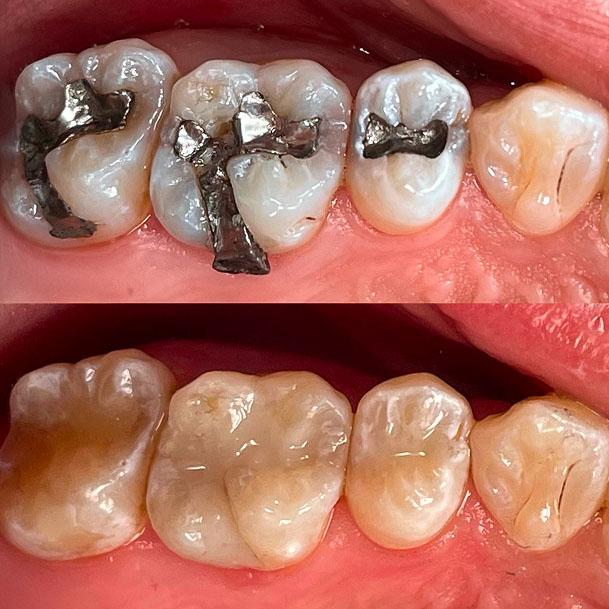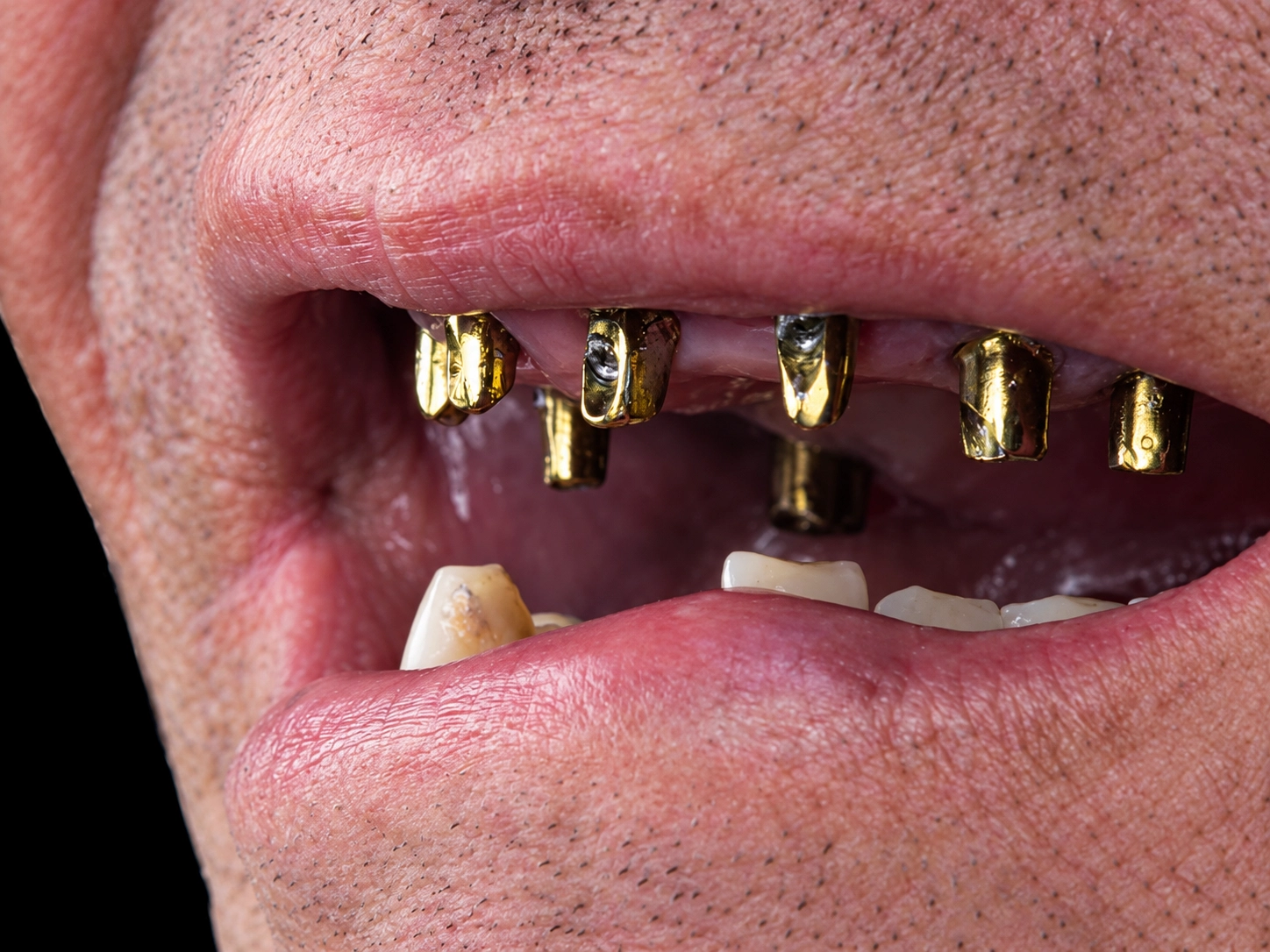
The process includes surgery, temporary teeth when possible, and 3–6 months of healing as the posts bond with the jawbone. Daily cleaning, water flossing when advised, and regular checkups help protect your new teeth. At Smile Lab in Union Square, Manhattan, patients can learn whether eight supports or another option best fits their bone health and treatment goals.
Key Takeaways
- Eight posts support a fixed row of replacement teeth, helping restore chewing, speech, and comfort.
- Treatment often costs $19,000–$48,000 per arch. The final price depends on location, bone health, materials, and extra procedures.
- Healing usually takes 3–6 months as the posts bond with the jawbone. Some patients receive temporary fixed teeth on the day of surgery.
- Eight supports aren’t always better than four or six. The best choice depends on your jawbone, bite, and treatment needs.
- With proper care, the posts can last for decades. The attached bridge may need repairs or replacement over time.
What Are All-on-8 Dental Implants?
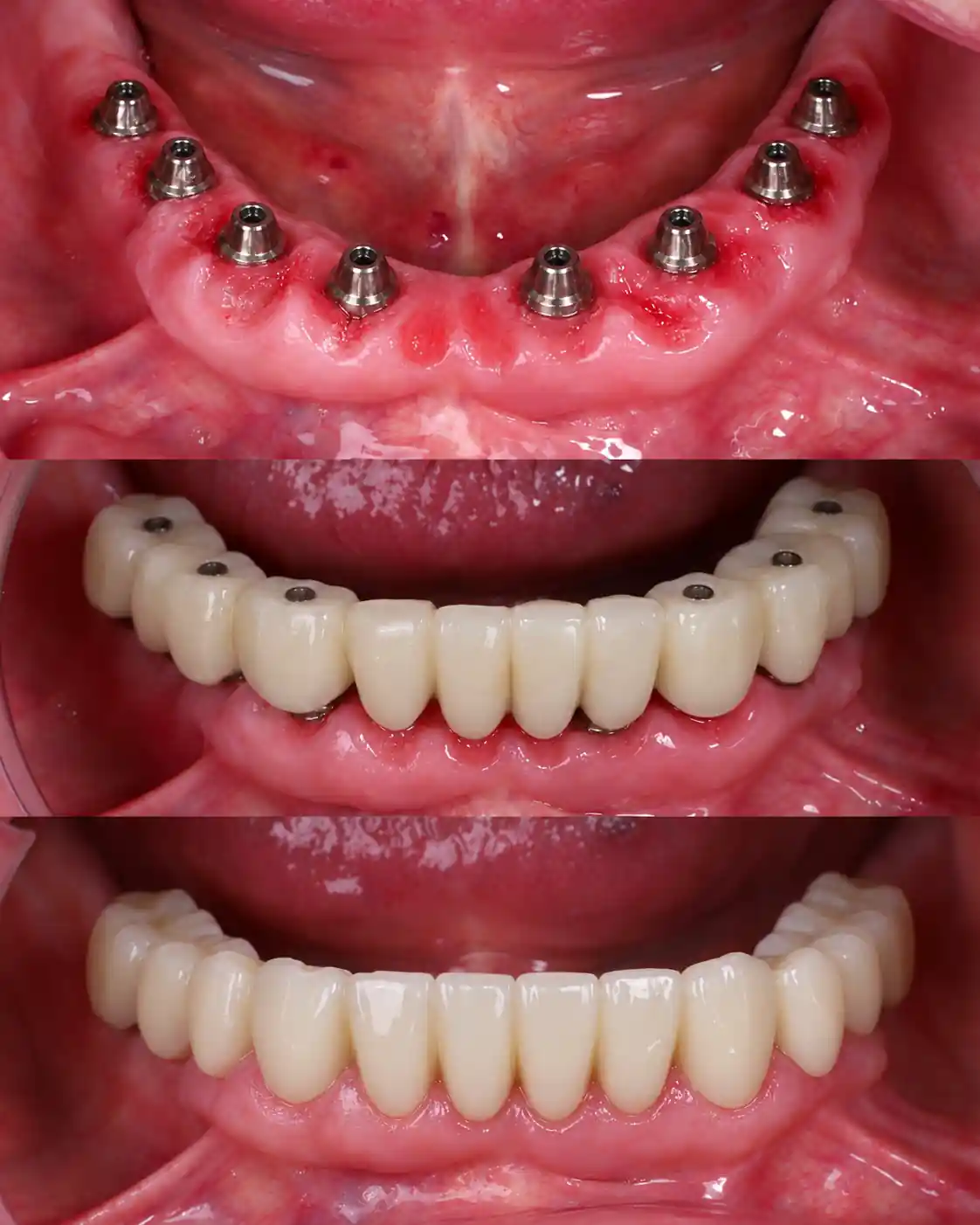
This treatment replaces a full row of missing teeth with a fixed bridge supported by eight posts in the jawbone. Unlike a removable denture, the new teeth stay in place during daily activities. Patients comparing removable and fixed replacements can also explore dental implants vs. partial dentures. Only a dentist removes the bridge when needed.
The posts act like tooth roots and hold a custom dental bridge. They help restore chewing, speech, and appearance while keeping the bone around each support active.
All-on-eight dental implants may suit people who have lost most or all teeth in one jaw. They are one option in implant dentistry, but fewer supports may work just as well for some patients.
Who Is a Candidate for All-on-8 Implants?
People with many missing teeth, badly damaged teeth, or loose dentures may qualify for this treatment. Good candidates need enough healthy jawbone to hold the posts. Their gums and general health must also support surgery and healing.
Ideal candidates often:
- Have several missing or failing teeth.
- Have enough jawbone to support eight posts.
- Want fixed teeth instead of removable replacements.
- Can keep their teeth and gums clean each day.
- Have well-managed health conditions.
People with gum disease may still qualify for dental implants after they receive proper care. Severe bone loss may require grafting, although other full-arch options may be more suitable.
Keeping healthy natural teeth is often the best choice. An exam helps decide whether tooth removal is needed or whether options like a dental implant vs. a crown should be considered.
How Much Do All-on-8 Dental Implants Cost?
A full-arch restoration supported by eight posts may cost $30,000–$50,000 or more per arch in the United States, based on published estimates. Prices in Manhattan may differ, and replacing both arches costs more than treating one. These figures are general estimates, not confirmed prices for a specific clinic.
Several factors affect the total cost:
- Surgery: Tooth removal, sedation, and other procedures may increase the price.
- Bone health: Severe bone loss may require extra care.
- Materials: Zirconia, acrylic, and other materials vary in cost.
- Planning: Scans and exams help guide the procedure.
- Restoration: Temporary and final teeth may have separate fees.
Before treatment, ask what the price includes. Make sure you understand the costs of surgery, temporary teeth, final teeth, and follow-up care. You can also ask about financing options.
How Much Do Eight Individual Implants Cost?
At Smile Lab, a single dental implant costs $5,950, including the post, abutment, and crown. Eight individual implants would cost $47,600, before extra procedures.
This differs from All-on-8, which uses eight posts to support one full-arch bridge.
The All-on-8 Dental Implant Procedure
Treatment has three main stages: planning, surgery, and placing the final teeth. The full process can take several months, based on your bone health and healing needs.
Consultation and Implant Placement
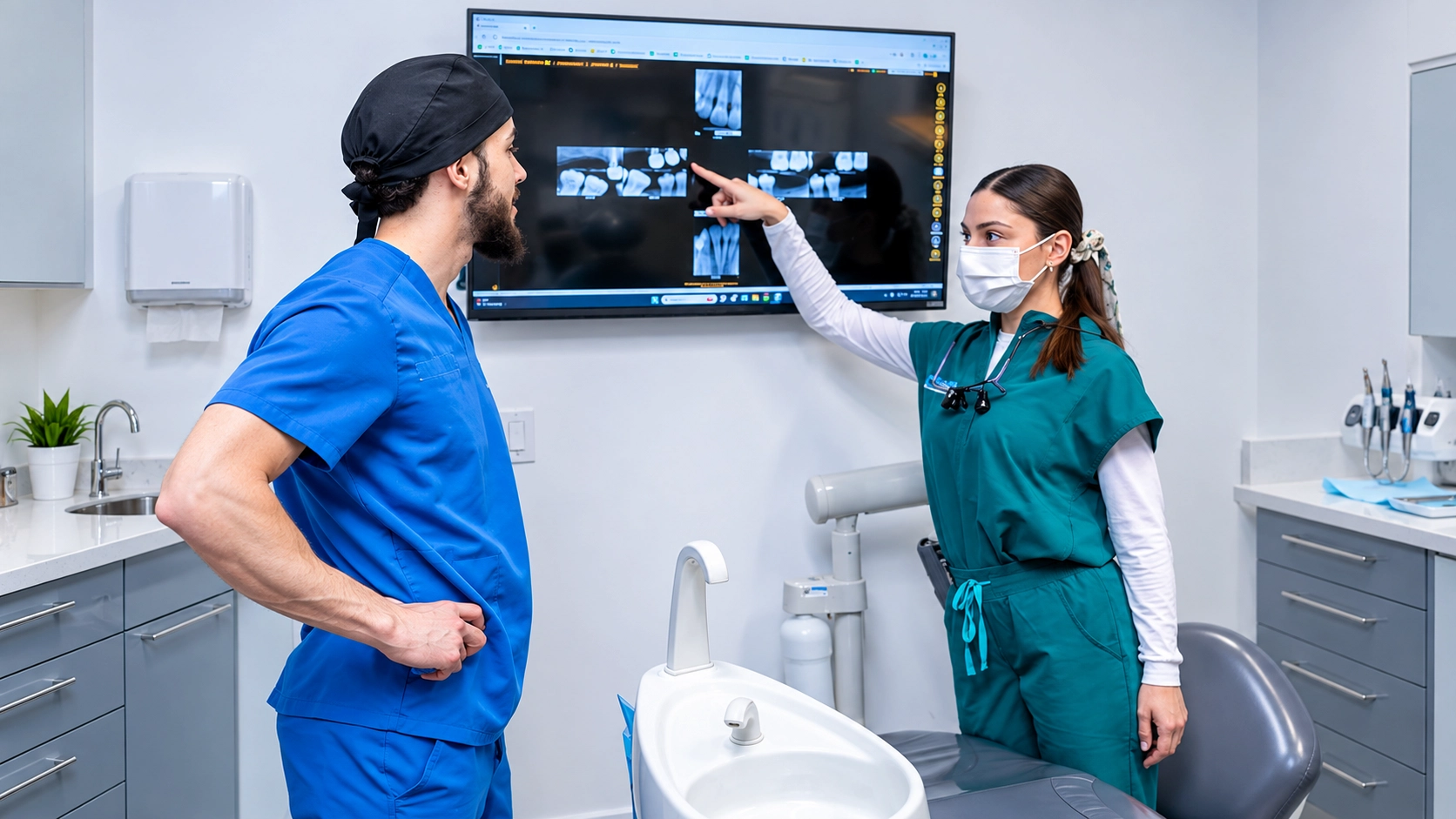
Your dentist checks your teeth, gums, and jawbone. They also review your health history and may use a 3D CT scan to check bone levels and nearby nerves.
These results help create a treatment plan. The dentist decides where to place each post and whether you need extra care before surgery.
During surgery, the dentist places the supports into the jawbone. Local anesthesia and other comfort options help reduce pain during the procedure.
Temporary Teeth and Healing
Some patients receive fixed temporary teeth on the day of surgery. This depends on how stable the posts are when placed. Others need a different temporary option while they heal.
Over the next 3–6 months, the jawbone grows around the posts and holds them firmly in place. This process is called osseointegration.
Some swelling, soreness, and mild bleeding may occur after surgery. Your dentist may suggest soft foods, careful brushing, and follow-up visits to check your healing.
Final Restoration
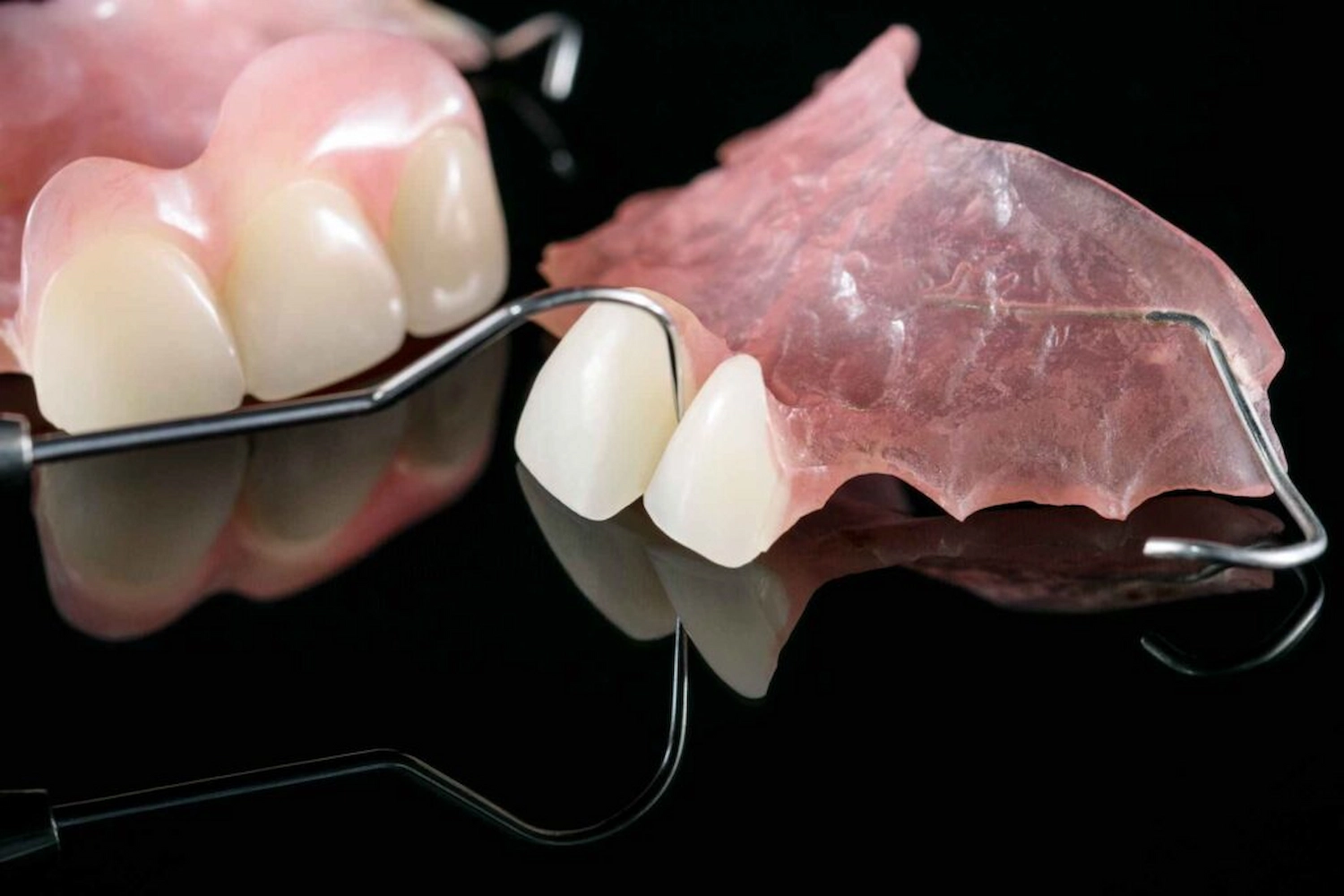
Once the posts have healed, the dentist attaches the final set of teeth. The bridge is made to fit your bite, jaw shape, and facial features.
The final teeth may be made from zirconia or other strong materials. Your dentist will help choose the right option based on your needs.
Treatment typically takes 3–6 months from start to finish, including healing and placing the final teeth. Bone grafting, extra surgery, or slower healing may extend the process to 6–12 months or longer.
Benefits and Risks of All-on-8 Implants
Eight posts can create a firm base for replacement teeth. Still, the procedure involves surgery, healing, and daily care. Understanding both the benefits and risks helps you make a sound choice.
Benefits of Eight Implant Supports
Possible benefits include:
- Better chewing: Fixed teeth stay more stable while eating.
- More comfort: You do not need to remove the bridge each night.
- Bone support: The posts help maintain bone around their placement sites.
- Natural appearance: The bridge can match your facial shape and bite.
- Shared pressure: Eight supports can spread chewing forces across several points.
These benefits depend on good planning, proper placement, and healthy gums. More posts don’t always mean better results.
Risks, Complications, and Limitations
Possible risks include infection, nerve injury, failed supports, and healing problems. Some people may also develop swelling or inflammation around the posts.
Peri-implantitis is inflammation around an implant that can damage the supporting bone. Smoking, poor daily cleaning, and a history of gum problems can raise this risk.
Your jaw must also have enough healthy bone for eight posts. In some cases, using fewer supports may lower the need for surgery while still giving strong support.
Good planning can lower risks, but no procedure can promise lifelong success.
All-on-4 vs. All-on-6 vs. All-on-8 Implants
The main difference between these treatments is how many posts hold one full set of fixed teeth. All three can replace missing teeth, but they have different bone and surgery needs.
| Treatment | Posts per Arch | Main Difference |
|---|---|---|
| All-on-4 dental implants | 4 | Uses fewer posts, often placed at angles |
| All-on-6 dental implants | 6 | Adds more support points when needed |
| All-on-8 | 8 | Needs enough bone for eight posts |
All-on-4 dental implants may work for some people with less jawbone because angled supports can avoid certain areas. All-on-6 dental implants or eight-post restorations may help when bone, bite, and bridge design require more support.
The best option is not based on the number of implants alone. Your dentist must check your jawbone, bite strength, and treatment needs.
What About All-on-10 Dental Implants?
All-on-10 dental implants use ten posts to support one full-arch bridge. This option is less common and may suit certain cases where the jaw has enough bone.
More posts don’t always improve comfort or extend the bridge’s lifespan. Consider extra surgery, bone limits, and future care.
Which Implant Option Has the Highest Success Rate?
Current research does not show that eight supports have a higher success rate than every other full-arch option.
A 2026 review found high survival rates for both four-post and six-post treatments. It did not prove that either option is best for every patient. Less long-term research compares these treatments with eight-post restorations.
Success depends on bone health, placement, daily cleaning, and regular care.
How Long Do All-on-8 Implants Last?
With proper care, the posts may last decades, sometimes a lifetime. Still, they can fail, and the attached bridge may need repairs or replacement due to wear or damage.
Long-term results depend on how well you clean your teeth, attend checkups, and manage risk factors such as smoking and gum problems.
Clean around and under the bridge daily using the tools your dentist recommends. These may include small brushes, special floss, or a water flosser. Regular visits help spot early signs of wear, inflammation, or changes in your bite.
Are All-on-8 Dental Implants Worth It?
This treatment may be a good choice for people who need a full row of replacement teeth and have enough healthy bone for eight posts. Fixed teeth can make eating, speaking, and daily life easier, but you should carefully weigh the cost and surgical needs.
More supports do not always mean better care. The right option should fit your jawbone, health, budget, and goals while giving you a stable result.
Dr. Waise Ebrahimi, certified in dental implant placement, considers tooth health, bone levels, and other factors when planning care. A personal exam can help Manhattan patients determine whether four, six, or eight supports offer the best fit. Schedule a consultation.