Treatment depends on the cause and how much healthy bone remains. Some problems can be managed by controlling inflammation, cleaning the area, or repairing a prosthetic component, while a mobile or severely compromised fixture may need removal, possible bone grafting, and later replacement.
At Smile Lab, the first step is identifying whether the problem involves the post itself, the surrounding tissues, or the restoration so the next treatment targets the cause rather than symptoms alone.
Key Takeaways
- Failure can happen early if the post does not bond with the jawbone, or later because of infection, bone loss, excess bite force, or mechanical problems.
- Warning signs include persistent pain, swelling, bleeding, pus, gum recession, trouble chewing, or a loose restoration.
- Treatment depends on the cause. Some cases can be managed with cleaning or repair, while others may require removal, bone grafting, and replacement.
- A second unsuccessful treatment should prompt a broader review of bone quality, infection, smoking, grinding, medical factors, and bite forces.
- Early evaluation can help preserve more treatment options and reduce further bone or tissue loss.
My Dental Implants Have Failed. What Now?
Do not assume every symptom means the post must come out. A dentist should examine the implant site, gums, bite, restoration, and supporting bone to identify the problem, especially if you are unsure what to expect during a dental implant procedure. The treatment plan may involve controlling inflammation, repairing a component, rebuilding bone, or choosing another tooth replacement.
Signs of a Failed Dental Implant
A healthy post should feel stable when you chew. New movement, persistent pain, swelling, bleeding, drainage, or gum recession can signal a problem. These signs need a clinical exam because they do not confirm failure on their own, especially when symptoms overlap with normal dental implant recovery.
Early Implant Failure Symptoms
Early implant failure symptoms can appear before the final restoration is placed. Mobility, swelling, persistent discomfort, or poor healing may mean the post has not bonded with bone as expected. An early evaluation can show whether healing is delayed or integration has been lost.
Pain, Swelling, or Bleeding
Mild soreness after surgery should improve as you heal. Pain that returns or worsens, especially with swelling, bleeding, drainage, or a bad taste, needs evaluation. These symptoms can reflect inflammation, infection, or another local problem.
Loose Implant or Gum Changes
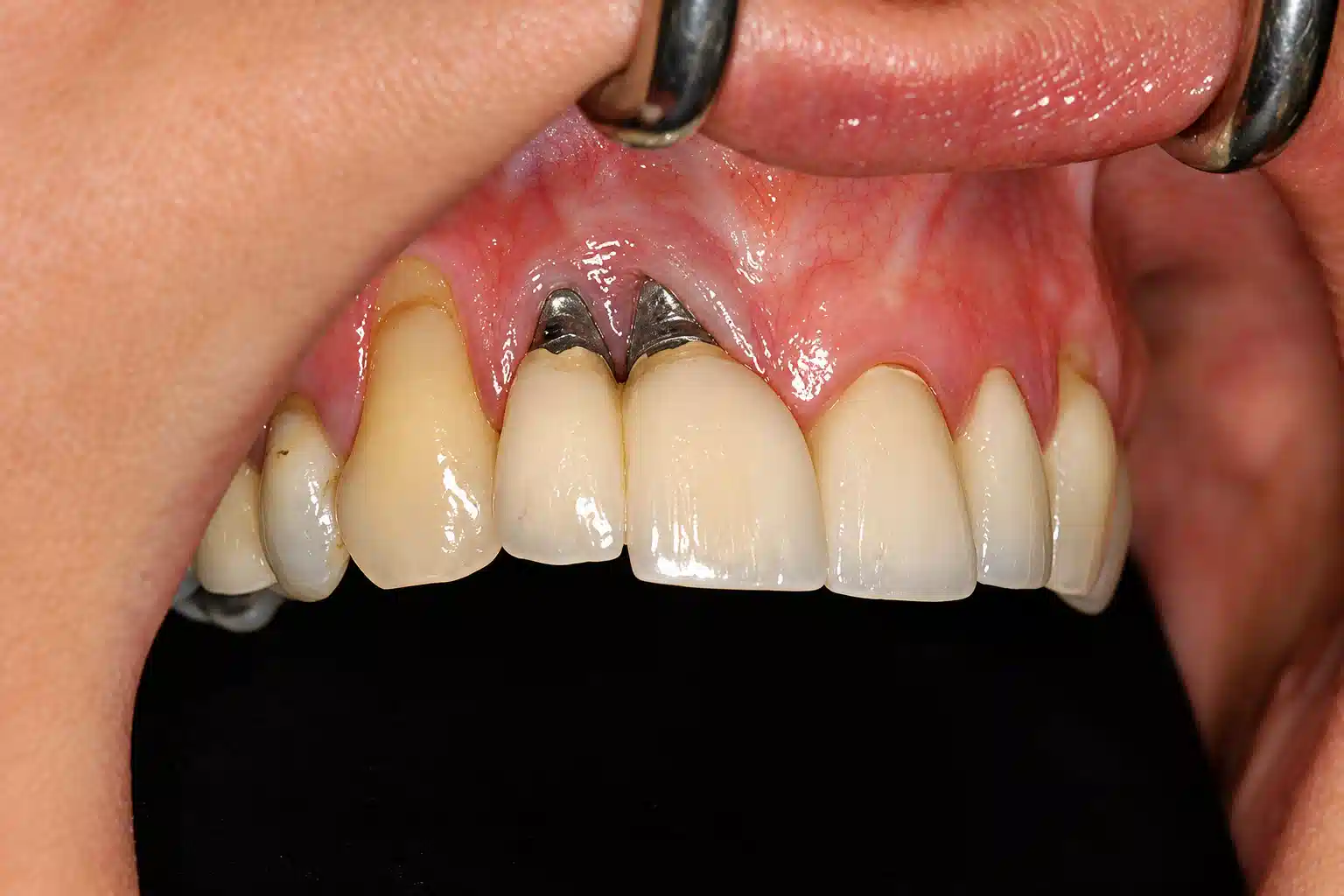
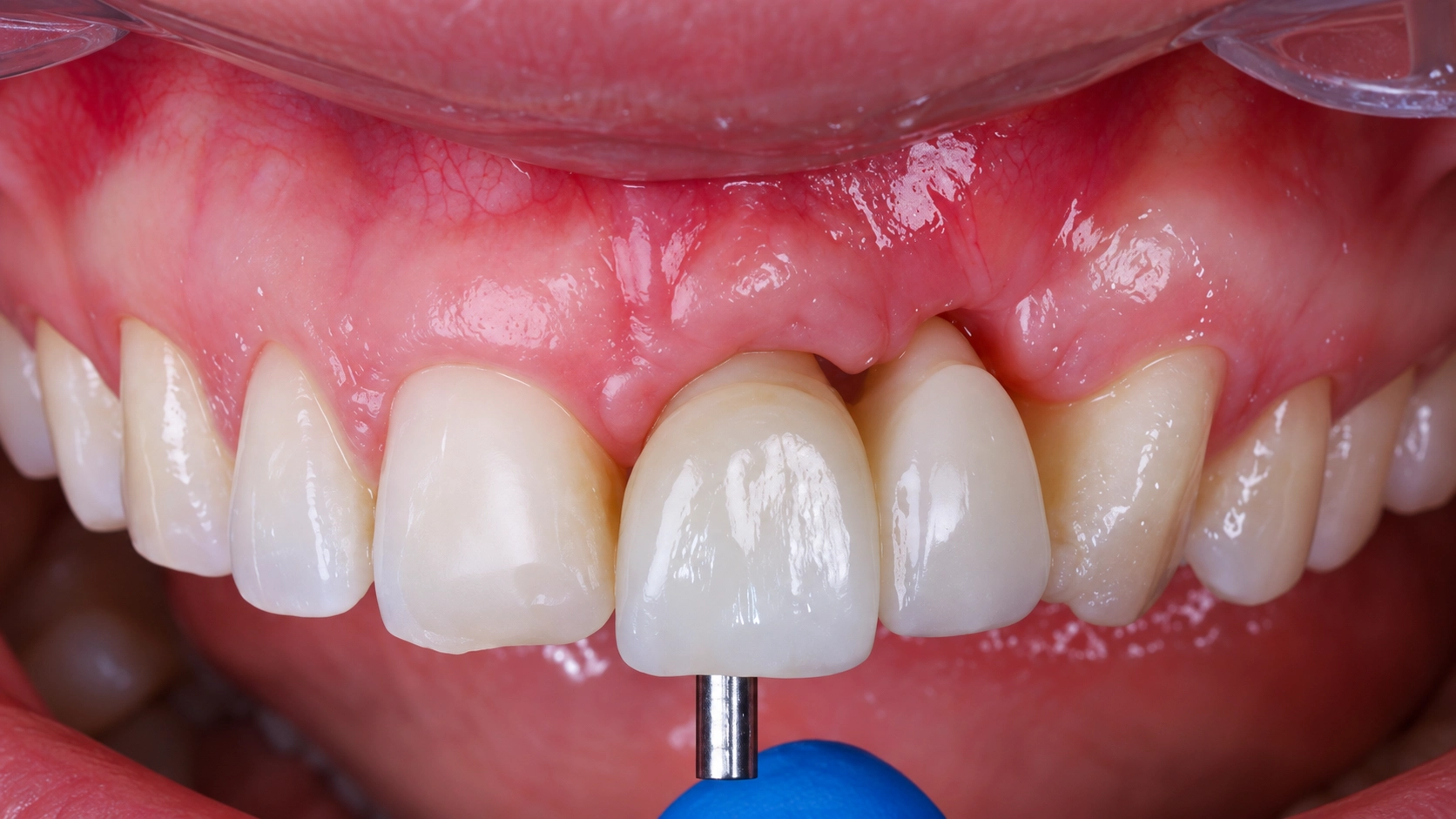
A loose crown does not always mean the underlying fixture has lost support, but a loose dental implant can require prompt evaluation. Movement may come from the crown, screw, abutment, or post itself. Recession or exposed surfaces can also signal changes in gum or bone support.
Can Dental Implants Fail?
Yes. Early problems usually involve poor osseointegration, while later complications may involve peri-implant disease, bone loss, overload, or mechanical damage. Understanding what dental implants are and how safe they are can also help put these risks into context. Timing can help narrow the cause and guide treatment.
Failed Osseointegration
Osseointegration creates a stable connection between bone and the titanium post. Poor bone quality, infection, low initial stability, smoking, and other risk factors can interfere with this process. A mobile fixture that never integrates may need removal.
Peri-Implantitis and Bone Loss
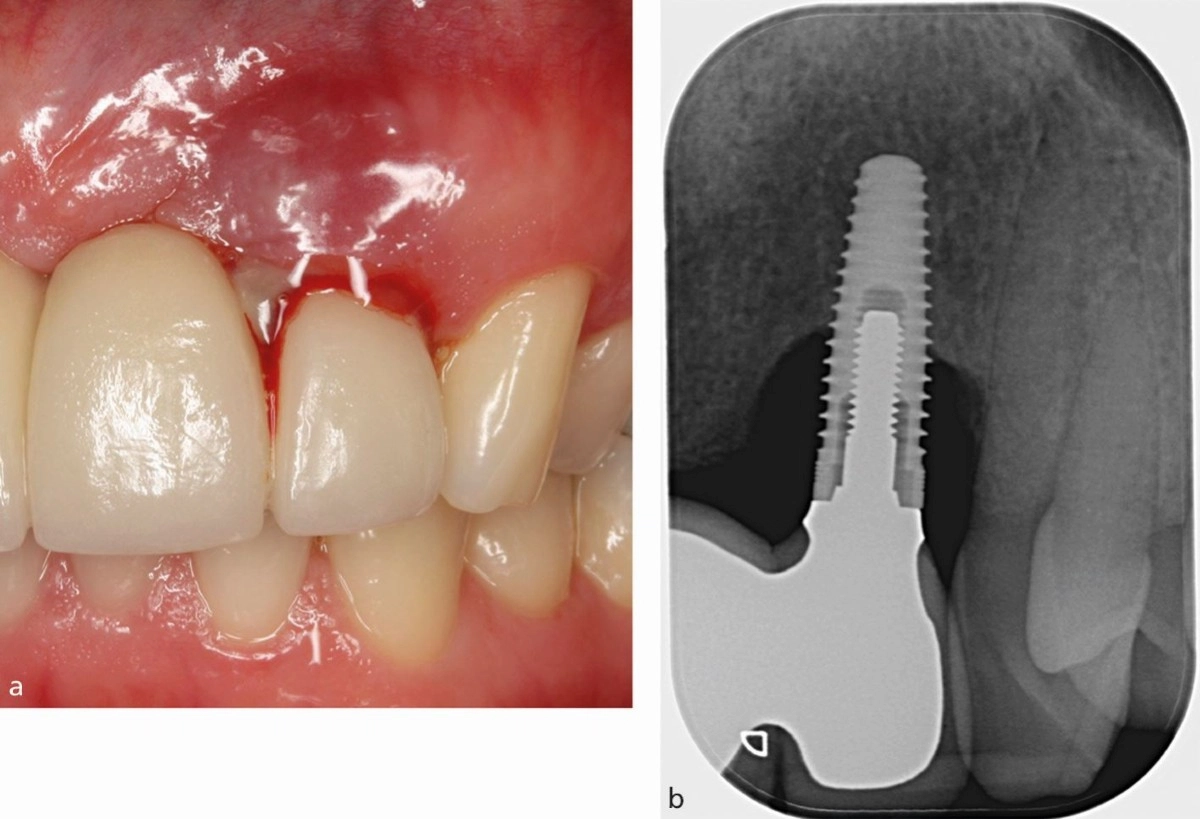
Peri-implantitis causes inflammation around the restoration and progressive loss of supporting bone. Bleeding, deeper pockets, recession, and bone loss on imaging may appear. Poor oral hygiene and a history of gum disease can threaten long-term implant health.
Smoking, Grinding, and Excess Pressure
Smoking, bruxism, and heavy biting forces can affect long-term success in some patients. These factors do not guarantee a poor outcome, but they can raise risk. Consider them during treatment and follow-up.
Early vs. Late Implant Failure
Timing helps narrow the cause. Early problems occur before normal functional loading, while late complications develop after the restoration has already been in use. This distinction can guide diagnosis and next steps.
Early Dental Implant Failure
The first stage of early dental implant failure often involves poor integration, infection, surgical trauma, or low primary stability. Bone quality, smoking, medical history, and healing conditions may also contribute. Review the cause before another procedure.
Dental Implant Failure After 10 Years
Dental implant failure after 10 years can occur even after years of normal function. Peri-implantitis, bone loss, mechanical damage, bite forces, or changes in oral health may contribute. Age alone does not explain the problem.
How Common Is Dental Implant Failure?
Dental implant failure is relatively uncommon. Systematic reviews report that about 93% to 96% of implants are still functioning after 10 years, meaning roughly 4% to 7% may be lost over that period.
Survival rates vary between studies, so these numbers describe population-level outcomes rather than predicting what will happen in one individual case.
Where Does Implant Failure Occur Most?
Early implant failure appears more common in the upper jaw than the lower jaw. One systematic review of 78,230 implants found early failure rates of 3.14% in the maxilla versus 1.96% in the mandible, with the posterior upper jaw showing higher failure than the front of the lower jaw.
Can You Fix a Failed Dental Implant?
Sometimes you can fix a failed dental implant without replacing everything. Failed dental implant options depend on whether the problem involves inflammation, bone loss, a loose component, fracture, or lost integration. The goal is to preserve healthy tissue and choose the most predictable next step.
Treating Infection and Peri-Implantitis
Early inflammation may respond to professional plaque removal, improved home care, and treating the cause. More advanced disease may require deep cleaning or surgical therapy. Severe bone loss may make removal the better option.
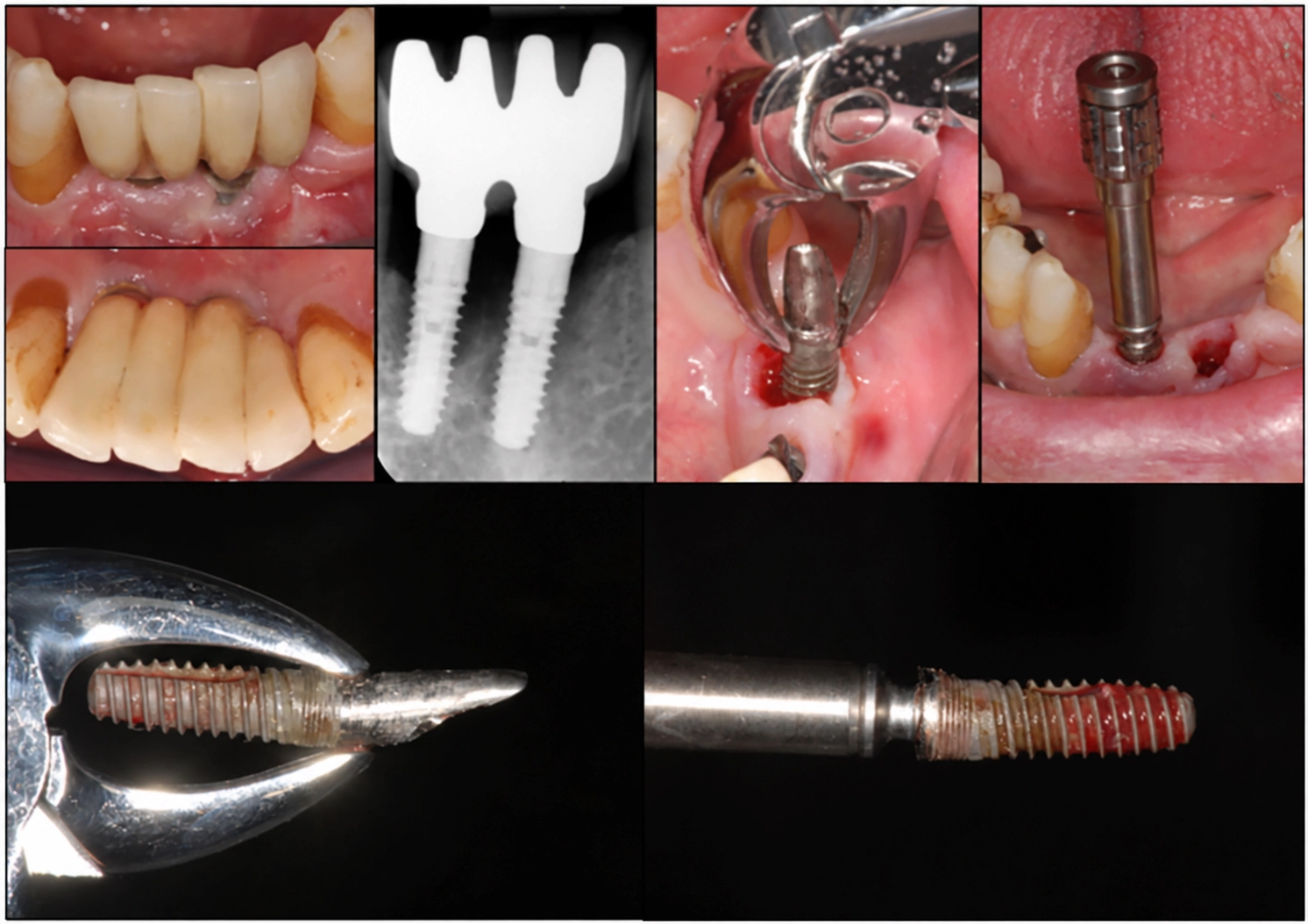
Removing a Failed Implant
A mobile fixture or one that cannot be maintained may need removal. The clinician should protect healthy bone and soft tissue during the process. Preserving the site can leave more treatment options available.
Bone Grafting Before Replacement
Bone grafting may be needed if the area lacks enough bone for another implant placement. A graft can rebuild part of the foundation needed for future treatment. Healing time depends on the defect and implant site.
Replacing the Dental Implant
Another fixture may be possible once the initial issue is understood. Replacement at a previously unsuccessful site can work, but outcomes may be less predictable than first-time treatment. Reassess the original risk factors before repeating the procedure.
Alternatives to Another Implant
Another post is not the only option. A bridge or removable restoration may fit better depending on the remaining natural teeth, bone, bite, and goals. Comparing dental implants vs. bridges can help clarify the differences in treatment, longevity, and maintenance. The right choice depends on the mouth, not a one-size-fits-all treatment.
Why Have Dental Implants Failed Twice?
Two unsuccessful attempts may point to a factor that needs a broader review. Bone quality, infection, smoking, grinding, medical factors, bite forces, and previous surgical conditions may all matter. A previous problem does not mean another attempt will automatically have the same outcome.
A complex case may benefit from input from a restorative dentist, periodontist, or oral surgeon. Before choosing another procedure, the goal is to understand why previous treatment did not hold. That review can also compare repeat treatment with non-implant alternatives.
Who Is Responsible for Implant Failure?
A poor outcome does not automatically mean the dentist or patient caused it. Biology, infection, mechanical stress, maintenance, surgical factors, and medical conditions can interact. Assess responsibility for dental implant failure only after reviewing records, imaging, treatment, and follow-up care.
How Can Implant Failure Be Prevented?
Good plaque control, regular dental care, smoking cessation, grinding management, and early treatment of inflammation can reduce avoidable risks. Patients can maintain implants successfully when the restoration, gums, bite, and bone are monitored with their natural teeth. Check for new movement, pain, or bleeding early.
When Should You See a Dentist?
Schedule an evaluation if the restoration moves, swelling persists, pus appears, pain worsens, or the gums keep bleeding. If you leave inflammation untreated, bone loss can limit future options. At Smile Lab in Union Square, Dr. Waise Ebrahimi, a certified dental implant placement specialist, can assess the area with a clinical exam and, when appropriate, low-radiation digital imaging.
An exam can clarify what is wrong, what can be preserved, and which option fits your case. This is especially useful after a previous unsuccessful treatment or when you want to avoid repeating a procedure without understanding the cause. Schedule a Consultation when you are ready to review your options.