
If you are asking how long after dental implants you can eat normally, the answer depends on the number of fixtures placed, bone healing, added procedures such as grafting, and when your dentist confirms that stronger chewing is safe. Osseointegration commonly takes about 3–6 months, though some people with a single placement can return to a near-normal diet earlier.
Key Takeaways
- Most patients return to a fully unrestricted diet in about 3 to 6 months, after the fixture has fused with the jawbone and the final restoration is ready for normal chewing.
- During the first 24–48 hours, choose cool liquids and very soft foods, then add soft solid foods gradually as soreness and swelling improve.
- Return hard, crunchy, sticky, and spicy foods later because they can put extra pressure on the healing implant site or irritate sensitive tissue.
- A single placement may allow a faster return to near-normal meals, while All-on-4, bone grafting, or multiple fixtures can require a longer soft-food period.
- Your dentist should confirm when stronger chewing is safe, since healing time depends on location, bone support, added procedures, and the type of temporary or final restoration.
When Can You Return to a Normal Diet?
Your diet usually expands in stages. The healing process depends on the number and location of implant procedures, whether you needed bone grafting, and how long it takes to get a tooth implant based on how well the surgical sites are healing.
First 24–48 Hours
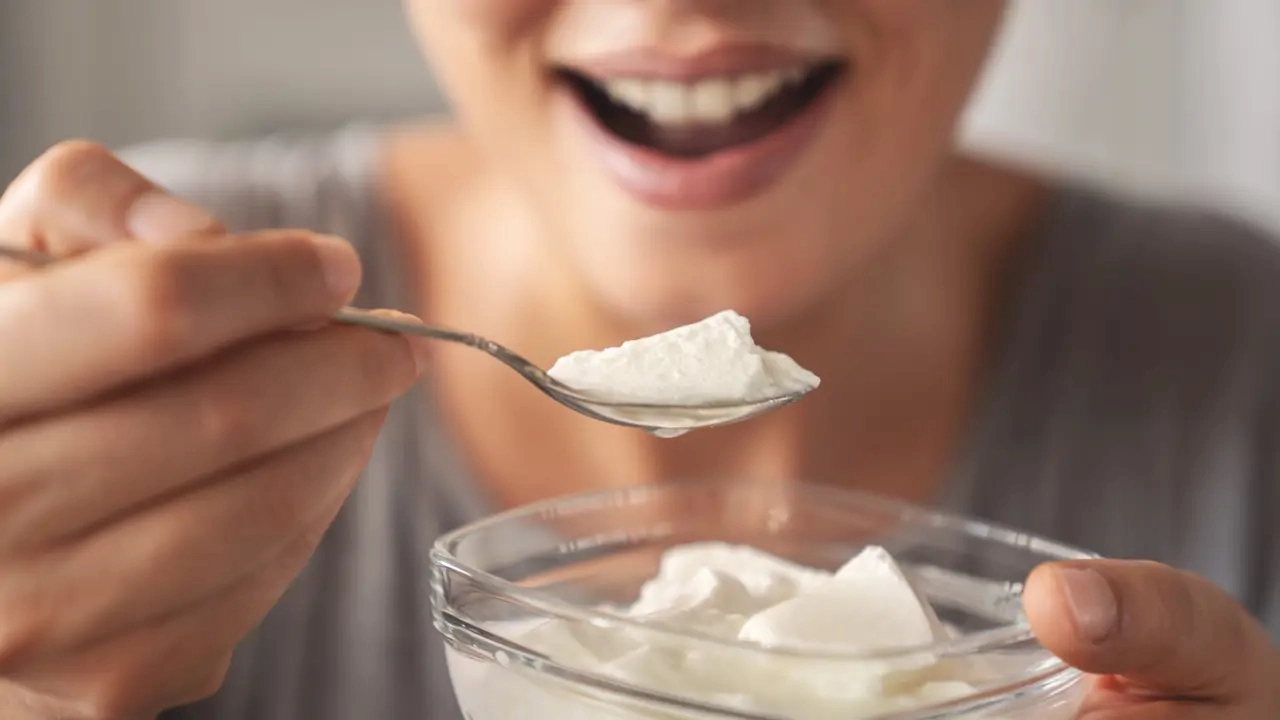
Choose foods that require little or no chewing. Scrambled eggs, mashed potatoes, oatmeal, yogurt, and smoothies can provide essential nutrients without putting pressure on the implant site.
Avoid hot, sticky, and crunchy foods during early recovery. These foods can irritate tissue or place unwanted force on the area.
Days 3–7
As soreness improves, you can add soft solid foods such as pasta, fish, cooked vegetables, and tender rice. Continue to protect the treated side from heavy chewing.
Weeks 2–6
Many people can add softer meats, bread, and cooked vegetables during this stage. Avoid hard, crunchy foods near the healing area, even if you feel comfortable.
After Healing Is Complete
Once your dentist confirms the fixture is stable and the final tooth can handle normal force, you can return to your regular diet. Long-term success also depends on good oral health and daily cleaning.
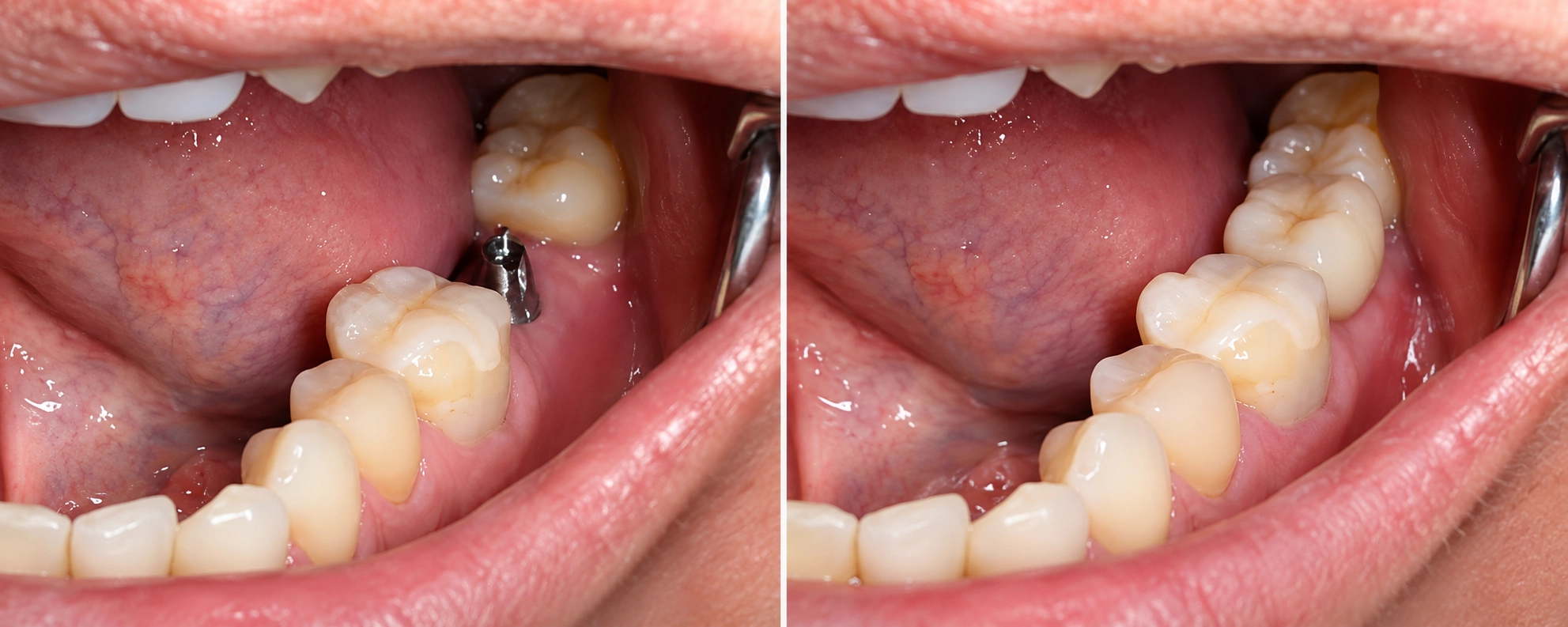
After a Tooth Implant, How Long Until I Can Chew Food?
Most patients can begin light chewing on soft foods within about 1–2 weeks, usually on the opposite side of the mouth. Chewing directly over the implant and returning to harder foods often requires several weeks, while unrestricted chewing may take about 3–6 months until osseointegration is complete and your dentist confirms the implant can handle normal biting force.
When Can You Have Chips?
Wait at least 2–6 weeks before eating chips, and longer if the area is still tender or your dentist has limited chewing. Chips are hard and sharp, so they can irritate healing tissue or place too much pressure on the implant site. For All-on-4 or more complex cases, restrictions may last 6–12 weeks or longer.
Can You Bite an Apple?
After full healing and placement of a stable final restoration, most people can bite an apple normally. During recovery, cut it into small pieces or choose softer fruit.
What Foods Are Best After Surgery?
After dental implant treatment, you don’t need a liquid-only diet. Soft, balanced foods are usually the best choice while tissue heals.
Useful options include eggs, mashed potatoes, oatmeal, yogurt, soft fish, bananas, pasta, and cooked vegetables. These choices support recovery without demanding strong chewing.
When Can You Resume Certain Foods and Drinks?
Most patients can reintroduce spicy foods after about 5–7 days, once tenderness and irritation have improved. Alcohol is usually best avoided for at least 48–72 hours and longer if you are taking antibiotics, prescription pain medication, or still have bleeding or swelling. Your dentist may recommend a longer restriction based on the procedure and healing progress.
How Long After All-on-4 Can You Eat Normally?
After All-on-4 treatment, most patients need a soft-food diet for about 6–12 weeks while the implants bond with the jawbone. You can usually add softer solid foods earlier, but wait on hard, crunchy, and chewy foods until your dentist confirms the bridge and implants can handle normal biting force. A fully unrestricted diet may take about 3–6 months, depending on healing and the final restoration.
What Affects Your Eating Timeline?
Recovery differs from person to person. Dr. Waise Ebrahimi, who is certified in dental implant placement, considers bone support, placement location, the number of fixtures, added procedures, and the type of temporary or final teeth before recommending stronger chewing at Smile Lab.
Bone grafting or other implant procedures may extend the soft-food period, so understanding what to expect during your dental implant procedure can make the recovery timeline easier to plan.
Back teeth also receive more chewing force than front teeth, while temporary restorations may require more care than final ones. For a broader look at healing stages, activity limits, and aftercare, see our dental implant recovery guide.
When Should You Contact Your Dentist?
Contact your dentist if pain or swelling worsens instead of improving, bleeding doesn’t settle, or chewing suddenly becomes painful. These changes may need a follow-up exam, especially if you are concerned about signs of a failed dental implant.
At Smile Lab in Union Square, we tailor recovery guidance to your specific treatment and healing progress. If you are considering this treatment or want your recovery checked, schedule a consultation.