Warm saltwater rinses may help keep the area clean after the first 24 hours, but avoid vigorous swishing or spitting and follow your dentist’s specific instructions. Symptoms should gradually improve over the first several days, but evaluate promptly for severe or worsening discomfort, fever, pus, heavy bleeding, or swelling that increases after day three.
At Smile Lab in Union Square, an exam can help confirm whether your symptoms reflect normal healing or a complication that needs treatment.
Key Takeaways
- Soreness is often strongest during the first 24 to 72 hours and should gradually improve over the following days.
- Recommended medication, cold compresses, head elevation, soft foods, rest, and careful oral hygiene can support a more comfortable recovery.
- Saltwater rinses may help keep the area clean after the first 24 hours, but avoid vigorous swishing or spitting.
- See a dentist for severe or worsening discomfort, fever, pus, increasing swelling, numbness, or movement.
- New symptoms months or years after placement may relate to gum inflammation, bite problems, bone loss, or restoration issues and need a clinical exam.
Dental Implant Pain Relief at Home
Early dental implant pain relief usually combines your dentist’s instructions with rest, cold therapy, softer foods, and careful cleaning. These steps can reduce irritation while protecting the implant site. Recovery may differ if you also had a tooth extraction or bone graft during the dental implant procedure.
Take Recommended Pain Medication
Use the medication plan your dentist or oral surgeon recommended. Over-the-counter pain relievers may help some people, but your health history matters. Contact your dentist if the plan doesn’t provide reasonable relief or if you’re experiencing more pain than your dentist expected.
Apply Ice During the First 48 Hours
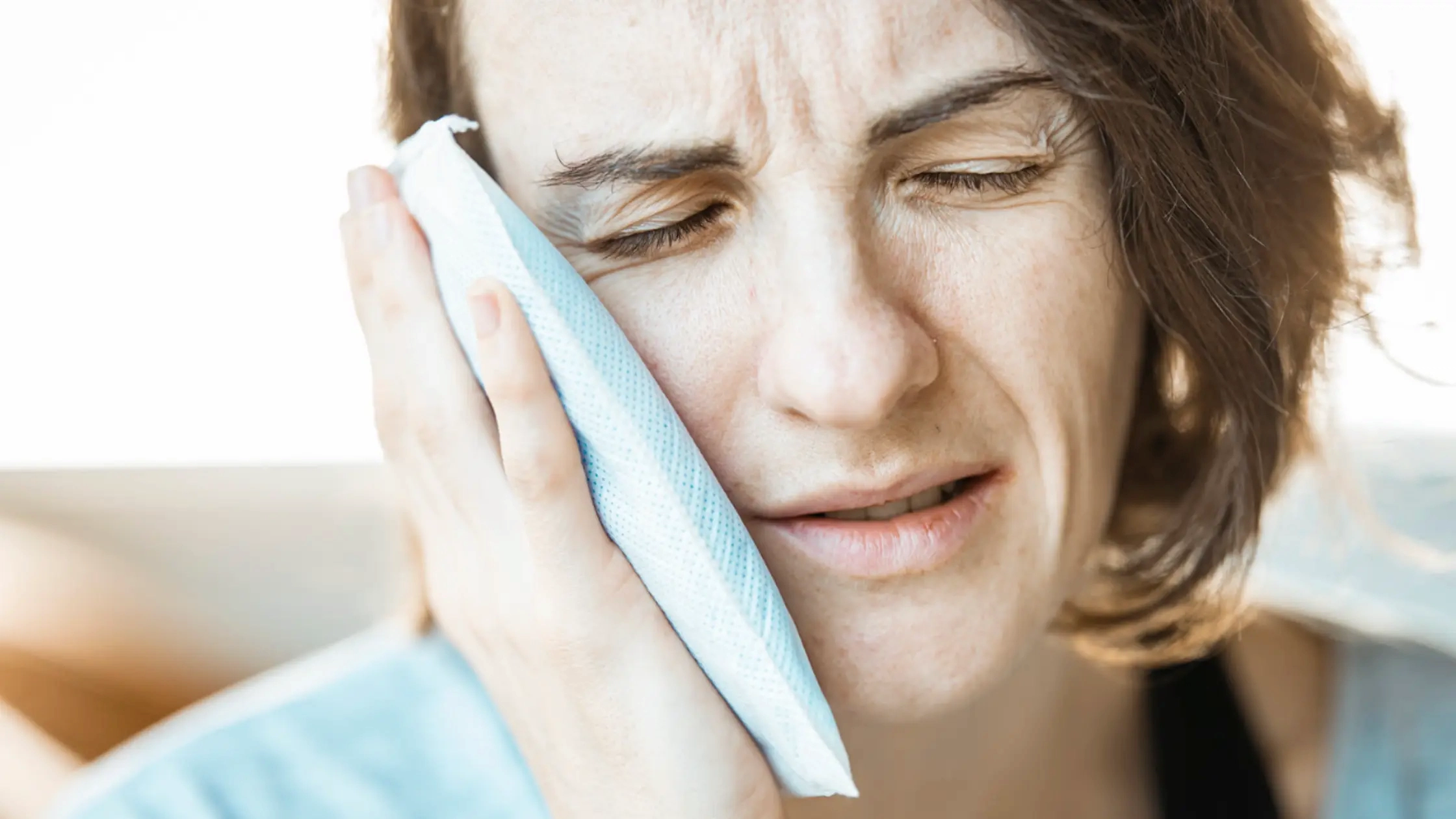
Place a cold pack on the outside of your face during early recovery. Use short intervals and keep a cloth between the pack and your skin. Cold therapy can help reduce swelling and soreness around the implant site.
Keep Your Head Elevated
Keep your head slightly elevated when resting or sleeping. An extra pillow may reduce throbbing around the surgical area. This can help during the first few nights.
Eat Soft Foods and Stay Hydrated
Choose foods that require little chewing, such as eggs, yogurt, mashed vegetables, mashed potatoes, or lukewarm soup. Avoid chewing on the treated side until your dentist says it is safe, and follow your dentist’s guidance on when you can eat normally after dental implants. Also avoid hard, crunchy, sticky, and very hot foods near the area.
Rest and Limit Physical Activity
Give your body time to recover. Strenuous exercise may increase throbbing, swelling, or bleeding in the first few days after surgery. Even with a busy NYC schedule, follow your dentist’s guidance before returning to workouts.
Can Salt Water Rinses Help Implant Pain?
Yes, gentle salt water rinses may soothe irritated gum tissue and help keep the mouth clean when recommended. Avoid vigorous swishing because it can disturb the surgical area. For home remedies for dental implant pain, avoid putting aspirin, alcohol, or irritating substances directly on the site.
How Long Is Dental Implant Pain Normal?
Mild to moderate soreness and swelling are expected after placement. The first stage of healing often takes about a week, while the jawbone then needs several months to bond with the titanium post. Your recovery can vary based on how complex the dental implant procedure was.
First 24 to 72 Hours
Discomfort and swelling are often strongest during the first few days after surgery. Cold therapy, rest, soft foods, and recommended medication can help. Symptoms should not keep intensifying without improvement.
Days Four Through Seven
Tenderness may remain, but daily activities should start feeling easier. Swelling and soreness should generally decrease during these days after surgery. Contact your dentist if symptoms become stronger instead.
After the First Week
Most people feel substantially better within about a week. Recovery can take longer after bone grafting, multiple placements, or a tooth extraction. Your healing timeline depends on the extent of treatment, and a full dental implant recovery timeline can help you understand what to expect at each stage.
Which Part of a Dental Implant Hurts Most?
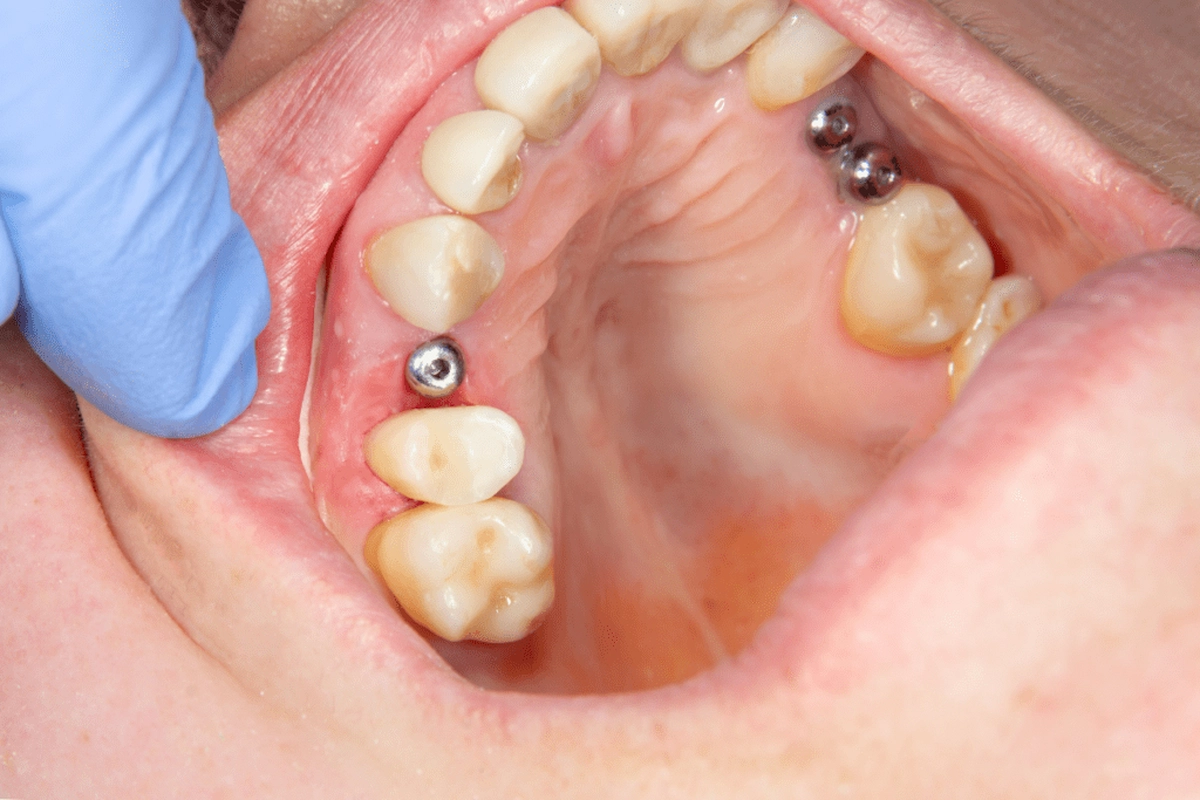
The titanium post itself has no nerves. Early soreness usually comes from the gum tissue, jawbone, and nearby tissues affected during surgery. The location can vary based on the procedure performed.
What Causes Dental Implant Pain?
Timing helps narrow down the cause. Soreness right after surgery has different likely causes than symptoms beginning months later. Persistent discomfort needs a clinical assessment, especially when it occurs with other dental implant side effects.
Normal Surgical Inflammation
Placement creates a controlled surgical wound in the gum and bone. Temporary inflammation can cause tenderness, swelling, and mild bruising around the implant site. These effects should gradually settle.
Bone Grafting or Additional Procedures
A tooth extraction or bone graft can make recovery more noticeable. More tissue is involved, so soreness may last longer. Your dentist should explain any expected differences before or after treatment.
Infection Around the Implant
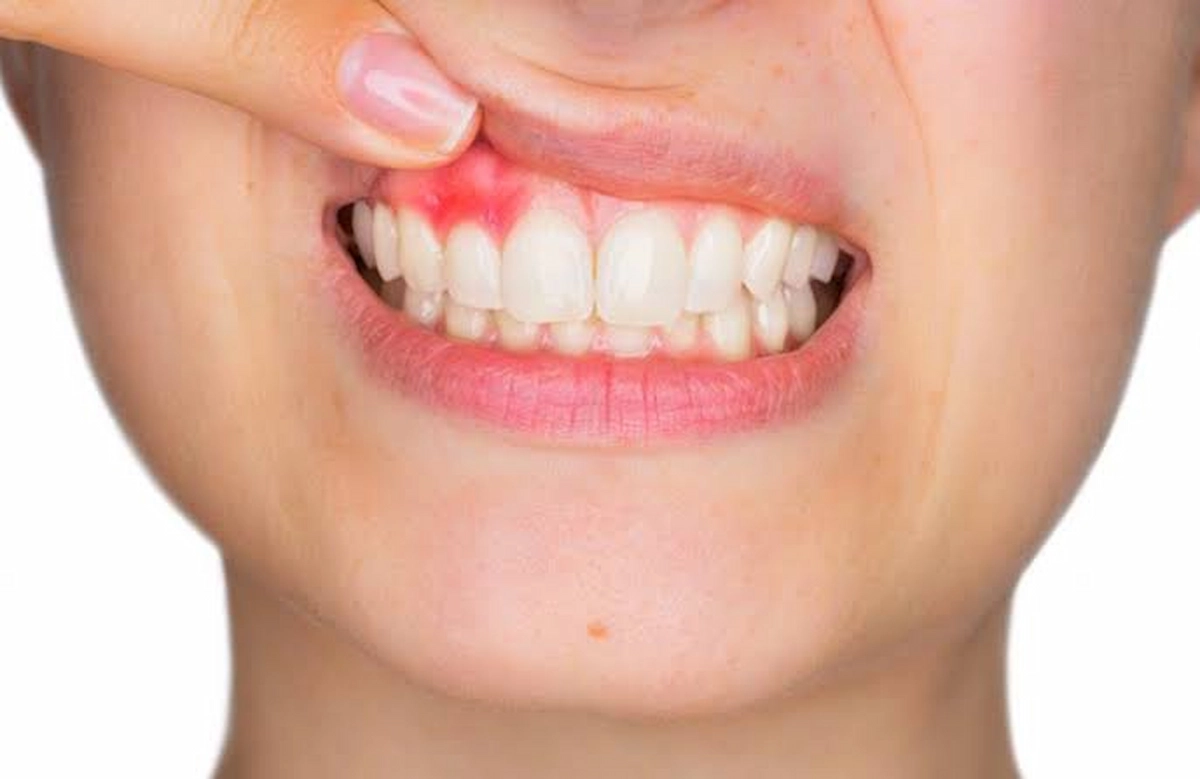
Increasing redness, swelling, drainage, fever, or a bad taste may point to infection. These symptoms need professional evaluation. Good oral hygiene supports healing, but home care alone should not be used if symptoms worsen.
Bite Pressure or Implant Movement
Excess bite pressure on a temporary tooth or restoration can make the area sore. A loose or moving fixture also needs prompt evaluation. Contact a dentist if you have fever, pus, swollen gums, or mobility.
When Is Dental Implant Pain Abnormal?
The direction of recovery matters. Symptoms that steadily decrease are more reassuring than discomfort that becomes stronger after improving. Watch for changes in intensity and new symptoms.
Severe Pain After Implant Placement
Severe pain after implant placement should not be ignored because persistent symptoms can sometimes be associated with dental implants that have failed. This is especially true when recommended medication does not provide reasonable relief. Contact your dentist for guidance.
Pain That Worsens or Does Not Improve
Soreness that increases after several days or returns after getting better can signal a problem. Infection, bite pressure, or inflammation may be involved. An exam can identify the cause.
Swelling, Fever, or Discharge
Call your dentist if swelling keeps increasing or occurs with fever, pus, or significant redness. These signs can occur with infection. They deserve prompt attention.
Numbness or Implant Movement
Report persistent or new numbness, tingling, or altered sensation. The same applies if the post or restoration feels mobile. These findings need an in-person assessment.
Why Is My Implant Hurting After 2 Years?
New discomfort years after placement is not normal surgical recovery. The source may involve the gums, bite, restoration, or supporting bone. The cause should be identified before treatment begins.
Peri-Implantitis and Gum Inflammation
Inflammation can develop around the treated area over time. Bleeding, swelling, tenderness, or changes in gum tissue can signal a problem. Treatment depends on the tissues involved.
Bite or Restoration Problems
A crown can loosen, chip, or receive too much force when your bite changes. Grinding or clenching can add repeated stress. Your dentist can check the restoration and bite together. If the problem involves the restored tooth itself, understanding the difference between a dental implant vs. crown can also clarify which part of the restoration may need attention.
Bone Loss or Implant Complications
Changes in supporting bone or stability require imaging and a clinical exam. At Smile Lab in Union Square, Dr. Waise Ebrahimi, who is certified in dental implant placement, can assess the gums, bite, restoration, and supporting bone. This helps identify the source rather than treating symptoms alone.
When Should You Contact Your Dentist?
Contact your dentist when discomfort is severe, worsening, not improving as expected, or accompanied by fever, pus, increasing swelling, numbness, or movement. You should also mention habits such as smoking or drinking alcohol because they can affect healing and may change your aftercare recommendations. If you are unsure how to relieve pain after dental implant surgery, an exam can clarify your next step.
If fear or a difficult past experience makes you hesitant to call, start by explaining how you are feeling. A focused evaluation can separate routine healing from a problem that needs treatment. Schedule Your Visit when you want a professional assessment.