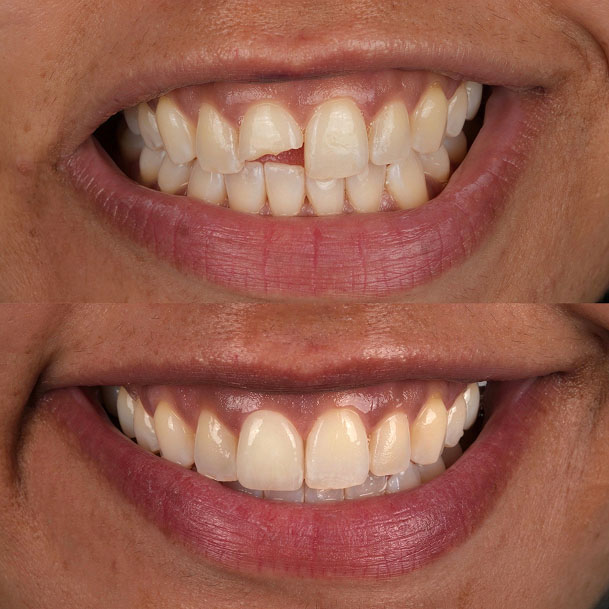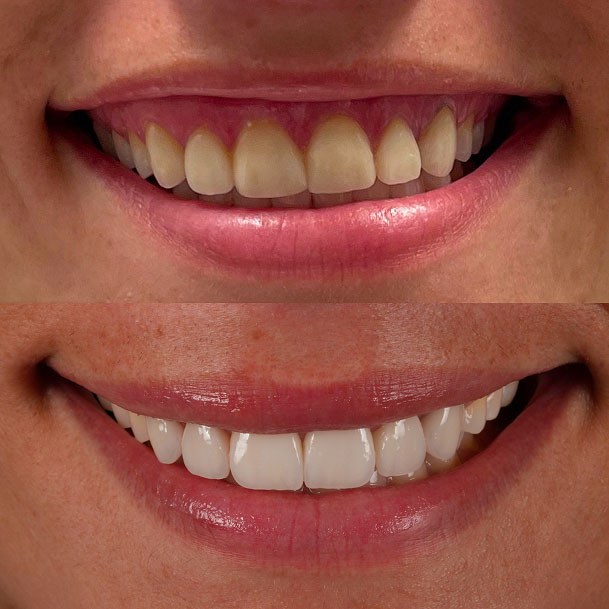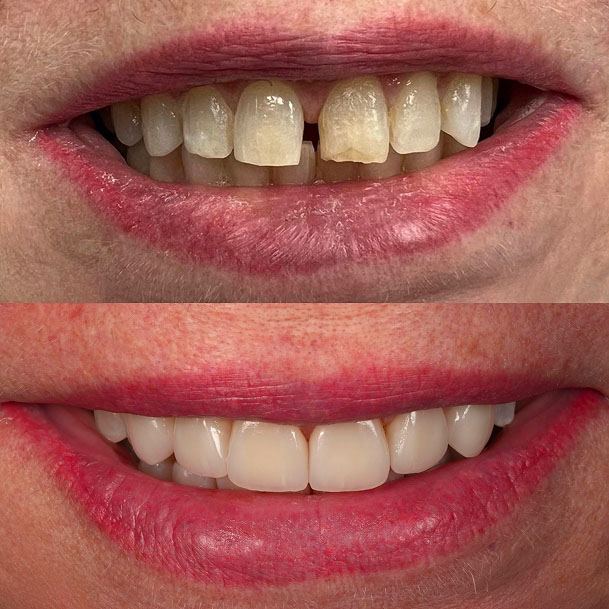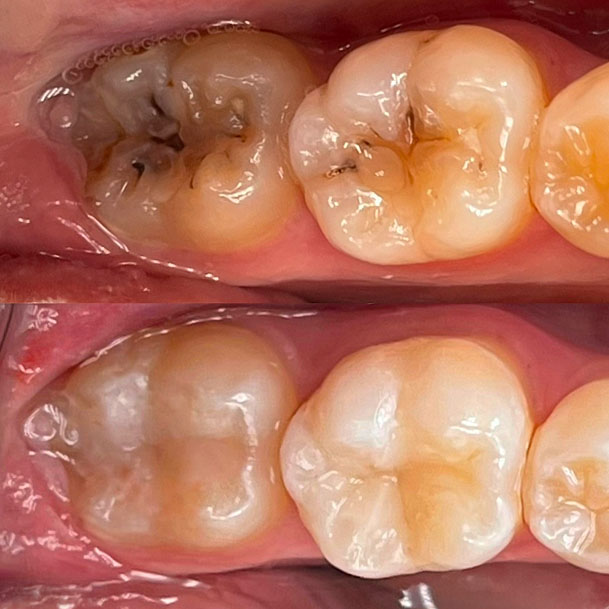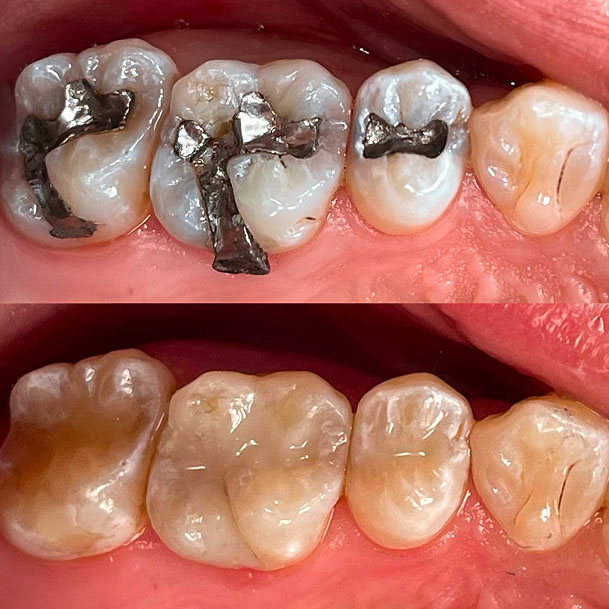
Daily care plays a major role in longevity. Brushing twice a day, flossing daily, avoiding ice and nail biting, and not using your teeth to open packages can protect both the restoration and the tooth underneath. Patients who grind or clench may benefit from a night guard because repeated pressure can increase fracture risk. At Smile Lab in Union Square, we evaluate the material, bite, gums, and supporting teeth together to estimate a realistic lifespan for each case.
Key Takeaways
- Porcelain restorations usually last 10 to 15 years and may remain functional for 20 years or more with proper care, while composite options often last about 5 to 7 years.
- Longevity depends on material quality, bonding, bite forces, oral hygiene, gum health, and habits such as grinding or chewing hard objects.
- Regular brushing and flossing, dental checkups, and protection from excessive force can help preserve both the restoration and the tooth underneath.
- Replacement may be needed if the material chips, loosens, develops visible margins, no longer matches nearby teeth, or if decay affects the supporting tooth.
- Traditional treatment often requires some enamel removal, so planning should balance cosmetic goals with preserving as much natural tooth structure as possible.
How Long Do Veneers Last?
Lifespan depends mainly on the material, bite forces, oral health, and daily care. Porcelain generally lasts longer and resists stains better, while composite is easier to repair but tends to wear and discolor sooner.
How Long Do Veneers Last?
Most dental veneers last about 5 to 15 years, depending on the material, bite, oral health, and daily care. Porcelain usually lasts longer than composite, and well-maintained restorations can sometimes last 20 years or more.
How Long Do Porcelain Veneers Last?
Porcelain restorations typically last 10 to 15 years. Their strength, stain resistance, and stable bonding can support a longer service life when the bite is balanced, and the surrounding teeth and gums stay healthy.
Porcelain also resists discoloration better than composite and can closely match the color and translucency of natural teeth.
How Long Can Temporary Veneers Last?
Temporary veneers usually last about 1 to 3 weeks, depending on the treatment plan and how quickly the permanent restorations are ready. They are designed as a short-term option while a dental lab creates the final set.
Because temporary materials are less durable than porcelain or composite, patients should avoid hard, sticky, or chewy foods and follow their dentist’s care instructions.
How Long Can Veneers Last on Front Teeth?
Front-tooth veneers generally last about as long as the same material placed elsewhere, often 10 to 15 years for porcelain. Their position doesn’t automatically shorten their lifespan, but biting forces and habits such as chewing ice, biting pens, or using your teeth as tools can increase the risk of damage.
The main difference is not the tooth location itself, but how much pressure the restoration receives over time.
What Affects How Long Veneers Last?
The lifespan of dental veneers depends on more than the material itself. The condition of your teeth, bonding quality, bite pattern, gum health, and daily habits all affect long-term performance.
Veneer Material and Bonding Quality
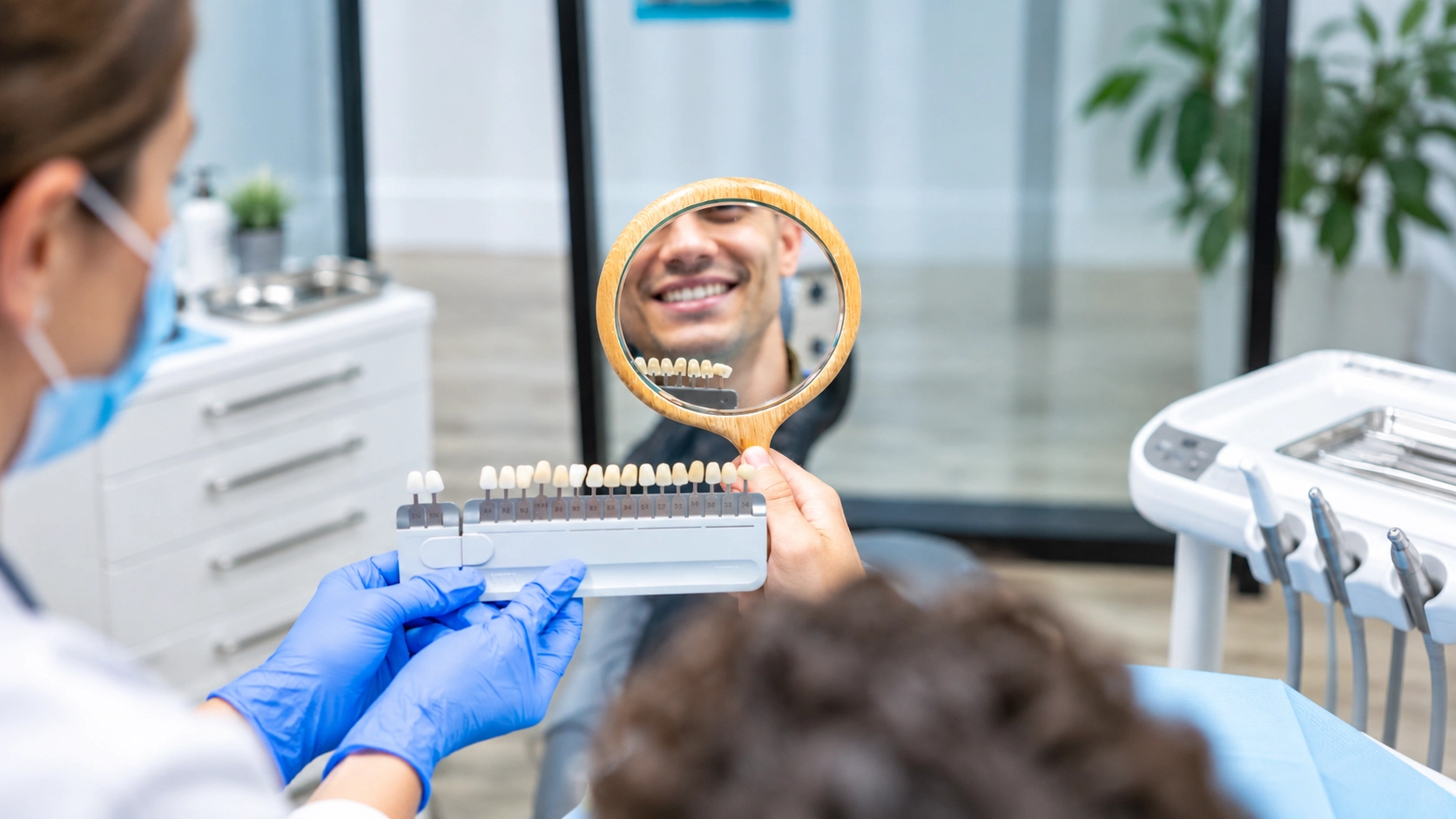
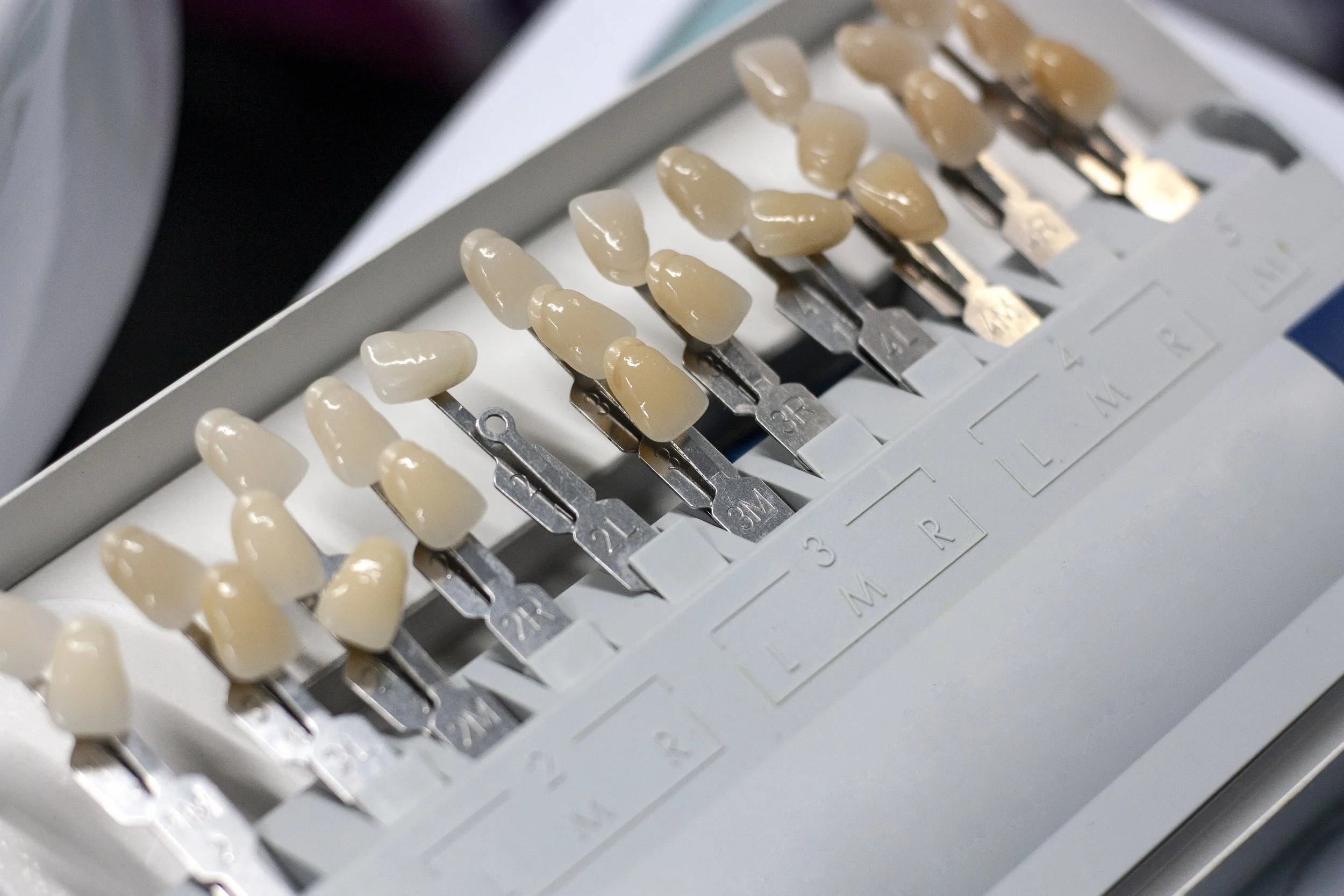
Porcelain is generally stronger and more stain-resistant than composite. A precise fit also matters because the restoration must bond securely while preserving as much healthy tooth structure as possible.
Dr. Waise Ebrahimi’s advanced training at the Kois Center supports Smile Lab’s conservative approach to cosmetic treatment, with planning focused on predictable results and preservation of healthy teeth.
Teeth Grinding and Bite Forces
Clenching and grinding place repeated pressure on restorations. Over time, these forces can contribute to chipping or cracking, especially when the bite concentrates pressure on specific teeth.
A dentist may recommend a night guard when grinding creates a meaningful risk. Patients should also avoid biting hard objects or using front teeth to tear packaging.
Oral Hygiene and Gum Health
Brushing and flossing help protect the gums and underlying teeth, even though the porcelain itself cannot develop decay. Plaque buildup can still cause problems around restoration margins.
Gum recession may expose an edge or create a visible difference between the restoration and the root surface.
What Happens to Veneers Over Time?
A well-maintained restoration does not suddenly expire. Changes usually develop gradually through wear, gum movement, staining around the margins, small fractures, or changes to the supporting natural tooth.
How Do Veneers Look After 10 Years?
After a decade, well-maintained porcelain can still look natural. The material may remain stable while the surrounding teeth and gums change with age.
These changes can make margins more visible or create color differences between restored and untreated teeth. Regular dental exams help identify these concerns before they become larger cosmetic or functional problems.
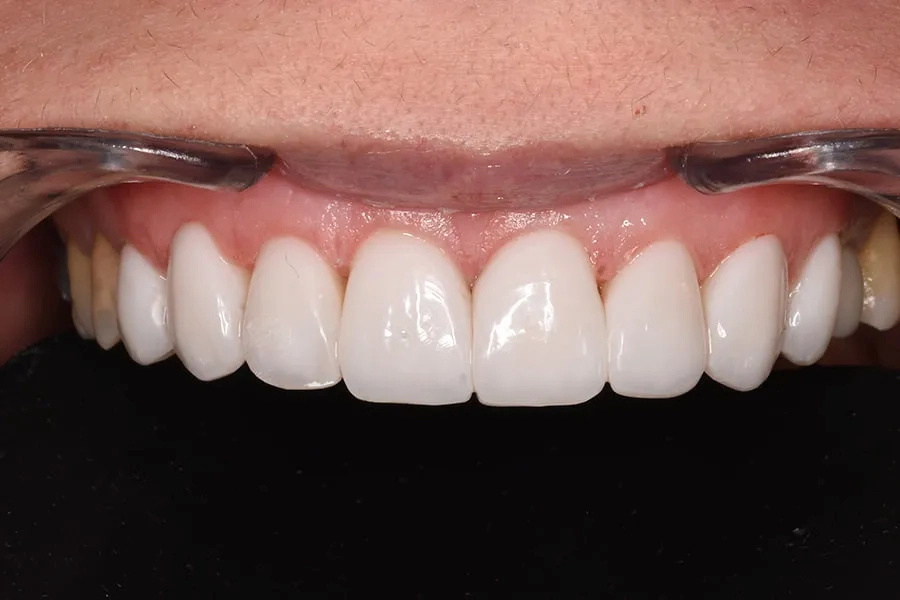
Can Porcelain Veneers Last 30 Years?
Porcelain veneers can occasionally remain functional for 20 to 30 years, but that should not be treated as the expected lifespan. Long-term survival depends on the original preparation, bonding, bite, oral health, and maintenance.
A better approach is to plan for future care rather than assume one set will last a lifetime.
When Do Veneers Need Replacement?
Replacement may become necessary if a restoration fractures, loosens, develops visible margins, no longer matches nearby teeth, or if the supporting tooth develops decay.
A dentist should evaluate changes before assuming replacement is required. Small problems can sometimes be repaired rather than replacing the entire restoration.
How to Make Veneers Last Longer
Daily habits can greatly affect durability. Good home care, protection from excessive force, and routine examinations help preserve both the restoration and the supporting tooth.
Maintain Good Oral Hygiene
Brush twice daily with a soft toothbrush and nonabrasive fluoride toothpaste, and floss between the teeth every day. Following the right routine for cleaning veneers can help protect the restoration, margins, and surrounding gums. Healthy gums help keep margins clean and reduce the risk of decay around the restoration.
Protect Veneers From Excessive Force
Do not chew ice, pens, fingernails, or other hard objects. Cutting firm foods into smaller pieces can also reduce pressure on front teeth.
These habits matter even when restorations feel strong because repeated forces can weaken the bond or ceramic over time.
Keep Up With Dental Checkups
Routine visits allow a dentist to check the bite, margins, gums, and underlying teeth. Early changes are often easier to manage than a fracture or loose restoration that has progressed for months.
For busy Manhattan patients, keeping these visits consistent can help avoid larger disruptions later.
How Long Do Veneers Take to Heal?
Usually, there is no extended healing period after placement. Most patients can return to normal activities the same day, although temporary sensitivity or mild gum irritation may occur after treatment.
Traditional treatment may require removing a small amount of tooth enamel before bonding. No-prep veneers may require less alteration in selected cases, but candidacy depends on tooth position, shape, bite, and cosmetic goals.
What Is the Downside of Veneers?
These restorations can enhance your smile by changing tooth color, shape, spacing, or proportions, but they require a long-term commitment. Before treatment, consider what veneers cost, how much preparation is needed, and how often you may need replacements. If you are comparing restorative and cosmetic options, understanding the differences between dental implants vs veneers can also help clarify which treatment addresses your specific dental needs.
Tooth Preparation May Be Irreversible
Traditional placement usually requires removing some enamel to create space and establish a stable bond. Understanding teeth shaving for veneers can help you see how much enamel may be removed and why the amount varies by case.
That is why treatment planning should balance cosmetic goals with preserving healthy tooth structure, rather than removing more enamel than necessary.
Veneers Can Chip, Stain, or Wear
Porcelain is durable but not indestructible. Composite can also wear, stain, or fracture sooner, especially under heavy bite forces.
If you are deciding whether this treatment fits your goals, Smile Lab in Union Square can assess your teeth, bite, gums, and cosmetic priorities before recommending care. A consultation can clarify expected durability, maintenance needs, alternatives, and whether this approach makes sense for you.