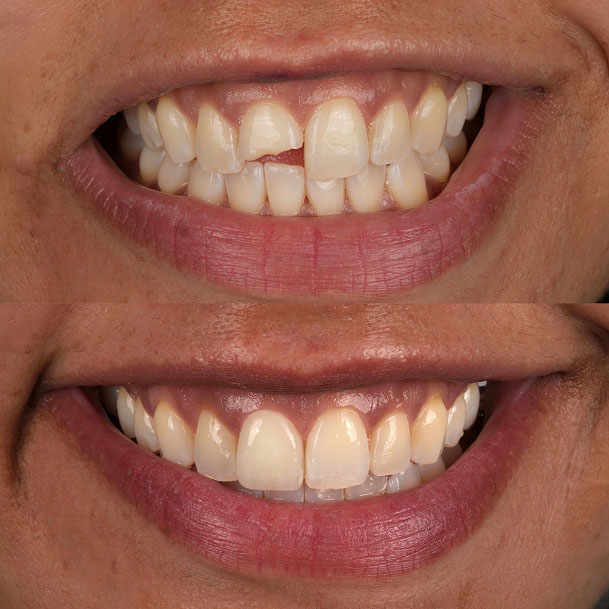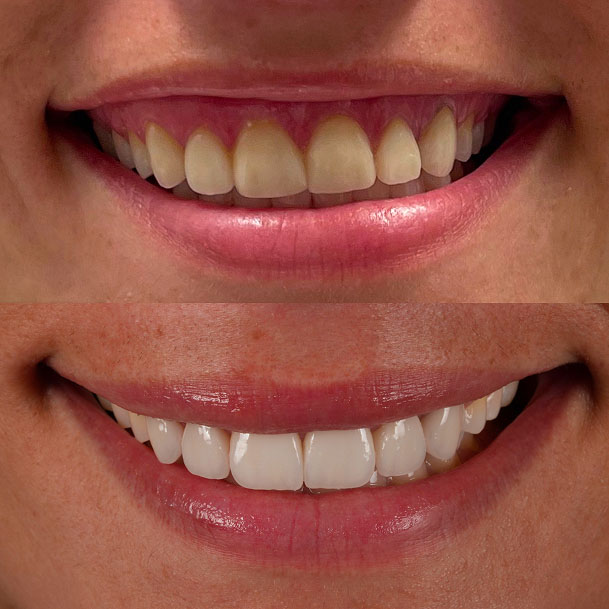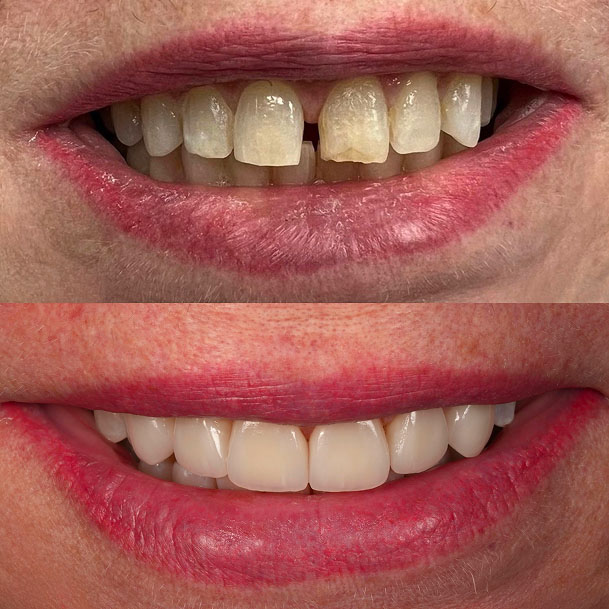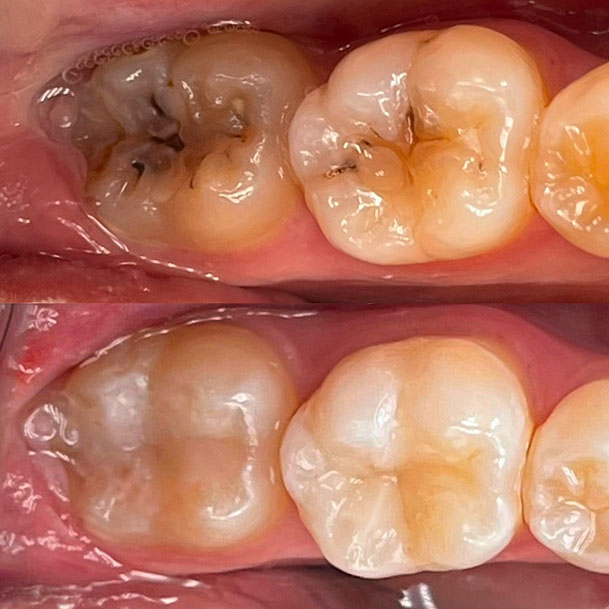
Several factors affect longevity, including oral hygiene, gum disease, smoking, teeth grinding, bone density, and medical conditions such as uncontrolled diabetes. Poor oral hygiene can cause peri-implantitis, while smoking reduces blood flow and may interfere with healing.
Brushing, flossing, and regular dental visits, often every six months or as recommended, help protect the implant and identify problems early. At Smile Lab in Union Square, Manhattan, patients can receive a personalized evaluation of their gum health, bone support, and bite to understand what to expect from their restoration over time.
Key Takeaways
- Dental implants can last 25 years or longer, and with proper care, some remain functional for a lifetime. Research shows approximately 90–95% implant survival after 10 years.
- The titanium implant post can last decades, while the dental crown typically lasts 10–15 years before it may need replacement.
- Gum disease, smoking, teeth grinding, poor oral hygiene, and certain medical conditions can shorten implant longevity by affecting healing and bone support.
- Brushing twice daily, cleaning around the implant, and attending regular dental checkups help prevent complications and protect long-term function.
- Dental implants can be a suitable tooth replacement option at both 25 and 70 years old. Long-term success depends more on oral health, bone support, and maintenance than age alone.
How Long Do Implants Last? Often Decades
With proper care, the titanium post can remain stable for decades, and some last a lifetime. A 2019 systematic review reported a 96.4% 10-year survival estimate, though an analysis accounting for patients lost to follow-up lowered it to 93.2%.
These figures reflect implants that remain in place, not necessarily those free from complications. Clinical success also depends on healthy surrounding tissue, stable bone support, and normal function.
More recent research supports the long-term durability of dental implants. A 2026 systematic review reported a 93% implant survival rate after 20 years. Another 2026 review, covering studies with 10–25 years of follow-up, found survival rates of approximately 95%. These findings suggest that many implants can remain in place for decades, although survival does not mean patients experience no complications.
The estimates differ because the studies included different patient populations, research methods, and follow-up periods. Long-term results also depend on gum health, bone support, and ongoing dental care.
Average Dental Implant Lifespan: Posts vs. Crowns
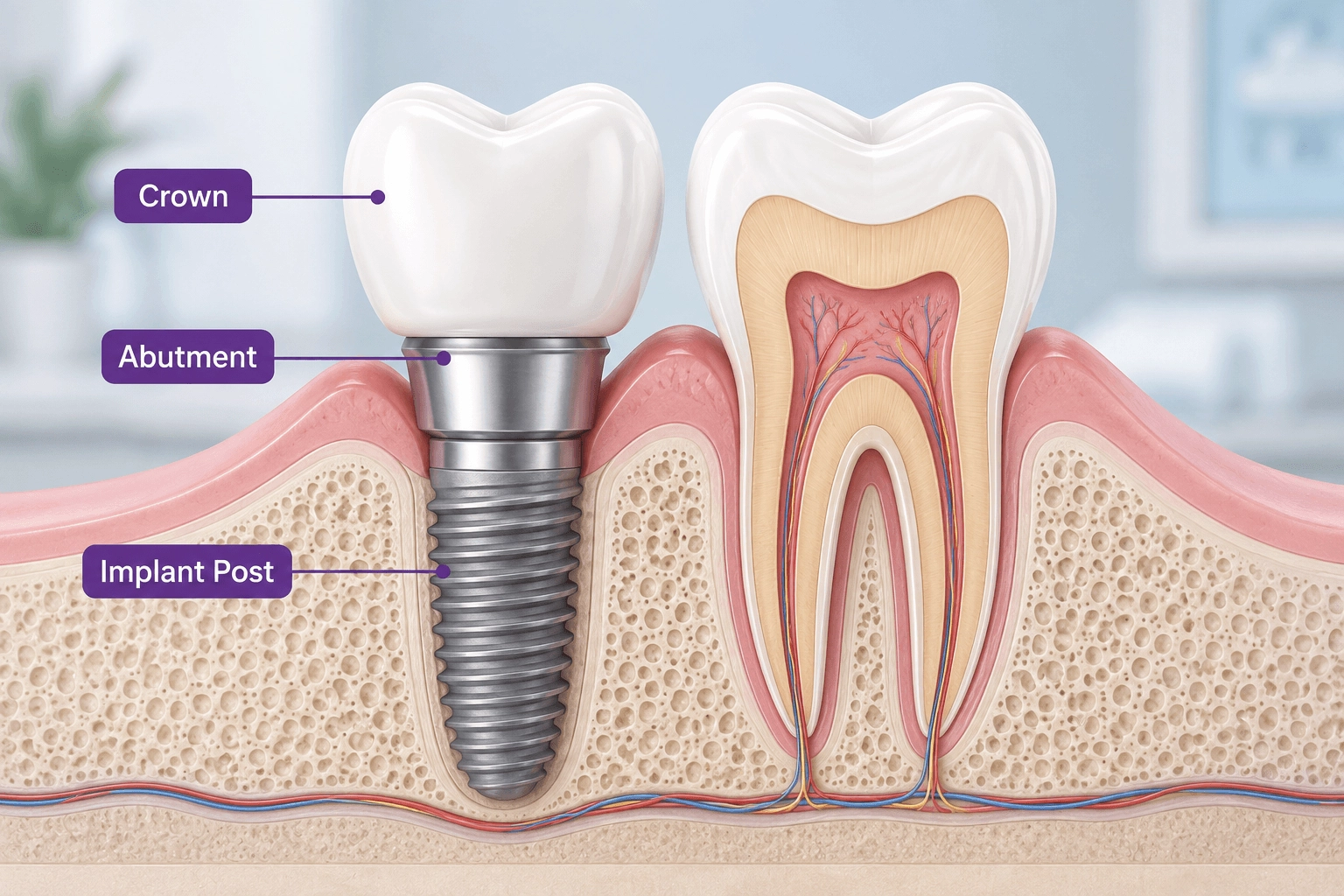
A dental implant replaces a missing tooth with an artificial tooth root placed in the jaw. Over several months, the bone bonds to its surface through a process called osseointegration, creating a stable foundation. The tooth implant timeline also includes planning, placement, and restoration, so treatment length varies. The crown is attached to the implant through a connector called an abutment.
The implant post may last decades, while the crown often lasts around 10–15 years, although some need replacement sooner. Crown longevity depends on the material, biting forces, teeth grinding, and daily care. This distinction matters because replacing a crown does not automatically mean removing the underlying implant.
| Component | Longevity |
|---|---|
| Implant post | Often decades, potentially a lifetime |
| Abutment | Can last many years; replacement depends on complications |
| Implant crown | Often around 10–15 years, with variation |
| Mini implant | Long-term evidence is less established |
Mini Dental Implants: Lifespan and Limitations
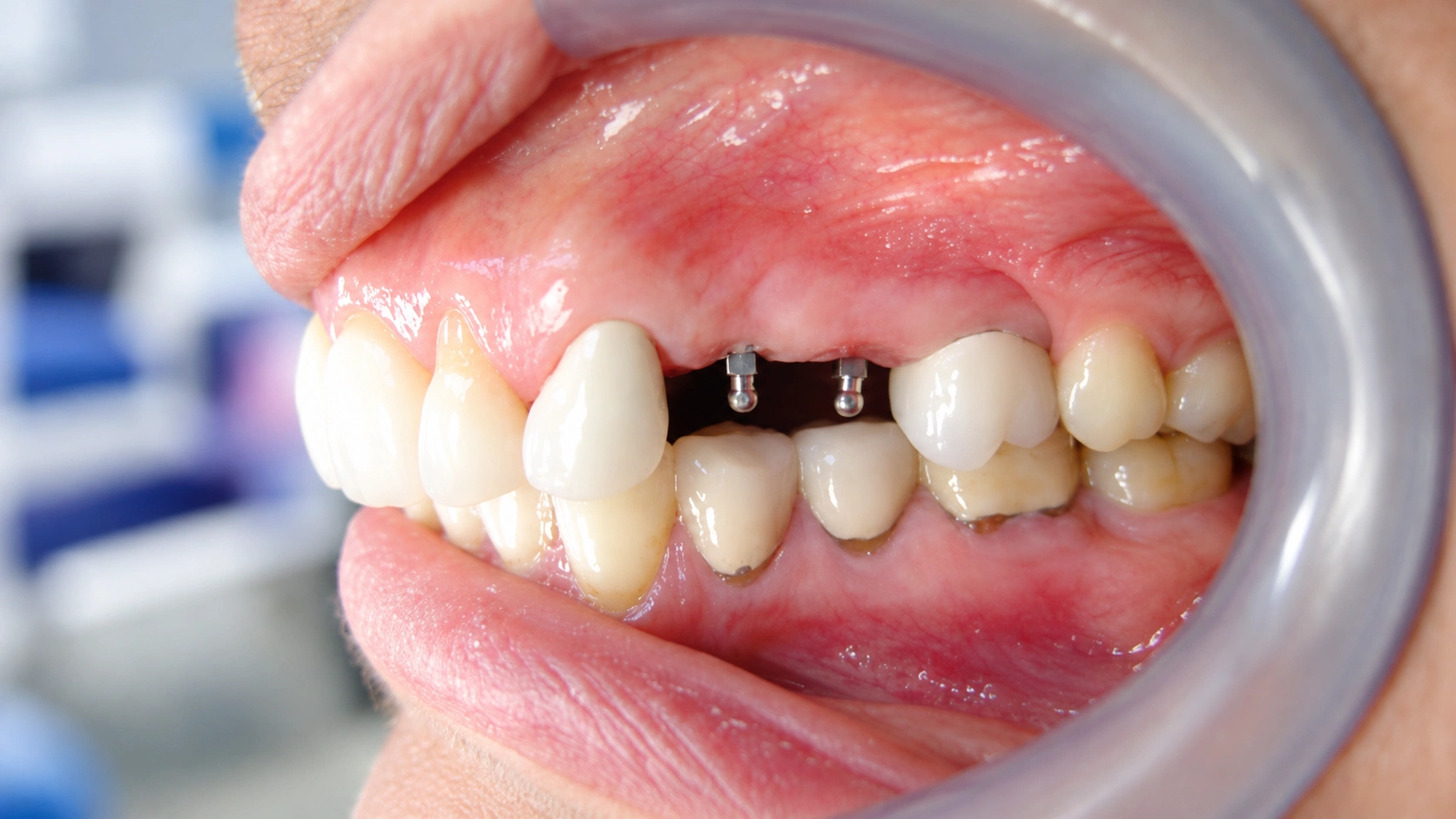
Mini implants have a narrower diameter than standard posts and are often used to stabilize removable dentures. They can work well in selected situations, but evidence covering several decades remains limited compared with conventional designs. Their durability depends on placement, chewing forces, and bone quality.
Dental Implants After 20 and 50 Years
An implant that remains healthy after 20 years does not automatically need replacement. Your dentist checks the surrounding gums, bone levels, bite, and restoration to decide whether anything needs attention.
Can dental implants last 50 years? An implant can remain functional for an exceptionally long time, but research cannot guarantee that outcome. Long-term follow-up is still necessary, even when everything feels comfortable.
What Affects Dental Implant Life Expectancy?
Long-term results depend on more than the day of surgery. Bone support, oral health, medical history, and chewing pressure all influence durability. A strong foundation helps your replacement withstand years of normal use.
Gum Disease, Bone Loss, and Smoking
Poor oral hygiene lets plaque build up and irritate the gums around the post. These peri-implant problems can progress to peri-implantitis, an inflammatory condition that damages supporting bone. Smoking also reduces blood flow to oral tissues and can interfere with healing. Your recovery time after a dental implant also depends on your overall health and whether you need additional procedures.
Healthy gums and adequate bone health support long-term stability. Regular exams help dentists spot inflammation before it causes significant damage. Problems can progress quietly, even when your restoration feels normal.
Teeth Grinding and Medical Conditions
If you grind your teeth at night, repeated pressure may chip the crown, loosen components, or strain the restoration. A custom night guard may help protect your teeth and restorations when your dentist recommends one.
Medical conditions can also affect treatment outcomes. For example, poorly controlled diabetes may interfere with healing and increase the risk of gum inflammation. Your dentist should review your health history before recommending treatment.
How to Make Dental Implants Last Longer
Protecting your investment does not require an elaborate routine. Brush twice daily with a soft toothbrush, clean between your teeth and around the restoration every day, and attend regular dental checkups. These appointments let your dentist spot inflammation, bite changes, and wear before they become more serious.
Avoid chewing ice or using your teeth to open packaging. If you clench your jaw, ask whether a night guard would help. Consistent maintenance also protects your natural teeth and supports a comfortable, balanced bite.
When Do Dental Implants Need Replacement?
An implant may need treatment if an infection develops, the supporting bone deteriorates, or a component breaks. Sometimes only the crown or connector needs repair, and the post can remain in place. Treatment depends on which part is affected.
Warning Signs of Implant Failure
Contact your dentist if you notice any of these changes:
- Bleeding, swelling, or redness around the gums
- Persistent tenderness or discomfort when chewing
- A loose crown or movement in the implant
- A recurring bad taste or discharge near the restoration
Not every symptom means the implant has failed. Some problems involve a loose component or treatable inflammation. Early evaluation gives your dentist more options to address the cause. Understanding tooth implant side effects can also help you distinguish normal early healing from symptoms that need attention.
Can a Failing Implant Be Saved?
Sometimes, if the implant remains stable and you can treat the underlying problem, you can save it. Depending on the cause, dental implant repair may include professional cleaning, treating inflammation, adjusting the bite, or replacing a damaged component to preserve the restoration. Advanced bone loss or a mobile implant may require removal and a different treatment plan.
Dr. Waise Ebrahimi, who is certified in implant placement, approaches long-term treatment planning with attention to gum health, bone support, and preserving existing teeth when possible. A clinical examination helps distinguish a repairable issue from one that requires replacement. The goal is to protect healthy structures whenever treatment allows.
Are Dental Implants Worth It at Any Age?
Age alone rarely determines whether this is the right tooth replacement option. Your oral health, personal goals, budget, and ability to maintain the restoration matter more. Two people of the same age may benefit from different solutions. Reading dental implant reviews can help you understand patient experiences, but a dentist needs to examine you to assess your options.
Dental Implants at 25 Years Old
At 25, you may want a durable replacement that feels secure when you eat and speak. A dentist should first assess your jaw development, oral health, and available treatment options.
Compared with bridges or dentures, an implant may avoid reshaping healthy neighboring teeth. Still, younger patients should expect possible crown replacements and lifelong maintenance.
Are Dental Implants Worth It at 70?
Yes, they can be, if your health, bone support, and ability to maintain the restoration make treatment practical. Research shows older adults can achieve strong outcomes, and age alone isn’t a reason to rule out treatment. Your decision should reflect your comfort, medical history, and the everyday benefits you expect.
At Smile Lab in Union Square, coordinated specialists can evaluate your gums, bone, and bite before recommending a treatment plan. If you are weighing long-term value or unsure about your options, schedule a consultation to discuss what makes the most sense for you. You can ask about maintenance, future repairs, and whether another approach might better fit your needs.