If the metal post breaks or loosens in the bone, you may need to remove and replace it. Avoid household glue and DIY repair kits, as they can cause more damage. Seek prompt care for severe pain, fever, heavy bleeding, or a loose post, and emergency care if swelling makes it hard to breathe or swallow. At Smile Lab, an exam can help identify the problem and determine the right treatment for you.
Key Takeaways
- You can often fix loose screws, broken crowns, and damaged connectors without replacing the metal post.
- Pain, swelling, bleeding gums, or a loose crown may signal a problem that needs dental care.
- Severe bone loss, infection, or a broken post may require surgery or full replacement.
- Costs and healing times depend on the type of damage and the treatment needed.
- Daily brushing, regular checkups, and early care help prevent future problems.
Can a Dental Implant Be Repaired?
Yes, a dentist can often fix a damaged implant without removing the post from your jaw. The treatment depends on which part is broken and whether the bone is healthy.
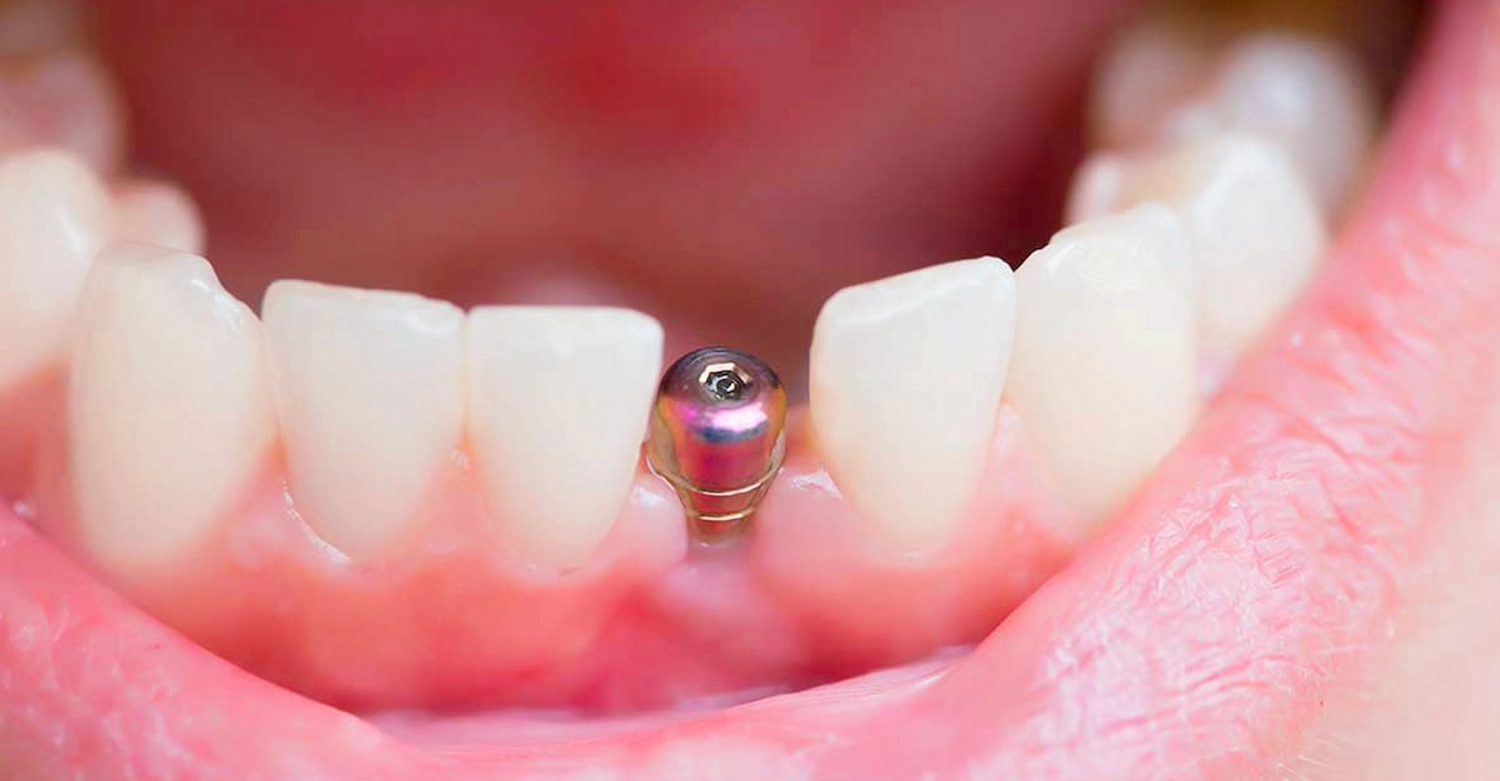
The three parts of a dental implant are a metal post, a connector called an abutment, and a crown that acts as an artificial tooth. The post anchors to the jawbone and supports your bite, much like natural teeth. Learn more about how dental implants work and their safety.
A loose screw or broken crown may be easy to fix. Severe bone loss or a broken post may require dental implant replacement.
Signs and Causes of Dental Implant Problems
Common warning signs include:
- Loose or moving crown
- Pain when biting or chewing
- Red, swollen, or bleeding gums
- Bad taste or discharge near the gums
- Trouble biting normally
- Changes in the gum tissue
These problems may come from loose screws, teeth grinding, gum disease, or bone loss. A moving crown does not always mean the metal post is loose. A dentist can check the area and identify the cause before it causes more damage.
Can a Dental Implant Fail After 2 Years?
Yes, dental implant failure can happen even years after treatment. Common causes include gum infection, bone loss, and too much pressure from biting or grinding.
A tooth that felt strong for years may start to move or hurt. Early care can help prevent more damage and may save the existing post.
How to Fix Dental Implants
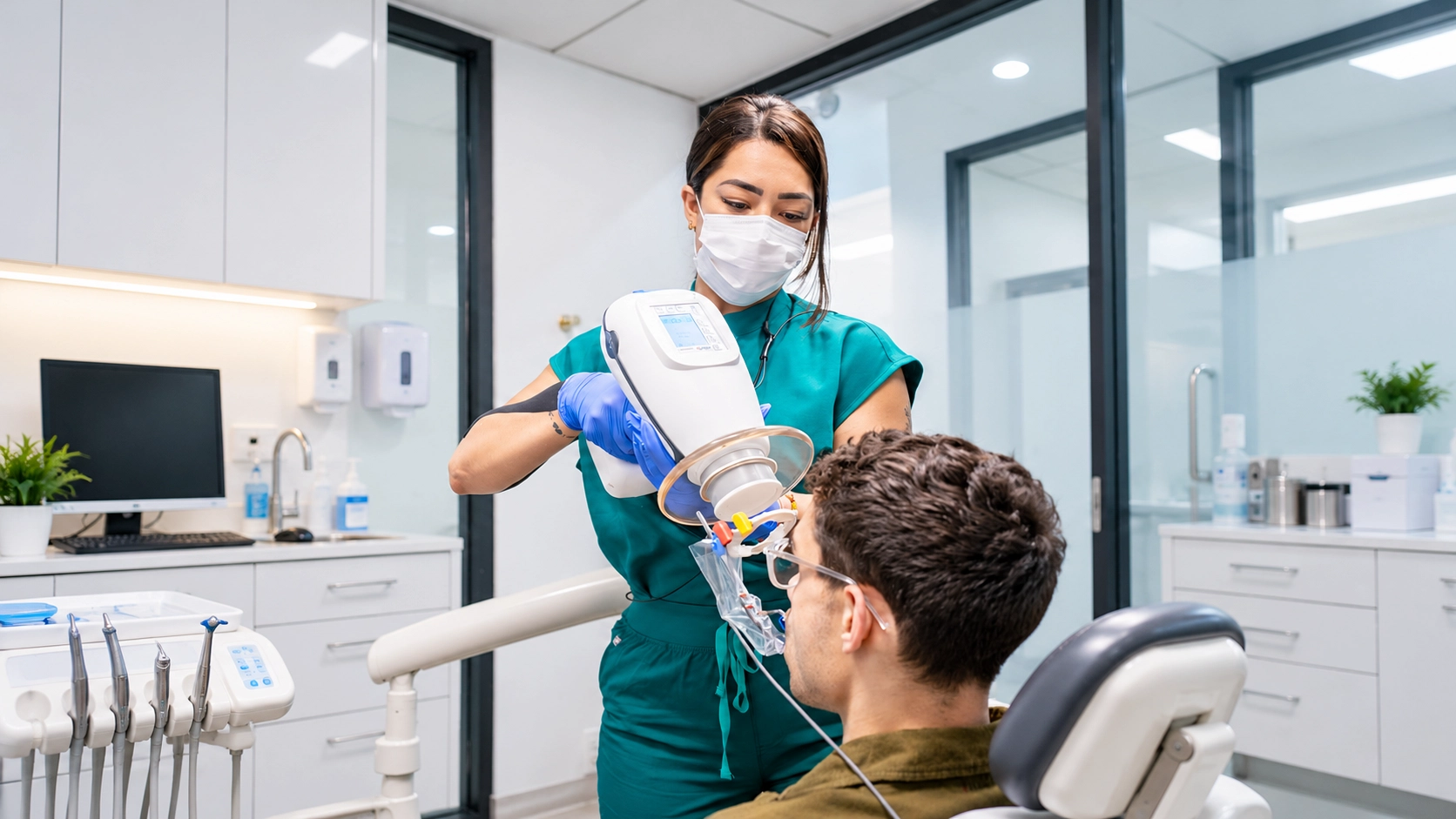
The best way to fix the problem depends on which part is damaged and the health of your gums and bone. Your dentist will check the area, test your bite, and take X-rays when needed.
Treatment options may include tightening a screw, replacing a crown, treating an infection, or performing surgery.
Repairing Loose or Broken Implant Components
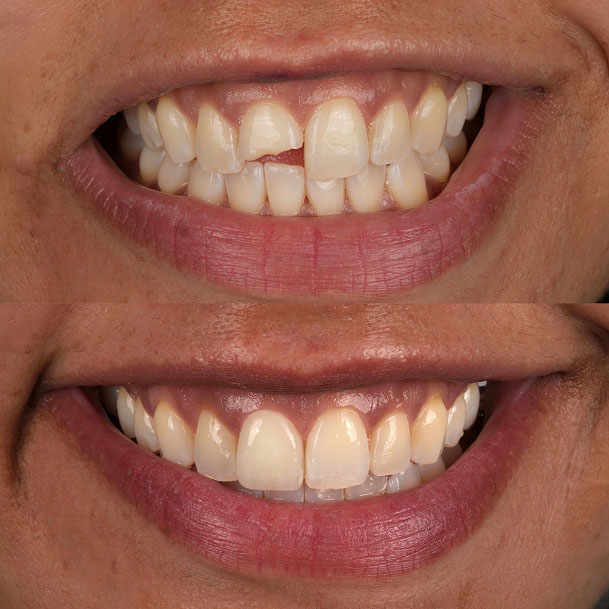
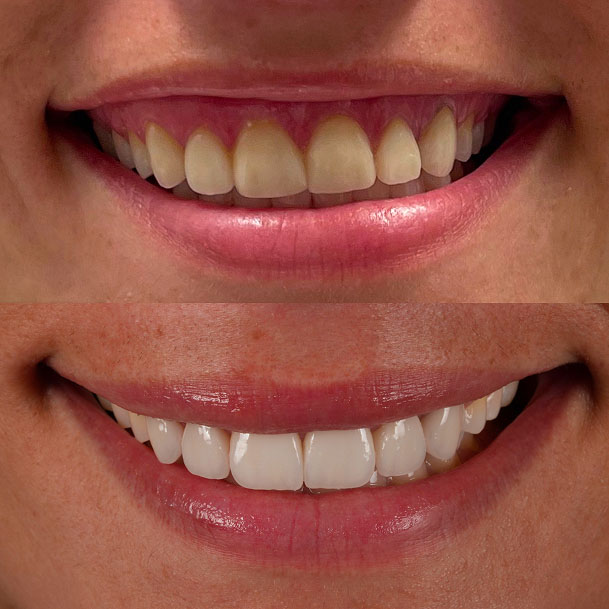
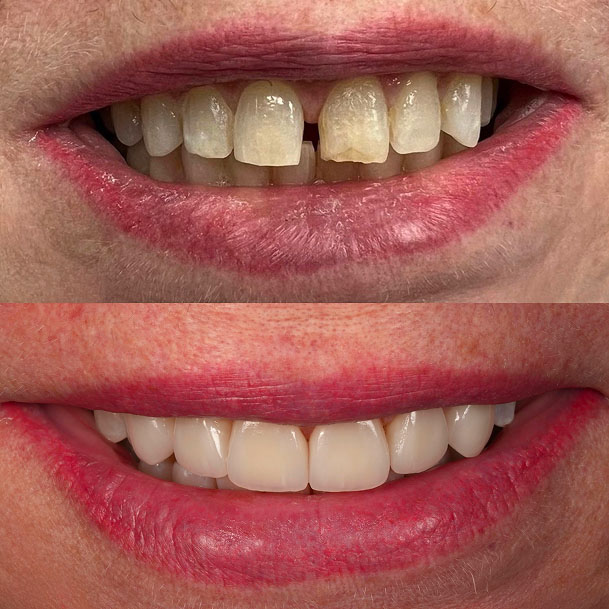
A loose crown or connector may only need a small adjustment. Your dentist can tighten or replace a screw, secure a loose crown, or make a new one.
If the crown has a large crack, replacing it may be better than fixing it. The metal post can often stay in place if it is still firmly attached to the bone.
Treating Peri-Implantitis and Bone Loss
Peri-implantitis is gum disease around an implant that causes bone loss. Signs include swollen gums, bleeding, pain, and changes in the gum line.
Early gum inflammation without bone loss may improve with professional cleaning and better home care. When bone loss has started, treatment may involve deep cleaning or surgery to remove harmful bacteria from the affected area.
The American Academy of Periodontology explains how early care can help protect the gums and bone.
When Is Dental Implant Repair Surgery Necessary?
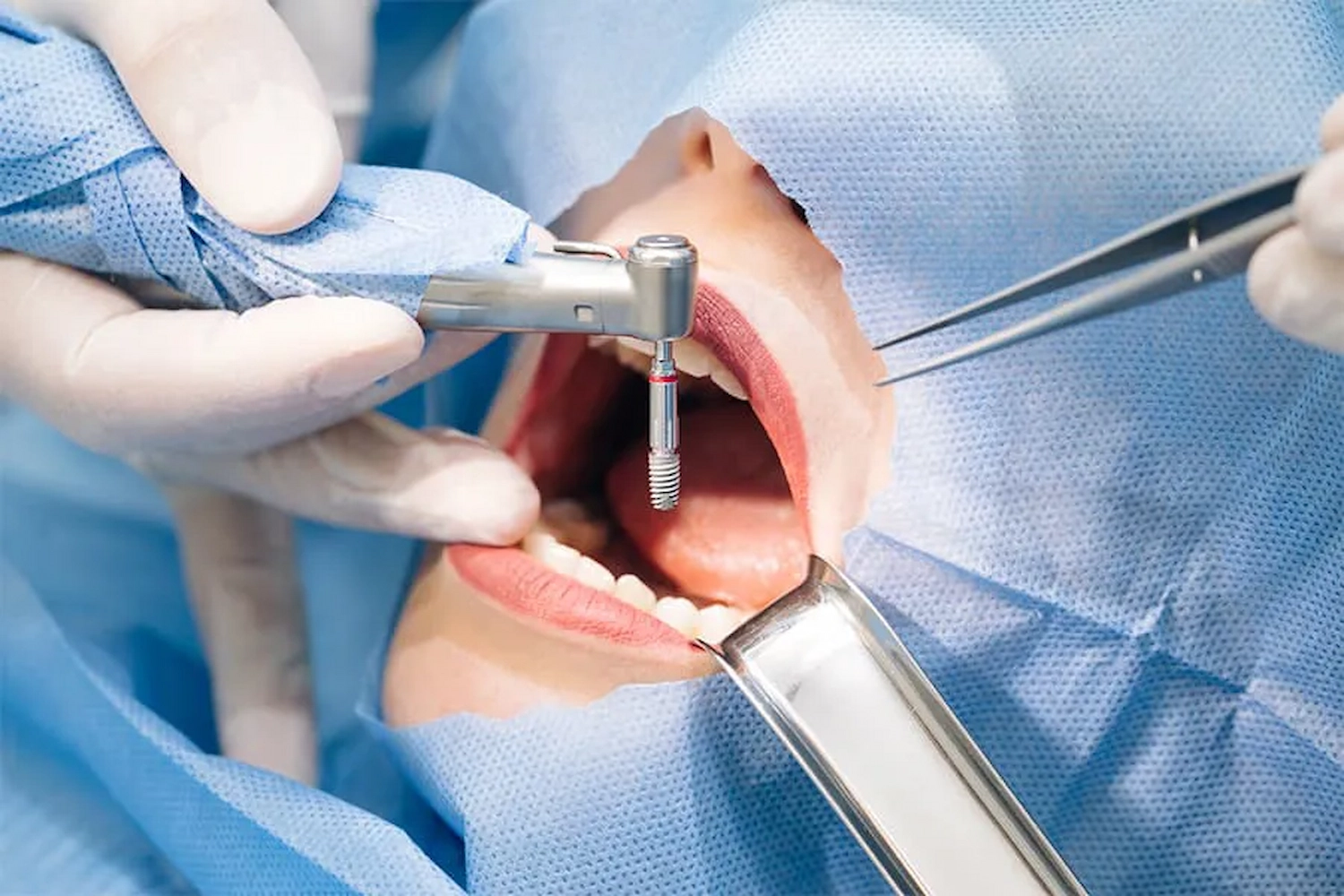
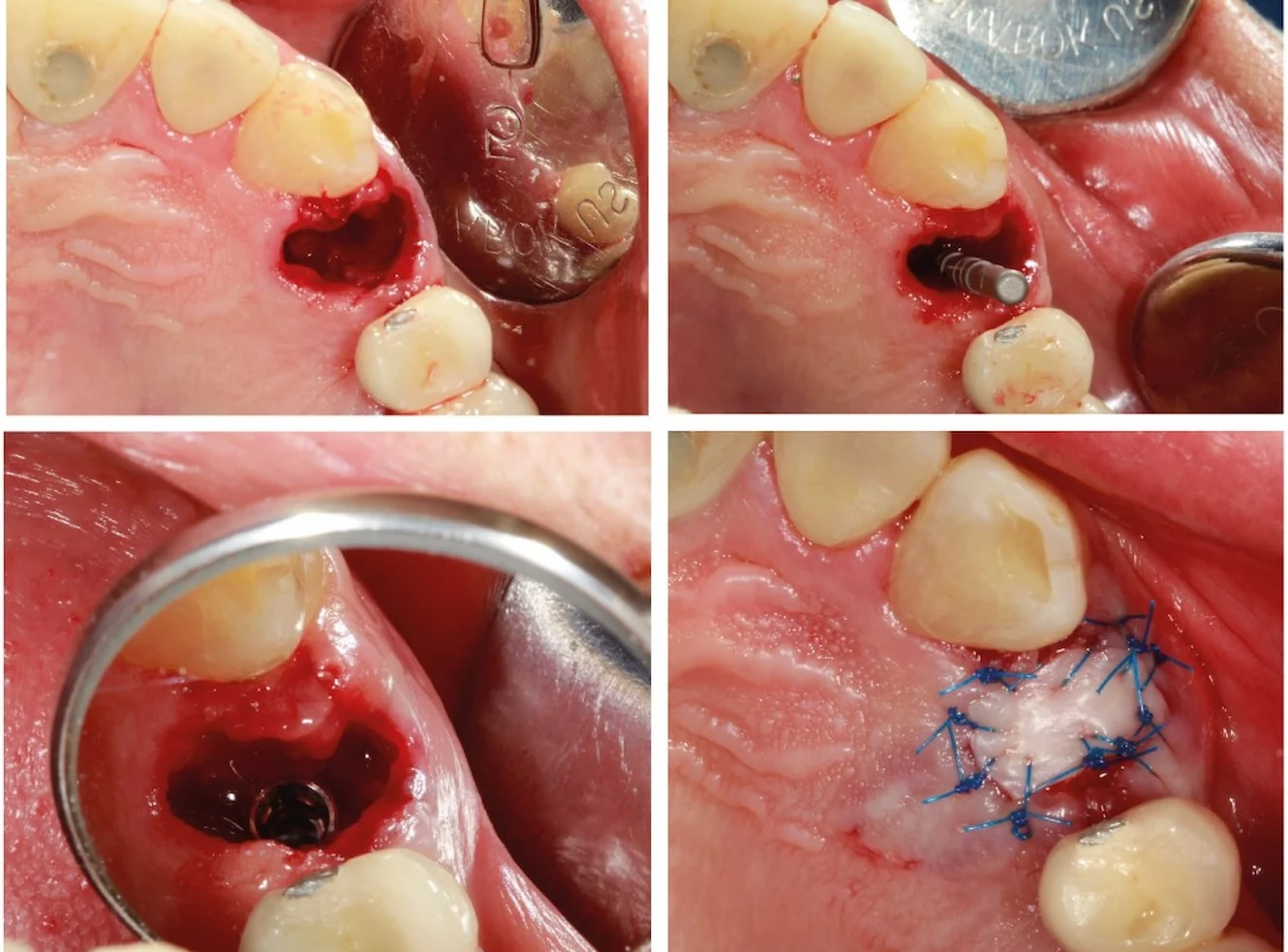
Dental implant surgery may be needed when severe infection, bone loss, or a broken post makes the implant unstable.
A failed implant that moves inside the jaw usually needs removal. If too much bone is lost, a bone graft may help rebuild the area before placing a new post.
Your dentist will check the bone, gums, and healing needs before planning another implant placement. If a new post is needed, learn what to expect during your dental implant procedure. Not every problem requires surgery.
Is Dental Implant Repair Glue Safe?
No. Never use household glue or store-bought adhesives to fix a loose crown or connector.
These products can harm dental materials, trap bacteria, and make professional care harder. Use temporary dental cement only if your dentist recommends it.
If your crown falls off, keep it in a clean container and avoid chewing on that side. Contact your dentist instead of trying to fix it yourself.
When to See a Dental Implant Repair Specialist
See a dentist if your crown feels loose, your gums are swollen, or the pain won’t go away. Severe swelling, fever, or a loose post needs prompt care. If you have trouble breathing or swallowing, seek emergency treatment.
Your dentist may use X-rays to check the bone and locate the damage. In complex cases, an oral surgeon or gum specialist may be needed.
At Smile Lab in Union Square, Dr. Waise Ebrahimi’s implant-placement training helps guide care for damaged restorations. The goal is to create a clear treatment plan that protects healthy teeth, gums, and bone whenever possible.
Dental Implant Repair Cost
At Smile Lab, a new implant costs $5,950. This includes $2,650 for the metal post and $3,300 for the crown and connector. A separate crown costs $1,950. Repair costs vary based on the damage, so your dentist will check the area and give you a price.
Recovery and Long-Term Implant Care
Recovery depends on the procedure type and the condition of the surrounding tissue. Tightening a screw or adjusting a crown usually requires little to no downtime, while surgical treatment may cause soreness and swelling for several days.
Gum tissue often heals within 1–2 weeks, but bone grafting or replacing a failed implant may take several months to heal. The dental implant recovery timeline explains what to expect during each stage of healing.
Your dentist will provide recovery instructions based on your treatment. These may include eating soft foods, avoiding pressure on the treated area, and maintaining proper oral hygiene.
How Long Does Dental Implant Repair Take?
Minor repairs, such as tightening a loose screw or adjusting a crown, often take 30–60 minutes in one visit. Replacing a damaged crown may require two appointments over 1–3 weeks.
If surgery or bone grafting is needed, the full treatment process may take 3–6 months or longer, depending on bone health and healing. The timeline for getting a tooth implant explains the steps involved when a new post is required.
What Are the Signs of Healthy Implant Healing?
Healthy recovery typically involves a gradual reduction in pain, swelling, and gum inflammation. The surrounding tissue should return to its normal appearance, and the restored tooth should remain stable when chewing.
Persistent bleeding, increasing discomfort, or movement may indicate complications that require professional evaluation. Treatment success depends on the severity of the damage, bone support, and overall oral health.
Preventing Future Dental Implant Problems
Good oral hygiene and regular dental checkups are essential for long-term success. Brush twice daily, clean around the restoration with appropriate dental tools, and avoid chewing extremely hard foods or objects.
If you grind your teeth, a custom nightguard can help reduce excess pressure on the restored tooth. Routine exams also let your dentist spot loose components, gum inflammation, or early bone loss before these problems become more serious.
You do not need to wait until discomfort affects your daily routine. If your restored tooth feels loose, painful, or different when you bite, schedule a consultation to identify the cause and discuss treatment options.