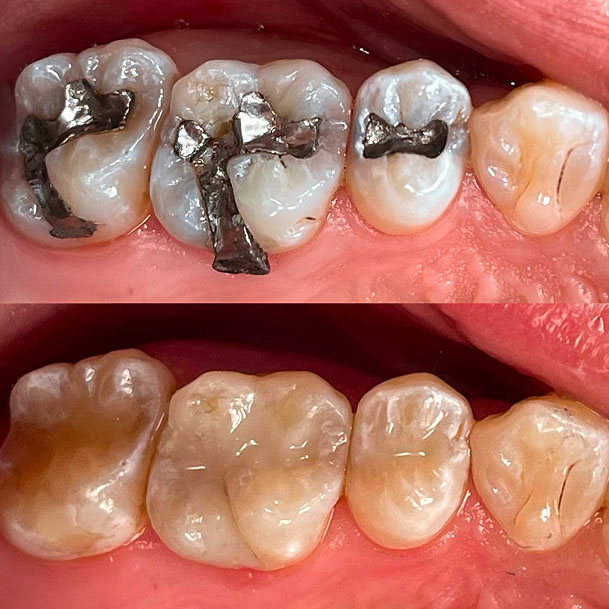
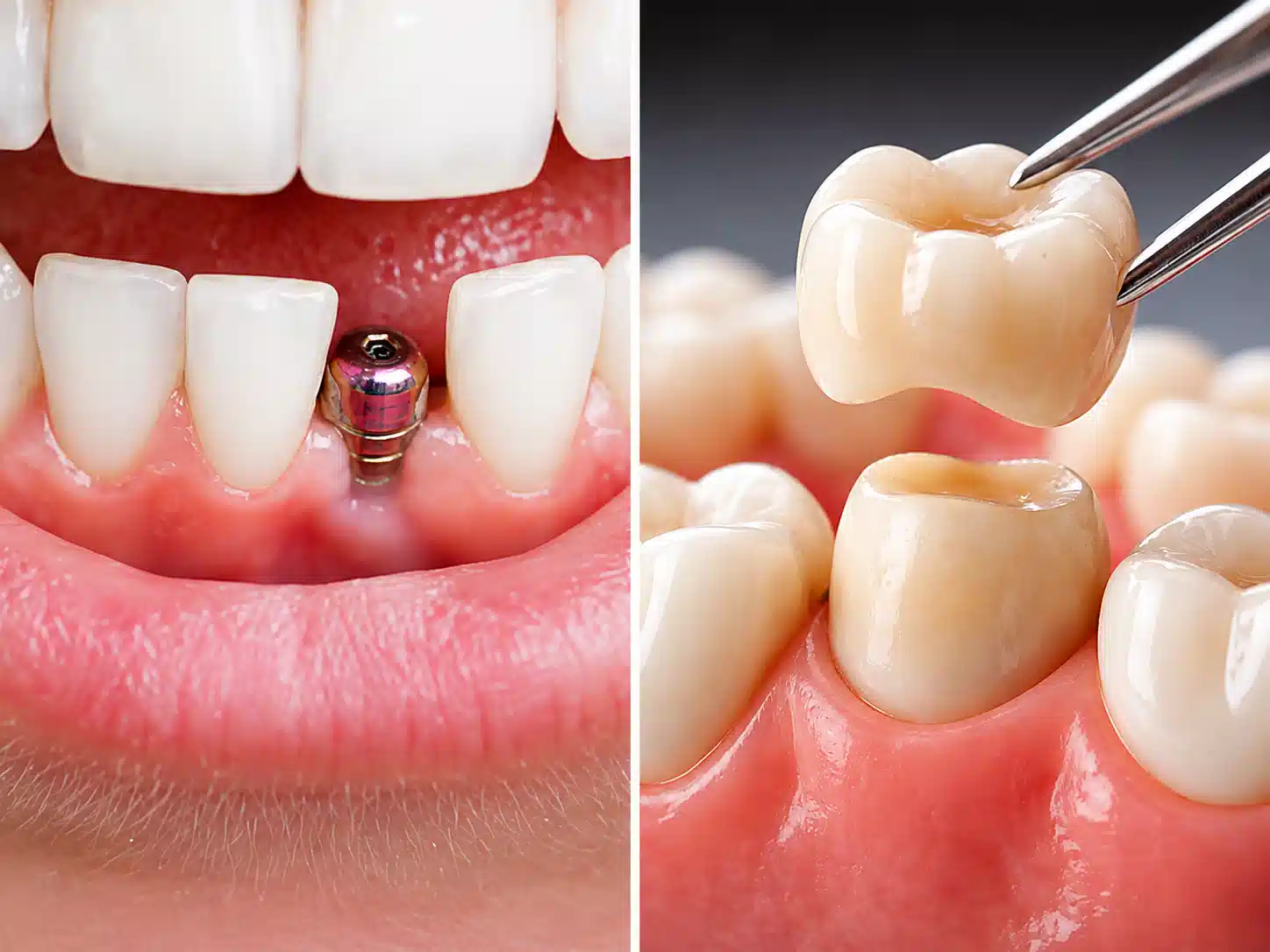
Crowns often last about 10 to 15 years with proper care, while implants can last for decades, though the restoration attached to them may eventually need replacement.
The better option depends on whether the natural tooth can still be saved, the condition of the root and surrounding bone, your bite, and your long-term goals. Replacing a missing tooth with an implant can help preserve bone after tooth loss, but it usually takes longer to heal and requires a higher initial investment.
At Smile Lab in Union Square, we evaluate these factors together so you can understand whether preserving the tooth or replacing it offers a more predictable result.
Key Takeaways
- A crown protects an existing tooth when the root and enough healthy tooth structure remain.
- A dental implant replaces a missing or non-restorable tooth from the root up and requires surgery plus a healing period.
- Crowns usually cost less upfront and take less time, while implant treatment often costs more initially and requires several months of care.
- The right option depends on the condition of the tooth, root, bone, gums, and bite, as well as whether the natural tooth can be predictably preserved.
- Both treatments can last many years with proper care, although the visible restorations may eventually need repair or replacement.
Dental Implant vs Crown: Which Is Better?
Neither treatment is automatically better. Preserving a damaged tooth is usually preferred when enough healthy structure remains, while replacement becomes more appropriate when the tooth is missing or cannot be reliably saved.
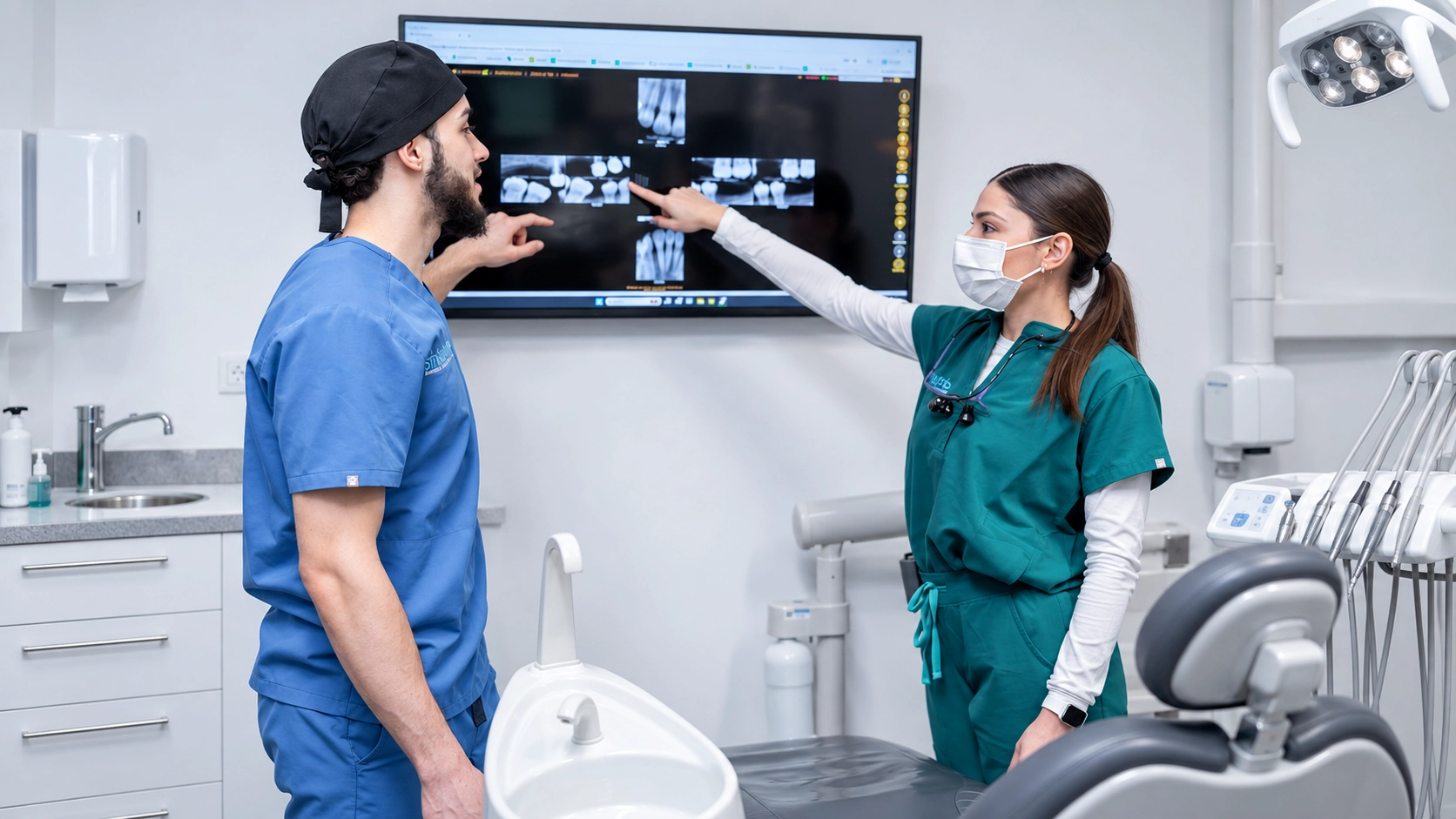
Dentists recommend treatment after evaluating the root, bone, gums, bite, and overall dental care needs. When possible, keeping natural teeth is often the preferred approach because it preserves existing anatomy and avoids unnecessary surgery.
Difference Between Dental Implants and Crowns
The main difference between dental implants and crowns is what each treatment replaces. One covers and protects an existing damaged tooth, while the other replaces the entire tooth from below the gumline upward.
Natural Tooth vs Tooth Replacement
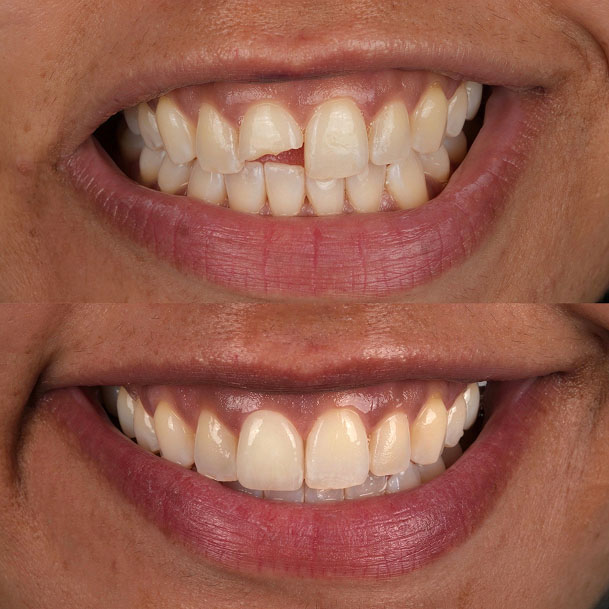
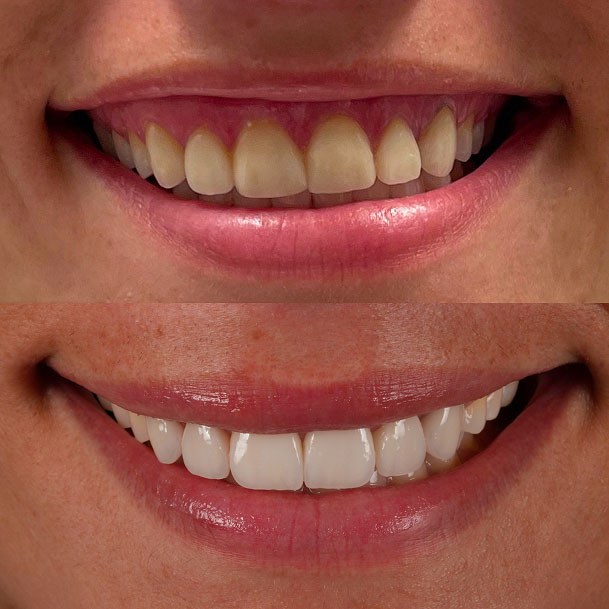
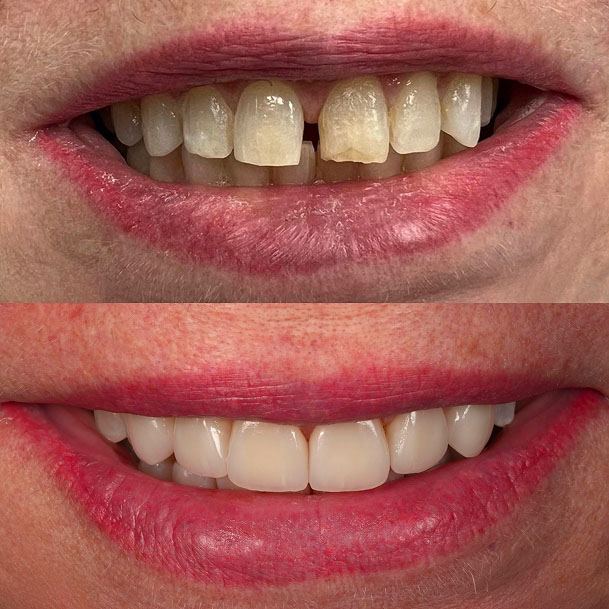
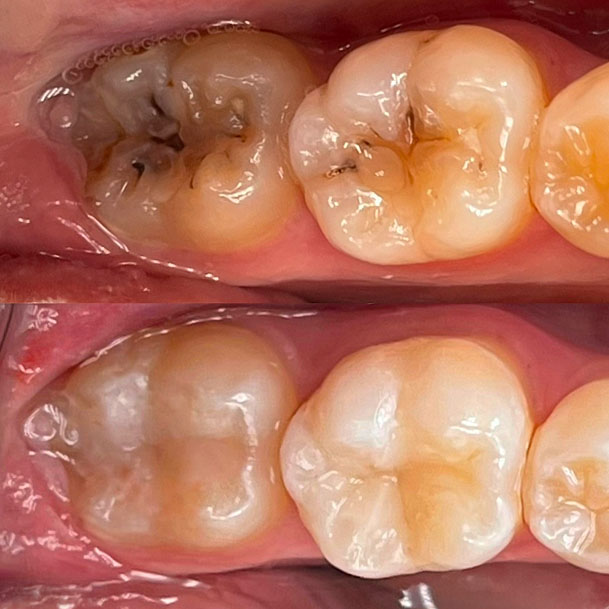
A cap depends on a remaining tooth for support. It may be recommended after significant decay, fracture, or a root canal when enough healthy structure remains.
Dental implants act as artificial tooth roots placed in the jawbone. The fixture, often described as a titanium post, supports an abutment and replacement tooth once it heals.
Procedure, Recovery, and Treatment Time
Restoring a damaged tooth usually involves shaping it, taking a scan or impression, and placing the final restoration. Materials may include ceramic, zirconia, or porcelain fused to metal depending on the clinical situation.
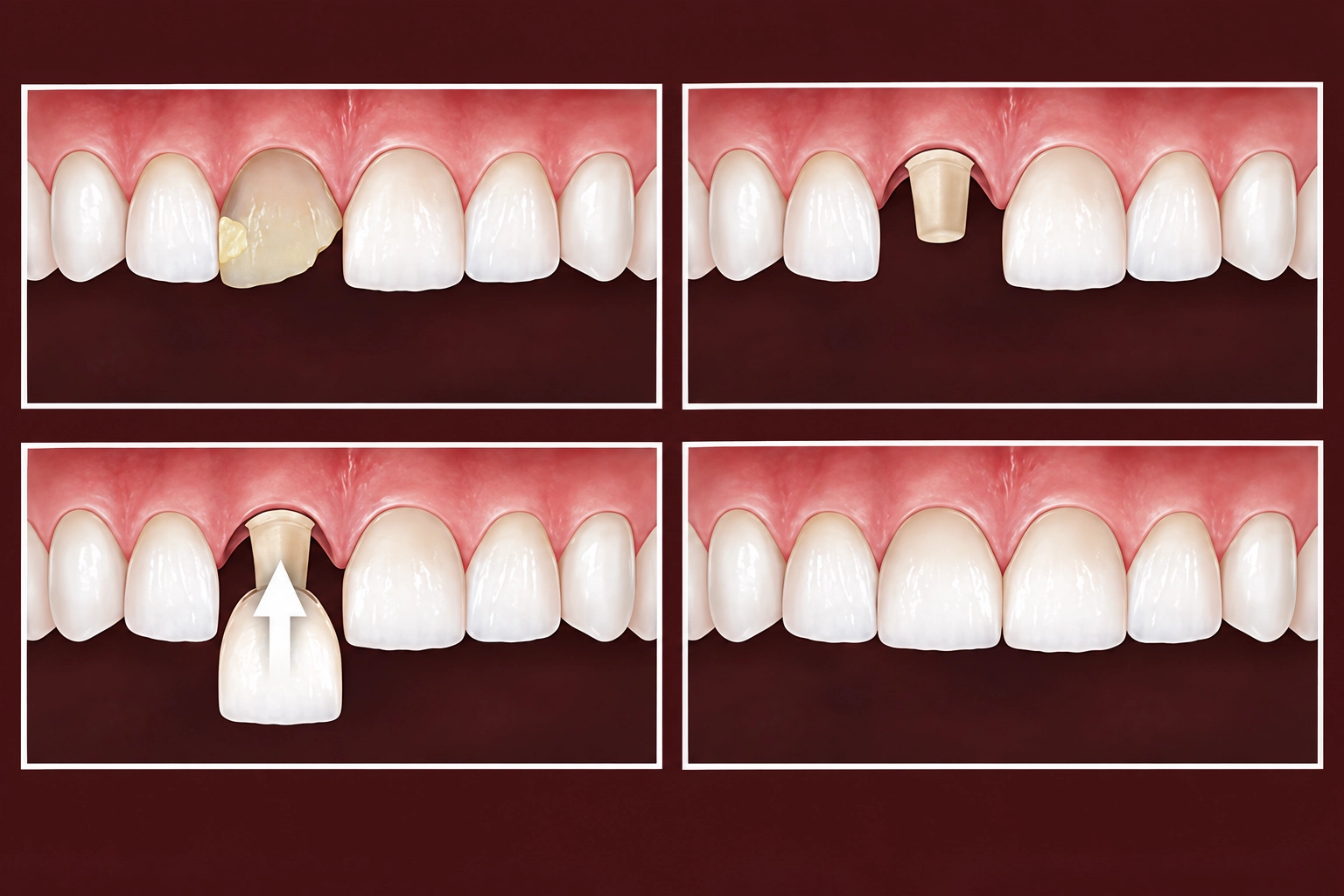
Implant placement can cause some discomfort, but the procedure is performed with anesthesia and requires time for the fixture to integrate with the jawbone. Once healing is complete, the crown is attached through an abutment. The full process can take several months when extraction, bone grafting, or additional healing is required.
Dental Implant vs Crown Cost
Preserving an existing tooth generally has a lower initial cost because treatment does not require surgical placement of a new root. At Smile Lab, a dental crown costs $1,950, while a complete implant restoration is $5,950, including the $2,650 implant body plus $3,300 for the abutment and crown.
The higher cost of full tooth replacement reflects the additional surgical and restorative steps involved. Final treatment costs can also change if you need extraction, bone grafting, imaging, or other procedures before placement.
What Causes the Cost Difference?
Cost depends on the tooth’s condition, the need for extraction or grafting, materials, imaging, and treatment complexity. In NYC, prices vary by practice, so comparing dental services on Yelp alone may not show what each treatment plan includes.
Crown vs Implant Pros and Cons
Both approaches can restore function with proper care, but they solve different problems. One preserves an existing tooth, while the other replaces one after tooth loss.
Dental Crown Pros and Cons
A crown can protect a weakened tooth while preserving the natural root, but its success still depends on the health of the tooth underneath.
| Pros | Cons |
|---|---|
| Preserves the natural tooth | Requires removing some tooth structure |
| Avoids surgery | Depends on the health of the tooth underneath |
| Lower upfront cost | May need replacement over time |
Dental Implant Pros and Cons
A dental implant can replace a missing tooth without relying on neighboring teeth, but treatment requires surgery, healing time, and sufficient bone support.
| Pros | Cons |
|---|---|
| Replaces the tooth from the root up | Requires surgery |
| Does not rely on adjacent teeth | Higher upfront cost |
| Helps preserve jawbone | Longer treatment and healing time |
Possible tooth implant side effects include swelling, temporary discomfort, infection, poor integration, or gum inflammation, depending on the case.
How Long Do Crowns and Implants Last?
A well-made tooth restoration can often last 10 to 15 years or longer, but its lifespan depends on the supporting tooth, bite forces, hygiene, and habits such as grinding. The restoration may eventually need replacement even when the tooth underneath remains healthy.
An implanted fixture can remain functional for decades with proper care, but the prosthetic tooth above it may wear or require repair sooner. Regular exams help monitor the restoration, surrounding gum tissue, and supporting bone.
Who Is a Candidate for Each?
A crown may be appropriate when a damaged tooth remains structurally repairable. Consider tooth replacement when the tooth is missing, fractured beyond repair, or has a poor prognosis despite other treatment.
For a missing tooth, comparing a dental implant vs. a bridge can also help clarify whether an independent replacement or a restoration supported by adjacent teeth makes more sense.
Dr. Waise Ebrahimi, who is certified in implant placement and follows a conservative approach focused on preserving natural tooth structure, evaluates whether saving the tooth remains predictable before recommending removal and replacement.
Why Might a Dentist Avoid an Implant?
A dentist may delay or avoid this treatment when bone is insufficient, gum disease is active, medical factors are uncontrolled, or another option can preserve the natural tooth. Bone grafting or periodontal treatment may sometimes improve candidacy before surgery.
If a fixture does not integrate properly or develops ongoing complications, dental implants can sometimes be removed before the area is treated or another option is considered.
If you want to restore your smile but aren’t sure which path fits your situation, keep reading related treatment guides or schedule an exam. At Smile Lab in Union Square, the goal is to explain the options clearly so you can make a decision based on your tooth, not a generic treatment rule.