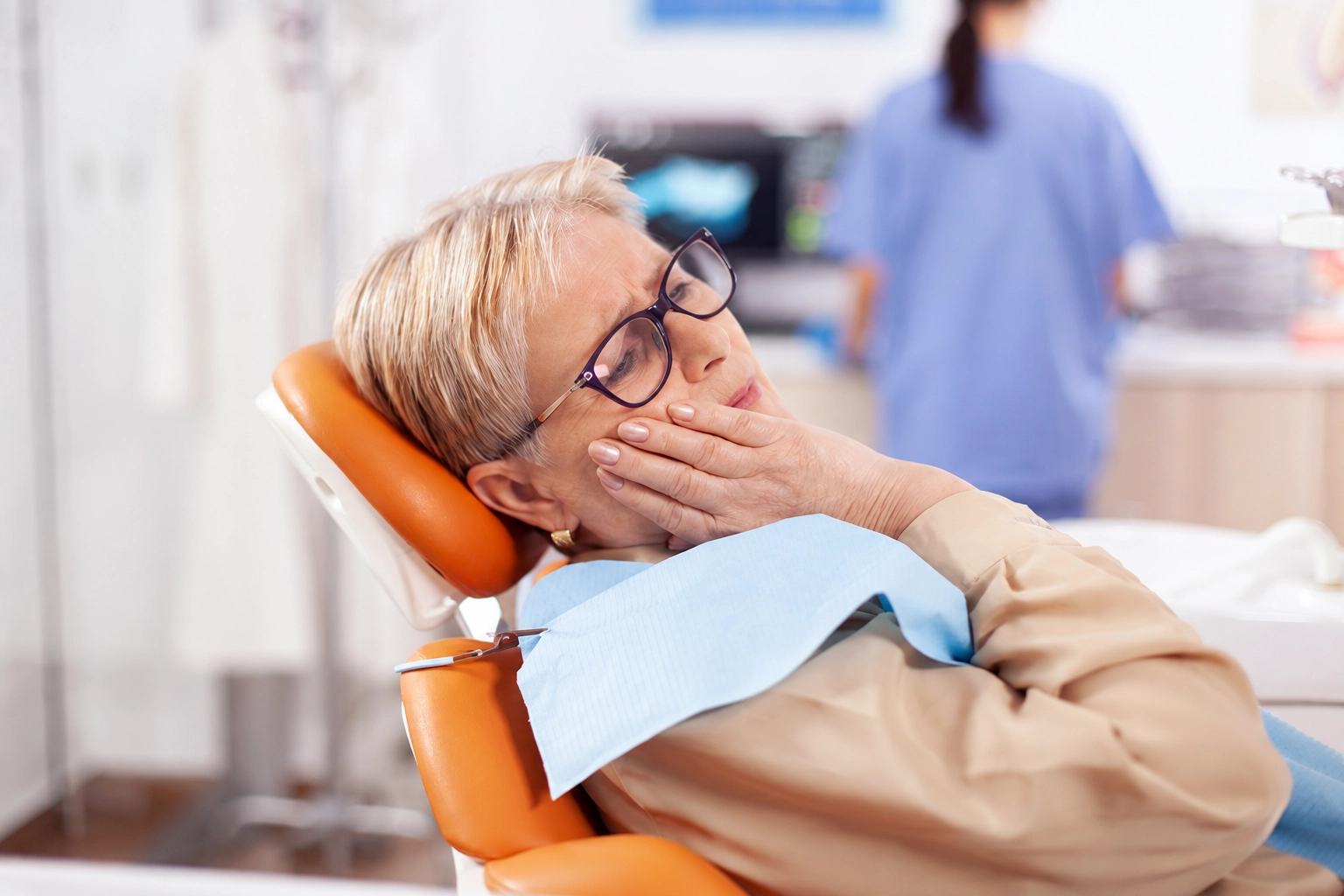
Recovery discomfort is usually mild to moderate, often feels strongest during the first 48 to 72 hours, and then begins to improve. Over-the-counter pain relievers such as ibuprofen or acetaminophen are often enough for short-term soreness, when appropriate for you. At Smile Lab, the goal is to help you understand what to expect before treatment so the procedure and recovery feel more predictable.
Key Takeaways
- Placement is usually comfortable because local anesthesia numbs the area, though you may still feel pressure or vibration.
- Soreness and swelling are more common after surgery and often feel strongest during the first 48 to 72 hours before improving.
- Recovery can vary based on the number of fixtures placed, bone grafting, added procedures, smoking, health conditions, and individual healing.
- See a dentist if discomfort worsens, returns after improving, or comes with fever, drainage, or movement.
- A healed restoration should not cause ongoing pain, so symptoms that begin months or years later may point to inflammation, bite issues, or another problem.
How Painful Are Dental Implants?
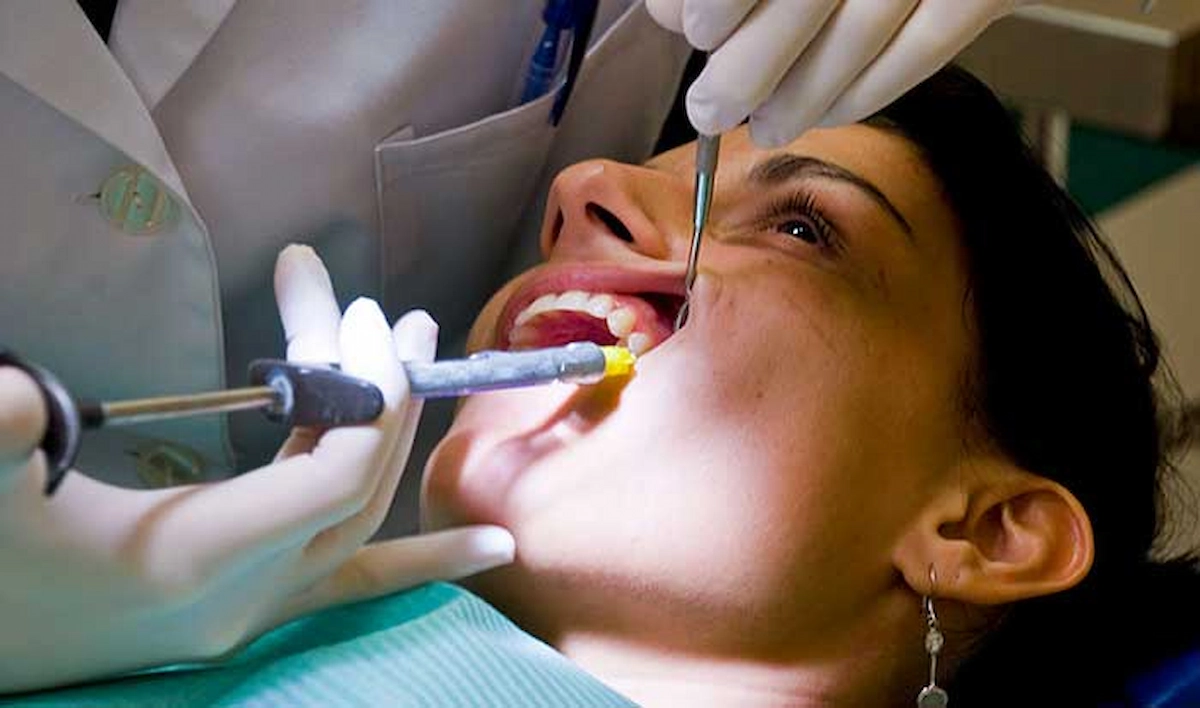
Most people should not feel sharp pain during dental implant surgery because local anesthesia blocks sensation in the surgical area. You may still notice pressure, vibration, or movement while the dentist prepares the bone and places the fixture.
Discomfort usually begins after the numbness wears off. Soreness, mild swelling, tenderness, and minor bleeding can occur during early healing. The intensity varies based on the procedure, your health, and whether additional treatment was needed.
Are Dental Implants Painful to Install?
The implant procedure usually takes place while the area is fully numb. Before starting, the dental team checks that the anesthetic is working so the dentist can perform the procedure without causing sharp pain.
Some people expect complete absence of sensation. In reality, numbness stops pain but does not necessarily stop pressure or movement. These sensations can feel unusual without meaning that something is wrong.
Sedation may also be an option for patients with significant anxiety. The type of sedation, if any, depends on your health history, comfort level, and the planned procedure.
Are Dental Implants Painful Afterward?
Soreness is more common after the appointment than during it. The gum and bone around the placement site need time to recover, so tenderness and swelling are expected during the first few days. Other temporary tooth implant side effects can include minor bleeding, bruising, or jaw stiffness during early recovery.
For some patients, the experience may feel similar to recovery after a tooth extraction. The exact experience depends on how complex the surgery was and how your body heals.
What Does Implant Surgery Feel Like?
During placement, you may notice pressure, vibration, or pushing. When the area is adequately numb, you shouldn’t feel drilling or insertion as sharp pain.
Anxiety can also change how a person experiences treatment. If fear or a previous bad experience is making you hesitate, tell your dentist before treatment. Understanding each step can make the experience more predictable.
What Is the Most Painful Part?
For most people, the most uncomfortable period begins after the anesthesia wears off and the body’s inflammatory response starts. Tenderness and swelling often feel more noticeable during the first couple of days before they begin to settle.
The procedure itself is usually less uncomfortable than people expect because the treatment area is numb. More complex cases may cause more postoperative soreness than a straightforward single-site placement.
Does Bone Grafting Affect Pain?
Bone grafting can add tenderness because the procedure involves additional tissue and bone. Discomfort depends on the graft’s size and location.
A small graft performed during placement may have a different recovery than a larger graft completed as a separate procedure. Your dentist can explain what to expect based on your treatment plan.
How Long Will Dental Implant Pain Last?
Most postoperative pain lasts about 3 to 7 days. Soreness and swelling often feel strongest during the first 48 to 72 hours, then gradually improve.
Mild tenderness can sometimes continue for 1 to 2 weeks, especially after bone grafting, multiple implants, or more complex surgery. Healing takes much longer than pain lasts, and a fuller dental implant recovery timeline can help explain what happens as the bone integrates around the fixture before the final restoration is placed.
The First 24 to 48 Hours
Tenderness, swelling, minor bleeding, and soreness around the surgical area are common during the first 1 to 2 days. Some people also notice jaw stiffness, especially after a longer appointment.
Follow your dentist’s postoperative instructions during this period. Rest, appropriate food choices, and prescribed or recommended medication can make early recovery easier.
Days Three Through Seven
Symptoms should start trending in the right direction during the first week. Swelling may still be present, but discomfort should generally become easier to manage rather than steadily getting worse.
Patients recover more easily when they protect the area, keep it clean as instructed, and avoid activities that can irritate healing tissues.
When Should Pain Be Gone?
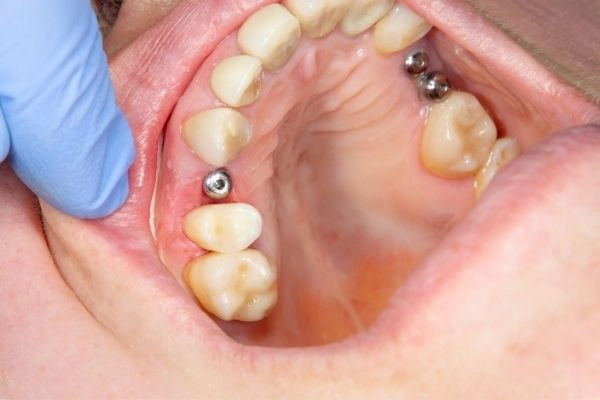
Most soreness should improve significantly within 3 to 7 days and be largely resolved within 1 to 2 weeks. Tenderness can last longer after bone grafting, multiple implants, or more complex surgery.
The key is steady improvement. If pain worsens, returns after improving, or continues beyond the expected recovery period, have your dentist evaluate it.
What Affects Dental Implant Pain?
The same treatment can feel different for each person. Procedure complexity, the number of placement sites, bone grafting, tissue condition, health history, and individual sensitivity can all affect recovery.
Planning matters as well. Dr. Waise Ebrahimi is certified in Dental Implant Placement, and Smile Lab’s treatment planning considers the condition of the bone, gums, neighboring structures, and overall health before surgery.
Number of Implants Placed
One placement site usually involves less tissue than several. Someone receiving multiple implants may therefore experience more widespread tenderness or swelling.
This does not mean recovery will necessarily be difficult. It means the expected symptoms should match the extent of the treatment.
Additional Procedures
Some people need a tooth removed, bone grafting, or another procedure before or during implant treatment. Each additional step can change the recovery timeline.
The dentist should explain these factors before treatment so you know which symptoms to expect for your specific plan.
Pain Sensitivity and Healing
People experience discomfort differently. Sleep, stress, previous dental experiences, medical conditions, smoking, and healing ability may all influence how recovery feels.
Smoking can slow healing after oral surgery and may reduce treatment success. Poorly controlled diabetes can also delay healing and may increase the risk of complications, which is why blood sugar control and medical history matter during treatment planning.
This is one reason online pain ratings have limited value. Your own procedure and health history provide more useful context than another person’s experience.
How Is Implant Pain Managed?
Pain control starts before the procedure with adequate anesthesia and continues through postoperative care. Your dentist may recommend medication, cold compresses, softer foods, and temporary changes to exercise or daily activity.
The goal is not only to reduce soreness. Good aftercare also protects the healing tissues during the early stages of recovery.
Medication and Cold Compresses
Your dentist may recommend over-the-counter pain relievers, prescription medication, or another approach based on your health and procedure. ADA-endorsed guidance recommends nonsteroidal anti-inflammatory drugs such as ibuprofen, alone or with acetaminophen, as first-line treatment for many types of short-term oral pain when appropriate.
Cold compresses may also help with early swelling. Follow your dentist’s instructions rather than changing medication doses on your own.

Food, Rest, and Aftercare
Choose foods that do not require heavy chewing around the treatment site. The American Dental Association notes that dentists may recommend soft and cool foods during early healing, and your procedure will affect how long after dental implants you can eat normally.
Avoid disturbing the site while eating or cleaning your mouth. A busy Manhattan schedule can make it tempting to return to your normal routine immediately, but giving yourself time to recover can make the first few days easier.
When Is Implant Pain Not Normal?
Normal recovery should move toward less discomfort. Symptoms that become stronger, return after improving, or appear with other concerning changes deserve attention.
Do not try to diagnose a complication based only on how much something hurts. The pattern, timing, examination, and imaging may all help your dentist identify the cause.
Pain That Gets Worse
Increasing or persistent sharp pain is different from soreness that gradually improves. Contact your dentist if discomfort becomes significantly worse instead of following the expected recovery pattern.
You should also have the area evaluated if the implant feels loose. Movement can have several causes and needs a clinical examination rather than home treatment. In some cases, a dentist may also discuss whether to remove the implant if the fixture cannot be saved.
Swelling, Fever, or Drainage
Increasing swelling, pus or drainage, fever, or a bad taste around the site can indicate a problem that requires evaluation. These symptoms don’t automatically mean implant failure, but you shouldn’t ignore them.
Inflammation can also develop around a healed fixture. Peri-implantitis involves inflammation around the surrounding tissues along with progressive loss of supporting bone. Smoking and diabetes are among the recognized risk factors for peri-implant disease.
Do Dental Implants Hurt Forever?
No. Ongoing pain is not expected with a healthy, healed restoration. Once the tissues recover and the fixture integrates with the bone, it should function without persistent surgical discomfort.
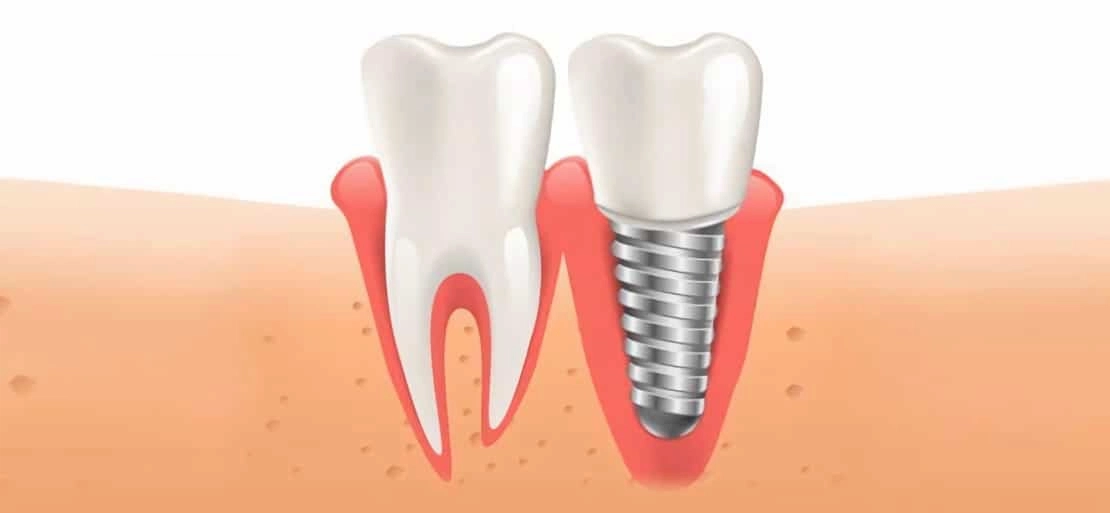
The final crown should also allow comfortable chewing. It replaces the visible tooth, while the fixture underneath provides support similar to the roots of natural teeth.
Why Does My Implant Hurt Years Later?
Pain that starts months or years after treatment differs from normal surgical recovery. Possible causes include inflammation, infection, bite forces, gum or bone changes, or problems with the crown or other components.
Persistent discomfort needs an examination. Early evaluation can help determine whether the problem involves the restoration itself or a nearby tooth or tissue.
Is a Tooth Implant Safe?
Yes. Tooth implants are generally safe for suitable candidates when a qualified dental professional plans and places them properly. Your dentist should assess bone levels, gum health, medical history, medications, and healing factors before recommending treatment.
General health can affect recovery and success. Conditions such as poorly controlled diabetes and tobacco use may increase healing problems, which is why a full evaluation is part of safe treatment planning.
Are Dental Implants Expensive?
Cost depends on the number of teeth being replaced, whether grafting or extraction is necessary, and the type of final restoration. A straightforward single-tooth case will not have the same treatment plan as several missing teeth or a case that requires additional surgery.
At Smile Lab, an implant body is $2,650, while the abutment and crown are $3,300, bringing a complete single implant restoration to $5,950. A consultation can clarify which parts of that treatment apply to your situation.
Numbness Does Not Mean No Sensation
Anesthesia blocks pain, but you may still notice pressure and vibration. Knowing this beforehand can keep normal sensations from feeling unexpected during treatment.
Tell your dental team if you feel actual pain during the procedure. They can stop, reassess the anesthesia, and make adjustments before continuing.
Healing Continues After Pain Improves
Feeling better does not mean the internal healing process is complete. Osseointegration continues as bone forms a stable connection around the fixture.
Follow-up appointments allow your dentist to check healing before moving to the next stage of treatment. That process helps determine when the site is ready to support the final restoration.
What to Expect at Smile Lab
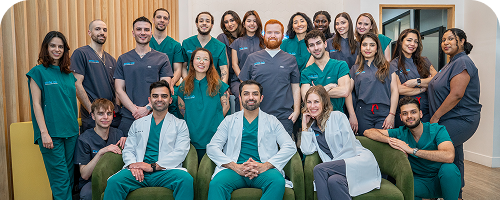
If fear of discomfort has been holding you back, a consultation can give you a clearer idea of what your own treatment would involve before you commit to anything. Dr. Ebrahimi can evaluate the site, discuss the expected recovery, and explain each stage based on your anatomy and treatment needs.
For patients balancing oral care with work, commuting, and everyday life in NYC, knowing the likely recovery timeline can also make scheduling easier.