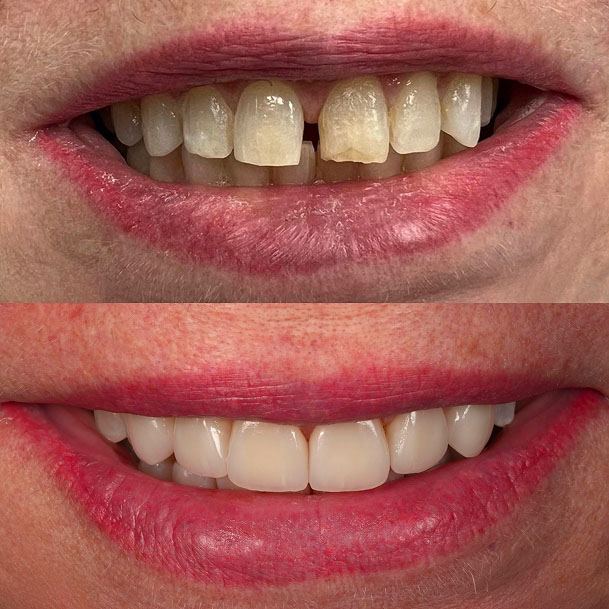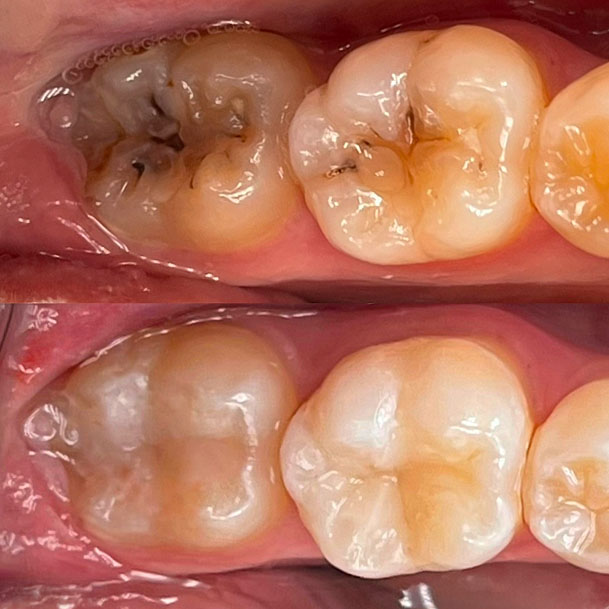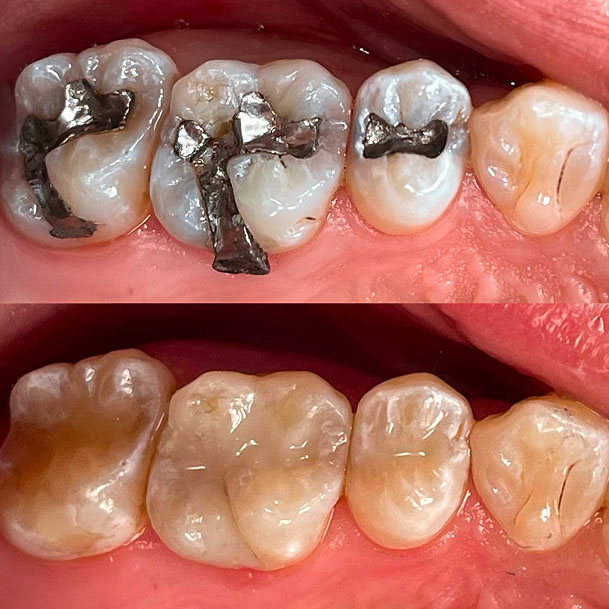
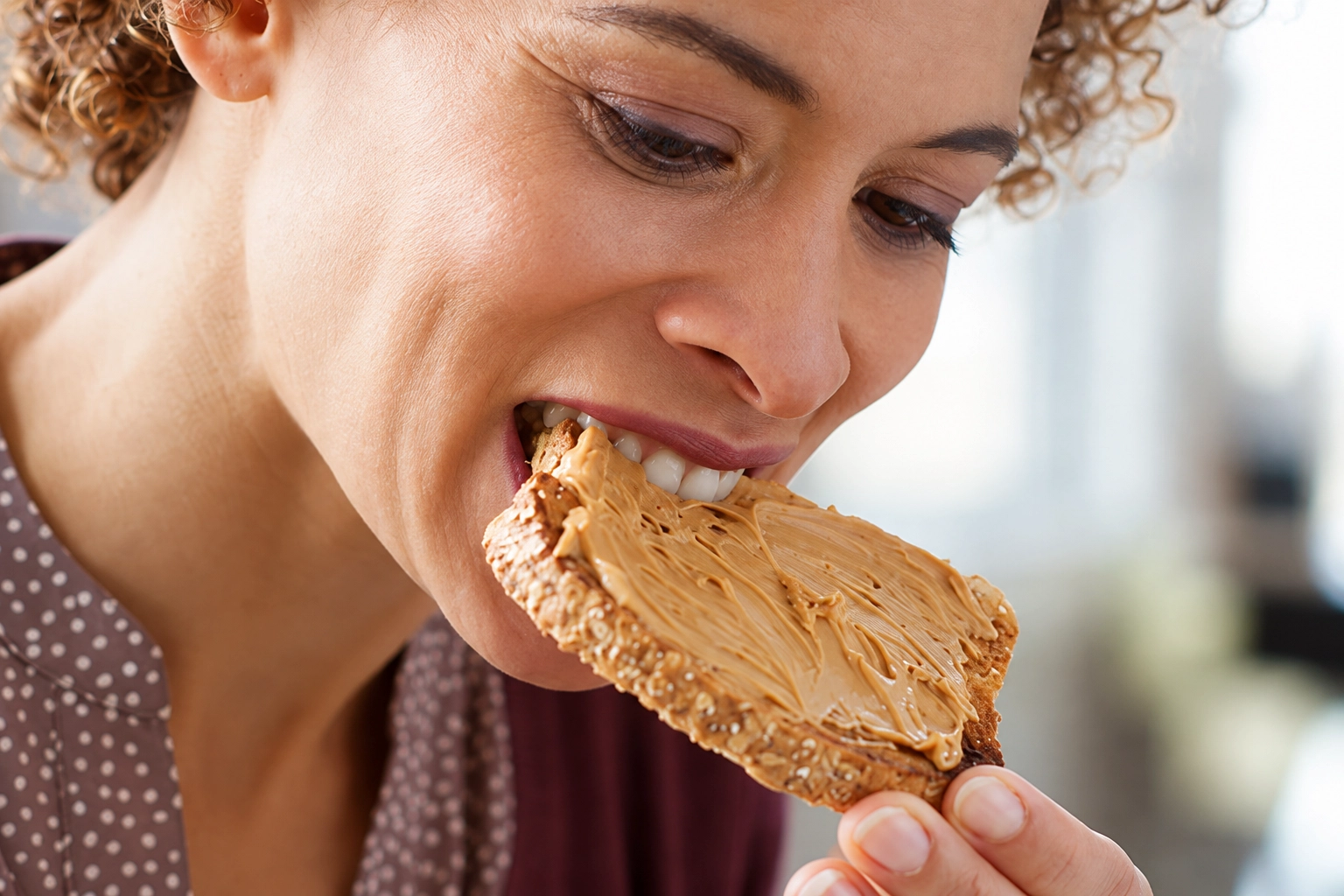
Temporary, pop-on, or snap-on types need different care and are usually removed before meals unless directed otherwise. Permanent restorations can handle normal chewing, but using your back teeth for tougher foods reduces unnecessary pressure. At Smile Lab in Union Square, your dentist can check your bite and daily habits if you are unsure what is safe.
Key Takeaways
- Permanent porcelain veneers usually allow you to maintain a normal diet once they are fully bonded.
- Hard, sticky, and very crunchy foods can increase the risk of chipping, loosening, or stressing bonded edges.
- Cutting firm foods into smaller pieces and chewing tougher foods with your back teeth can reduce pressure on front restorations.
- Temporary, pop-on, and snap-on options have different food restrictions and may need to be removed before meals.
- A dentist should check for persistent pain, looseness, or an uneven bite while chewing.
Can You Eat Normally with Veneer Teeth?
Dental veneers cover the front surface of a natural tooth and are designed to handle normal meals after bonding. If you are asking whether you can chew with veneers, the answer is generally yes, but avoid biting very hard foods directly with your front teeth.
What Can You Eat with Permanent Veneers?
Most foods and beverages can remain part of your diet. Hamburgers, pizza, tender steak, pasta, fish, eggs, and cooked vegetables are usually fine, while hard chips are better chewed with the back teeth.
What Foods Should You Avoid?
Hard items such as ice, hard candy, popcorn kernels, and nuts can place excessive force on the restorations. Never use your teeth as tools to open packages, and limit sticky foods such as caramel or taffy because they can pull at bonded edges.
Porcelain veneers resist stains better than natural teeth, but coffee, tea, red wine, pigmented foods, and chewing tobacco can create uneven color between treated and untreated teeth. Chewing gum is usually less of a concern, but repeated forceful chewing can still add stress.
How Soon After Veneers Can You Eat?
Most people can eat after permanent placement once the numbness wears off and the dentist confirms the bonding is complete. Temporary restorations need more caution, so choose softer foods and avoid biting directly with the front teeth until the final restorations are placed.
How to Protect Your Restorations While Eating
Cut apples, crusty bread, and dense meat into smaller pieces instead of tearing them with the front teeth. Good oral hygiene also matters, so brush your teeth with a soft-bristled toothbrush, floss daily, and rinse your mouth with water after strongly colored foods or drinks. Following the right routine for how to clean veneers can help protect the bonded margins and surrounding natural teeth.
Proper cleaning can also help address factors related to bad breath with veneers, such as plaque or food collecting around the margins.
Eating with Different Types of Veneers
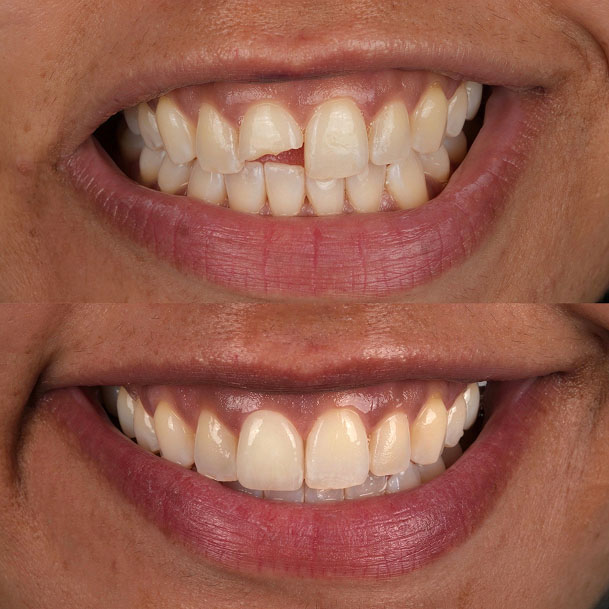
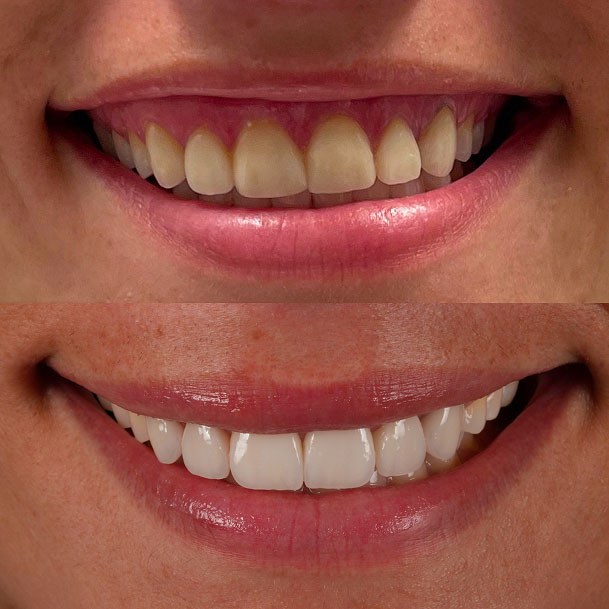
Porcelain veneers resist wear and staining well, while composite restorations may be more prone to surface wear or chipping. Patients comparing materials may also want to explore an alternative to veneers based on their tooth structure and cosmetic goals.
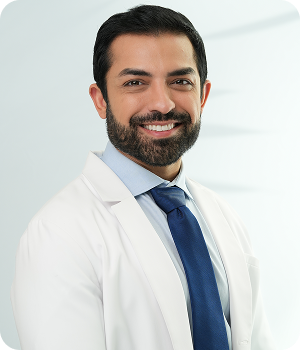
Dr. Waise Ebrahimi, who completed advanced cosmetic and reconstructive training at the Kois Center, considers bite force, tooth structure, and the natural tooth underneath when planning treatment.
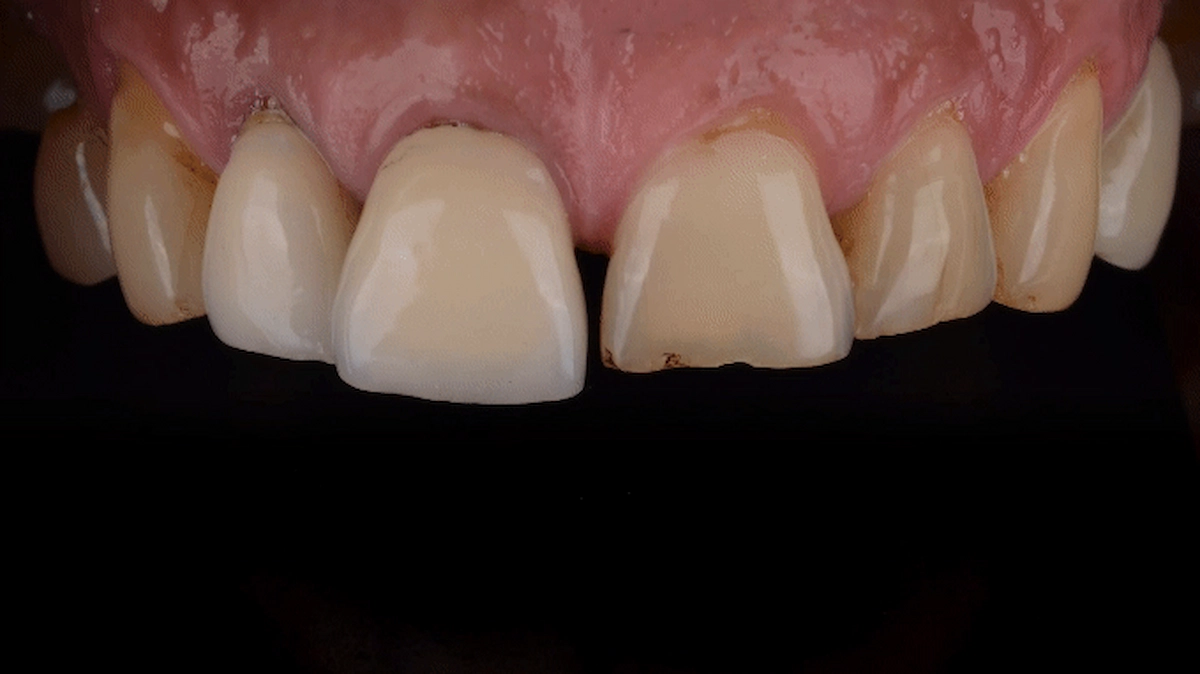
Can You Eat with Pop-On Veneer Teeth?
Pop-on products are removable and should generally come out before meals because food can collect underneath or damage the appliance.
Can You Eat with Veneer Dentures?
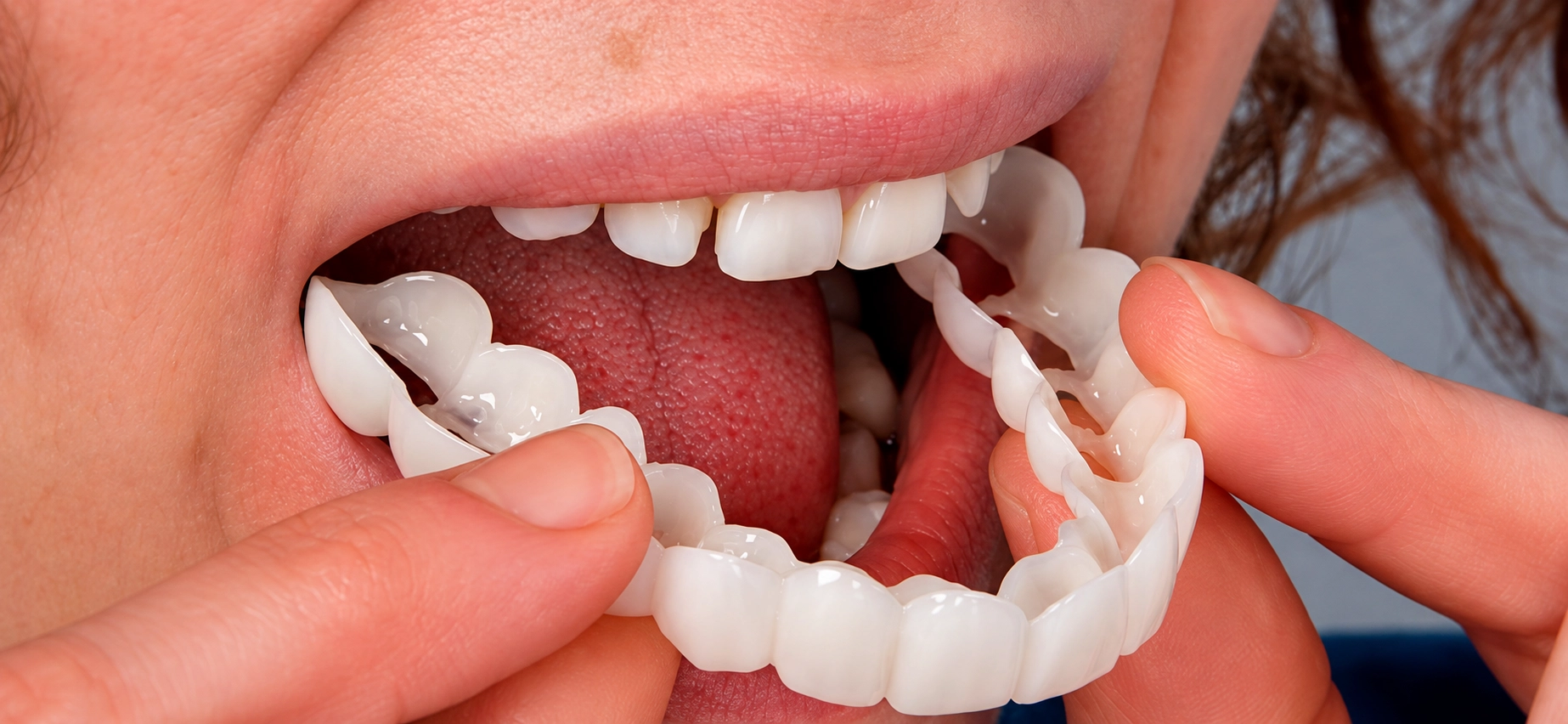
For removable snap-on or veneer-style appliances, you should usually remove them before eating because chewing can damage them, trap food underneath, or affect their fit. Traditional dentures are different and are designed for eating, although hard, sticky, or tough foods may require more care.
Problems While Chewing
Short-term sensitivity or a slightly different bite can occur after placement. Learning whether veneers hurt and what discomfort is considered normal can help you distinguish temporary sensitivity from a problem that needs attention.
Check for pain, movement, uneven contact, or a loose restoration rather than ignoring it, because continued pressure can make the problem worse.
If meals feel uncomfortable or you are comparing cosmetic options, Smile Lab can assess your bite, restorations, and oral health to determine the next step. Schedule a Consultation when you are ready to review your options.