Healing usually takes about three to six months as the posts integrate with the jawbone, after which the final custom restoration is placed. Cost varies based on the arch treated, extractions, bone condition, materials, and other procedures, while long-term success depends on daily cleaning and professional maintenance.
At Smile Lab in Union Square, treatment planning focuses on whether this approach fits your bone, bite, health, and long-term goals rather than treating it as a one-size-fits-all solution.
Key Takeaways
- Four strategically positioned posts can support a fixed full-arch replacement of teeth, helping restore chewing function and stability.
- Suitable candidates need healthy gum tissue and adequate bone support, although angled placement may reduce the need for bone grafting in some cases.
- Treatment may include temporary teeth soon after surgery, followed by about three to six months of healing before the final restoration is placed.
- Cost depends on the number of arches, extractions, bone condition, materials, and case complexity, so a personalized estimate is more useful than a single average price.
- Long-term results depend on daily cleaning, professional maintenance, healthy gums, and regular monitoring of the supporting structures and restoration.
What Are All-on-4 Dental Implants?
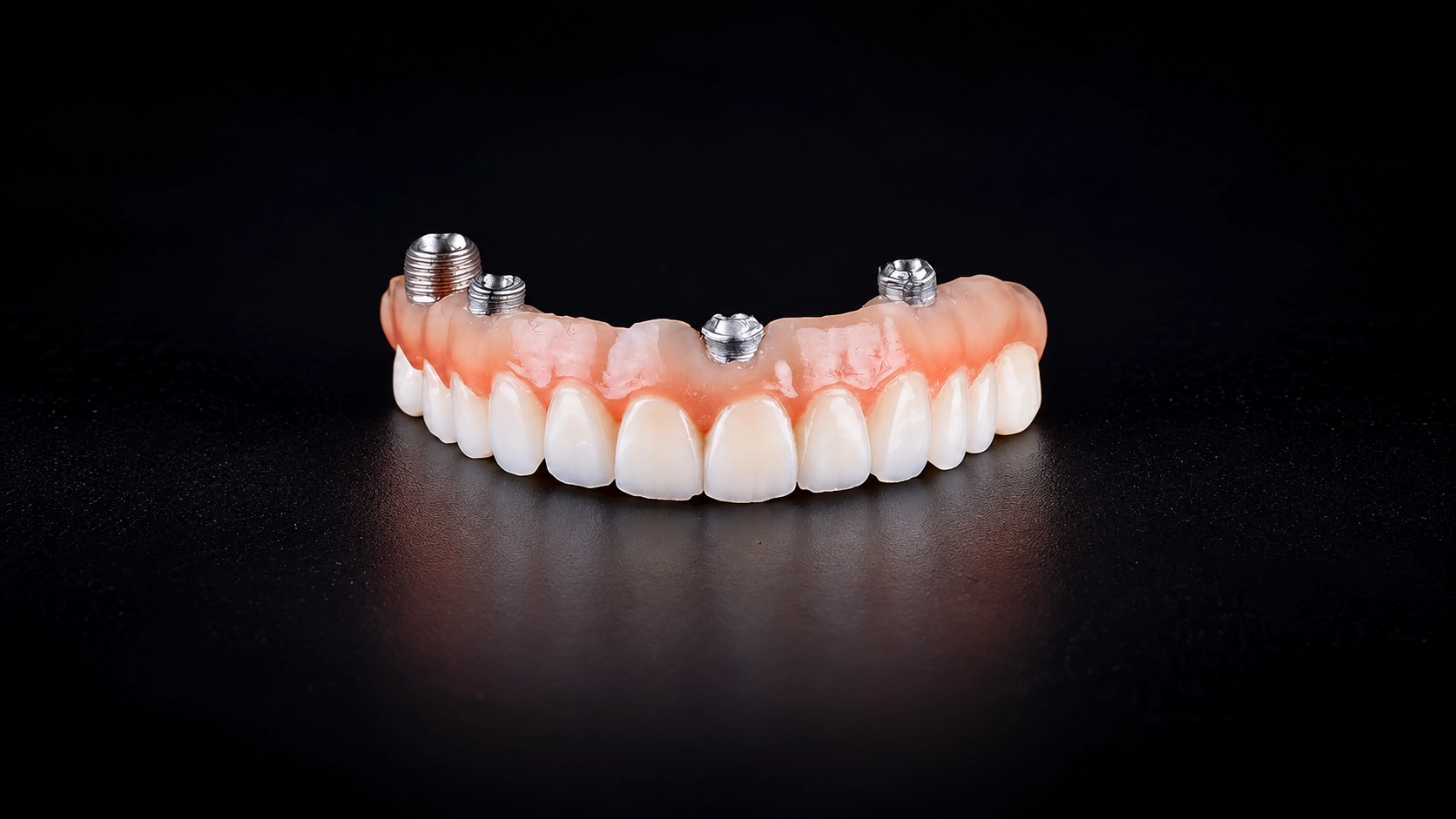
This full-arch treatment uses four titanium posts to support a fixed set of replacement teeth in the upper or lower jaw. Unlike a removable denture, the restoration stays secured in your mouth and functions as one complete arch of teeth.
The approach can replace an entire arch without placing a separate post for every missing tooth. The final restoration is attached to the implants through connecting components that provide stability during everyday chewing and speaking.
How Four Posts Support a Full Arch
Four carefully positioned posts anchor a fixed bridge. The rear supports may be angled to make better use of available jawbone and reduce the need for extensive grafting in selected cases.
This design distributes chewing forces across the restoration. Full-arch treatment commonly uses four to six supports, depending on anatomy and the treatment plan, which is why some patients may also consider All-on-6 dental implants.
Who Is a Good Candidate?
This treatment may suit adults with extensive tooth loss, severely damaged teeth, or dentures that no longer provide enough stability, while patients with less extensive cosmetic concerns may want to explore an alternative to veneers. Your general health, gum condition, jawbone, bite, and ability to maintain good oral health all affect candidacy.
A clinical examination and imaging are needed before deciding whether four supports provide enough stability.
Bone and Gum Health Requirements
Healthy gums and sufficient jawbone provide a stronger foundation for treatment. Active gum disease, uncontrolled health conditions, smoking, and severe bone loss may affect healing or change the recommended plan.
When Bone Grafting May Be Needed
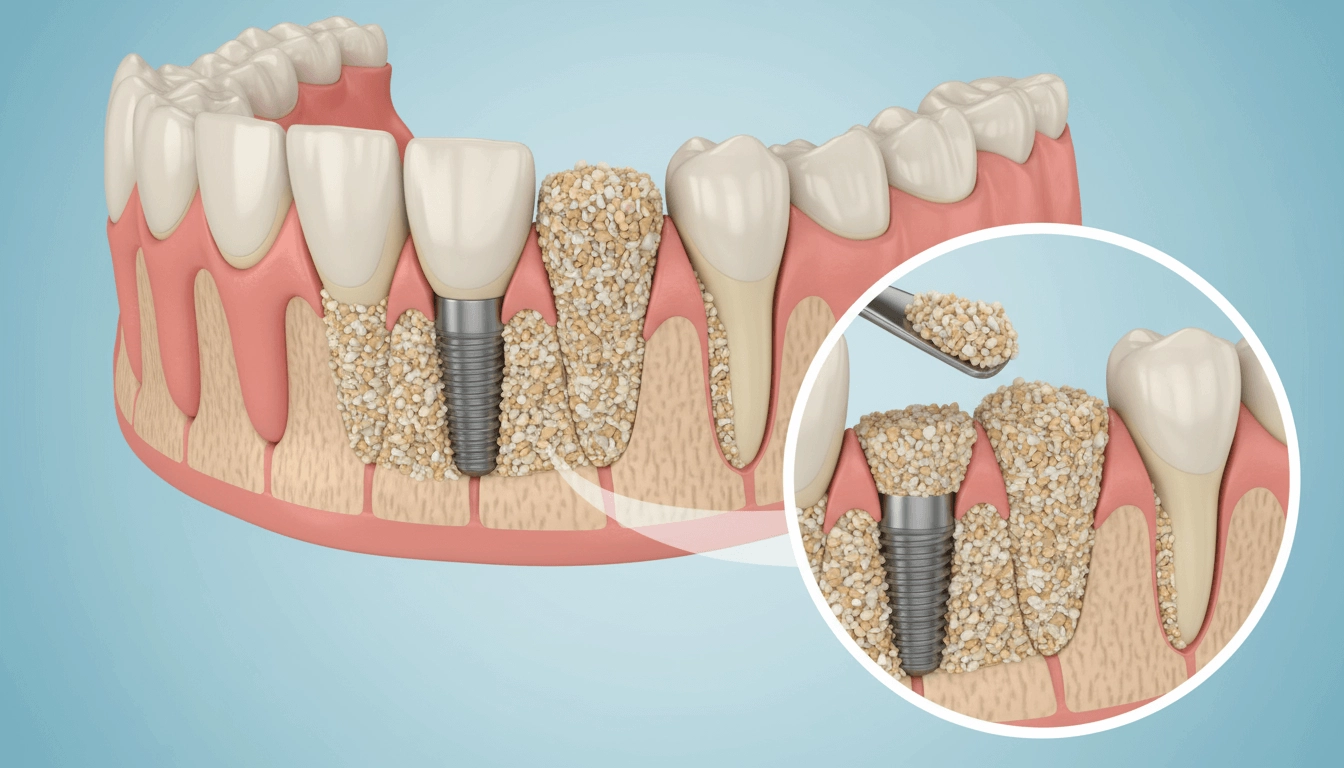
One advantage of this approach is that angled placement may allow some patients to avoid extensive grafting. That does not mean grafting is never required.
If parts of the jaw have lost too much volume, a bone graft may rebuild support before or during treatment. Bone grafting is commonly used when bone loss would otherwise prevent predictable placement.
How Does the Procedure Work?
Treatment usually involves planning, placing the supporting posts, a temporary restoration, healing, and placing the final teeth. The exact sequence depends on your remaining teeth, bone anatomy, and overall health.
Consultation and Treatment Planning
Your dentist examines your teeth and gums and reviews jaw imaging. This information helps determine placement positions, whether extractions are necessary, and whether this full-arch approach is appropriate.
At Smile Lab in Union Square, Dr. Waise Ebrahimi is certified in dental implant placement and uses detailed treatment planning to evaluate each case rather than applying one approach to every patient.
Placement and Temporary Teeth
If teeth cannot be preserved, the surgeon may remove them before placing the supporting posts. The surgeon then positions four posts in the jaw according to the treatment plan.
Some patients can receive fixed temporary teeth shortly after surgery. This allows them to leave with teeth while healing takes place, although these temporary restorations require dietary restrictions.
Healing and Final Teeth
The jawbone gradually bonds with the titanium surfaces through osseointegration. Once healing is stable, you replace the temporary restoration with the final bridge.
The final prosthesis is designed for a customized fit based on your bite, facial proportions, and functional needs.
Recovery, Pain, and Treatment Timeline
Recovery usually follows a clear pattern: swelling and soreness are strongest during the first few days, most patients return to routine activities within several days, and bone healing continues for about three to six months before the final restoration. A more detailed dental implant recovery timeline can help explain what to expect at each stage.
How Long Does Treatment Take?
The full process commonly takes several months because the supporting posts need time to integrate with the jaw. Healing often takes about three to six months before the definitive restoration is completed, although individual timelines vary.
Extractions, grafting, medical factors, and healing speed can extend treatment.
Is the Procedure Painful?
Local anesthesia keeps you comfortable during placement. After surgery, tenderness, swelling, and mild bruising are expected and usually improve as healing progresses, and you can learn more about whether dental implants are painful and what discomfort typically feels like.
Your dentist will provide specific instructions for pain control, diet, cleaning, and activity. Seek evaluation for increasing pain, drainage, fever, or unexpected movement.
Before and After Results
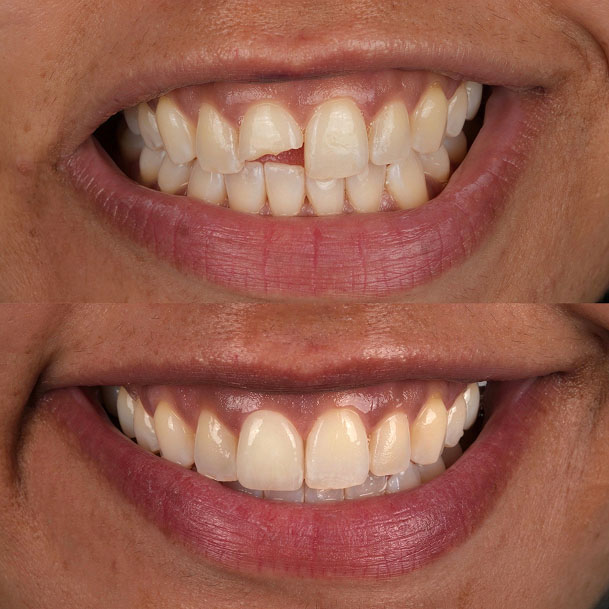
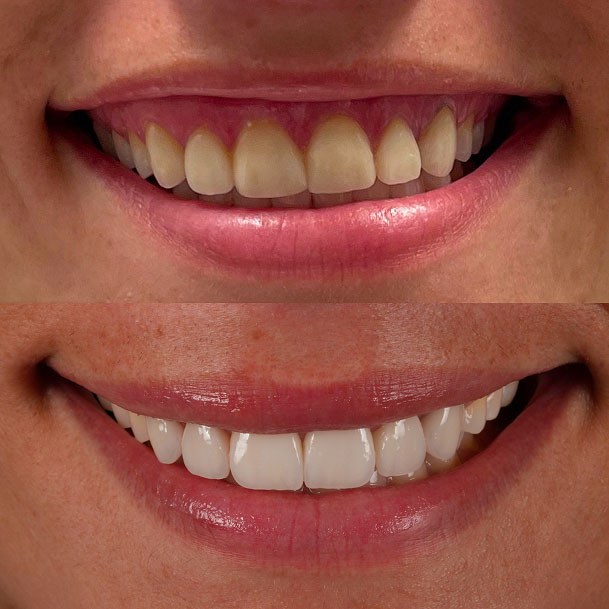
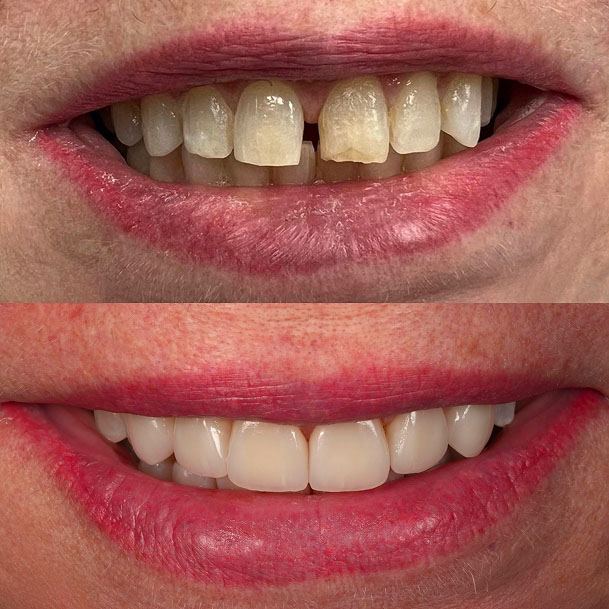
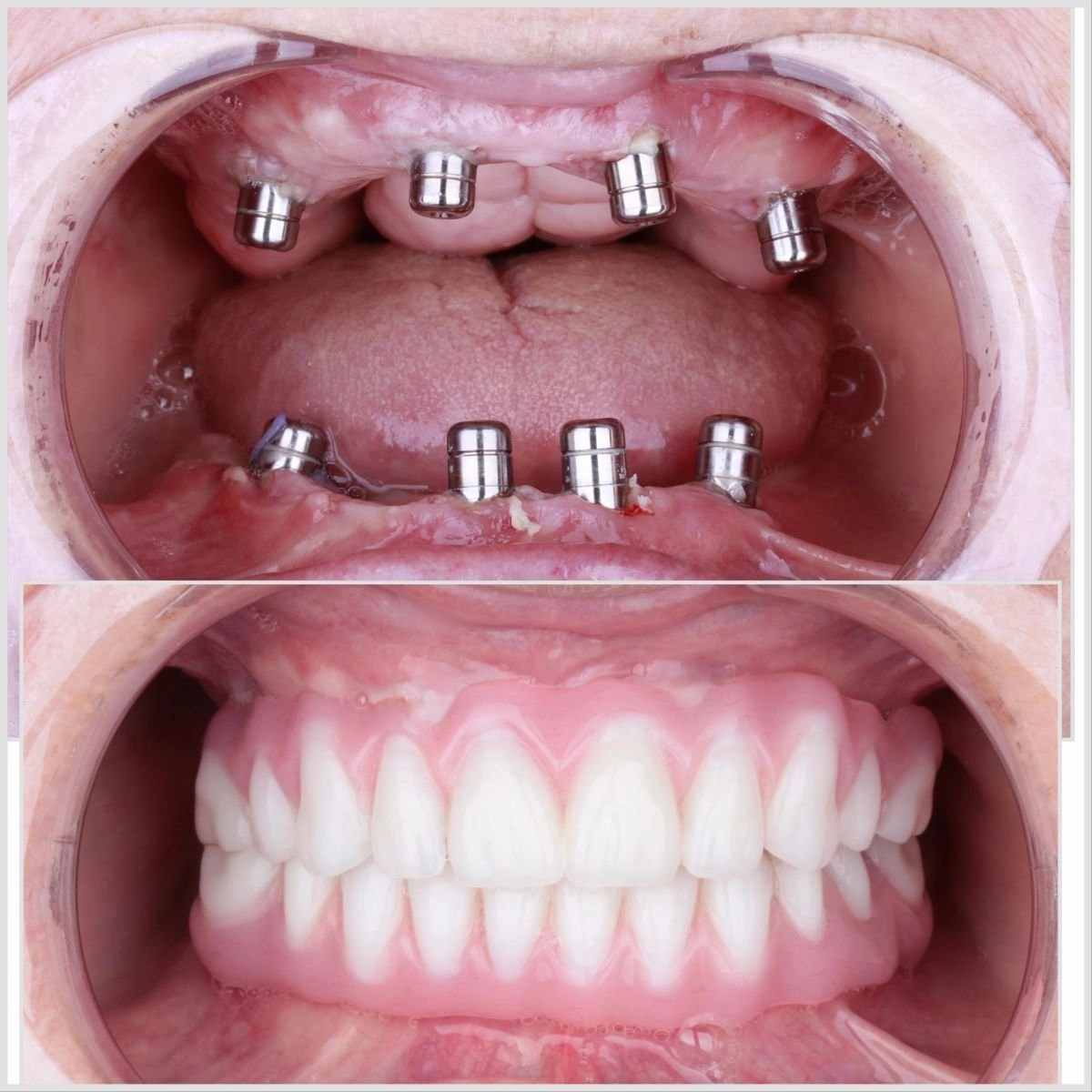
Before treatment, someone with extensive tooth loss may struggle with chewing, loose dentures, or failing teeth. After treatment and healing, a fixed full-arch restoration can improve bite stability, function, speech, and appearance, including everyday functions such as chewing, which is also an important consideration for patients researching whether they can eat with veneer teeth.
Results depend on bone anatomy, placement, restorative design, and maintenance. Restoring your smile isn’t only about appearance; your bite and ability to clean beneath the restoration matter just as much.
Benefits and Disadvantages
No tooth-replacement option fits everyone. Understanding both benefits and limitations gives you a better basis for comparison.
What Are the Main Benefits?
Four supports can hold an entire fixed arch with fewer surgical sites than replacing each missing tooth separately. The restoration does not need to be removed each night, and it can provide stronger stability than conventional dentures.
The titanium posts also transfer chewing forces into the jawbone, which can help maintain bone around functioning sites over the long term.
What Are the Main Downsides?
Treatment involves surgery, several months of healing, and a significant financial commitment. The prosthesis also requires careful cleaning underneath it, even though the replacement teeth themselves do not develop cavities.
If one support develops a serious problem, it may affect the larger restoration because several teeth depend on the same system.
What Risks Should You Know?
Potential complications include infection, poor integration with bone, gum inflammation, loss of support, nerve-related symptoms, or mechanical problems with the restoration.
Good planning lowers risk but cannot eliminate it. Regular professional maintenance and consistent home care remain part of treatment after the final teeth are placed.
All-on-4 Dental Implants Cost
At Smile Lab, a single implant body costs $2,650, while the abutment and crown cost $3,300, for a total of $5,950 per complete implant restoration. Full-arch pricing varies by extractions, bone condition, materials, and whether one or both arches are treated.
What Affects the Total Cost?
The main factors include the number of arches treated, bone condition, extractions, restorative material, laboratory work, and case complexity.
The lowest initial price may not reflect the lowest long-term cost if it excludes repairs, maintenance, or replacement components.
How Long Do All-on-Four Implants Last?
The titanium supports can remain functional for decades when they integrate successfully and receive consistent care. The attached bridge may need repair or replacement sooner because it endures daily chewing forces.
What Affects Their Lifespan?
Smoking, gum inflammation, grinding, poor hygiene, uncontrolled medical conditions, bite forces, and irregular professional care can shorten longevity.
Daily maintenance and routine examinations help identify small problems before they threaten the entire restoration.
How Do You Clean a Full-Arch Restoration?
Brush the restoration twice daily, and clean beneath the bridge where food and plaque can collect. Floss threaders, interdental brushes, or a water flosser may help depending on its design.
Professional maintenance also matters because the tissue around the titanium supports still needs monitoring, even though the replacement teeth cannot decay.
Full-Arch Treatment vs. Other Options
The best choice depends on how many teeth you are replacing, available bone, budget, comfort preferences, and whether you want a fixed or removable solution.
Fixed Full-Arch Teeth vs. Traditional Dentures
Traditional dentures rest primarily on the gums and can be removed for cleaning. A fixed bridge remains secured to titanium supports in the jaw, which generally provides greater stability during chewing.
Removable dentures usually cost less and avoid surgery, so they can still suit some patients.
Full-Arch Treatment vs. Individual Implants
Individual tooth replacement uses separate restorations for separate missing teeth. Full-arch treatment uses fewer supports to hold several connected teeth.
When almost every tooth in one jaw needs replacement, placing a separate implant for every missing tooth is usually unnecessary. The right number and position depend on bone, bite forces, and restorative goals.
Are All-on-Four Implants Worth It?
They can offer strong value for someone who wants a fixed solution for extensive tooth loss and has suitable anatomy and health. The main trade-offs are surgery, cost, maintenance needs, and the possibility of future repairs.
The question is not whether this option is universally better. It is whether its stability, function, appearance, and maintenance requirements match your priorities.
Choosing the Right Treatment for You
Plan a full-arch restoration around your mouth rather than selecting it from a standard package. Imaging, gum health, bone volume, bite forces, medical history, and your expectations all influence the recommendation.
Smile Lab can evaluate whether a fixed full-arch option makes sense for you and explain alternatives when another approach may deliver better results. If you are researching treatment in Manhattan and want a clearer understanding of your options, schedule a consultation.