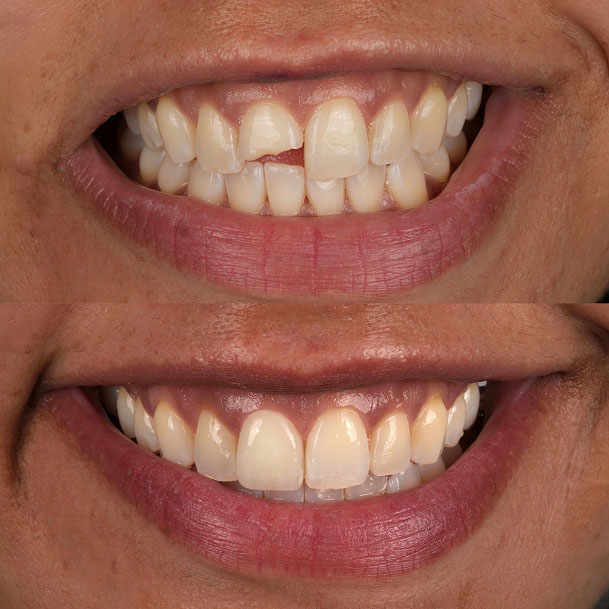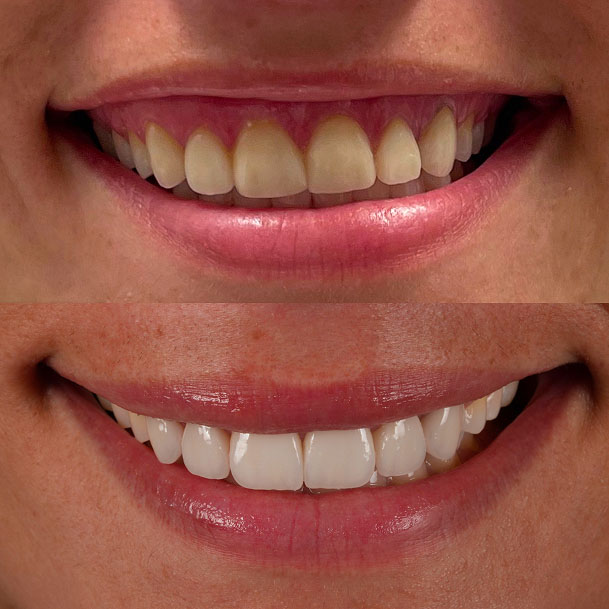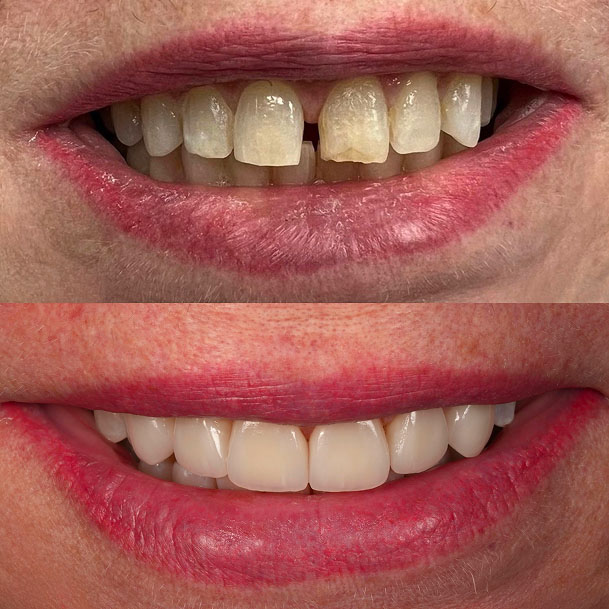
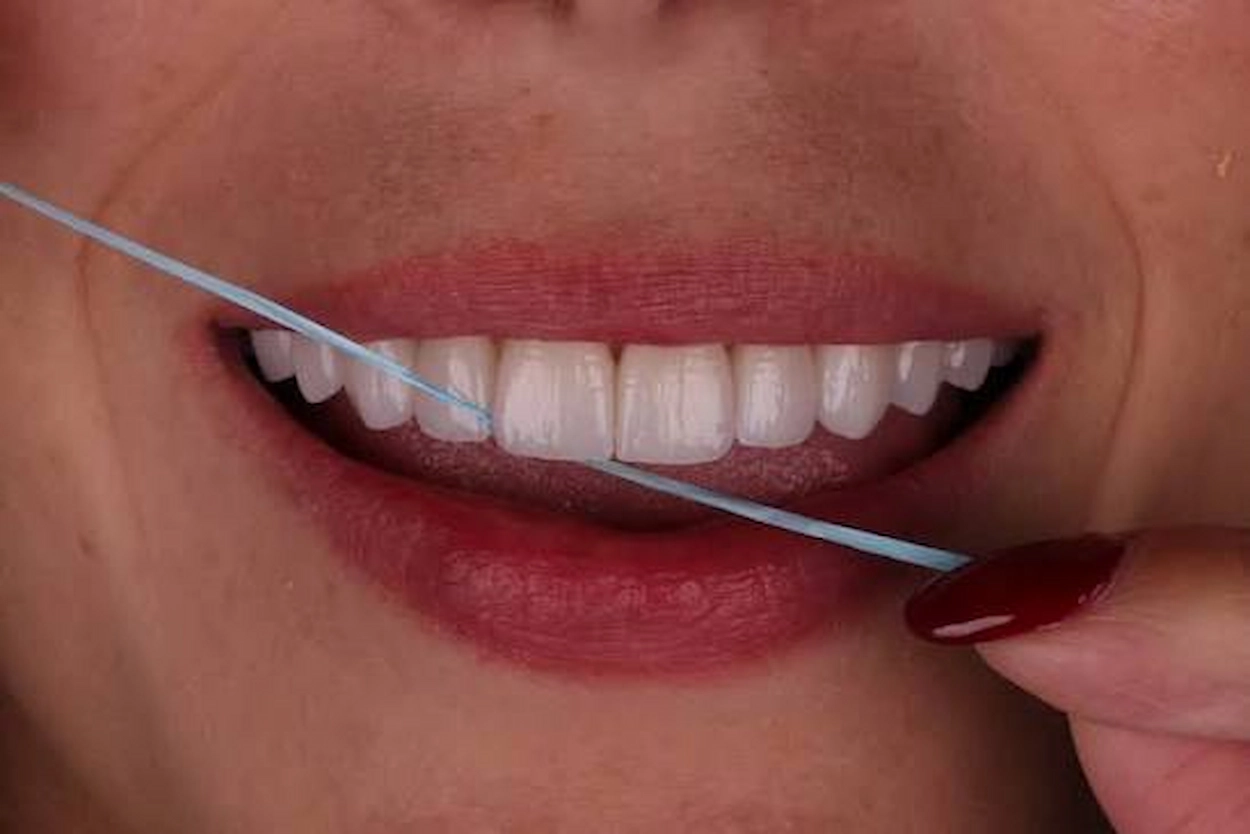
Use waxed floss and move it slowly between your teeth. Curve it into a C-shape to clean near the gum line. Water flossers and floss picks can also help. At Smile Lab in Union Square, Manhattan, Dr. Waise Ebrahimi can check your veneers and help you choose the best cleaning method.
Key Takeaways
- Daily cleaning is essential. It removes plaque, protects natural teeth, and helps prevent gum disease and tooth decay.
- Use a gentle technique. Choose waxed floss and move it in a C-shape without pulling or snapping.
- Water flossers are another option. They clean around permanent veneers, while interdental brushes work for wider gaps.
- Different types need different care. You can clean porcelain and composite veneers normally, but temporary ones need extra care.
- Never force floss between tight teeth. If it gets stuck, tears, or causes pain, ask your dentist to check the fit.
Can You Safely Floss with Veneers?
Yes. Properly bonded porcelain veneers should stay in place during normal cleaning. Dental veneers cover the front of your teeth, but they do not protect the spaces between them.
Food and bacteria can build up there. Good oral hygiene helps prevent plaque buildup, gum problems, and tooth decay under veneers. Gentle cleaning is the best way to keep your teeth and gums healthy. It also helps reduce odor-causing bacteria, which may explain why bad breath with veneers can be linked to poor cleaning or gum problems.
How to Floss with Veneers Correctly
The right technique helps remove plaque without putting too much pressure on your dental work.
- Cut about 18 inches of dental floss and wrap it around your middle fingers.
- Gently slide it between your teeth
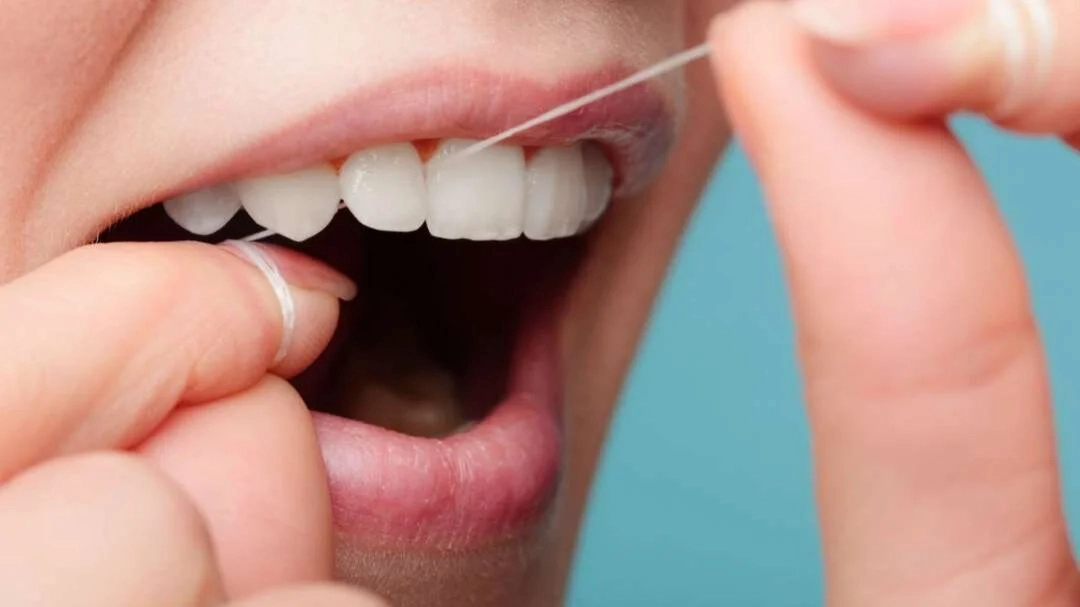
3. Curve it into a C-shape around each tooth.
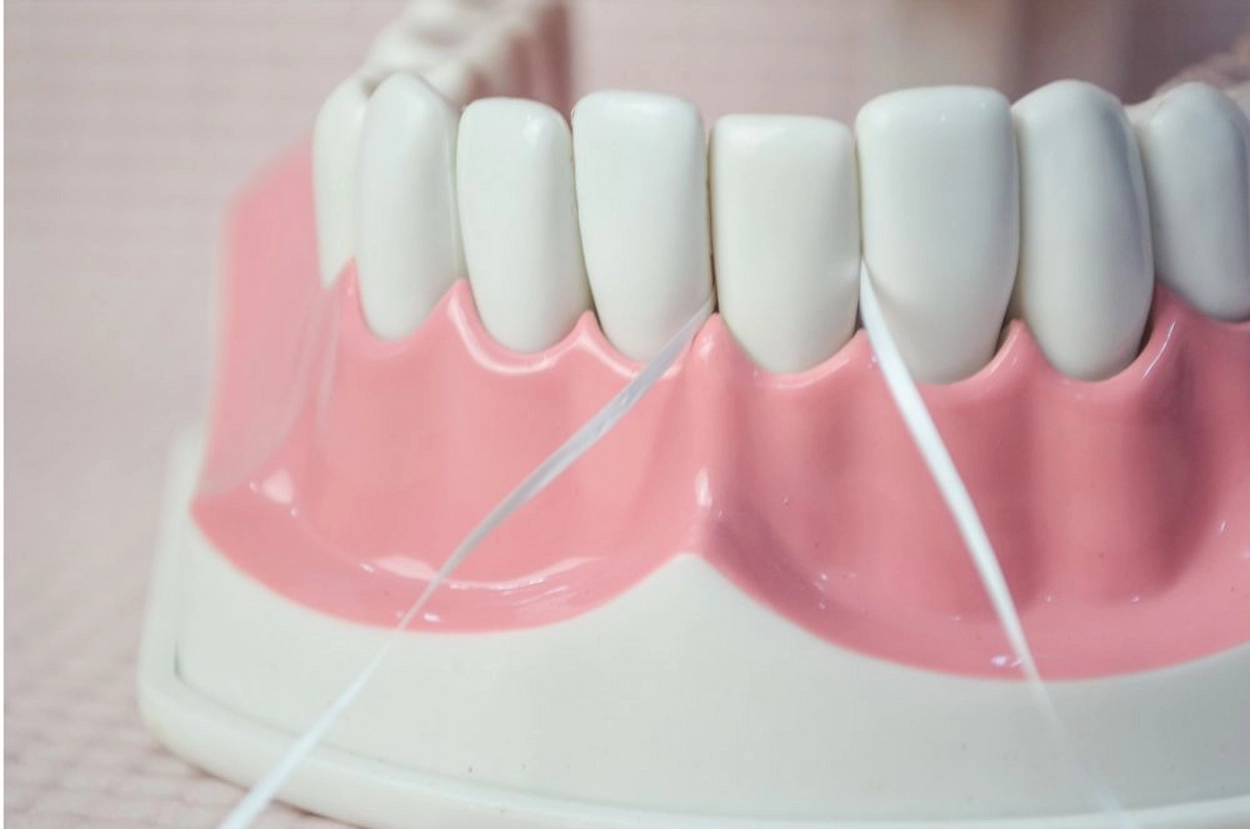
4. Move it up and down near the gum line.
5. Use a clean section for each space.
Do not snap the thread against your gums. If it gets stuck, release one end and gently pull it out sideways.
Best Floss for Veneers: Waxed or Unwaxed?
Both types work, but waxed floss often slides more easily between tight teeth. Unwaxed floss may tear if it catches on rough edges.
Choose the type that feels smooth and doesn’t require much force.
Can You Water Floss with Veneers?
Yes. A water flosser uses a stream of water to wash away food and help remove plaque around permanent veneers.
Start with low pressure and follow the product’s directions. Floss picks can also help. Use interdental brushes only when there is enough room between your teeth.
Flossing with Different Types of Veneers
Can You Floss with Composite Veneers?
Yes. Composite veneers are safe to clean between when they are firmly bonded. Use slow, gentle movements to avoid catching the thread on rough edges.
Can You Floss with Temporary Veneers?
Temporary veneers need more care because their glue is weaker. Your dentist may suggest pulling the thread out sideways or avoiding certain spaces until they place the final veneers.
Always follow your dentist’s care instructions.
Common Flossing Problems and Risks
Can Flossing Damage or Loosen Veneers?
Normal flossing shouldn’t loosen a well-bonded veneer. Pulling too hard or snapping the thread against an edge may put stress on it.
If a veneer feels loose or moves, stop cleaning that area and contact your dentist.
What If Floss Gets Stuck?
The thread may catch on extra bonding cement, rough edges, or tight spaces.
If this happens:
- Do not force it through.
- Release one end and gently pull it out.
- Avoid sharp tools or toothpicks.
- See your dentist if it keeps happening.
A small fix may make cleaning easier and more comfortable.
How to Maintain Veneers and Gum Health
Good care starts with brushing and flossing each day. Use a soft-bristled toothbrush and fluoride toothpaste twice daily. When brushing, clean around the edges of your veneers to remove plaque.
Daily flossing and regular dental care help protect your oral health and keep your dental work in good shape. If staining becomes a concern, find out whether you can whiten veneers before using whitening products.
Do Gums Grow Back After Veneers?
Receded gums usually don’t grow back on their own. Gum disease, hard brushing, and other causes can lead to this problem.
Proper cleaning should not cause your gums to pull back. See your dentist if you notice more tooth showing near the edges.
What Should You Avoid with Veneers?
Avoid chewing ice, biting your nails, opening packages with your teeth, and using rough toothpaste. These habits can damage your dental work. Knowing what you can eat with veneers also helps you avoid putting too much pressure on them.
Proper care also means avoiding hard pressure when cleaning near the edges.
When to See Your Dentist
See your dentist if you notice bleeding that does not stop, pain, rough edges, or loose veneers. These signs may point to gum problems or fit issues.
If you’re concerned about cleaning your veneers or keeping them in good shape, schedule a consultation for advice tailored to your needs.