Treatment commonly involves planning the shape and shade, taking impressions or digital scans, and bonding the final restorations during a later visit. At Smile Lab in Union Square, porcelain veneers are $2,323 per tooth, while resin veneers are $950 per tooth. A consultation determines whether a conservative approach can deliver the result you want without unnecessary enamel removal.
Key Takeaways
- This conservative cosmetic treatment uses thin ceramic or composite shells with little to no enamel removal.
- It works best for healthy teeth with mild concerns such as small gaps, worn edges, minor discoloration, or naturally small teeth.
- It may not suit severe crowding, major misalignment, deep discoloration, or teeth that already project outward because added material can look bulky.
- At Smile Lab, porcelain veneers cost $2,323 per tooth, while resin veneers cost $950 per tooth.
- Long-term success depends on proper case selection, bonding, bite forces, and daily oral hygiene.
What Are No-Prep Veneers?
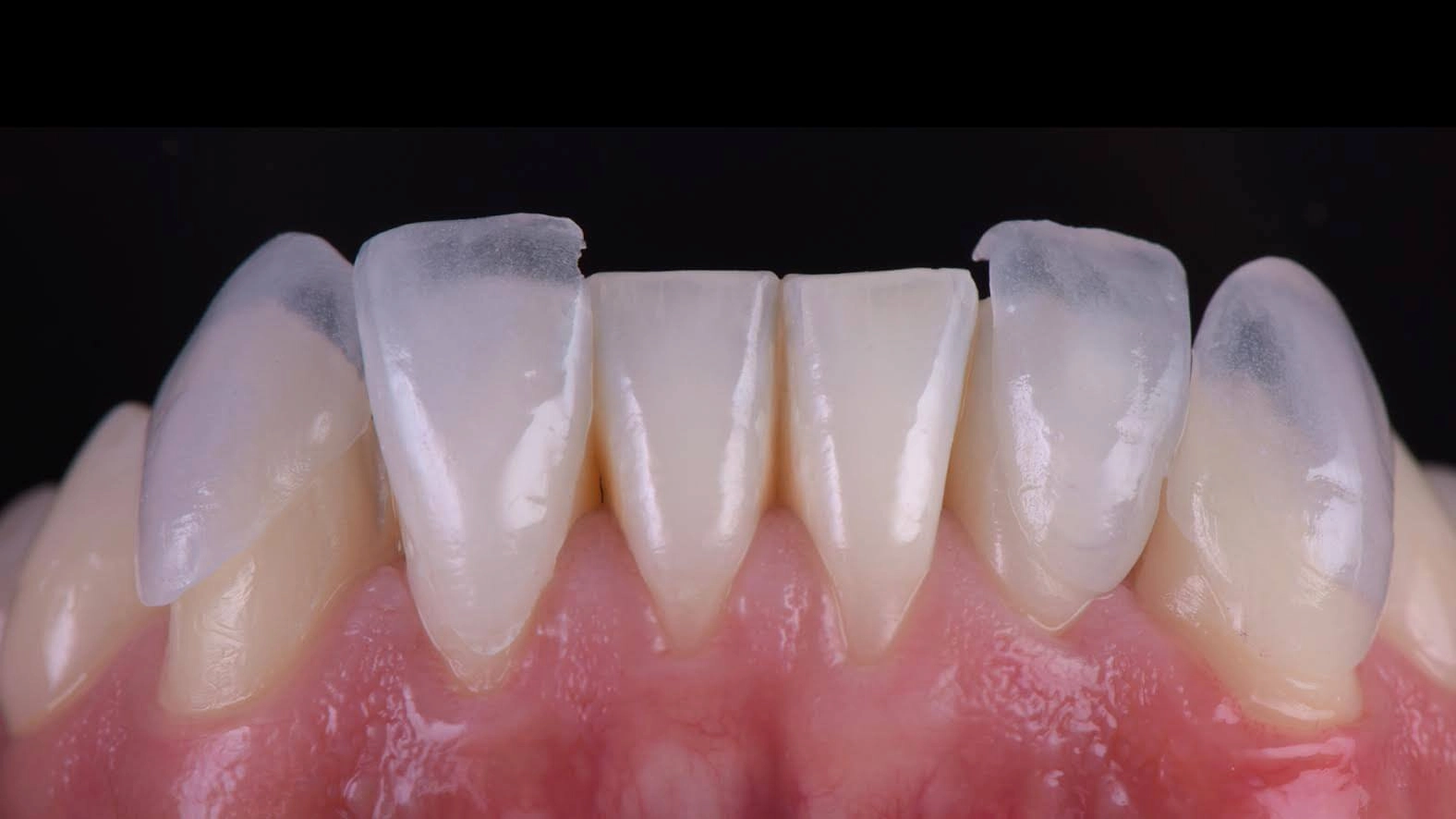
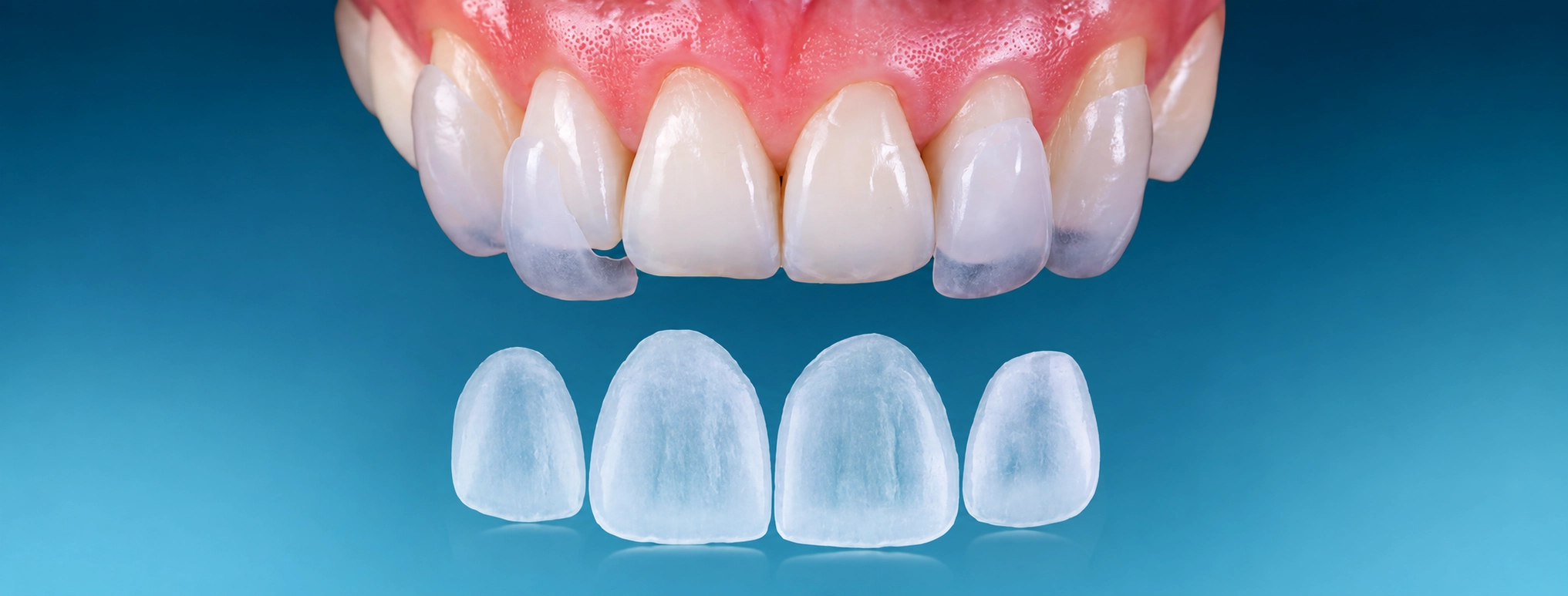
These are thin ceramic shells bonded to the front of your teeth with little or no reduction of the natural surface. They can address small gaps, mild discoloration, worn edges, or a tooth shape that looks too small or uneven. The term “no-prep” does not always mean zero alteration, since slight enamel contouring, etching, or other minor adjustments may still be needed.
How the Treatment Works
Treatment begins with an exam of your bite, gums, enamel, and existing restorations. Photos, impressions, or digital scanning help plan the size, position, and fit of the final ceramic. In a true no-prep case, the dentist bonds the shell directly to the tooth surface, while a minimal-prep approach requires minimal reshaping to create enough room.
Types of Conservative Veneers
Conservative cosmetic restorations vary by material, thickness, and the amount of tooth preparation they require. The best option depends on your enamel, tooth position, color, and how much change you want.
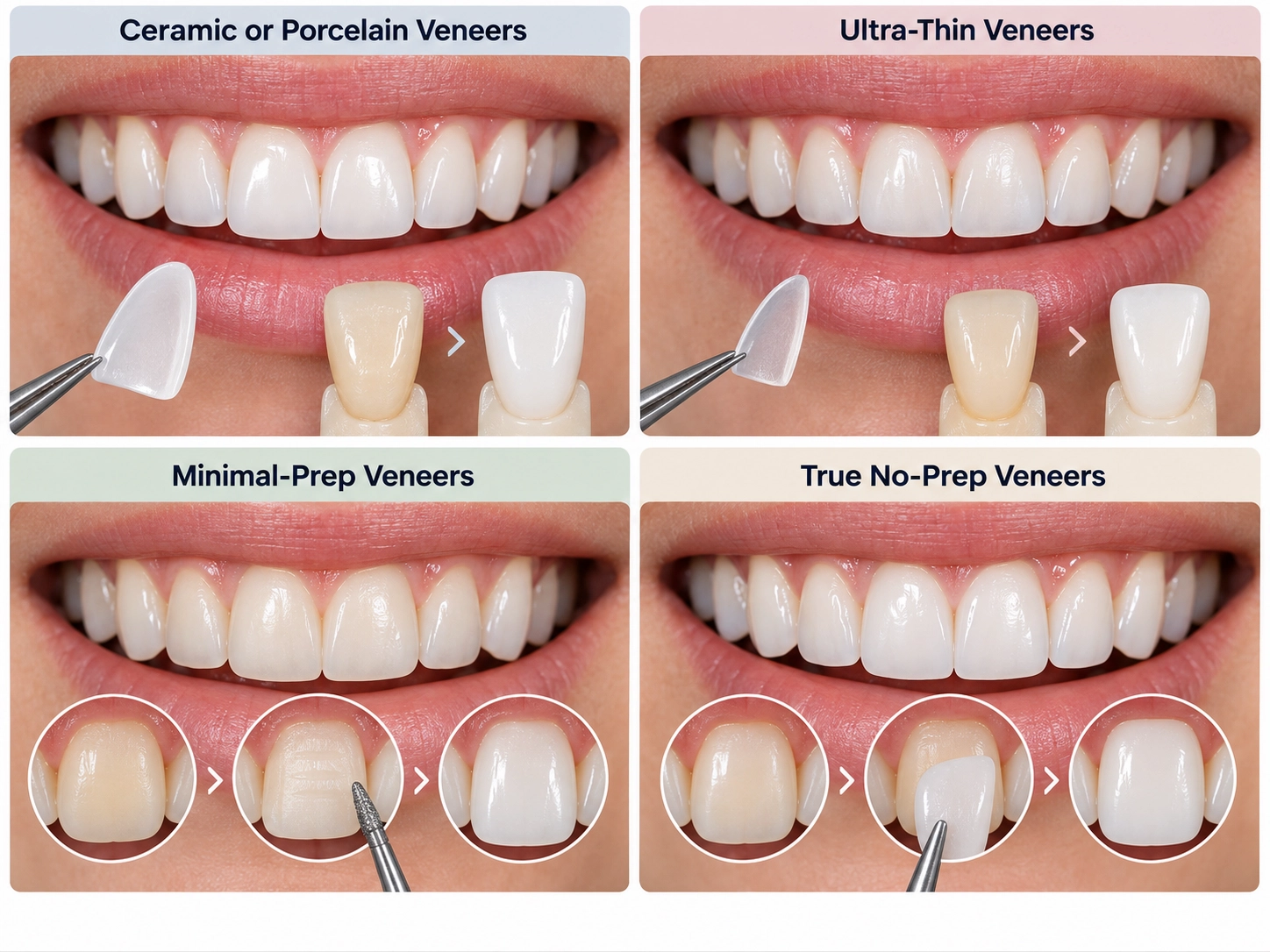
- Ceramic or porcelain veneers: Thin shells designed for natural-looking changes in shape, size, and color.
- Ultra-thin veneers: Very thin restorations used in selected cases where little or no enamel reduction is needed.
- Minimal-prep veneers: Require a small amount of enamel shaping to create enough space and improve the final fit.
- True no-prep veneers: Bond directly to the tooth surface without removing enamel when the existing tooth position allows it.
Who Is a Good Candidate?
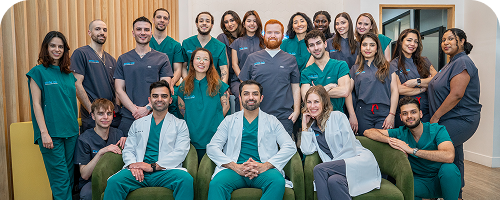
Good candidates usually have healthy teeth and gums, enough enamel for bonding, and concerns that a thin layer of ceramic can correct. The approach may work well for small gaps, short teeth, mild discoloration, or uneven proportions. Dr. Waise Ebrahimi’s approach to cosmetic dentistry emphasizes preserving natural teeth when possible, supported by advanced training at the Kois Center in predictable cosmetic and reconstructive care.
What This Treatment Can Correct
It may improve small spaces, worn edges, mild asymmetry, and certain color differences. The added material can also change width, length, and contour so neighboring teeth appear more balanced. Treatment works best when adding material improves the existing shape rather than moving a tooth into a different position.
When It May Not Work
This approach may not suit teeth with severe discoloration, significant crowding, large fillings, active decay, gum disease, or a position that already projects outward. Adding ceramic in those situations can create excess thickness or poor contours. Case selection and bite management are central to predictable results.
Are No-Prep Veneers Any Good?
They can be a strong option when the teeth provide enough space for an additive restoration. Their main advantage is a minimally invasive approach that can preserve more tooth enamel than conventional preparation. They are not automatically better than traditional porcelain treatment, because the right choice depends on tooth position, color, bite, and the change you want.
Benefits
Preserving more enamel can reduce permanent tooth alteration. Less reduction may also lower the chance of tooth sensitivity after treatment, especially when bonding remains mostly within enamel. Ceramic can provide a stable, tooth colored surface that resists stains better than direct resin.
Risks and Limitations
The main limitation is space. If ceramic is added to a tooth that is already large or prominent, the result may look bulky or create margins that are harder to clean. Chipping, fracture, marginal staining, or debonding can still occur, so conservative techniques still require careful planning.
Is the Treatment Reversible?
Some restorations can be removed with less alteration than traditional options, but reversibility is not guaranteed. Etching, bonding, polishing, or enamel contouring can change the original surface even with minimal preparation. If preserving untouched enamel matters to you, ask exactly what the dentist plans to change before treatment.
No-Prep Veneers Before and After
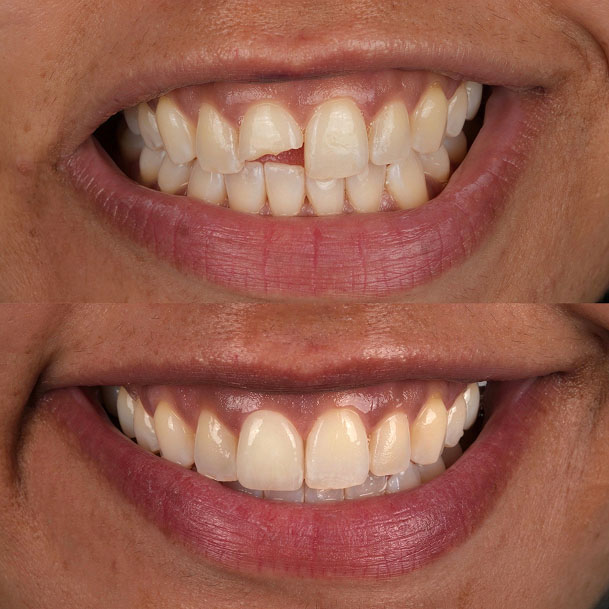
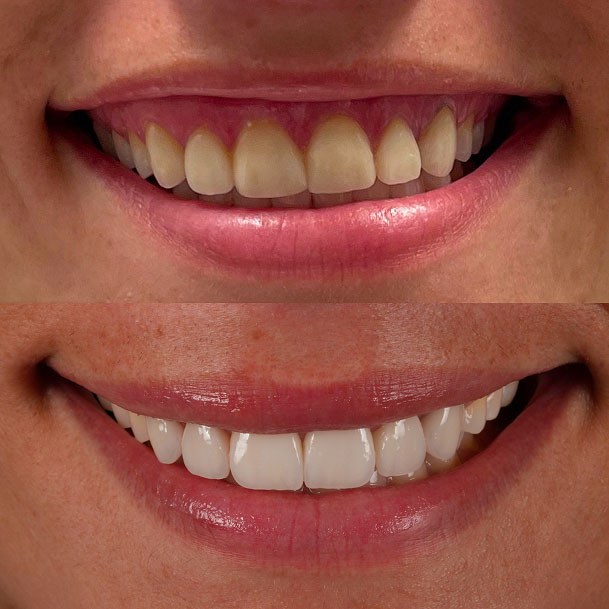
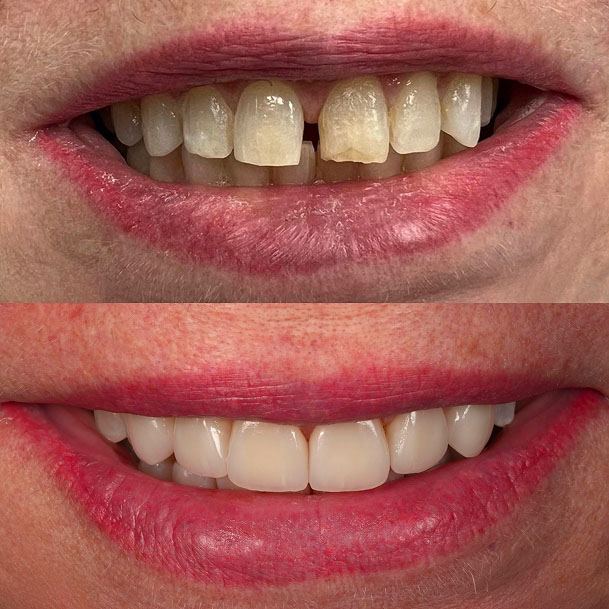
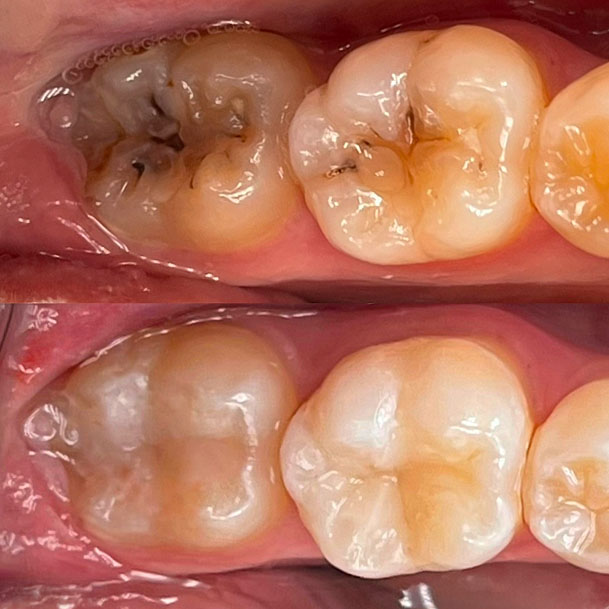
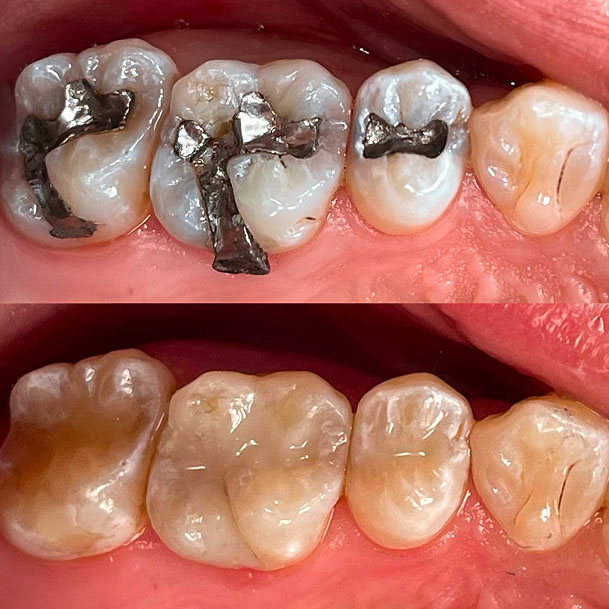
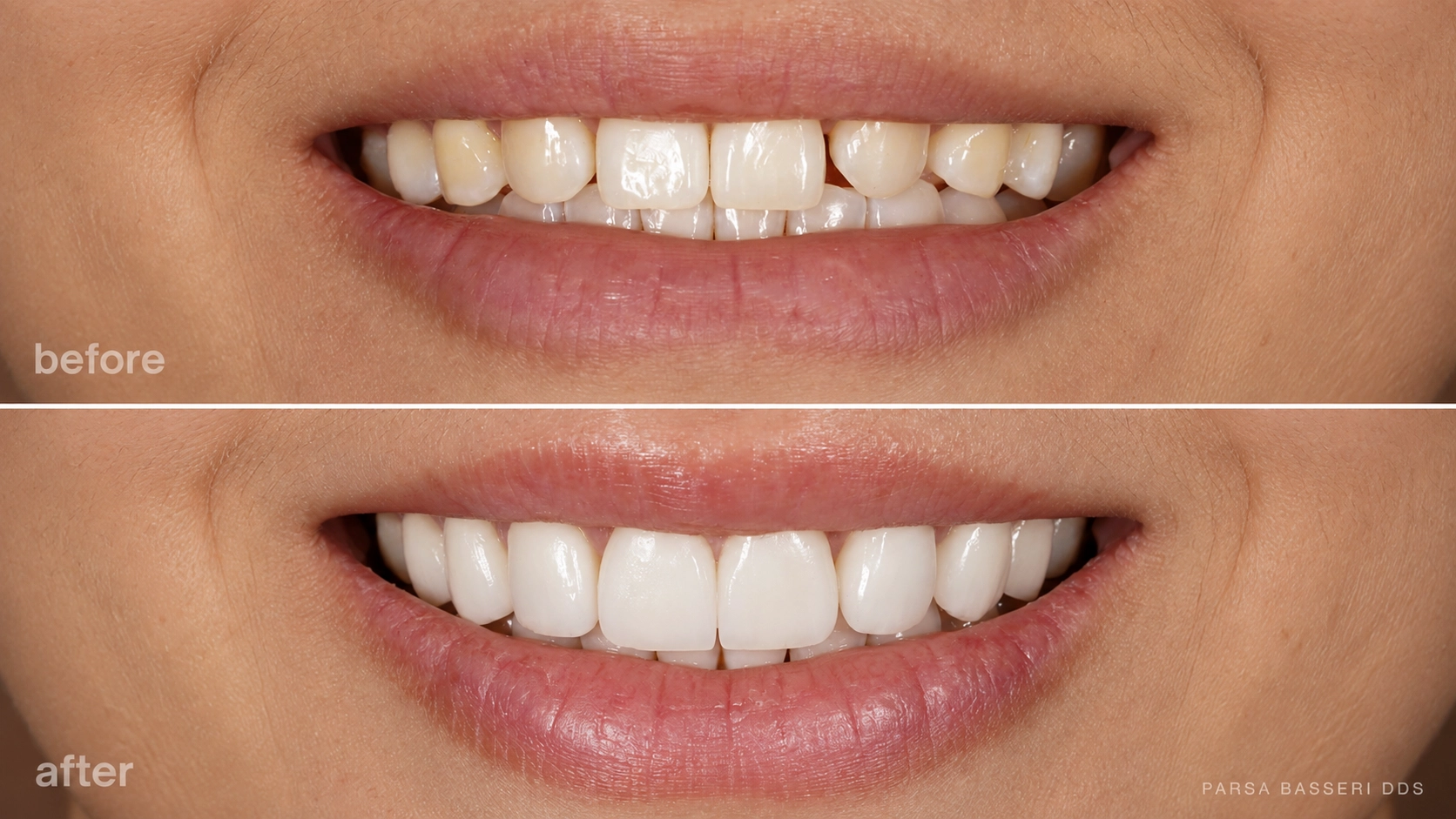
Before-and-after changes usually involve proportion, spacing, edge shape, and color rather than major tooth movement. A natural result should fit your lips, bite, neighboring teeth, and facial proportions. Photos and trial designs can help you see whether a subtle or more noticeable change matches your goals.
No-Prep Veneers vs Traditional Veneers
Both options place custom ceramic over the visible surface of a tooth, but they differ in how much natural structure is removed. If you are comparing cosmetic treatment with options for replacing a missing or damaged tooth, our guide to dental implants vs veneers explains when each treatment is appropriate.
Traditional treatment usually creates more space for the ceramic, while a conservative approach aims to preserve more enamel. The better choice depends on how much masking, reshaping, and space your teeth require.
Enamel Removal and Tooth Preparation
Traditional preparation removes a controlled amount of enamel from the front and sometimes the sides of a tooth. Our guide to teeth shaving for veneers explains how much enamel may be removed and why preparation varies by case. A conservative technique may use no reduction or only slight reshaping. Less preparation can preserve more structure, but removing too little when space is limited can compromise the final contour.
Appearance and Thickness
Traditional preparation gives the dentist and ceramist more room to mask deep discoloration or reshape prominent teeth. A minimal-prep design works best when adding a thin layer improves proportions without making the teeth look thick. Material, color, translucency, gum position, and final contour all influence how natural the result looks.
No-Prep Veneers vs Composite Bonding
The main difference is the material and how the treatment is completed. No-prep veneers use thin ceramic shells that are made to fit the teeth and then bonded in place, while composite bonding uses tooth-colored resin that the dentist shapes directly on the tooth, often in one visit.
Ceramic usually resists stains better and can keep its appearance longer, while bonding costs less, is easier to repair, and may require less treatment time. Both can improve small chips, gaps, and tooth shape, but the better option depends on your goals, budget, bite, and how much change you want.
How Much Does This Treatment Cost?
At Smile Lab in Union Square, porcelain veneers cost $2,323 per tooth, while resin veneers cost $950 per tooth. Total treatment cost depends on how many teeth you choose to treat, the material selected, and whether a minimal-prep approach is appropriate for your case. If you prefer not to pay the full amount upfront, Smile Lab offers financing through Cherry.
How Long Do No-Prep Veneers Last?
No-prep veneers can often last around 10 to 15 years with proper care, although lifespan varies by material, bite, bonding quality, and daily habits. For a broader look at how long veneers can last, including factors that affect replacement timing, see our complete guide.
Research on no-prep restorations reports survival rates of 91% to 100% over follow-up periods of 2 to 9 years, while ceramic veneers overall commonly last about 10 to 15 years.
Regular exams, good oral hygiene, and avoiding habits such as biting hard objects can help extend their lifespan. Because these restorations often bond largely to enamel, proper case selection can also support long-term stability.
Do They Stay On?
Yes. When properly bonded to healthy enamel, these restorations can stay securely in place for years. Retention depends on the fit, bonding technique, enamel quality, and bite forces.
If one feels loose, shifts, or develops a rough edge, have a dentist check it rather than waiting for it to detach.
Do Teeth Rot Under No-Prep Veneers?
A bonded restoration does not make the tooth underneath immune to decay. Cavities can still form around exposed areas or margins if plaque remains, so treat existing decay and gum disease before cosmetic work. A well-fitted shell does not cause decay on its own, but the surrounding tooth still needs routine care.
Cleaning and Maintenance
Brush twice daily with fluoride toothpaste, floss around each treated tooth, and keep regular cleanings. For a more detailed routine, see our guide on cleaning veneers. Good oral hygiene protects the ceramic margins and the natural tooth structure around them. Avoid using your front teeth to open packages or bite very hard objects, and ask about a night guard if you grind your teeth.
Getting No-Prep Veneers in NYC
The first step is confirming whether adding ceramic will improve your smile without creating excess thickness, bite problems, or unnecessary treatment. The evaluation should consider tooth position, enamel, gums, bite, and the cosmetic changes you want. If the approach fits your goals, schedule a Consultation to review the plan, expected results, and what will remain untouched.