When toothpaste is unavailable, brush gently with a soft toothbrush and water. Even products marketed as natural or non-toxic may lack proven cavity protection. At Smile Lab, patients can receive guidance based on their enamel, gums, sensitivity, and home-care routine.
Key Takeaways
- Household soap is not a safe daily replacement for fluoride toothpaste because it may irritate the mouth and does not help prevent cavities.
- Brushing removes most plaque through mechanical action, so water and a soft toothbrush are safer temporary options when toothpaste is unavailable.
- Bar soap, Castile soap, dish soap, and Dawn are not made for oral use and may cause gum irritation, nausea, or stomach discomfort if swallowed.
- Soap does not whiten teeth or strengthen enamel, while fluoride toothpaste helps protect against decay and early mineral loss.
- After accidental use, rinse thoroughly and seek dental or medical guidance if burning, swelling, vomiting, or ongoing discomfort develops.
Is Brushing Your Teeth with Soap Bad?
Yes. Household soaps are made for skin, dishes, or other surfaces, not for the sensitive tissues inside your mouth.
One accidental use will not usually cause lasting harm. Repeated use may cause discomfort and leave your teeth without reliable cavity protection.
Are There Any Real Benefits?
Some products have antibacterial properties or can break down oils, but that does not mean they prevent cavities or treat gum disease. The same distinction applies to cleaning teeth with coconut oil, which may loosen debris but cannot replace fluoride toothpaste. The toothbrush does most of the physical plaque removal, while soap mainly creates a slippery or foamy feeling.
Risks of Repeated Use
Using soap to brush your teeth may expose your mouth to fragrances, detergents, flavoring agents, and strong foaming agents. These ingredients may cause dryness, nausea, or irritation.
Can Soap Damage Gums or Enamel?
Evidence linking occasional use to enamel erosion is limited. The larger concerns are gum irritation, unpleasant taste, and the loss of fluoride protection.
A product’s pH balance may also differ from what is suitable for oral care. A “natural” label does not confirm that it is safe for daily brushing.
Does Soap Actually Clean Teeth?
Soap may loosen food residue, but it does not provide complete oral care. Effective plaque removal depends on brushing technique, soft bristles, and enough brushing time.
Cleaning Teeth with Soap and Water
Soap and water may create more bubbles, but bubbles do not prove better cleaning. Water and a soft toothbrush are safer when toothpaste is temporarily unavailable.
Plaque Removal Comes from Brushing
Brushing disrupts the sticky bacterial film that forms on teeth and along the gumline. Fluoride toothpaste supports this process while helping prevent decay, while teeth cleaning every 6 months can remove hardened buildup that brushing cannot reach.
Which Soaps Should You Avoid?
No household cleanser is recommended for oral use. Plant-based ingredients or mild labels do not make a product suitable for teeth.
Can You Brush with Bar Soap?
Bar soap may contain fragrance, oils, colorants, or glycerin. It may remove surface residue, but it is not formulated or tested as toothpaste.
Can You Brush with Castile Soap?
Castile soap may sound safer because it is plant-based, but it can still irritate oral tissues or cause stomach discomfort if swallowed.
Can You Brush with Dish or Dawn Soap?
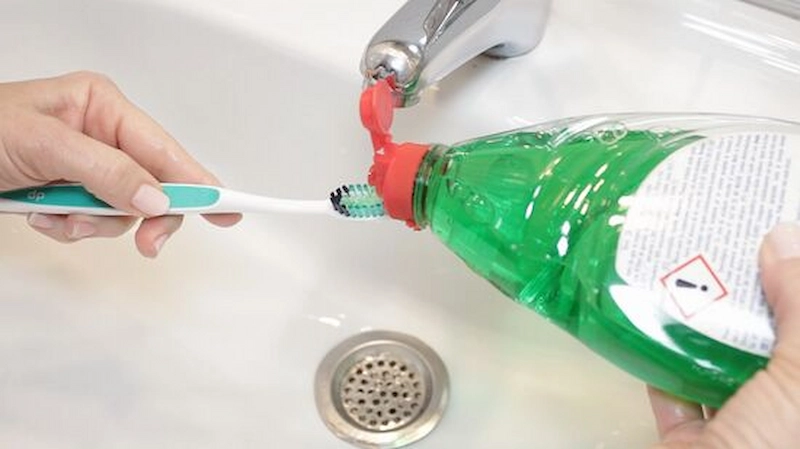
Do not use dish soap, including Dawn. These products are made to remove grease from cookware, not to remain in your mouth or be swallowed.
What Is the Best Soap for Teeth?
There is no best household soap for brushing. Products marketed as tooth soap may still lack fluoride and strong evidence for cavity prevention.
Soap and Baking Soda for Teeth
Combining household soap with baking soda does not create a balanced dental product. The mixture gives you no control over concentration or abrasiveness.
Risks of Abrasive Ingredients
Frequent scrubbing with a rough homemade mixture may irritate gums, exposed roots, or sensitive areas. Baking soda is safer when used in a properly formulated toothpaste.
Soap Versus Fluoride Toothpaste
Fluoride toothpaste helps repair early mineral loss and protects enamel from acids made by oral bacteria. It may also contain tested ingredients for sensitivity, tartar control, whitening, or fresh breath.
Which Option Protects Teeth Better?
Fluoride toothpaste is the clear daily choice. It cleans while delivering ingredients designed to reduce cavity risk.
Can You Use Soap Every Day?
No. Daily use is not recommended, even when it causes no immediate discomfort.
What Can Replace Toothpaste?
When you run out of toothpaste during a rushed NYC morning or late night, use a soft toothbrush and water. Brush every surface for two minutes, then floss.
A water flosser may also help clear debris between teeth, but high-pressure water teeth cleaning at the dentist is different from at-home water flossing and should only be performed with professional equipment.
Safer Temporary Alternatives
- Brush gently with water.
- Floss or use an interdental cleaner.
- Rinse away loose debris.
- Return to fluoride toothpaste as soon as possible.
Does Soap Make Teeth Whiter?
Soap does not bleach teeth or change their natural color. Brushing may remove food residue and soft plaque, making the surface look cleaner for a short time.
Whitening toothpaste or professional whitening is more appropriate for visible stains. These options use ingredients designed for dental surfaces.
What to Do After Using Soap
After accidental use, stop brushing, spit out the product, and rinse several times with water. Do not try to neutralize it with another household ingredient.
What If You Swallow Soap?
A small amount may cause mouth or throat irritation, nausea, vomiting, or diarrhea. Contact Poison Control if symptoms develop or you are unsure about the product or amount.
When to Contact a Dentist
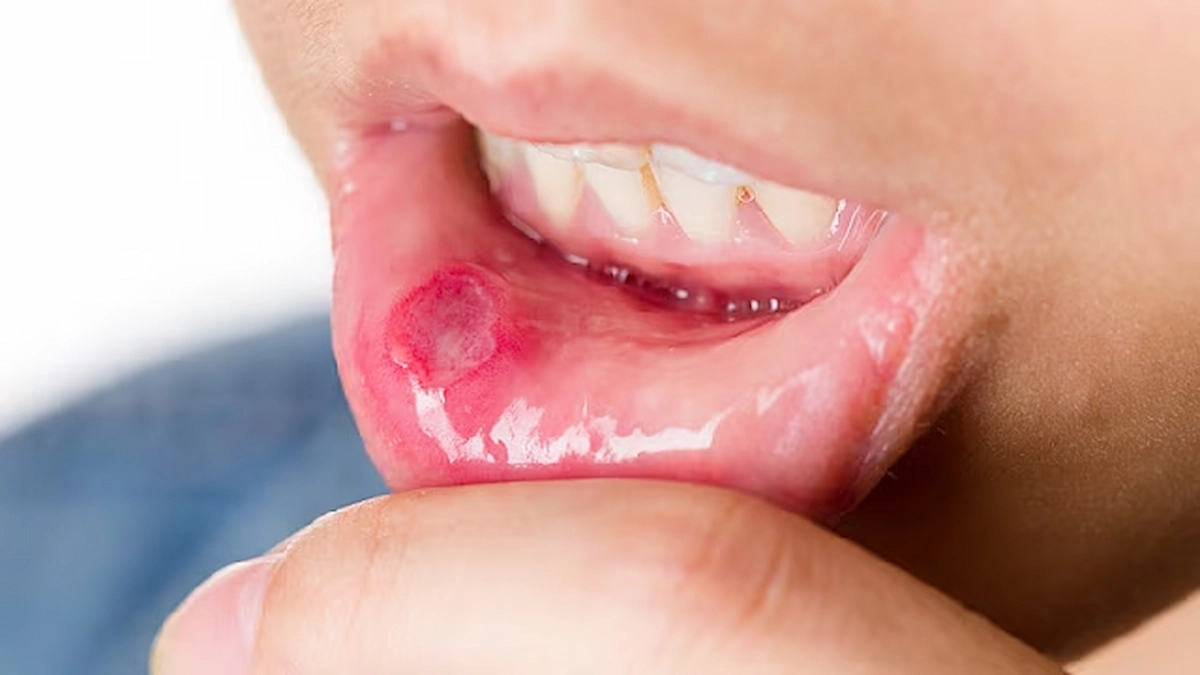
Schedule an evaluation if burning, swelling, bleeding, sensitivity, or discomfort continues. Schedule an evaluation if burning, swelling, bleeding, sensitivity, or discomfort continues. A dentist can also determine which type of teeth cleaning is appropriate if plaque, tartar, or gum inflammation is present.
Dr. Waise Ebrahimi takes a preventive and conservative approach focused on identifying irritation and protecting natural tooth structure.
A visit can also help if home remedies have made oral care feel confusing. Schedule Your Visit to receive advice based on your gums, enamel, and daily routine.