
Oil pulling can be an optional extra step, but it cannot remove tartar, treat cavities, whiten enamel predictably, or replace daily brushing with fluoride toothpaste and flossing. At Smile Lab, we recommend building your oral care routine around methods proven to protect long-term oral health.
Key Takeaways
- Coconut oil pulling may reduce some oral bacteria, plaque, and bad breath, but research remains limited.
- It does not replace brushing twice daily with fluoride toothpaste, flossing, or professional dental cleanings.
- This home remedy has not been proven to whiten enamel, remove tartar, treat cavities, or reverse gum disease.
- Safe use means swishing gently, avoiding swallowing, spitting the mixture into the trash, and stopping if discomfort develops.
- See a dentist for bleeding gums, persistent bad breath, tooth pain, swelling, sensitivity, or visible tartar.
Does Coconut Oil Clean Teeth?
This method may loosen food debris and temporarily reduce some harmful bacteria in the mouth. Swishing also increases saliva, which can help clear loose particles.
Still, coconut oil for teeth does not work as well as brushing your teeth with fluoride toothpaste and flossing. It cannot reliably prevent tooth decay and gum disease.
What Is Coconut Oil Pulling?
Oil pulling comes from Ayurvedic medicine. The practice involves moving edible fat through your mouth and between the dental surfaces before spitting it out.
Traditional instructions often recommend a tablespoon of coconut oil for 15 to 20 minutes. You do not need to swish forcefully or continue if your jaw becomes tired.
What Research Shows
Research into oil pulling with coconut remains limited. Some small studies suggest lower bacterial counts, plaque, or gum inflammation, but the evidence does not confirm lasting health benefits.
The ingredient contains lauric acid and other medium-chain fatty acids with antimicrobial properties in laboratory settings. Researchers have studied their effects on Streptococcus mutans, but these findings do not prove that pulling with coconut oil prevents cavities or replaces fluoride.
Dentists question claims that the practice detoxifies the body, cures cavities, or reverses gum disease. The American Dental Association does not recommend it as a replacement for standard dental hygiene.
Brushing with Coconut Oil
Applying it with a toothbrush offers no proven advantage over swishing. The possible benefits of coconut oil do not include fluoride protection, so it should never replace regular toothpaste.
Healthy adults may tolerate daily use, but it is not necessary. Stop if you experience jaw fatigue, nausea, coughing, or irritation.
Choose a plain, edible product without added sugar, essential oils, or abrasive ingredients. Virgin and refined varieties can both be used, though neither has shown better results for the teeth and gums.

Can Coconut Oil Whiten Teeth?
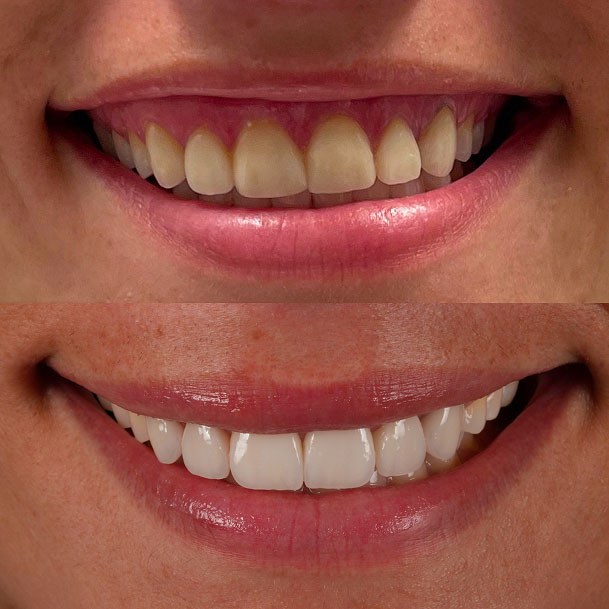
There is no reliable evidence that the practice changes the natural color of enamel. Dental surfaces may feel smoother afterward, which can create the impression of a brighter appearance.
Cleaning teeth with coconut oil and baking soda may remove some surface debris, but frequent scrubbing can irritate gum tissue or damage dental work. Cleaning teeth with coconut oil and turmeric has no proven whitening effect and may leave yellow residue around fillings or aligner attachments.
Coconut Oil Pulling Dangers
Long sessions can tire the jaw, while swallowing the mixture may cause nausea or stomach discomfort. People with swallowing problems should avoid oil pulling with coconut because they may inhale small amounts.
Coconut allergies may cause swelling, itching, or breathing problems. Aspiration is rare, but repeated inhalation of fatty substances has been linked to lipoid pneumonia in case reports.
How to Use Coconut Oil Safely
- Start with one teaspoon rather than a full tablespoon.
- Swish gently for about five minutes.
- Do not swallow or gargle.
- Spit the mixture into the trash.
- Rinse your mouth with water.
- Brush with fluoride toothpaste and floss normally.

What Coconut Oil Cannot Do
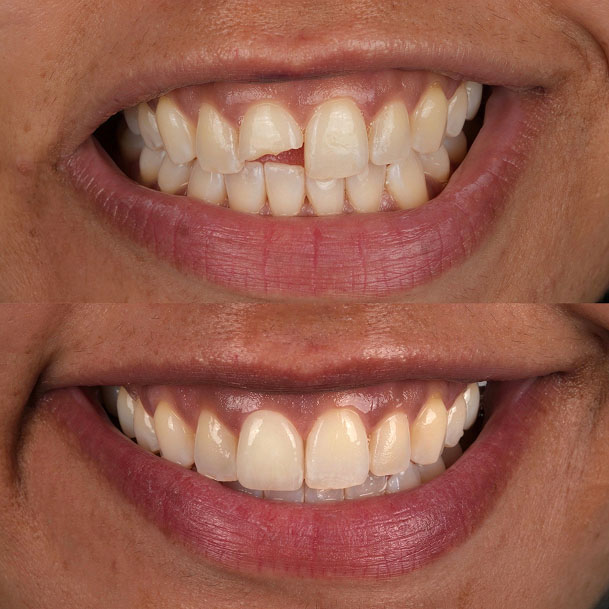
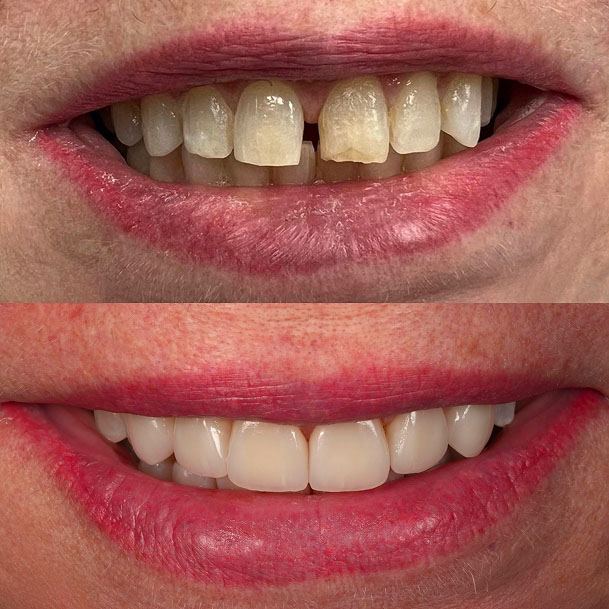
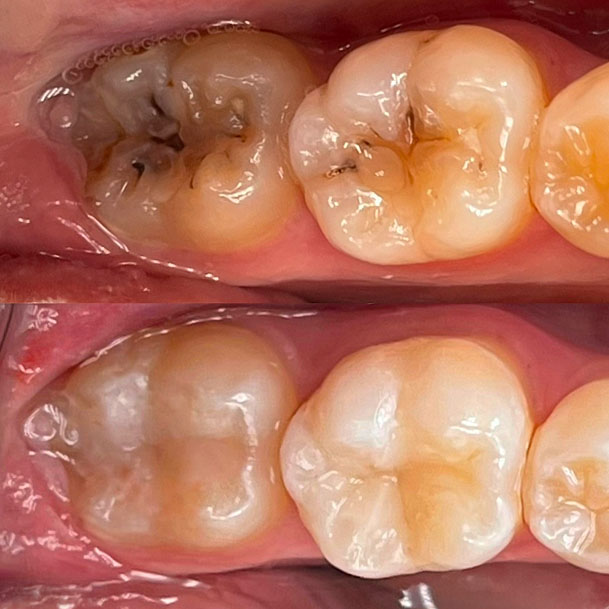
This remedy cannot remove hardened tartar, rebuild enamel damaged by cavities, or clean infection below the gumline. It also cannot replace brushing, flossing, or professional care.
Rubbing it on sore gums or leaving it overnight has no established benefit. Bleeding, swelling, tenderness, or ongoing bad breath may signal a condition that needs an exam.
When to See a Dentist
Schedule a visit if you have pain, visible tartar, bleeding gums, sensitivity, swelling, or persistent bad breath. Dr. Waise Ebrahimi follows a preventive and conservative approach at Smile Lab, helping patients understand the cause before recommending treatment.
For patients managing a busy Manhattan schedule or returning after a long gap in care, a dental exam can show whether a home remedy is helping or only masking a problem. Schedule Your Visit when you are ready for a clear assessment.