Types of Teeth Cleanings Explained for Better Oral Health

I hope you’re enjoying reading this blog post if you want a consultation with Smile Lab, click here.
The right procedure depends on your gum health, treatment history, and the amount of plaque and tartar present. The four main types of teeth cleanings are prophylaxis for healthy mouths, gross debridement for heavy buildup that may block a full exam, scaling and root planing for gum disease below the gumline, and periodontal maintenance after gum disease treatment.

A prophylaxis removes routine buildup above the gums, while scaling and root planing also smooths the tooth roots to support healing. Periodontal maintenance helps control bacteria and reduce the risk of the disease returning.

No single option is best for every person, and a heavy buildup does not automatically mean you need deep cleaning. A dentist must examine your gums, measure periodontal pockets, and review signs of bone or attachment loss before recommending care.

At Smile Lab in Union Square, this assessment helps the team choose the least invasive procedure that can address your current needs and protect your long-term oral health. The sections below explain how each option works, who may need it, and what to expect during treatment.

Key Takeaways

  • Prophylaxis, scaling and root planing, periodontal maintenance, and gross debridement are the four main options. Each one treats a different level of buildup or gum inflammation.
  • Routine care works above the gumline. Deep treatment removes bacteria and tartar from below it.
  • Dental tools can remove plaque and tartar once it becomes hard. Brushing and flossing cannot remove hardened tartar at home.
  • Bleeding, swelling, gum recession, bad breath, or loose teeth may be signs that you need an exam.
  • Visit timing depends on your gum health, past treatment, and risk of future problems.

What Are the Different Dental Cleaning Types?

The types of dental care you may need depend on your gums, buildup, and treatment history. An exam helps your dentist decide which types of cleanings match your needs. Each procedure has a clear purpose.

Prophylaxis Dental Cleaning

Prophylaxis cleanings help people with healthy gums prevent new problems. A hygienist removes buildup from the surface of your teeth and polishes small stains. The visit may also include simple oral hygiene tips.

Scaling and Root Planing

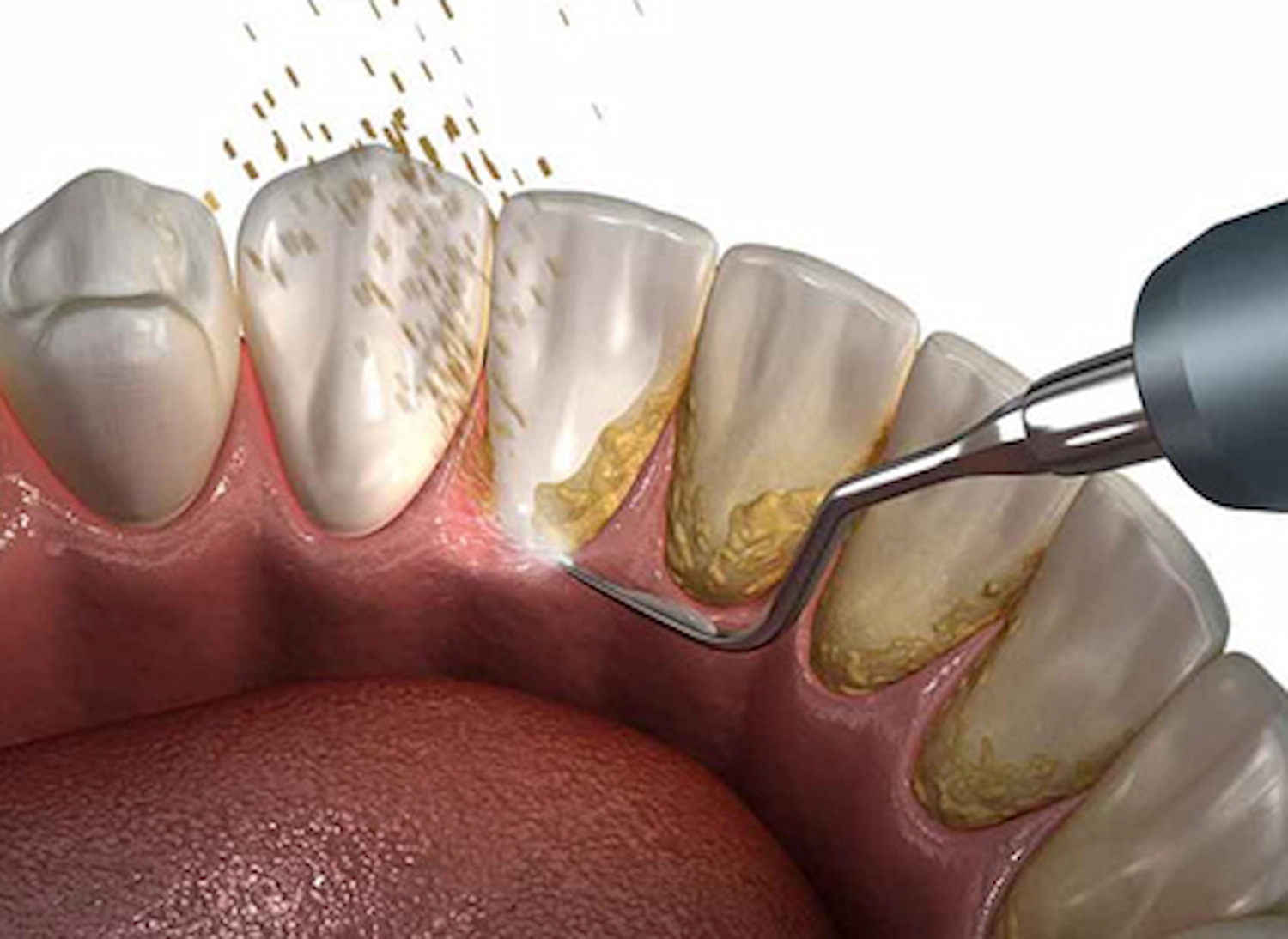
Scaling and root planing treats infection below the gumline. Understanding teeth scaling vs. cleaning can help explain why routine care and gum disease treatment serve different goals. Scaling clears away bacteria and tartar. Root planing smooths the tooth roots so the gums can heal and fit more closely around them. Numbing may be used to keep you comfortable.
Periodontal Maintenance

Periodontal maintenance comes after treatment for periodontitis. It cleans areas where harmful bacteria may return. These visits often happen more often than regular dental appointments.

Gross Debridement

Gross debridement removes thick buildup that blocks a full exam. A dentist may suggest it when someone has not received care for several years. Another procedure may be needed once the mouth can be checked clearly.
How the Options Compare

Procedure
Common Reason
Main Purpose
Prophylaxis
Healthy gums
Remove routine buildup and stains
Scaling and Root Planing
Active gum disease
Treat infection below the gums
Periodontal Maintenance
Past gum treatment
Control bacteria and lower the risk of return
Gross Debridement
Heavy buildup
Clear the mouth for a full exam

Routine care helps prevent problems and works mainly above the gums. Deep treatment targets infection around the tissue and bone that support each tooth. Home care supports good oral health but cannot remove hard tartar. Trying to perform a deep cleaning of your teeth at home cannot replace professional treatment below the gumline.

Which Method Is Best?

The best choice depends on your gum health, level of buildup, and past care. A dentist checks bleeding, gum pocket depth, bone levels, and signs of infection before making a recommendation. Common examples include:

  • Prophylaxis: Best for healthy gums and light buildup during routine care.
  • Scaling and root planing: Best for gum disease, deep pockets, and tartar below the gumline.
  • Periodontal maintenance: Best after gum disease treatment to help control bacteria and prevent it from returning.
  • Gross debridement: Best when heavy buildup blocks a full dental exam.

Swollen gums, gum recession, bad breath, pain while chewing, or loose teeth may need a closer look. Dr. Waise Ebrahimi uses a preventive approach and avoids treating healthy areas more than needed.

What Happens During the Appointment?

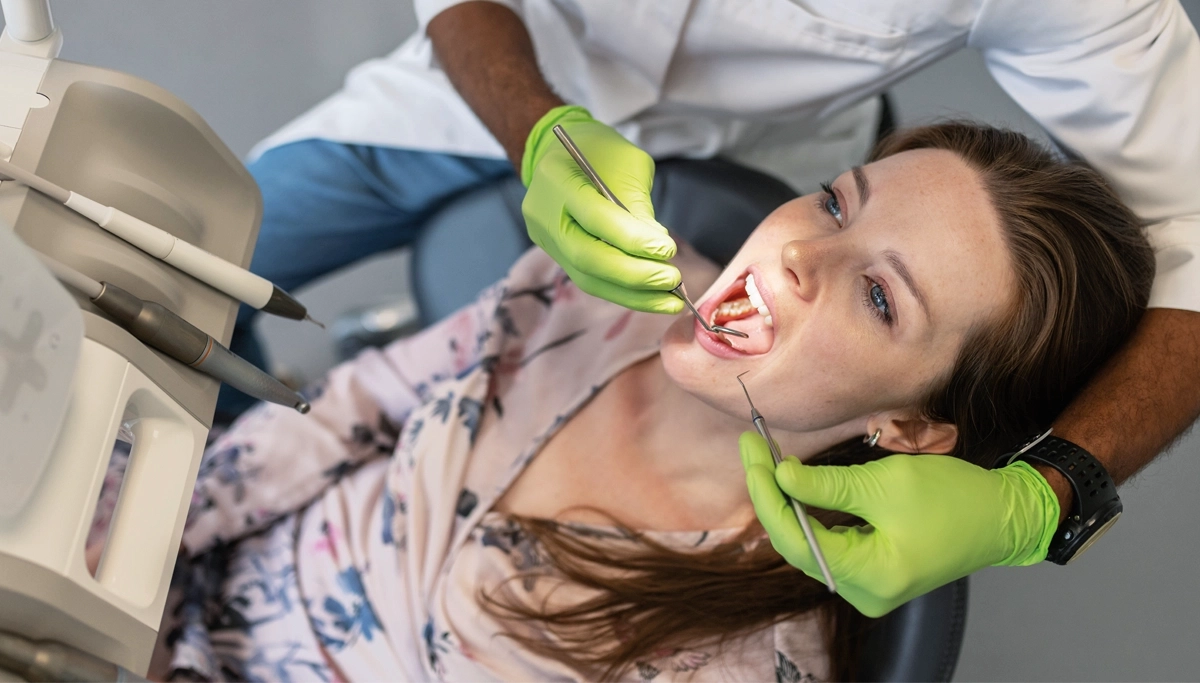
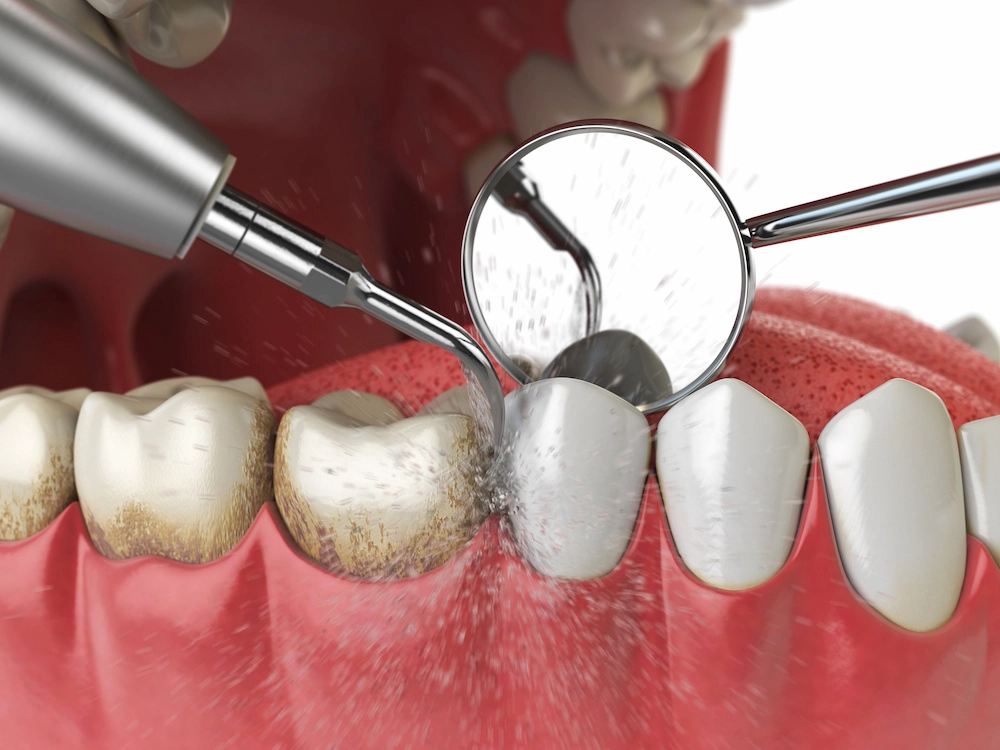
The dentist will perform an exam before care begins. A routine visit may include scaling, polishing, flossing, and fluoride. Some offices also use high-pressure water teeth cleaning at the dentist, which usually involves a powered scaler with a cooling spray. Deep treatment may need numbing or more than one appointment. Mild soreness or sensitivity can occur after care, but it should improve.

How Often Should You Schedule Care?

Your schedule depends on your gum health and past treatment:

  • Healthy gums: About every six months
  • Higher risk: Every three to four months
  • Past periodontitis: Often every three to four months

Your dentist may adjust the timing based on how fast buildup returns. Schedule Your Visit with Smile Lab for a personal recommendation.

Dr. Waise Ebrahimi is a restorative and cosmetic dentist at Smile Lab Dentistry in Union Square, holding his Doctor of Dental Surgery degree from UCSF — the nation’s top dental school. A Fellow of the American Endodontic Society and member of the American Dental Association, he’s certified in dental implant placement and trained at the world-renowned Kois Center for advanced dentistry. Dr. Ebrahimi partners with Mt. Sinai Hospital to provide comprehensive, whole-body care focused on long-term wellness. Fluent in English, Spanish, and Farsi, he’s dedicated to making every patient feel comfortable and heard.

Want to stay in te loop?

Subscribe to our newsletter for the latest dentistry tips and special offers!
Dr. Waise Ebrahimi earned his Doctorate in Dental Surgery from the University of California San Francisco, the nation’s top dental school and the #1 recipient of federal NIH awards for 13 years. He continued his training in cosmetic and reconstructive dentistry, with a focus on the advanced principles taught by the world-renowned Kois Center.

Table of Contents

Get the Care
You Deserve
Dentistry Designed Around Your Comfort
Modern dental studio in Union Square offering general, cosmetic, emergency, implant, and specialty dentistry – all in one place.
Before And After
Smile Lab numbers

4.9 Star

Google Rating

4500+

Patient Reviews

5+ years

Serving Union Square / NYC

30K+

Patients Cared For

Want to stay in te loop?
Subscribe to our newsletter for the latest dentistry tips and special offers!
Book your consultation today and take the next step toward restoring your health.