
At Smile Lab, the care team reviews your oral health before recommending how often you should return. Some patients benefit from shorter intervals, while lower-risk adults may be able to wait longer under a dentist’s guidance.
Key Takeaways
- A twice-yearly schedule works well for many adults, but the best interval depends on gum health, cavity risk, medical history, and how quickly buildup returns.
- Routine professional care removes hardened tartar that brushing and flossing cannot remove and can help detect cavities or gum changes earlier.
- Some patients may need visits every three or four months, especially those with gum disease, frequent buildup, dry mouth, smoking habits, or repeated cavities.
- Deep treatment differs from routine preventive care and is used to manage gum disease below the gumline, often followed by periodontal maintenance.
- Your dentist should recommend a schedule based on current findings rather than using the same timeline for every patient.
Are Twice-Yearly Dental Visits Necessary?
For many adults, a dental cleaning every 6 months supports preventive care and early detection. Still, this interval is a general guideline, not a fixed rule for every patient.
This timing became common because plaque can harden into tartar between appointments. Early decay and gum disease can also develop without pain. Regular exams give a dental professional time to identify changes before they become harder to treat.
What Does Research Say About Frequency?
Research does not show that one schedule works best for every adult. People with healthy gums and low cavity risk may not need the same timetable as someone with active inflammation or a history of gum disease.
A dentist may shorten the interval when plaque returns quickly, gum pockets deepen, or new cavities appear. The schedule can also change as oral health improves or new risk factors develop.
Why Schedule Routine Professional Care?
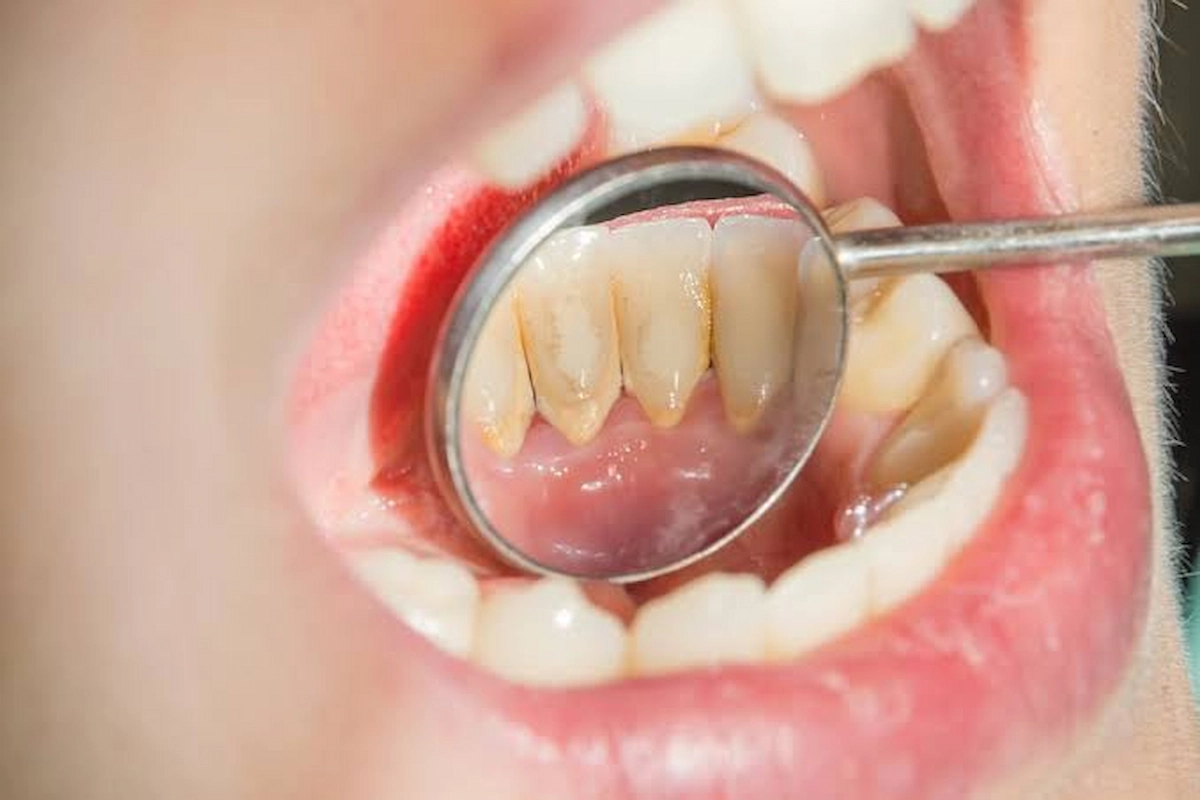
Professional teeth cleaning removes deposits that home care cannot always reach. Even when you brush and floss daily, plaque can remain near the gumline and between crowded areas. Once it hardens, brushing your teeth cannot remove the tartar buildup.
Professional care also helps protect the gums and enamel. Small cavities, worn fillings, and gum changes are easier to manage when found early. At Smile Lab, Dr. Waise Ebrahimi follows a preventive and conservative approach focused on preserving natural tooth structure.
How Often Should You Go?
The right schedule depends on gum measurements, cavity activity, smoking, dry mouth, braces, diabetes, home care, and how quickly deposits return. People with stable gums and good oral hygiene may do well with twice-yearly visits.
Dental Cleaning Every 4 Months
A dental cleaning every 4 months may help people who develop deposits quickly or need closer gum monitoring. More frequent appointments can show whether treatment and oral hygiene habits are working.
Can You Get Cleanings Monthly?
Yes, you can, but monthly professional cleanings are not recommended for most patients. A dentist may suggest them temporarily for active gum problems, rapid tartar buildup, or close follow-up after treatment. For routine care, your schedule should be based on your oral health and risk factors rather than a monthly interval.
Can Some People Wait Longer?
Yes. Adults with healthy gums, no active cavities, little tartar buildup, good oral hygiene, and no major risk factors may be able to wait longer between visits. Research suggests that personalized recall intervals can produce similar outcomes to fixed six-month schedules for suitable low-risk adults, but a dentist should confirm the timing after an exam.
When to Visit Earlier
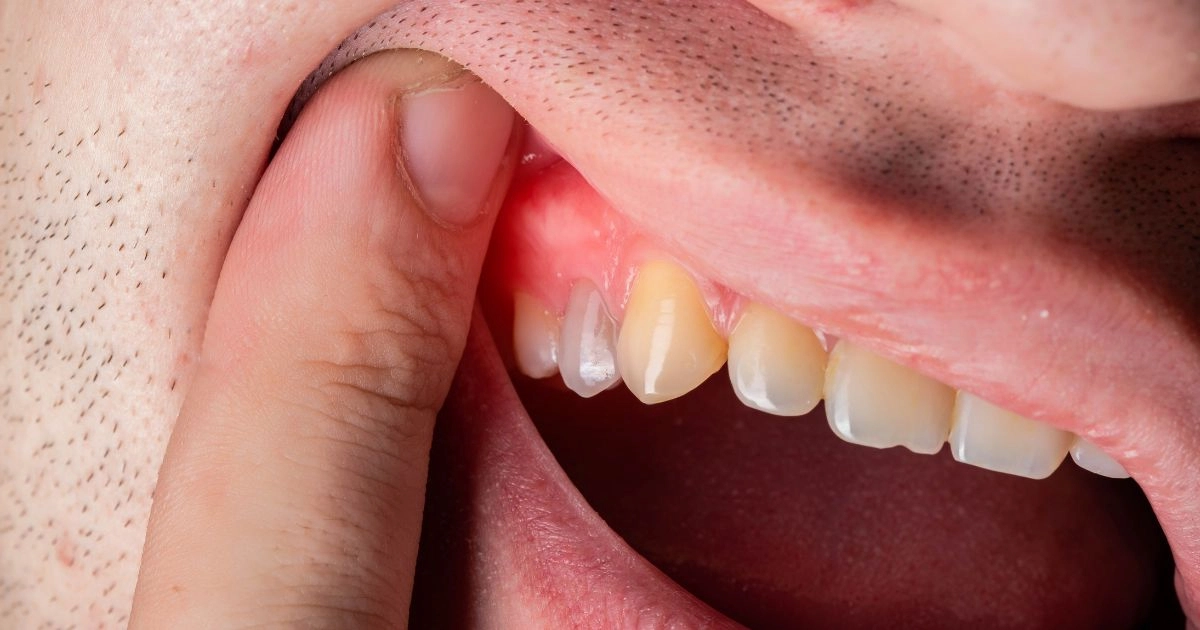
Visit your dentist sooner if you notice ongoing bleeding, swollen gums, new pain, a loose tooth, or persistent bad breath. These symptoms do not always signal a serious problem, but they should be checked.
Deep Treatment and Gum Disease
People with healthy gums usually follow a routine schedule, often every six months or longer if their risk is low. Understanding deep cleaning vs. regular cleaning can help clarify why deep cleaning is only needed when a dentist finds active gum disease or deeper pockets below the gumline.
After scaling and root planing, periodontal maintenance is often scheduled every three or four months. The timing may change as the gums improve or if disease remains active. Patients considering this treatment can also review the benefits and disadvantages of deep cleaning teeth to better understand what to expect.
What Happens During an Appointment?
The exact steps can vary across the different types of teeth cleaning, but a routine visit usually includes an exam, scaling, polishing, and guidance for home care. A fluoride treatment may also be recommended when cavity risk is higher.
The provider examines the enamel, gums, fillings, and areas that trap food. Scaling removes hardened deposits, while polishing smooths the surface and removes some external stains. Digital X-rays may be used when clinically needed to check areas that cannot be seen directly.
Are There Any Disadvantages?
Routine visits have few disadvantages when recommended for the right reasons. The most common effects are brief sensitivity, mild soreness, or temporary bleeding in inflamed areas, and sensitive teeth after cleaning usually improve within a short time.